By Diane Feffer
Special Contributor
Transform Your Kitchen for the Holidays: A Strategic Guide to Remodeling Success
As the leaves begin to hint at a change in season, so too does our attention turn towards the bustling holiday season. For many, this means envisioning family gatherings, festive feasts, and vibrant celebrations – all centered around the heart of the home: the kitchen. Is your kitchen truly ready to play host to these cherished moments? Or does it whisper (or perhaps shout) for a much-needed transformation?
We recently connected with Bruce Graf, a renowned home remodeler boasting over three decades of invaluable experience. His insights reveal a surprising truth: the seemingly quiet months of July and August are, in fact, the prime time to kickstart your home remodel project. By planning strategically now, you can ensure your dream kitchen is not just completed, but perfected, allowing you to gather family and friends in a beautifully renovated space just in time for the holidays.
Why Early Planning Matters: The July and August Advantage for Your Remodel
Many homeowners wonder, “Why is July or August a great month for planning a remodel?” The answer, as Bruce Graf eloquently puts it, is quite simple yet profoundly impactful: “Quite simply because the quality design process takes several weeks. By starting in July, it’s probable that your actual remodel could begin in September and be finished by November.”
This early start offers a multitude of benefits that directly contribute to a smoother, less stressful, and ultimately more satisfying renovation experience. The design phase, which is often underestimated, involves intricate details: conceptualization, material selection, architectural drawings, securing permits, and detailed budgeting. Rushing this critical period can lead to costly mistakes, design compromises, and increased stress down the line.
By dedicating the summer months to thorough planning, you give yourself ample time to explore various design options, source unique materials, and make thoughtful decisions without the pressure of a looming deadline. This strategic approach ensures that when construction begins in early fall, the blueprint is robust, the materials are on order, and the entire team is aligned, setting the stage for a seamless execution and a magnificent unveiling before the holiday rush.
Understanding Your Remodel Timeline: From Concept to Completion
When considering a renovation, one of the most frequently asked questions is, “What is the typical timeline for a basic remodel?” Graf explains that “The timeline is relative to the size of the project. It could start out at four weeks and go from there just depending on the scope of the project.”
A “basic remodel” might involve cosmetic updates like new countertops, cabinet refacing, and fresh paint. This type of project could indeed wrap up within four to six weeks. However, a more comprehensive transformation – a full kitchen gut and rebuild, for instance, which often includes reconfiguring layouts, updating plumbing and electrical, or even minor structural changes – typically requires eight to twelve weeks, sometimes more. Factors influencing this timeline include:
- Scope of Work: Minor updates versus major structural changes.
- Material Lead Times: Custom cabinetry, specialty appliances, and unique finishes often have longer delivery periods.
- Permit Requirements: Depending on the extent of the work, local building permits might be necessary, adding a few weeks to the initial planning phase.
- Contractor Availability: Reputable contractors are often booked months in advance, another reason why early planning in summer is crucial.
- Unforeseen Challenges: While diligent planning minimizes surprises, issues like hidden water damage or outdated wiring can sometimes emerge once walls are opened, potentially adding to the timeline.
Allocating sufficient time, with a small buffer for unexpected eventualities, is key to managing expectations and ensuring a high-quality outcome that isn’t rushed.
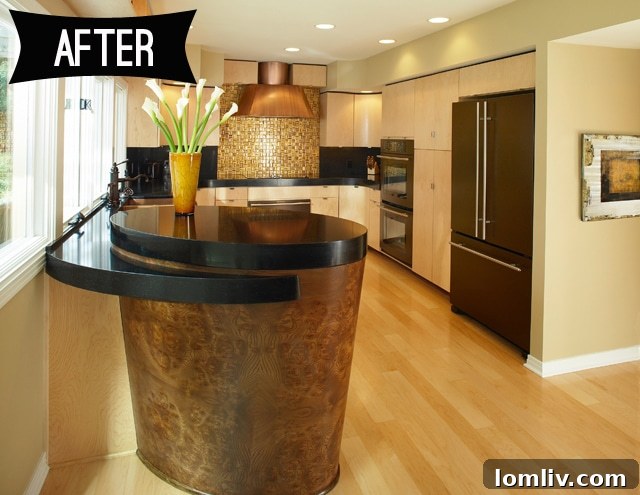
The First Step: Building Your Dream Team of Design and Construction Professionals
For many homeowners, simply taking the first step towards a remodel can feel like the hardest part. “What is the first step for homeowners who want to remodel?” is a common question. Graf emphasizes, “The first thing on your list should be to connect with a good designer. More importantly, find a designer that has a good relationship with a contractor, because it’s a team approach. You have to have a good feeling for the people you are working with during this project.”
This “team approach” is paramount to a successful renovation. A designer brings aesthetic vision, space planning expertise, and an understanding of current trends and materials. A contractor provides the practical execution, manages timelines, oversees subcontractors, and ensures structural integrity. When these two professionals work in harmonious tandem, the entire process becomes streamlined and efficient. They communicate effectively, anticipate potential issues, and share a common goal: bringing your vision to life within your budget and timeline.
When selecting your team, look for professionals who not only possess impressive portfolios and strong references but also exhibit excellent communication skills and a genuine understanding of your needs and style. Schedule initial consultations, ask about their collaborative processes, and trust your instincts – you’ll be working closely with them for several months, so a good rapport is essential.
Navigating Your Remodel Journey: Goals and Objectives for Success
To ensure your remodel progresses smoothly and culminates in the perfect new space, Graf offers a comprehensive outline of goals and objectives. These steps, when followed diligently, will guide you from initial concept to a stunning, functional kitchen:
- Contractor and Designer Consult with Homeowner: Building the Team from the Beginning.
The very first interaction should involve both your potential designer and contractor. This collaborative consultation establishes expectations, ensures alignment on goals, and allows the team to understand the project’s scope and your aspirations right from the outset. It’s an opportunity to gauge chemistry and ensure everyone is on the same page. This foundational meeting is where trust begins to form, and initial ideas are exchanged, laying the groundwork for a cohesive partnership. - Establish a Realistic and Transparent Budget.
This is arguably one of the most crucial steps. Many homeowners are hesitant to reveal their full budget, fearing contractors might exploit this information. However, as Graf points out, “The budget is a key piece of information so that the designer and contractor don’t waste time and money in the design process. You don’t want them to build something on paper that is not realistic or that your budget won’t allow.” Being transparent about your financial parameters allows your team to design effectively, recommending materials and solutions that fit within your comfort zone. It prevents the frustration of falling in love with a design that is ultimately unattainable. Remember to allocate a contingency fund (typically 10-20% of your total budget) for unforeseen issues. - Invest Dedicated Planning Time in July and August: Cultivating Your Vision.
This period is your creative exploration phase. Don’t underestimate its importance. “Put together a file folder with clippings of your favorite colors, rooms, cabinets, styles or anything that speaks to you,” suggests Graf. This isn’t just about practical elements; it’s about capturing the *feeling* you want your new space to evoke. He shares examples: “We had one client who picked out a large planter that gave us direction on her style. We designed and remodeled a home theatre for another client; with the sole guidance being a swatch of carpet.” Utilize platforms like Pinterest, Houzz, and Instagram to create digital mood boards. Collect images of kitchens you love, but also textures, art, landscapes, or fashion that inspire you. These diverse inspirations provide your designer with invaluable clues about your aesthetic preferences and personality, allowing them to translate your abstract ideas into concrete design elements. - The Designer Takes the Lead: Bringing Your Vision to Life.
Once your inspiration is gathered and the budget is set, the designer begins to “drive the process.” This involves formulating initial ideas, pulling together color palettes, selecting materials, and creating multiple detailed drawings for you to review. The goal is to craft a design that perfectly “fits the homeowners’ personalities” and the overall “personality of the home.” A skilled designer acts as your advocate and guide, navigating the complex world of finishes, fixtures, and spatial arrangements. They ensure every element contributes to a cohesive, functional, and beautiful outcome. “The designer is part of the project from beginning to end and they are worth every penny,” Graf emphasizes. “If you are going to spend thousands of dollars, why skimp on this one detail? Investing in a designer makes a difference between having a nice or fabulous home remodel.” They are not an expense; they are an investment that elevates your project from satisfactory to truly exceptional, adding value and ensuring your satisfaction for years to come.
Living Through the Remodel: Practical Tips for Homeowners
A common concern for homeowners is the disruption a remodel might cause to their daily lives. Bruce Graf offers reassurance, noting, “Approximately 98 percent of our customers live in their homes during the remodel phase.” This is manageable with the right approach from both the homeowner and the contractor.
A quality contractor understands the importance of minimizing disruption. “A quality contractor puts up a plastic barrier to separate the remodel project from the rest of the house,” Graf explains. “This ensures that you can survive the process and continue through your daily routine around the makeshift construction site within your home.”
To further ease the process, homeowners can prepare by setting up a temporary kitchen in another part of the house, perhaps with a microwave, toaster oven, and mini-fridge. Pack away non-essential kitchen items, protect furniture in adjacent rooms, and establish clear communication channels with your contractor regarding daily schedules and expectations. While there will undoubtedly be some inconvenience, a professional team will work diligently to maintain cleanliness, manage dust, and keep you informed every step of the way, making the renovation period as smooth as possible.
Your Dream Holiday Kitchen Awaits
The vision of a beautifully updated kitchen, bustling with the warmth of holiday gatherings, is a powerful motivator. By embracing the strategic timing of summer planning, assembling an expert team, clearly defining your budget, and allowing your designer to guide your vision, you can transform that vision into reality. Bruce Graf’s decades of experience underscore the profound difference that thoughtful planning and professional execution make.
Don’t let another holiday season pass by with a kitchen that falls short of your dreams. Start the conversation with a designer and contractor now. Invest in the process, and by the time autumn leaves turn vibrant hues, your home will be well on its way to hosting unforgettable holiday celebrations in a space that truly reflects your style and warmth. Your perfect holiday kitchen isn’t just a dream; it’s a strategically planned reality waiting to unfold.