Preston Center’s Next Chapter: The Highland House and the Battle Over High-Rise Development
As the upscale enclave of Preston Hollow continues to grapple with the complexities of urban expansion, a new and significant development is stirring discussions in the heart of Preston Center. While residents have been vocal in their opposition to projects like Transwestern’s proposed luxury apartment complex “Behind the Pink Wall,” another ambitious plan is quietly gaining momentum. Esteemed developer Luke Crosland is championing “The Highland House,” a towering 29-story luxury apartment building poised to redefine the Preston Center skyline at 8215 Westchester Drive.
The Highland House: A Vision for Luxury Living in Preston Center
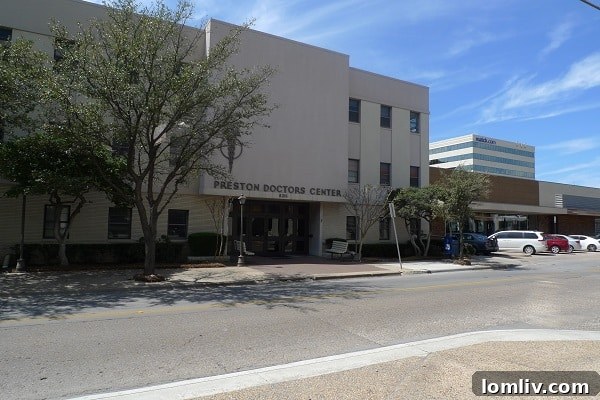
The proposed site for The Highland House is currently occupied by a two-story medical office building, a seemingly unassuming location that Crosland envisions transforming into a beacon of high-end urban living. This project represents a bold step for Preston Center, an area known for its unique blend of commercial vitality and residential charm. The scale of the proposed development—a striking 29 stories—stands in stark contrast to the current zoning regulations, which cap building heights in Preston Center at a maximum of nine stories. This significant deviation necessitates a crucial re-zoning application, which has already been filed with the City of Dallas. The Plan Commission is slated to hear this pivotal case on April 17th, a date that has quickly become a focal point for both proponents and opponents of the development.
The development of The Highland House is not merely about constructing a building; it’s about shaping the future landscape and character of one of Dallas’s most sought-after neighborhoods. Developers often highlight the economic benefits and modern amenities such projects bring, while residents frequently voice concerns about maintaining community integrity and managing growth. This particular proposal encapsulates the ongoing dialogue between progress and preservation in rapidly developing urban areas.
Community Concerns and the Battle for Preston Center’s Future
The announcement of The Highland House has inevitably sparked considerable debate among local residents. Many Preston Hollow homeowners, already engaged in the discourse surrounding the Transwestern deal, only recently became aware of this new high-rise proposal. The immediate reaction has been a mix of surprise and apprehension, particularly from residents in neighboring University Park, whose concerns often center on the potential strain on local infrastructure and services.
Impact on University Park Schools: A Major Point of Contention
Perhaps the most significant concern raised by the community revolves around the potential impact on the University Park school system. University Park schools are renowned for their quality but are concurrently struggling with burgeoning enrollment figures. The prospect of a new luxury apartment complex, even one marketed to a specific demographic, raises fears of exacerbating an already challenging situation. A concerned University Park resident articulated these anxieties in a letter to developer Luke Crosland:
“Increased enrollment (in UP) has been a huge factor. There are lots of things contributing to this and the last thing we need is a new high rise in our district. I understand that families with children are not your target market; however, there likely will be some families with children living there. The district is already going to need to use portable buildings to accommodate current growth, and this will only add to the problem.”
This sentiment highlights a critical challenge for developers: even if a project targets specific demographics, the reality of urban living often means a more diverse resident population, including families with children. The perceived inability of the school district to absorb additional students without compromising educational quality or relying on temporary solutions like portable classrooms underscores the deep-seated worry within the community.
Traffic, Congestion, and Parking: Straining Local Infrastructure
Beyond school enrollment, residents are acutely aware of the existing traffic and congestion issues in Preston Center. The introduction of a 29-story building, with potentially hundreds of new residents, inevitably raises alarms about worsening these problems. While the developer has indicated that the first five floors of The Highland House will be dedicated to parking, questions remain about how this will alleviate, or merely manage, the increased traffic flow and demand for street parking in an already bustling area. The daily commutes, weekend activities, and service vehicle movements associated with a large residential tower are expected to significantly impact local roads and intersections, leading to longer delays and increased frustration for current residents.
Preserving Neighborhood Character and Quality of Life
For many, the debate over The Highland House also touches on the aesthetic and cultural fabric of Preston Center. A 29-story building could fundamentally alter the area’s visual appeal and established residential character. Residents express concerns about shadows cast by the towering structure, increased noise levels, and the general feeling of overcrowding. The perceived encroachment of high-density development into an area traditionally defined by a more moderate scale is a recurring theme in community discussions, echoing broader anxieties about unchecked urbanization and its potential to erode local quality of life.
Developer’s Perspective: Targeting the “Lock and Leave” Lifestyle
Luke Crosland, the developer behind The Highland House, offers a distinct vision for the project, specifically designed to address some of the community’s primary concerns, particularly regarding school impact. Crosland envisions The Highland House as a haven for a very particular demographic: high-income, retired residents and empty nesters who embrace a “lock and leave” lifestyle. This lifestyle, characterized by seasonal travel and secondary residences, suggests a demographic less likely to have children residing permanently in the apartments and thus, a minimal impact on local schools.
The developer’s detailed marketing strategy emphasizes this demographic:
“The Highland House project is not only going to be marketed to empty nesters, the entire concept and amenity package is designed primarily to appeal to older, active individuals and couples, primarily those downsizing from large homes in the Park Cities and Preston Hollow that wish to remain in the neighborhood they have known for many years. The large units, very high rents, fewer bedrooms and high levels of personal service included in the project make it more attractive to those wishing to escape the issues and cost of maintaining a large, underutilized home. The apartment concept is also ideal for those looking for a “lock and leave” lifestyle, spending several months a year at other homes in other locations, which is generally a childless demographic.”
This approach attempts to frame The Highland House as a bespoke solution for a specific market segment, offering luxury, convenience, and freedom from the responsibilities of maintaining large single-family homes. The promise of “high levels of personal service” and exclusive amenities is intended to attract those who seek a sophisticated, hassle-free urban living experience within their familiar neighborhood context. For this demographic, Preston Center’s walkability, access to high-end retail, and fine dining options are significant drawcards, making it an ideal location for their “downsized” yet luxurious lifestyle.
The Political and Community Landscape
The proposed development has swiftly captured the attention of local political figures and community leaders. A crucial meeting was recently convened at The Athena, bringing together City Councilwoman Jennifer Gates, her plan commission representative Margot Murphy, former Texas State Representative Steven D. Wolens (husband of Laura Miller), Laura Miller herself, and approximately 30 interested homeowners. These discussions underscore the gravity with which the community views this proposal and the concerted effort to understand its implications.
Residents who attended the meeting have indicated that the April 17th Plan Commission hearing is likely to be postponed. Such postponements are common in complex re-zoning cases, allowing more time for stakeholders to gather information, present arguments, and potentially negotiate. However, the initial date served as a rallying point, galvanizing community opposition and prompting swift action from neighborhood associations and concerned citizens. The involvement of prominent figures like Laura Miller and Steven D. Wolens, known for their engagement in local politics and community advocacy, signals the high stakes involved in this development battle.
The ongoing dialogue about The Highland House is part of a broader pattern of development pressures faced by desirable urban neighborhoods. As cities like Dallas continue to grow, the tension between accommodating new residents and preserving the existing character of communities becomes increasingly pronounced. The outcome of the re-zoning application for The Highland House will not only determine the fate of this specific project but could also set a significant precedent for future high-rise developments in Preston Center and similar upscale Dallas neighborhoods.
What Lies Ahead for Preston Center?
The coming months will be critical for The Highland House proposal. The expected postponement of the Plan Commission hearing grants more time for both the developer and community groups to refine their positions and strategies. Residents are expected to continue their organized efforts, presenting comprehensive arguments regarding infrastructure strain, school impact, and neighborhood character. Meanwhile, Luke Crosland and his team will likely double down on their efforts to demonstrate the project’s economic benefits and its targeted appeal to a demographic that they argue will have minimal negative impact.
The re-zoning process in Dallas is intricate, involving multiple layers of review, public hearings, and ultimately, a vote by the City Council. The discussions surrounding The Highland House will undoubtedly be robust, reflecting the passionate interests of all parties involved. This development saga is a microcosm of the larger challenges facing Dallas as it navigates growth, sustainability, and the desires of its diverse communities.
For those invested in the future of Preston Center, remaining informed and engaged will be paramount as this story unfolds. More information and potentially revised plans are anticipated in the coming weeks and months. Stay tuned for further updates on this pivotal development that could reshape one of Dallas’s most iconic districts.