The Dallas City Council convened on a recent Wednesday, poised to authorize significant financial expenditures at Dallas Love Field, totaling approximately half a million dollars. While crucial infrastructure projects were on the agenda, one particular item faced deferral to April 12th, drawing further attention to the council’s ongoing silence regarding a persistent and mounting crisis: the “unbearable” noise complaints voiced by nearby residents for over a year. This continuous oversight by elected officials has sparked frustration and concern among communities living in the shadow of one of the nation’s busiest urban airports.
In a move aimed at enhancing the airport’s operational efficiency and safety, the city council successfully approved a substantial $248,921 contract with Urban Engineers Inc. This vital agreement is set to fund comprehensive engineering services for essential parking lot pavement, grading, and drainage improvements. These upgrades are designed not only to correct existing deficiencies that have impacted passenger experience and airport functionality but also to ensure robust infrastructure for future growth. The contract further includes provisions for the critical bid phase and subsequent construction administration services, signaling a commitment to thorough execution and oversight of these necessary enhancements at Dallas Love Field.
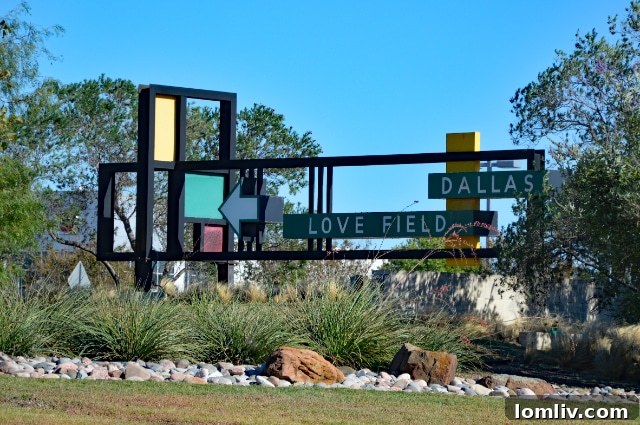
However, another significant proposed expenditure, a $249,000 architectural services contract intended for the design and bid phase services of the new Airport Emergency Operation Center (EOC), encountered an unexpected delay. Deputy City Manager Kim Tolbert clarified that the deferral was due to the need for meticulous review and refinement of the contract language. “In consultation with the city attorney’s office, we wanted to make sure we could complete that before the city council takes action,” Tolbert stated. This postponement underscores the city’s commitment to due diligence, particularly for a facility as critical as an EOC, which serves as the central command for managing airport-wide emergencies and ensuring public safety.
For the numerous residents residing in communities surrounding Dallas Love Field, the council meeting brought little solace. Many had arrived with the hopeful expectation of finally hearing a meaningful dialogue from their elected representatives concerning the pervasive and disruptive aircraft noise that has plagued their neighborhoods. Despite their anticipation and the growing volume of their complaints, the issue remained conspicuously absent from the council’s public discussion, leaving residents feeling unheard and their concerns unaddressed.
Unbearable Noise Levels at Love Field: A Community in Distress
The relentless issue of Dallas Love Field airport noise has become a central point of contention for thousands of residents. Kerri Lacher, a long-time resident of the Briarwood neighborhood, vividly recounts how the tranquility of her community vanished. She explains that the constant roar of aircraft became an unwelcome “new normal” when construction commenced on the Denton Runway in early 2021. This necessary airport expansion project necessitated a complete shift, directing 100 percent of air traffic onto the Lemmon Avenue Runway. While the Denton Runway construction was completed in June 2022, Lacher laments that the noise levels never receded to their pre-construction quiet. Instead, they intensified, transforming once peaceful hours into a perpetual soundscape of jet engines.
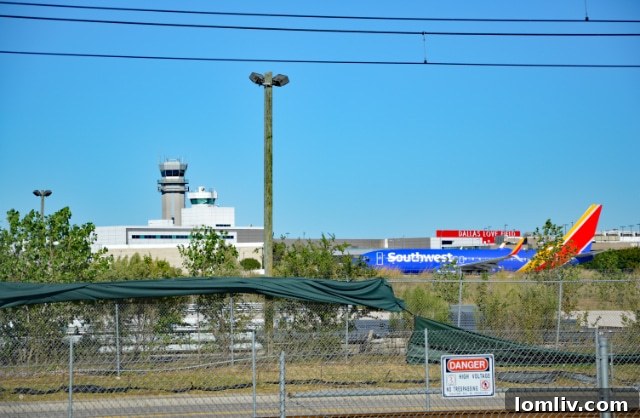
“Now it’s nonstop noise all day and into the night,” she shared, painting a stark picture of her daily struggle. The constant auditory assault has forced Lacher to adopt extreme measures simply to find rest. “I wear silicone earbuds in my ears to sleep if I go to bed prior to 11 p.m. and want to sleep past 6 a.m. when aircraft noise begins again every day.” Her testimony underscores the severe impact on personal well-being and the pervasive disruption to basic human needs like sleep.
Lacher’s experience is far from isolated. Residents across several affected neighborhoods, including Bluffview, Love Field West, Elm Thicket, and Highland Park, echo her sentiments. They report that the incessant noise pollution has rendered once-simple activities incredibly difficult, if not impossible. Working from home, a common practice for many, is now a constant battle against disruptive sounds. Hosting guests has become an embarrassing ordeal, often punctuated by the roaring overhead. The psychological toll is significant, with some residents feeling so overwhelmed by the persistent disturbance that they are seriously contemplating the drastic step of relocating from homes they cherished, seeking a peace that has been stolen from their current abodes. This widespread distress highlights a serious decline in the quality of life for communities near Dallas Love Field.

To quantify the extent of the problem, Lacher conducted an informal yet revealing survey among approximately 100 of her neighbors. The results painted a grim picture: a striking 61 percent of respondents reported a significant increase in airplane noise over the past three years. The survey further pinpointed the most egregious period of disturbance, identifying the hours between 6 and 10 a.m. as the noisiest time of day. This data provides concrete evidence of a worsening situation, offering a compelling argument for official intervention and investigation into the sources and remedies for the intensified airport noise.
Despite the growing public outcry and daltxrealestate.com’s in-depth investigation into the matter last October, there has been a notable and concerning silence from Dallas Love Field’s administration. This lack of official acknowledgment or a clear plan of action has only served to deepen residents’ frustration and sense of abandonment. The situation was further complicated by a change in leadership; Mark Duebner, the former director of aviation, quietly retired from his position in November. His departure left a void that was filled by Patrick Carreno, who assumed the role in an interim capacity. When approached for an interview by daltxrealestate.com last month, Carreno, through a spokeswoman, declined, stating that an interview would only be granted once a permanent director was officially named. This reluctance to engage with the media and the public during a period of intense community concern has been perceived by many as a further barrier to transparency and accountability, exacerbating the sense of neglect among affected residents.
Redistricting, Lease Renewals, and the Electoral Impact on Love Field
As the ongoing Love Field noise complaints continue to escalate, Dallas city officials are gearing up for a critical period of review and strategic planning. Key on their agenda is the examination of existing lease agreements with various aircraft carriers, a process that becomes particularly urgent given that the current contracts are set to expire in 2028. This upcoming negotiation presents a pivotal opportunity for the city to reassess the optimal use of space at the city-owned airport, located just six miles north of downtown Dallas. It also offers a chance to integrate community concerns, especially those related to noise and environmental impact, into future operational parameters and contractual obligations, ensuring that commercial growth aligns with residential well-being.
Adding another layer of complexity to the situation is the implementation of a new redistricting map, which officially takes effect on May 6th. This significant electoral boundary shift means that several neighborhoods directly impacted by Love Field’s operations will transition from being represented by the District 13 council member to falling under the purview of the District 6 council member. This shift holds profound implications for residents seeking political redress, as they must now adapt their advocacy efforts and build relationships with new representatives to ensure their concerns about airport noise and other issues remain at the forefront of the city council’s agenda. The change in representation could either revitalize or complicate their long-standing battle for quieter skies.
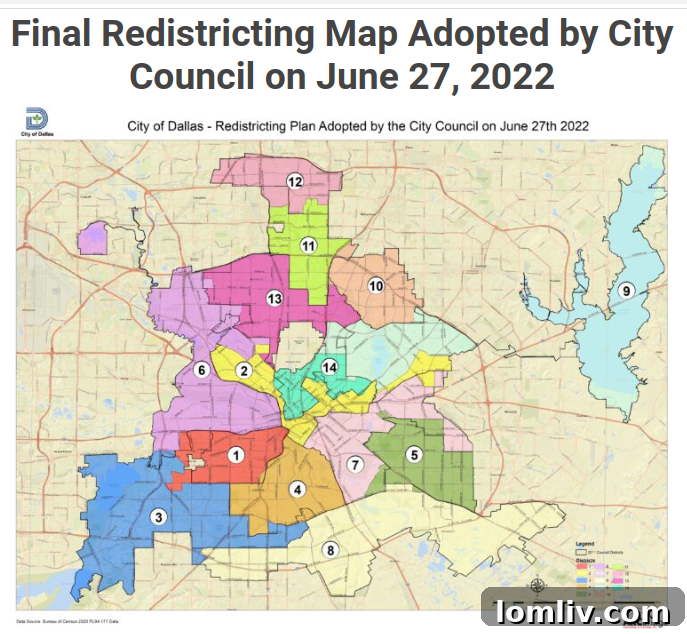
Recognizing the strategic importance of this redistricting, Kerri Lacher, a leading voice in the community’s fight against airport noise, has already taken proactive steps. She began regularly attending meetings of a dedicated Love Field citizens’ action committee, demonstrating the organized and persistent nature of the community’s advocacy. Crucially, Lacher has also directly reached out to District 6 Councilman Omar Narvaez. Her engagement with Councilman Narvaez is particularly strategic, as he not only represents the newly encompassing district but also holds the influential position of chairing the council’s Transportation Committee, making him a pivotal figure in shaping airport policy and addressing transportation-related community concerns. This direct engagement signifies the community’s determination to make their voices heard by the new, relevant authorities.
The timing of these community efforts also coincides with the upcoming May election, which adds another layer of political intensity. Councilman Narvaez is facing a competitive challenge from several candidates, including Tony Carrillo, Sidney Robles Martinez, and Monica R. Alonzo. This electoral context elevates the importance of addressing community grievances like airport noise, as candidates are often more responsive to voter concerns during campaign season. Residents are keenly observing how each candidate addresses the Love Field noise issue, potentially making it a key determinant in how they cast their votes.
The dedicated residents, led by Lacher, have diligently conducted their homework, arming themselves with critical information to challenge airport operations. A primary concern they are raising pertains to whether airlines holding lease agreements at Love Field are honoring their long-standing commitment to refrain from flying internationally, a stipulation established by the 2006 Wright Amendment Reform Act. This legislation, which significantly altered Love Field’s operational scope, was designed to balance regional access with the needs of the larger DFW international airport. Any breach of this agreement would not only violate a federal mandate but could also signal a systemic disregard for established regulations.
Furthermore, residents have meticulously documented instances of planes landing after 11 p.m., which Lacher asserts constitutes a clear violation of the existing lease agreements. These late-night operations are particularly disruptive, robbing residents of essential sleep and peace during hours typically designated for quiet. Such infringements erode trust between the airport, the city, and the affected communities. To support her claims, Lacher has utilized public access tracking systems like Flight Tracker, which provides irrefutable evidence of the types and schedules of aircraft passing over her neighborhood.
“While these infractions don’t explain all the increased noise, it makes me wonder what else is going on,” Lacher wrote in a detailed email to Councilman Narvaez, hinting at potentially broader operational shifts or lax oversight. Her Flight Tracker data revealed a concerning trend: “I have used a public access tracking system called Flight Tracker to identify aircraft noise and have noticed it is not only Southwest aircraft that I hear. There are all kinds of aircraft other than Southwest that fly over my neighborhood. Sometimes it’s big cargo-type aircraft that fly in the wee hours.” The presence of non-Southwest and large cargo aircraft, especially during late-night hours, points to a potential increase in overall air traffic volume and diversity, which could significantly contribute to the heightened noise levels experienced by residents, suggesting a more complex issue than initially perceived.
In her compelling summation, Lacher emphasized a crucial balance: “The whole city benefits from easy access to a local airport, but the council should work with leaseholders to mitigate noise and infringement on the quality of life of the nearby neighborhoods.” She articulated the sentiment that while the convenience and economic advantages of Love Field are undeniable for the wider Dallas community, these benefits should not come at the severe expense of the well-being of its immediate neighbors. Lacher passionately argued for a more dynamic and responsive approach to airport management:
“The original agreements that support the airport should be modified more than every 30 years to ensure commercial profits don’t steamroll over neighborhoods, air quality, noise control, and other human-focused considerations,” she stated, highlighting the necessity for modernizing existing contracts to reflect contemporary urban living challenges and environmental concerns. She concluded with an unequivocal call to action, reflecting the collective resolve of the community: “The city council will have to do something about the complaints from the neighborhood, because there are a lot of complaints.” This powerful statement underscores the growing momentum and unified voice of residents, signaling that the issue of Love Field airport noise has reached a critical point where continued inaction is no longer a viable option for Dallas’s elected officials.