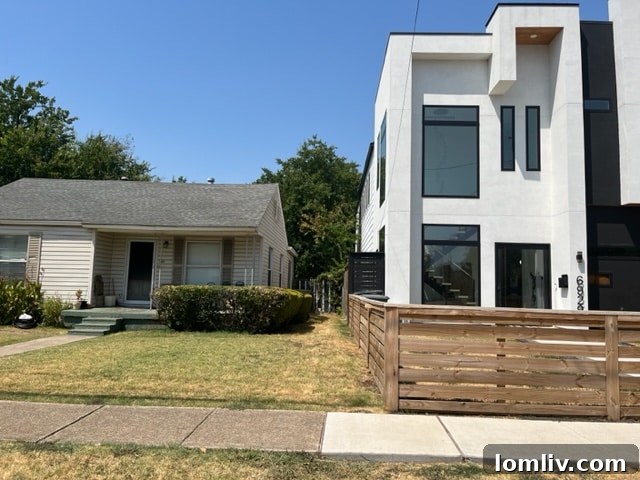
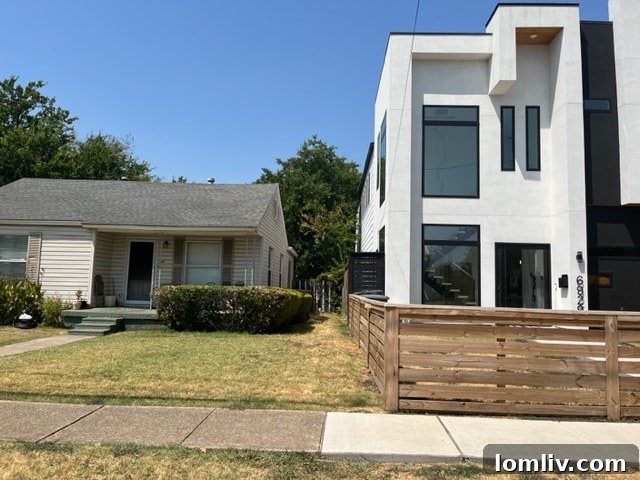
The city of Austin recently embarked on a significant urban planning shift, making headlines across Texas by agreeing to permit the development of up to three housing units on most lots previously zoned exclusively for single-family homes. This groundbreaking decision, which simultaneously reduces the minimum lot size required for residential dwellings, has ignited a fervent debate. Its ramifications are keenly observed by housing advocates, elected officials, and homeowners in neighboring cities like Dallas, where similar discussions are gaining momentum. The move aims to address pressing housing affordability challenges, yet it raises complex questions about neighborhood character, infrastructure, and environmental justice.
Proponents argue that increasing housing density is a vital strategy to combat Dallas’s escalating affordability crisis and provide more accessible homes for a diverse population. This approach, often referred to as “missing middle housing,” seeks to bridge the gap between detached single-family homes and large apartment complexes. However, a significant number of residents and officials express deep concerns. They fear that such changes could fundamentally alter the fabric of established single-family neighborhoods, potentially creating a host of new issues ranging from environmental impact and strained drainage systems to sanitation challenges and severe parking shortages. The core of the debate lies in balancing the urgent need for more affordable housing with preserving existing community values and infrastructure integrity.
Austin’s Bold Move and The Ensuing Community Opposition
Austin’s City Council meeting on December 7th served as a microcosm of the statewide debate, with over 500 residents stepping forward to voice their opinions. According to Joshua Fechter of the Texas Tribune, approximately 300 of these individuals staunchly opposed the proposal to allow more homes on single-family lots, highlighting deep-seated anxieties about the future of their communities. Despite this significant opposition, the Austin City Council ultimately voted 9-2 in favor of the measure.
Fechter reported that the council’s decision allows “homebuilders to put up to three housing units, such as duplexes and triplexes, on almost any lot in the city where single-family homes are currently allowed.” This strategic move is specifically designed to bolster the city’s housing supply, particularly for middle-income households, which have increasingly struggled to find affordable options in Austin’s competitive real estate market. The initiative, known as the HOME (Home Options for Middle-income Expansion) program, represents a significant policy shift aimed at fostering greater housing diversity and accessibility within the city’s existing footprint.
The ripple effect of Austin’s decision was immediately felt in Dallas. On November 8th, Dallas City Councilman Chad West formally filed a memo urging local discussion and debate on the critical issue of minimum lot sizes. Recognizing the profound implications for Dallas’s future development, Mayor Eric Johnson swiftly referred the matter to the council’s Housing and Homelessness Solutions (HHS) Committee, which is adeptly chaired by District 2 Councilman Jesse Moreno. This referral underscored the seriousness with which city leadership views the impending policy discussions and the potential for transformative change within Dallas’s housing landscape.
Following this referral, Councilman Moreno announced via a formal memorandum that the HHS Committee would convene a special-called meeting on December 19th at 9 a.m. The agenda for this crucial meeting was set to include a comprehensive “discussion of expanding housing development options with potential regulations for two- to four-unit housing and minimum residential lot size.” This announcement signaled that Dallas was poised to engage in its own rigorous examination of density, affordability, and the future of its residential zoning policies, with Austin’s recent actions serving as a provocative blueprint.
The Argument Against Reduced Minimum Lot Size: Preserving Neighborhood Integrity
Opposition to significant changes in minimum lot sizes and single-family zoning is rooted in a variety of concerns, often centered on the desire to preserve existing neighborhood character and address potential strains on urban infrastructure. A particularly impactful dramatized video, which gained considerable traction last week, starkly detailed the potential negative impacts of Austin’s decision. This video brought to the forefront environmental and property rights concerns that have long been voiced by Austin residents, encapsulating fears about increased traffic, reduced green space, and diminished quality of life.
The video quickly amassed over 4,000 views after District 12 Councilwoman Cara Mendelsohn shared the link in her newsletter to constituents. Its rapid spread indicated a significant level of public apprehension regarding these policy changes. Although the original video was temporarily set to private, it was later republished with certain information redacted, suggesting the sensitivity surrounding the debate. This episode highlighted the powerful role of media and community engagement in shaping public discourse on urban development policies.
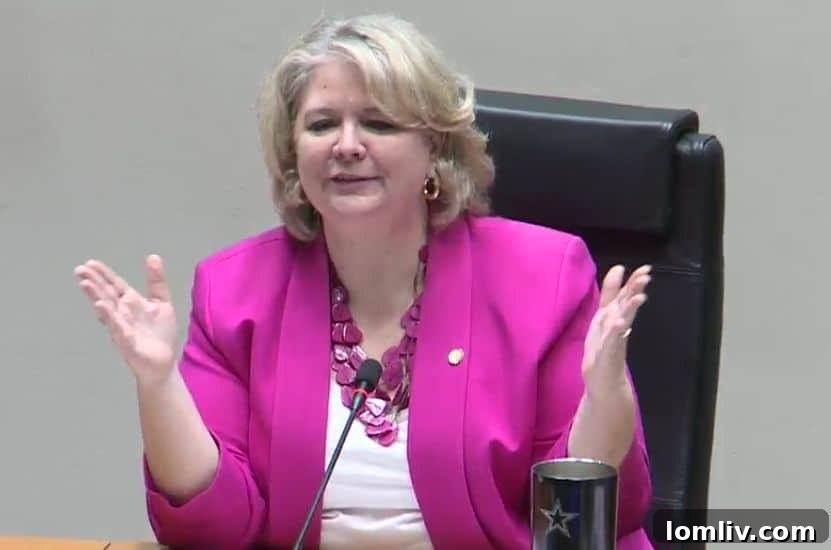
Councilwoman Mendelsohn has been a vocal opponent of applying these broad changes to existing neighborhoods, advocating instead for a more targeted approach. “I support reduced lot sizes for new developments, but not changing the development rules in existing neighborhoods,” Mendelsohn conveyed to daltxrealestate.com. She emphasized that homeowners already possess a mechanism to add accessory dwelling units (ADUs) or other structures through the Board of Adjustment process. This process, she argues, provides a crucial layer of oversight, ensuring that any new construction respects the concerns of adjacent neighbors and maintains a degree of contextual harmony.
In her D12 newsletter, Mendelsohn further elaborated on her concerns, characterizing the Dallas discussion on minimum lot size as a “scheme to remove single-family zoning.” She warned that such a move could open the floodgates for short-term rentals in all residential areas, allow the proliferation of ADUs without proper oversight, and ultimately transform traditional single-family properties into multifamily units or several smaller homes. This, she argues, would bypass the careful consideration currently afforded by the Board of Adjustment process, which she maintains effectively mitigates harm to adjacent properties by evaluating each case individually.
Mendelsohn underscored the potential for widespread negative consequences if these changes were implemented across the board “by right,” meaning without individual review. “To allow it by right would essentially eliminate single-family zoning and bring a series of issues that haven’t been explored or evaluated,” she stated. Her list of concerns included critical urban infrastructure challenges: “lot coverage issues, drainage issues, on-street parking problems, water delivery issues, sanitation challenges, boarding home/group home challenges, and more.” These issues, she argues, demand thorough study and planning before any sweeping policy changes are enacted, highlighting the complex interplay between land use, infrastructure, and community well-being in Dallas.
Reducing Minimum Lot Size For Affordable Housing: A Path to Equity
On the other side of this critical housing debate, District 1 Councilman Chad West has emerged as a leading voice advocating for significant reforms to Dallas’s zoning codes. Last month, West filed a compelling five-signature memo, requesting a detailed staff briefing on the subject of minimum lot sizes. His initiative is rooted in the urgent recognition that Dallas’s current housing market is increasingly unaffordable for a large segment of its population, stifling economic mobility and contributing to social inequity.
“Housing in the City of Dallas is becoming unaffordable for many would-be residents due to a lack of available housing units,” West articulated in an email to daltxrealestate.com. He firmly believes that “reducing minimum lot sizes and increasing the number of residential dwelling units allowed on a lot will allow for the development of additional dwelling units in residentially zoned areas.” The primary objective of his requested briefing is to meticulously examine “what the process would be for amending the construction codes and the Dallas Development Code to allow for the construction of additional dwelling units.” This proactive approach seeks to identify viable pathways for increasing housing supply and making homeownership or quality rental options more attainable for Dallas residents.
West’s advocacy has been met with enthusiastic support from housing advocates across the city, who point to stark statistics illustrating Dallas’s critical housing deficit. A recent report by the Child Poverty Action Lab (CPAL) revealed a staggering housing gap of over 33,600 units between what is currently available to renters and the actual demand. Furthermore, Lisa Neergaard, Assistant Director of buildingcommunityWORKSHOP, highlighted an additional 16,000-home deficit specifically in affordable single-family homes. These figures underscore the severity of the crisis and the urgent need for innovative policy solutions. Ashley Flores, CPAL Senior Director, acknowledged during a November meeting that while plenty of housing technically exists in Dallas, its prohibitive cost renders it inaccessible to many, transforming an issue of supply into one of profound affordability.
Groups like the Dallas Housing Coalition and Dallas Neighbors for Housing have consistently championed the idea that increasing housing supply through strategic zoning reforms is essential. Last week, these advocates brought their concerns directly to City Hall, making a final, impassioned push for $200 million in housing funds to be allocated in the crucial 2024 bond election. Their efforts are aimed at securing financial resources to complement policy changes, ensuring a holistic approach to tackling the housing crisis. Adam Lamont, a local teacher and a prominent leader within Dallas Neighbors for Housing, frequently hears from City Council members about their desire for diverse, livable, and mixed-income communities. However, he cautions that “those communities do not just happen.” He asserts that “there has to be a real, intentional investment” to create such environments, poignantly questioning where his students in North Dallas, many from moderate-income families, could possibly afford to live without dedicated affordable housing initiatives.
The debate extends beyond council chambers and into public discourse. In response to a Dallas Morning News column by Dallas Cothrum, which provocatively asked, “Is Dallas ready for multifamily everywhere?”, Nathaniel Barrett, a member of the Zoning Ordinance Advisory Committee, offered a pointed retort. “The short answer is Dallas was ready 100 years ago but we’ll settle for today,” Barrett quipped, implying that Dallas has long been overdue for such progressive housing policies. He further criticized Cothrum’s piece, stating, “The long answer is that this cynical piece fails to conduct any cost/benefit analysis, identify useful alternatives, or consider anything but gut feelings on the politics of housing reform.” Barrett’s comments underscore the frustration among advocates who believe the debate often lacks a data-driven approach and instead succumbs to emotional arguments against necessary change.
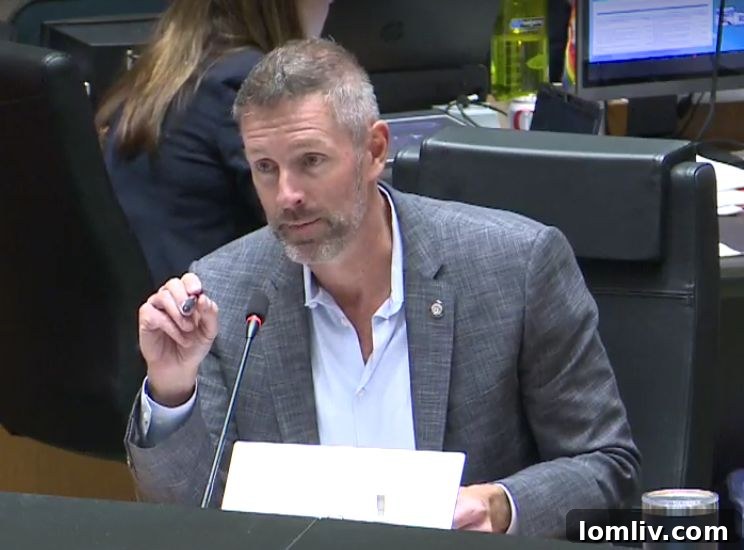
Councilman West unequivocally states that the current status quo in Dallas is unsustainable, particularly “when too many of our hardest-working residents are priced out of the American dream of homeownership.” He sees the proposed policy reforms as a direct means to address this systemic issue. “Simply put, this policy would make it easier to build housing that meets the needs and incomes of middle-class Dallasites,” West informed daltxrealestate.com. Drawing parallels to other successful urban centers, he highlighted Austin’s recent stride: “Just last week Austin took a major step forward in implementing lot size reform through the HOME initiative, a policy that has worked in cities like Houston and Minneapolis in taming their affordability crisis.” For West, the path forward is clear: “If Dallas cares about tackling gentrification and displacement, we must open up the opportunity for more moderate-sized lots,” thereby creating a more equitable and accessible housing market for all residents.
Does Dallas Want to Be Like Austin? A Comparison of Urban Planning Strategies
The conversation around minimum lot size in Dallas is inherently tied to the progressive actions taken by its neighbor, Austin. Earlier this year, preceding the comprehensive HOME initiative, the City of Austin had already approved a measure to reduce the residential minimum lot size to a more compact 2,500 square feet. This earlier step was specifically designed to facilitate the construction of smaller housing units and promote greater residential density, setting a precedent for more intensive land use within its urban core. These incremental changes by Austin serve as a potent case study for Dallas as it navigates its own path toward addressing housing shortages.
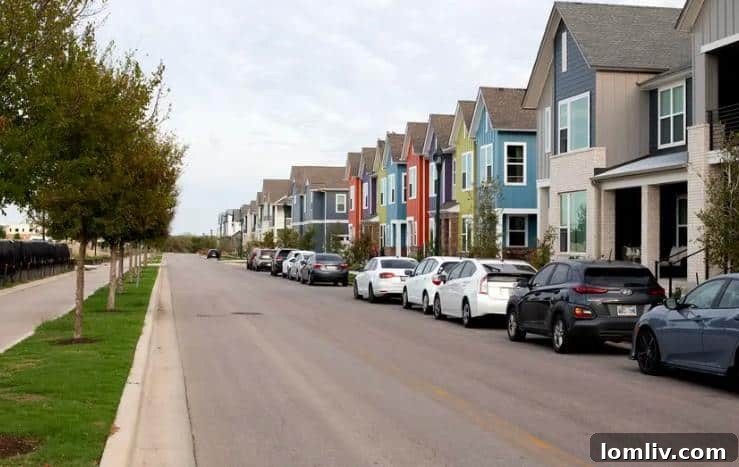
In stark contrast to Austin’s proactive stance, the minimum lot size for residential use in Dallas generally hovers between 5,000 to 7,500 square feet, a considerably larger footprint. This variation largely depends on the specific base zoning established for different areas across the city. The disparity in current zoning regulations highlights the significant policy gap between the two major Texas cities and underscores the magnitude of the changes being contemplated in Dallas. Councilman Chad West has openly expressed his interest in considering Austin’s revised code as a potential model for Dallas, recognizing its potential benefits in terms of housing supply and affordability. However, he maintains that Dallas should adapt, not blindly adopt, every aspect of Austin’s plan, emphasizing the need for a tailored approach.
Austin’s comprehensive resolution also took steps to legalize “by right” homes on every eligible lot and, critically, exempted duplexes up to quadplexes from the often costly and administratively burdensome requirement of submitting extensive site plans. This streamlining of the development process is a key feature aimed at accelerating housing construction. West articulated the core benefit of such policies in an op-ed column published in the Dallas Morning News in July: “At its core, this allows for the construction of ‘missing middle housing,’ or accessory dwelling units, duplexes, quadplexes, and row houses.” This term refers to multi-unit housing types that are compatible in scale and form with single-family homes but offer a wider range of housing choices. West expressed his desire for Dallas to initiate a similar process, albeit with two significant amendments to Austin’s plan. The first is a technical adjustment: “adjusting the minimum lot size to 1,500 square feet, as it is in Houston,” a city renowned for its comparatively permissive zoning environment. This would allow for even greater density and potentially more affordable entry points into the housing market.
The second amendment proposed by West is described as “values-based,” reflecting a commitment to thoughtful urban development. He suggests only permitting the construction of missing middle housing on “infill plots where a house does not currently exist.” This targeted approach aims to increase density responsibly, leveraging underutilized land parcels without immediately disrupting existing residential structures or long-established neighborhood aesthetics. Such a strategy seeks to balance the imperative for more housing with a respect for community preservation. However, Councilwoman Mendelsohn presents a counter-argument, highlighting Dallas’s unique urban development characteristics. “Unlike Austin, Dallas has 40 percent of its land undeveloped, which is roughly the size of Atlanta, Georgia,” she points out. This substantial land availability, she argues, negates the need for aggressive densification in established areas. “We don’t need to start stacking people on top of others to grow the city,” Mendelsohn asserts, advocating for development strategies that prioritize utilizing vacant land over altering existing single-family neighborhoods.
Mendelsohn offers an alternative set of solutions to address Dallas’s affordable housing needs, as detailed in a newsletter to her constituents. Her plan focuses on a multi-pronged approach that emphasizes strategic development and economic incentives:
- **Focus on a master plan to develop Southern Dallas:** This would provide clarity and certainty to developers, guiding focused strategic investment of city resources into areas with significant growth potential.
- **Lower property taxes:** Reducing the financial burden on homeowners and developers could make housing more affordable and incentivize new construction.
- **Provide incentives and partnership in the development we want to see:** This involves offering targeted support for projects that align with the city’s vision for sustainable and affordable growth.
- **Fix our zoning and permitting offices:** Streamlining bureaucratic processes would make it easier and more attractive for developers to build in Dallas, reducing delays and associated costs.
The convergence of these diverse perspectives underscores the complexity of Dallas’s housing challenge. The upcoming discussions within the Housing and Homelessness Solutions Committee are therefore critical, as they will shape the city’s urban planning trajectory for years to come. An agenda for the Dec. 19 meeting of the Housing and Homelessness Solutions Committee had not yet been posted, but the conversation promised to be a defining moment for Dallas’s future housing policy.