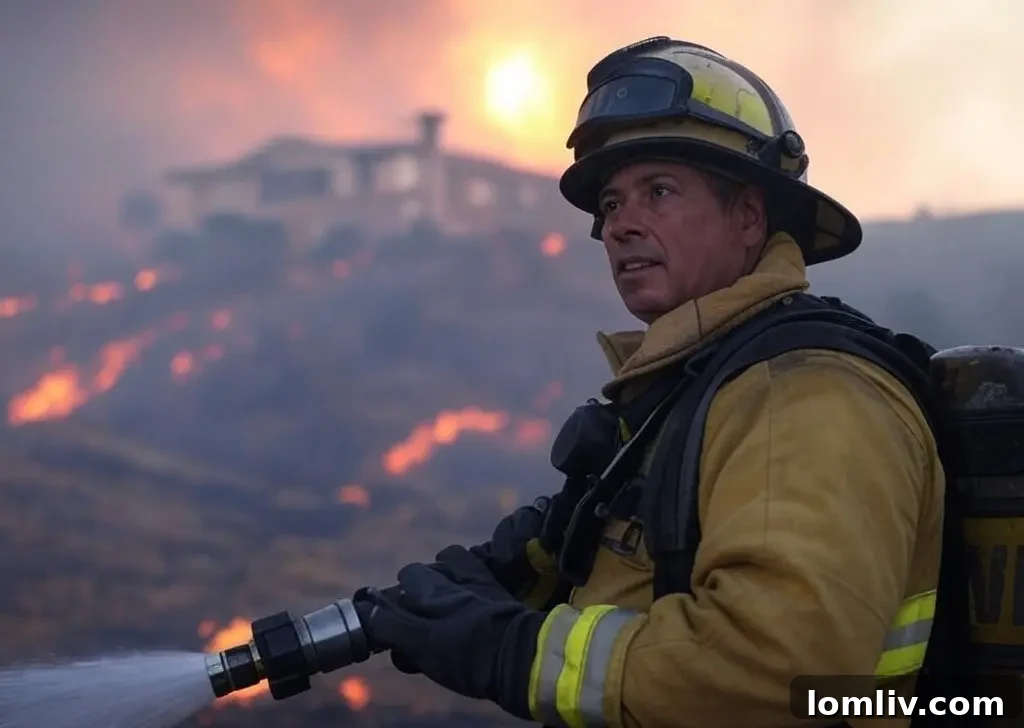
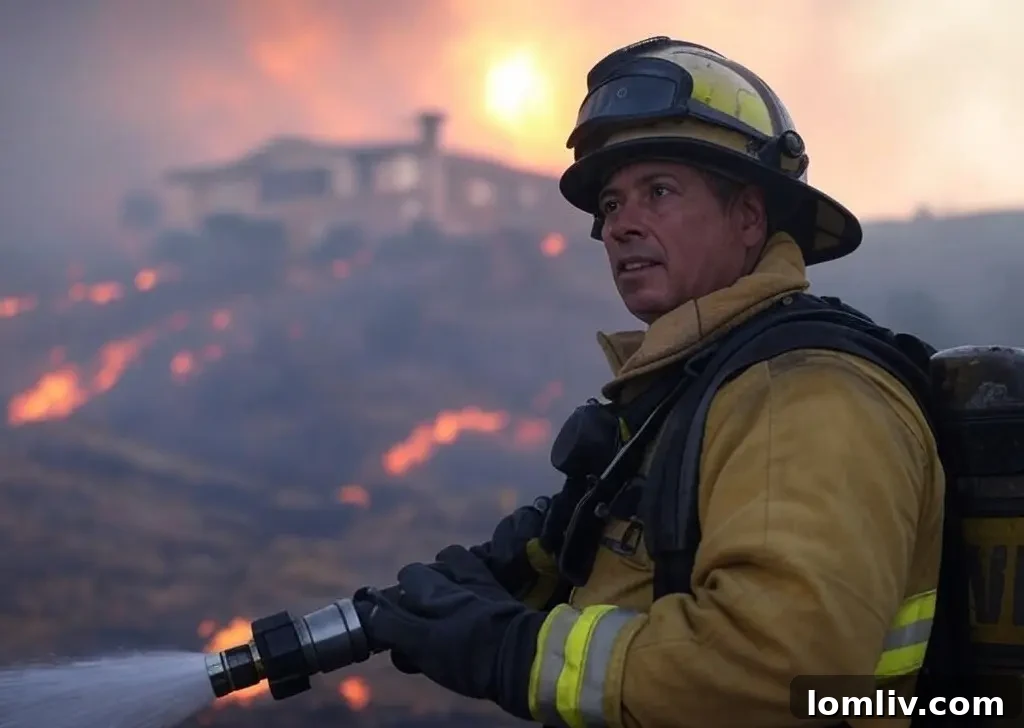
The early days of January 2025 witnessed a catastrophic event unfold along the affluent coastal stretches of Los Angeles, as a series of devastating wildfires erupted, quickly becoming one of the most destructive natural disasters in the city’s recent memory. Igniting on January 7, with initial reports pinpointing the start around 10:30 a.m. local time on a Tuesday, these infernos were supercharged by the notorious Santa Ana winds. These powerful, dry gusts, sweeping down from the mountains towards the Southern California coast, acted as a relentless accelerant, pushing flames with terrifying speed and intensity across vast swathes of land.
California’s landscape, particularly its urban-wildland interface, is notoriously prone to wildfires. However, the ferocity and timing of the January 2025 blazes, striking in what is typically a cooler season, underscored a concerning trend of increasing wildfire risk. The fires not only threatened upscale communities but also served as a stark reminder of the fragile balance between human development and the untamed power of nature, especially when exacerbated by extreme weather patterns.
The following video clip captures a time-lapse visualization, powerfully illustrating the rapid and relentless progression of these wildfires as they spread across different parts of Los Angeles County, consuming everything in their path.
The immediate aftermath was grim. The Palisades Fire alone scorched more than 23,700 acres in and around the Pacific Palisades area, a scenic region typically admired for its natural beauty and luxury homes. Concurrently, the Eaton Fire, raging near Pasadena, consumed an additional 14,117 acres, adding to the regional devastation. By January 13, the human toll was heartbreaking, with at least 24 lives tragically lost. The material losses were equally staggering, as over 12,000 buildings sustained damage, many of them completely destroyed, leaving behind a landscape of charred ruins and shattered dreams.
The widespread evacuations affected thousands of residents, forcing them to flee their homes with little warning, uncertain of what they would return to, if anything. Beyond the immediate destruction, the thick wildfire smoke blanketed the entire region, turning into a severe public health crisis. Air quality plummeted to hazardous levels, leading to widespread respiratory issues and exacerbating pre-existing health conditions for countless individuals. Economically, the impact was monumental; preliminary estimates placed the cost of property destruction in the tens of billions of dollars, a figure that only begins to account for the long-term rebuilding efforts, business interruptions, and emotional distress endured by the affected communities.
The precise cause of these devastating fires remained unknown, with investigators diligently working to uncover the ignition point and circumstances. However, the contributing factors that escalated these blazes into an unprecedented catastrophe were abundantly clear. The aforementioned Santa Ana winds, gusting at speeds up to 80 mph, effectively turned embers into firestorms and made containment efforts incredibly challenging. Coupled with exceptionally hot temperatures and critically low humidity levels, the environment was a tinderbox, making the fires notoriously difficult to control and allowing them to spread with alarming speed across diverse terrains, from dry brush to dense residential areas. The confluence of these extreme weather conditions created a perfect, perilous storm, underscoring the escalating vulnerability of California to such catastrophic events.
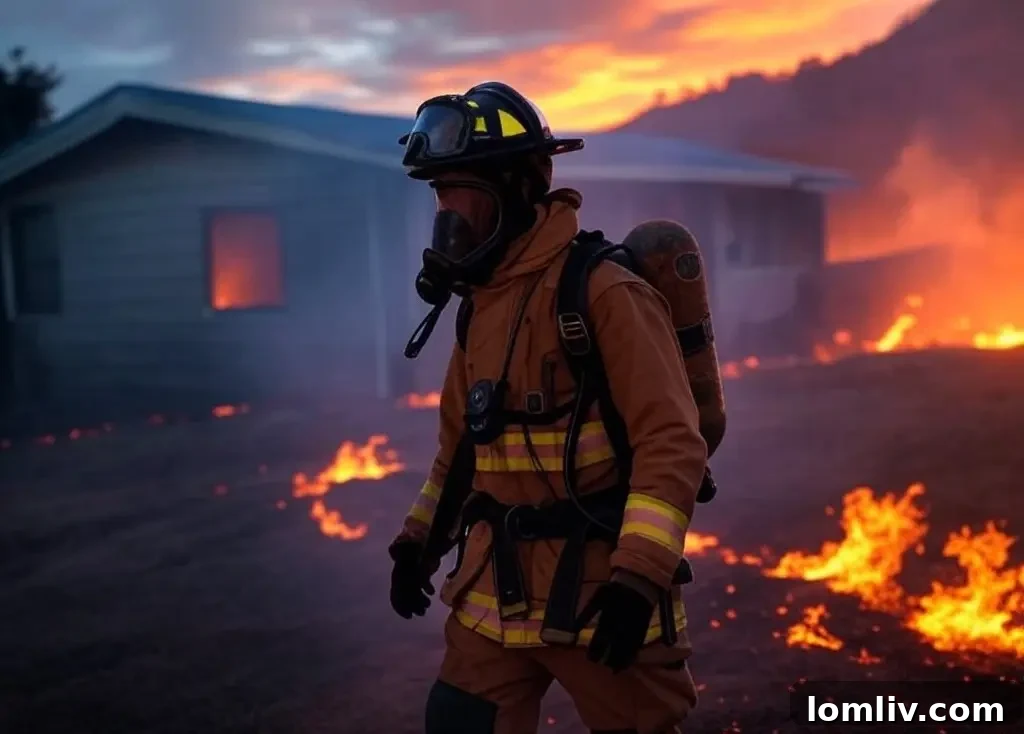
Fortifying Dallas Against Wildfire Disasters
Watching the harrowing scenes of destruction unfold in California serves as a critical wake-up call for cities across the nation, including Dallas, Texas. While geographically distinct, Dallas shares vulnerabilities, particularly during its hot, dry summer months and periods of drought. It is imperative for Dallas to proactively learn from the LA experience and implement robust strategies to minimize its own wildfire risks. The goal is to build a resilient community capable of preventing similar disasters. Here are comprehensive strategies Dallas can adopt to safeguard itself from the threat of wildfires:
- Raising Public Awareness and Education: A well-informed public is the first line of defense against wildfires. Residents need to fully understand the inherent risks and common causes of wildfires, many of which stem from human activity. Educational campaigns should focus on basic fire safety practices, emphasizing the importance of creating and maintaining a “defensible space” around homes. This includes guidelines on proper disposal of hot ashes, responsible use of outdoor power equipment that can cause sparks, and strict prohibitions against burning trash or using fireworks during dry weather conditions. Communities should be empowered with knowledge on fire-resistant landscaping and materials.
- Proactive Land and Vegetation Management: Dallas must prioritize a robust program for controlling and reducing combustible vegetation, especially in the urban-wildland interface and along critical infrastructure like roads and power lines. Dry vegetation acts as potent fuel for wildfires, allowing them to spread rapidly. Regular trimming of trees, brush, and grasses, alongside strategic fuel reduction projects such as prescribed burns (conducted under controlled conditions by experts), can create fire breaks and significantly diminish the intensity and spread of potential fires. This ongoing maintenance is crucial for breaking the continuity of fuel sources.
- Implementing and Enforcing Stringent Drought Regulations: During periods of drought, the risk of wildfires escalates dramatically. Dallas needs to establish and rigorously enforce tighter regulations during the dry season. This includes banning open burning in all fire-prone areas, restricting the use of certain outdoor equipment (e.g., grinders, welders) during high-risk times, and implementing public alerts for elevated fire danger. These regulations should be clearly communicated to the public, with visible signage and consistent enforcement to ensure compliance and cultivate a culture of caution.
- Upgrading Firefighting Infrastructure and Early Warning Systems: Investing in modern infrastructure is paramount. This involves ensuring an adequate number of functional fire hydrants with sufficient water pressure across all neighborhoods, particularly in newer developments and high-risk zones. Crucially, Dallas should develop a sophisticated early-warning system utilizing cutting-edge technology. This includes integrating high-definition surveillance cameras, thermal imaging, satellite monitoring, and drone technology to survey high-risk areas in real-time. These advanced tools can help detect small fires at their nascent stages, allowing for rapid deployment of resources before they escalate into uncontrollable conflagrations.
- Comprehensive Training and Community Preparedness: The effectiveness of emergency response hinges on continuous training and preparation. Firefighters and emergency personnel should undergo regular, advanced training exercises covering wildfire suppression tactics, incident command systems, and inter-agency coordination. Beyond professional responders, fostering community involvement is vital. This can be achieved through volunteer programs like Community Emergency Response Teams (CERT) and conducting regular public emergency drills. These drills, focusing on clear evacuation routes, assembly points, and personal preparedness kits, ensure that every resident knows precisely what steps to take during a wildfire emergency.
- Promoting Citizen Vigilance and Reporting: Every individual plays a critical role in preventing wildfires. Dallas should actively encourage a culture of citizen vigilance. If residents observe any suspicious activity, such as unauthorized burning, unattended campfires, or individuals igniting fireworks near dry vegetation, they must be empowered to report it immediately to the authorities. Public information campaigns can clarify the difference between emergency and non-emergency reporting channels, ensuring that critical information reaches the right hands swiftly. Collective responsibility and watchful eyes can significantly aid in preventing potential ignition sources.
- Proactive Weather Monitoring and Risk Assessment: Extreme weather conditions, as vividly demonstrated in Los Angeles, are often the primary catalysts for large-scale wildfires. Dallas experiences its own unique set of weather-related risks, including prolonged periods of intense heat, strong dry winds (similar in effect to Santa Ana winds, though different in origin), and critically low humidity. It is essential for both residents and local authorities to continuously monitor meteorological forecasts, especially during fire season. This includes tracking drought indices, wind speeds, and relative humidity. Utilizing predictive fire behavior models based on these weather patterns allows for pre-emptive actions, such as imposing burn bans or pre-positioning firefighting assets in high-risk zones when conditions are ripe for a fire.
Ultimately, achieving true fire safety and resilience is not solely dependent on advanced technology or stringent regulations; it requires a holistic, collaborative effort from the entire community. Residents, local government, emergency services, and environmental organizations must work in concert to recognize warning signs, understand inherent risks, and take proactive measures to protect both lives and the environment. The wildfires in Los Angeles serve as an unequivocal wake-up call for every city situated in a vulnerable region, and Dallas is no exception. By staying alert, advocating for sound policies, investing in innovative technology, and fostering a deep sense of collective responsibility, Dallas can build a formidable defense against wildfire disasters and secure a safer future for all its inhabitants.