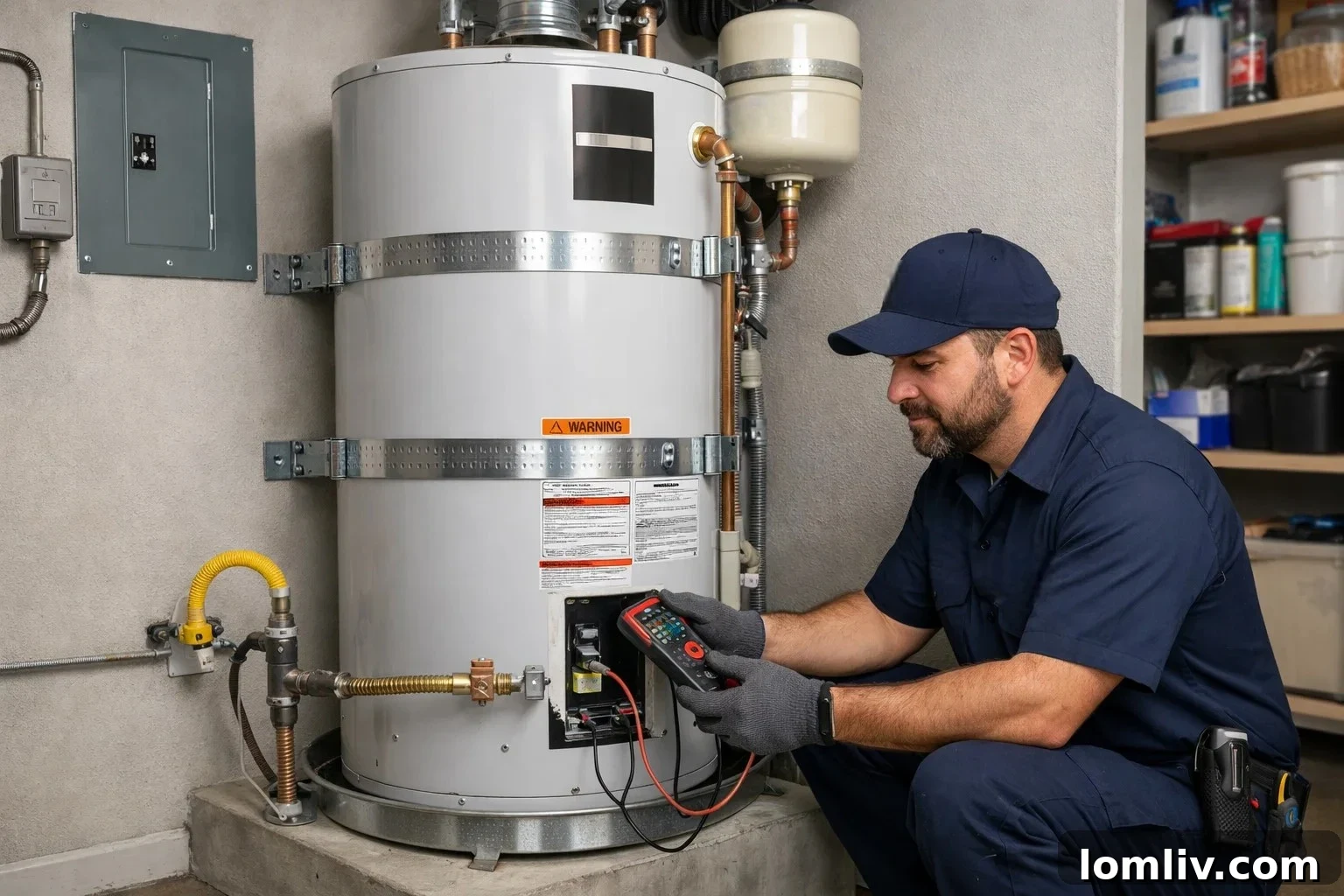
In the expansive and diverse landscape of Los Angeles, from the bustling heart of Downtown LA to the serene residential neighborhoods of the Valley and the vibrant multi-family communities of Koreatown, a consistent supply of hot water transcends mere convenience—it is a fundamental necessity. Water heaters operate tirelessly throughout the year, serving as one of the most hardworking systems within any property, whether it’s a single-family residence, a sprawling apartment complex, or a high-demand commercial establishment. When these critical systems inevitably fail, the repercussions are immediate and disruptive. Cold showers become an unwelcome reality for residents, tenants voice their dissatisfaction, businesses face significant drops in productivity, and the financial burden of emergency repair services can escalate rapidly.
Navigating the complexities of water heater installation in Los Angeles requires far more than a basic understanding of plumbing. Property owners and managers must contend with a dynamic array of factors that profoundly impact project costs, overall complexity, and crucial long-term planning. These factors include stringent local building codes, unique seismic regulations designed for earthquake safety, fluctuating labor rates typical of a major metropolitan area, evolving energy efficiency standards, and ongoing shifts in fuel sources. By adopting a proactive approach and planning for potential upgrades or replacements well in advance of a complete system breakdown, property owners can significantly minimize unexpected issues, gain greater control over expenses, and ensure uninterrupted hot water service for their residents and patrons.
The Indispensable Role of Reliable Hot Water in Los Angeles Properties
While Los Angeles is renowned for its mild climate and rarely experiences the severe winters common in other regions of the United States, the demand for hot water remains consistently high, year-round. This constant need is driven by daily routines that are essential to modern living and commerce. From routine morning showers and dishwashing to frequent laundry cycles, the critical demands of sanitation in various settings, and the intensive operations of commercial kitchens, dependable hot water performance is non-negotiable. Unlike heating and air conditioning systems that experience seasonal fluctuations in usage, water heaters are in continuous operation, day in and day out, making their reliability paramount to the comfort and functionality of any property in the city.

The impact of hot water reliability is particularly pronounced in multi-family housing, where it directly influences tenant satisfaction and retention rates. A malfunctioning water heater in a single-family home is undoubtedly an inconvenience, but in a duplex, apartment building, or condominium complex, a system failure can quickly escalate into a significant blow to a property’s reputation. More critically, it can even lead to legal complications if basic habitability standards are compromised. Tenants expect and deserve consistent hot water, and its absence can lead to complaints, lease non-renewals, and even legal action in extreme cases.
For a wide array of commercial properties throughout Los Angeles, including bustling restaurants, sophisticated salons, modern gyms, and essential medical offices, any period of water heater downtime translates directly into lost revenue. A restaurant cannot operate efficiently without hot water for sanitation, a salon’s services are severely limited, and medical facilities rely on it for sterilization. This direct link between reliable hot water and business profitability underscores why proactive maintenance, timely water heater repair in Los Angeles, and professional installation are not just good practices but critical investments in this highly competitive and demanding market.
Common Water Heater Problems Faced by Los Angeles Property Owners
Water heater repair services in Los Angeles frequently address a core set of recurring issues. Gaining a comprehensive understanding of these common problems empowers property owners to better anticipate potential costs, implement preventative measures, and prevent minor malfunctions from escalating into costly, major system failures. Being aware of these indicators can save significant time and money in the long run.
- Sediment Buildup.
Southern California’s water supply, while safe, is often characterized by its mineral content, particularly hardness. Over time, these minerals accumulate inside traditional tank water heaters, forming layers of sediment at the bottom of the tank. This buildup significantly reduces the system’s energy efficiency, forcing the unit to work harder to heat the water. Common symptoms include rumbling noises originating from the tank as sediment heats and cools, and in severe cases, it can lead to localized overheating at the tank’s base. If left unaddressed, sediment buildup accelerates internal corrosion, drastically shortening the overall lifespan of the water heater and potentially leading to premature tank failure. Regular flushing is crucial to mitigate this issue. - Heating Element or Thermostat Failure.
Electric water heaters commonly experience issues with their heating elements burning out or thermostats malfunctioning. These components are vital for regulating and producing hot water. Symptoms include no hot water, inconsistent temperatures, or lukewarm water. For gas water heaters, problems often involve the pilot light failing to ignite or stay lit, or issues with the burner assembly not heating water effectively. While these repairs are generally considered straightforward for a qualified technician, accurately diagnosing the root cause is essential to ensure a lasting solution and prevent recurrent problems. - Leaks and Tank Corrosion.
One of the most concerning signs of a failing water heater is visible evidence of rust or leaks. Rust-colored water flowing from taps, puddles forming near the base of the water heater, or visible corrosion on the tank’s exterior often signal internal tank deterioration. Once the structural integrity of the tank itself is compromised due to corrosion, repair is rarely a viable or economical option. In such instances, a complete water heater replacement becomes the most practical and cost-effective solution to prevent extensive water damage and ensure a reliable hot water supply. - Gas Control Valve Issues.
For properties utilizing gas water heaters, a faulty gas control valve can severely disrupt operation. This component is responsible for regulating the gas flow to the burner, ensuring proper ignition and consistent heating. When the valve malfunctions, it can prevent the unit from igniting altogether, or lead to inconsistent water temperatures and frequent shutdowns. While replacing a gas control valve can be a more significant expense compared to other minor repairs, it is still considerably less costly than a full system replacement, especially if the water heater tank itself remains in good condition. - Tankless System Scaling.
Tankless water heaters have surged in popularity across Los Angeles due to their impressive energy efficiency and space-saving design. However, these advanced systems have their own unique maintenance requirements. They are particularly susceptible to mineral buildup (scaling) within their intricate heat exchangers, especially given Southern California’s hard water. Regular descaling—a professional cleaning process using a specialized solution—is absolutely essential to prevent this buildup. Neglecting this vital maintenance can lead to reduced hot water flow, diminished efficiency, and eventually, a complete shutdown of the unit, negating many of the benefits of a tankless system.
Understanding Typical Water Heater Repair Costs in Los Angeles
The cost of water heater repair in Los Angeles is primarily influenced by several key factors: the prevailing local labor rates for skilled plumbers, the cost of necessary replacement parts, and whether specific repairs necessitate obtaining local permits. While exact pricing can fluctuate based on the specific issue and service provider, property owners can generally anticipate the following approximate cost ranges for common repairs:
- Minor repairs, such as the replacement of a faulty thermostat or a burned-out heating element, typically range from $150 to $500.
- Gas control valve replacement, a more complex repair, generally falls within the $300 to $800 range.
- Tankless water heater descaling service, crucial for maintaining efficiency, usually costs between $200 and $400.
- Leak diagnostics and minor plumbing adjustments to address small leaks or connection issues are typically priced from $150 to $350.
- Major internal component repairs, which might involve significant parts or extensive labor, can range from $500 to $1,200 or more, depending on the complexity.
It’s important to note that emergency service calls, repairs conducted after standard business hours, or appointments scheduled on weekends or holidays will invariably incur higher costs due to premium labor rates. Furthermore, many plumbing companies apply a diagnostic fee, which is often credited towards the total cost of the repair if the customer proceeds with the recommended service.
As a practical guideline, when the estimated repair costs for an existing water heater begin to approach 40–50 percent of the cost of investing in a brand new system, many licensed plumbers in Los Angeles will strongly advise replacement. This recommendation is based on the understanding that continued patchwork repairs on an aging unit often prove to be a false economy, leading to recurring problems and higher overall expenses in the long term.
When Water Heater Replacement Becomes the Most Economical Choice
Like all major appliances, water heaters have a finite lifespan. Traditional tank-style systems typically last between 8 to 15 years, with longevity heavily influenced by factors such as routine maintenance, the quality of the local water supply, and usage patterns. Tankless water heaters, while generally more durable, also require consistent professional service to reach their potential lifespan, which can extend beyond 20 years.
Considering a full replacement often makes significant financial and practical sense in several key scenarios:
- Age of the unit: If the water heater is over 10–12 years old, especially for tank models, it is nearing the end of its reliable service life.
- Visible corrosion: Any signs of rust or corrosion on the tank’s exterior, connections, or in the hot water itself indicate internal deterioration, signaling imminent tank failure.
- Frequent repairs: If the unit has required multiple repairs within a relatively short period (e.g., annually), it suggests systemic issues and ongoing, escalating costs.
- Energy inefficiency: Older water heaters are significantly less energy-efficient than modern models. Replacing an inefficient unit can lead to substantial long-term utility bill savings.
- Code compliance issues: If the existing system no longer meets current local building code requirements, especially after a significant renovation or change in regulations, replacement may be necessary for safety and legality.
Delaying replacement when these indicators are present dramatically increases the risk of a catastrophic system failure, which can result in extensive water damage to the property. The cost of repairing such damage, including mold remediation and structural repairs, can easily far exceed the initial investment in a proactive water heater installation. Prioritizing replacement in these situations is a prudent financial decision that protects property value and prevents costly emergencies.
Understanding Water Heater Installation Costs in Los Angeles
The total cost for water heater installation in Los Angeles can vary substantially, influenced by the type of system chosen, the accessibility of the installation site, the existing fuel source (gas or electric), and specific code compliance requirements unique to the region. Homeowners and property managers should be aware of these variables when budgeting for a new installation.
Standard Tank Water Heater Installation
These traditional storage tank systems remain a popular and often more affordable option for many properties. The costs typically include both the unit itself and the professional installation services:
- Equipment and installation combined: $1,500–$3,000+
- Larger capacity or specialty models: For homes or businesses with higher hot water demand, or units with advanced features, costs can range from $2,500–$4,000.
Tankless Water Heater Installation
Known for their energy efficiency and on-demand hot water supply, tankless units represent a higher upfront investment but offer long-term savings and convenience. Installation complexity can also be greater:
- Equipment and installation combined: $2,500–$5,500+
- Additional upgrades: The installation may require significant upgrades to the existing gas line (for gas models) or electrical panel (for electric models) to accommodate the unit’s higher power demands, which can further increase the total cost.
Heat Pump Water Heater Installation
As Los Angeles moves towards more sustainable and electrified solutions, heat pump water heaters (also known as hybrid water heaters) are gaining considerable traction. These highly efficient electric systems extract heat from the ambient air to warm water, offering significant energy savings. Their installation costs are typically:
- Installed cost: $3,000–$6,000+, with the final price depending on the extent of retrofitting required, such as necessary electrical upgrades or drainage modifications for condensate.
It’s crucial to factor in additional incremental expenses such as permit fees (which are almost always required for water heater installations in LA), mandatory seismic strapping for earthquake safety, potential ventilation adjustments, and any other specific code upgrades mandated by local regulations. Los Angeles enforces particularly strict installation standards, especially concerning the proper venting of gas units and comprehensive earthquake safety measures. These requirements, while adding to the upfront cost, are non-negotiable for safe and compliant operation.
Navigating Code Compliance and Seismic Requirements in Los Angeles
Installing or replacing a water heater in Los Angeles involves adhering to a specific set of local regulations and safety mandates that go beyond standard plumbing practices. These additional rules are critical for ensuring the safety and long-term reliability of the system, particularly in an active seismic zone. Property owners must ensure their contractors are fully aware of and compliant with these requirements:
- Seismic strapping: This is a mandatory requirement for all water heaters in Los Angeles. Units must be securely strapped to the wall studs at both the top and bottom to prevent them from tipping over during an earthquake, which could cause gas line ruptures, water leaks, and severe property damage.
- Proper venting and combustion air standards: Gas water heaters require meticulous attention to venting systems to safely expel combustion byproducts. Adequate combustion air must also be ensured to facilitate efficient and safe operation, preventing the buildup of dangerous gases like carbon monoxide.
- Drain pans and expansion tanks: Depending on the installation location (e.g., above a finished ceiling or in an attic) and system type, a drain pan connected to an external drain line may be required to contain any leaks. Additionally, an expansion tank is often mandatory, particularly in closed-loop plumbing systems, to absorb pressure fluctuations caused by heating water and protect the plumbing system.
- Electrical upgrades: For electric water heaters, including heat pump models, existing electrical circuits may need to be upgraded to meet the unit’s power demands. This could involve installing new dedicated circuits or upgrading the electrical panel.
- Permits and inspections: Almost all water heater installations or replacements in Los Angeles require a permit from the local building department. Following installation, a mandatory inspection by a city official ensures that all work complies with the latest codes and safety standards.
Failure to meet these stringent local codes can result in significant fines, complications with property insurance coverage in the event of damage, and potential issues during the resale of the property. Therefore, engaging only licensed, insured, and reputable plumbing contractors who possess extensive experience with Los Angeles’ specific regulations is not just advisable, but absolutely essential in this environment.
Maximizing Energy Efficiency and Optimizing Long-Term Ownership Costs
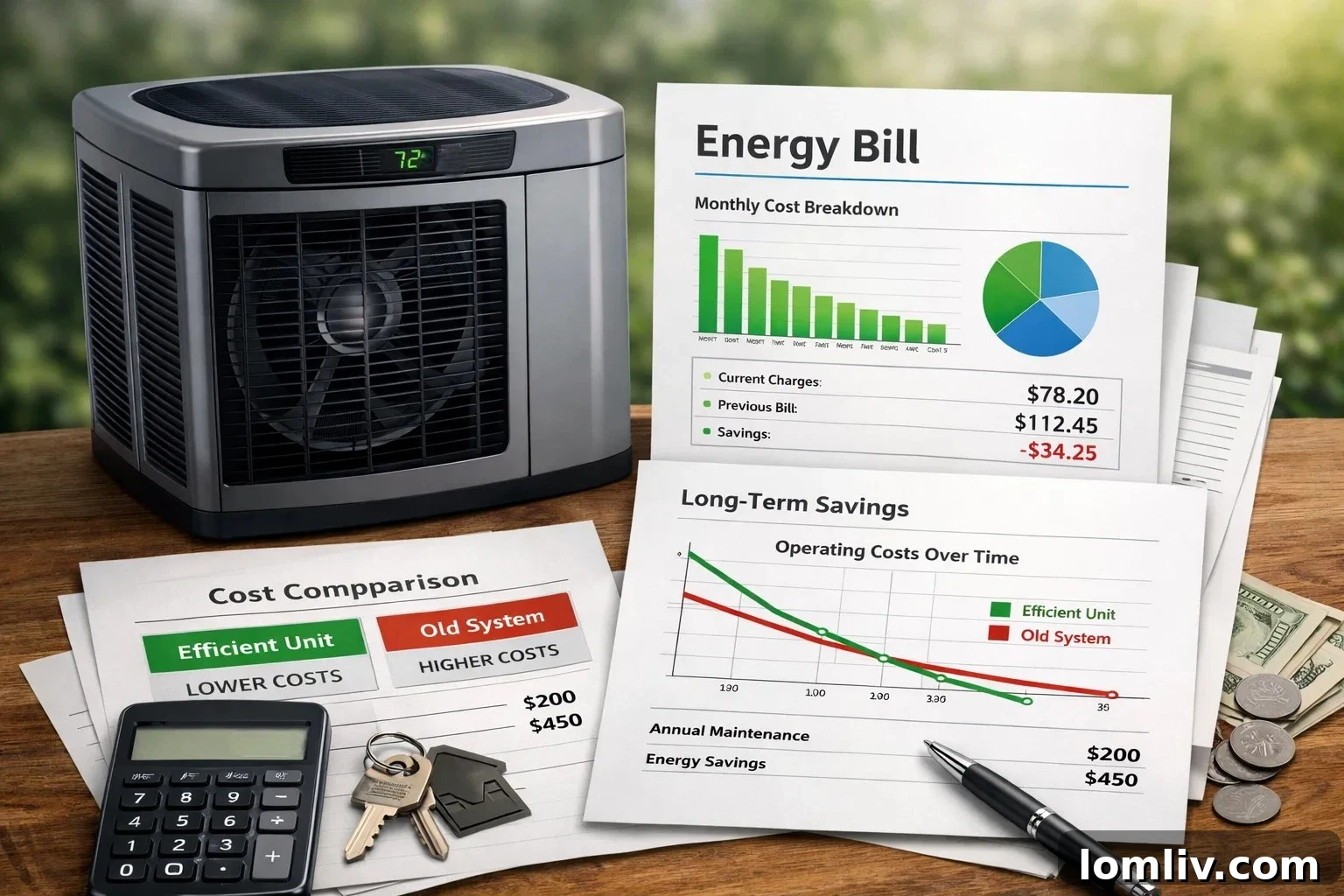
Beyond the immediate upfront installation cost, a critical aspect that should significantly guide decision-making for any property owner in Los Angeles is the long-term cost of ownership. Modern water heaters have undergone remarkable advancements in energy efficiency over the past decade, far surpassing the performance of older models. Investing in a high-efficiency unit can yield substantial savings over its lifespan.
Even a seemingly modest increase in a water heater’s energy efficiency rating can translate into tangible reductions in monthly utility bills. Depending on household size, water usage habits, and fuel type, these savings could range from $20 to $50 per month. Over a five-year period, this accumulates to an impressive $1,200 to $3,000 in potential savings, effectively offsetting a significant portion of the initial installation cost. This perspective shifts the focus from just the purchase price to the total cost of owning and operating the system.
Heat pump water heaters, in particular, stand out for their exceptional energy efficiency. By moving heat rather than generating it directly, they consume considerably less electricity than conventional electric resistance water heaters. However, property owners considering these systems should ensure adequate space and sufficient airflow for optimal operation, as they require ambient air to function effectively. For property owners focused on maximizing long-term property value, reducing operational expenses, and contributing to environmental sustainability, prioritizing energy efficiency over simply the lowest purchase price is a strategic and sound investment.
Implementing a Proactive Preventive Maintenance Plan
A consistent and proactive preventive maintenance plan is the most effective strategy for extending the operational lifespan of any water heater and drastically reducing the frequency of unexpected, costly emergency repairs. Neglecting routine maintenance often leads to accelerated wear and tear, diminished efficiency, and premature system failure. Recommended best practices for water heater upkeep include:
- Annual tank flushing: For traditional tank water heaters, an annual flush helps remove accumulated sediment and mineral deposits from the bottom of the tank. This practice maintains heating efficiency and prevents corrosion.
- Inspection of anode rods: The anode rod, often called the “sacrificial rod,” is designed to corrode before the tank itself. Inspecting and replacing it every 2–3 years (or more frequently in areas with hard water) is crucial for preventing tank corrosion and extending its life.
- Testing the temperature and pressure relief (T&P) valve: This vital safety device should be tested annually to ensure it’s functioning correctly. A properly working T&P valve prevents excessive pressure buildup within the tank, safeguarding against explosions.
- Annual descaling for tankless units: As previously mentioned, tankless water heaters require an annual descaling service to remove mineral buildup from their heat exchangers. This prevents efficiency loss, reduced flow, and system breakdowns.
- Regular monitoring: Property owners should routinely monitor their water heaters for any signs of leaks, visible rust on the exterior, or unusual noises (like banging or rumbling). Early detection of these symptoms can prevent minor issues from escalating into major problems.
A modest annual investment in professional preventive maintenance often serves as an invaluable safeguard, preventing the far higher costs associated with major system failures, emergency repairs, and potential water damage later down the line. It’s an investment in peace of mind and long-term functionality.
Selecting the Right Water Heater Contractor in Los Angeles
Given the inherent complexities and specific regulatory requirements surrounding water heater repair and installation in Los Angeles, the selection of a qualified and trustworthy contractor is absolutely paramount. Property owners must exercise due diligence to ensure they are hiring a professional team that can deliver reliable service while adhering to all local standards. Key qualifications to verify include:
- Active California contractor licensing: Always confirm that the contractor holds an active C-36 Plumbing Contractor license issued by the California Contractors State License Board. This ensures they meet professional standards.
- Proof of insurance: Verify that the contractor carries comprehensive liability insurance and workers’ compensation insurance. This protects the property owner from financial responsibility in case of accidents or damage during the project.
- Experience with local permitting requirements: The chosen contractor should have extensive experience navigating the permitting process and understanding the specific inspection requirements of Los Angeles city and county building departments.
- Familiarity with both gas and electric systems: A versatile contractor should possess expertise in installing and repairing various types of water heaters, including traditional tank, tankless, and heat pump models, regardless of their fuel source.
- Transparent pricing and written estimates: Reputable contractors provide clear, itemized written estimates that detail all costs involved, including labor, parts, and permit fees. Avoid contractors who offer vague pricing or demand upfront cash payments without a detailed agreement.
Be wary of unusually low-cost bids that might signal corners being cut, potentially ignoring critical code compliance standards or proper permitting procedures. Such shortcuts can expose property owners to significant liability, lead to fines, void warranties, and ultimately result in far greater expenses to rectify non-compliant work in the future.
Final Considerations for Water Heater Management in Los Angeles
Approaching water heater repair and installation in Los Angeles is more than just a routine plumbing task; it represents a significant infrastructure decision for any property. With continuously evolving building codes, the city’s increasing focus on electrification policies, the dynamic labor market pricing in a major metropolis, and the ever-present considerations of property value, a thoughtful, strategic, and forward-looking approach is absolutely indispensable.
While reactive repairs may offer immediate relief from short-term discomfort, a truly comprehensive and strategic plan, implemented well in advance of a crisis, is what genuinely protects a property owner’s budget and investment in the long term. Whether the immediate need is to meticulously maintain an aging traditional tank system, to upgrade to the energy-efficient convenience of a tankless water heater, or to transition towards cutting-edge, high-efficiency electric heat pump technology, property owners should consistently view their water heater as a core, high-impact building system rather than a mere appliance.
In a vibrant and demanding city like Los Angeles, where expectations for comfort and functionality are consistently high, and property values represent substantial capital, reliable hot water is not just expected—it is an absolute must-have. Making appropriate and timely investments in professional repair, consistent preventive maintenance, and fully compliant installation safeguards both the immediate comfort of occupants and the long-term capital value of the property itself. Prioritizing these aspects ensures continuous operation and peace of mind for years to come.