Navigating Uncertainty: Apartment Living During Public Health Crises
The emergence of global public health crises, such as the COVID-19 pandemic, has irrevocably transformed the fabric of modern life, deeply impacting how individuals live, work, and interact within their immediate communities. For residents in densely populated areas, particularly those living in apartment complexes and condominiums, these challenges were amplified. The inherent proximity of living units, shared common facilities, and the constant movement of individuals presented a unique landscape for potential virus transmission, necessitating stringent safety measures and transparent communication strategies. This period underscored the critical importance of adaptable property management and swift, accurate information dissemination in safeguarding the well-being of residential communities.
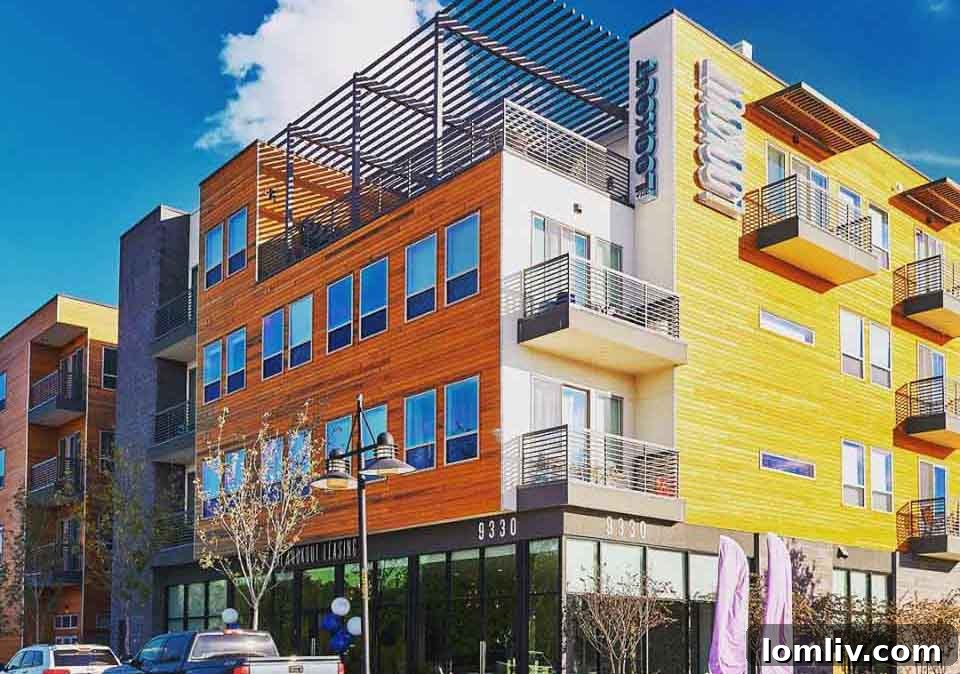
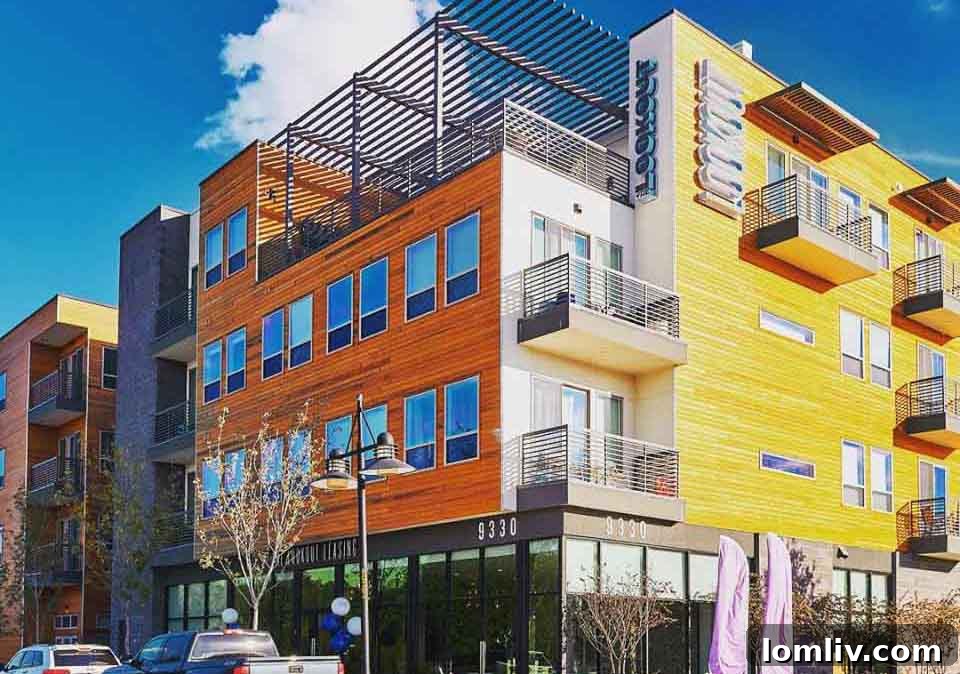
A compelling example of the anxieties and subsequent clarity experienced within such a community unfolded in Lake Highlands, Dallas, centered around The Lookout Apartments. This specific incident offers invaluable insights into the rapid spread of information, the urgent need for factual verification, and the proactive measures implemented by property management to ensure resident safety, even when facing evolving and sometimes contradictory circumstances. It stands as a microcosm of the broader societal adjustments required to navigate an unprecedented health emergency.
The Initial Alarm and Rapid Correction in Lake Highlands
During the nascent stages of the pandemic, communities across the globe were operating under a heightened state of alert, vigilantly watching for any confirmed cases of COVID-19. Information, regardless of its verified status, circulated with extraordinary speed, frequently disseminated through local news outlets, social media, and community forums, thereby triggering understandable apprehension among the public. The Lake Highlands community found itself amidst this information vortex when reports began to surface, notably from sources such as the Lake Highlands Advocate, indicating a confirmed Coronavirus case at The Lookout Apartments, situated within the bustling Lake Highlands Town Center. This initial report, which rapidly gained traction, vividly illustrated the delicate nature of public sentiment and the immediate craving for definitive, factual information during a burgeoning health crisis.
The communication that initially accompanied these reports, signaling a confirmed case, starkly illuminated the new reality confronting numerous apartment and condo residents. Such announcements naturally fueled intensified concern among tenants regarding their personal safety and the potential for rapid community spread within their living environments. The gravity of such a reported development unequivocally demanded immediate action and unequivocally clear guidance from both community leaders and the property management teams responsible for the residential complex.
Initial reports detailed that tenants at The Lookout Apartments received an email from management informing them of a confirmed case of coronavirus within their community. As outlined in that communication, the specific identity of the individual who tested positive—whether a resident, an employee, or a visitor—was not disclosed, which further contributed to the general atmosphere of unease and speculation among residents.
However, the unfolding narrative swiftly took a pivotal turn shortly after these initial reports. The paramount importance of official verification quickly became evident, culminating in a prompt and reassuring update that significantly altered the community’s perception of the situation.
A Swift Correction: Clarity from Councilman Adam McGough
In response to the widespread concern ignited by the preliminary reports, a crucial correction emerged, delivering considerable relief to both The Lookout Apartments community and the wider Lake Highlands vicinity. Dallas City Councilman Adam McGough, a key figure in local governance and community leadership, acted promptly to provide essential clarification. He issued an official statement unequivocally confirming that there was NOT a confirmed case of COVID-19 at The Lookout Apartments. This timely update served as a powerful testament to the critical importance of accurate information dissemination during a public health emergency and underscored the indispensable role of local officials in verifying facts and assuaging public fears.
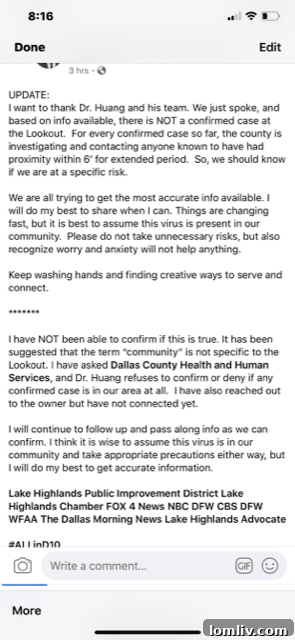
This correctional announcement was far more than a mere retraction; it represented a salient demonstration of responsible leadership and illustrated the inherently dynamic nature of information flow during a rapidly evolving crisis. While the initial, unverified report understandably triggered anxiety, Councilman McGough’s swift clarification played a pivotal role in alleviating widespread fears and refocusing community efforts on general precautionary measures, rather than specific containment strategies for a localized outbreak. It emphatically highlighted the essential need for official channels to meticulously validate information before it gains traction and is accepted as fact, particularly when public health and safety are at stake.
The palpable relief that accompanied Councilman McGough’s updated statement underscored the profound impact that every piece of news related to the pandemic had on communities. It also established a vital precedent for how critical communication should be managed moving forward, placing a strong emphasis on unwavering transparency, meticulous diligence in reporting, and a commitment to providing the most accurate information available to residents.
Property Management Protocols: A Blueprint for Safety and Communication
Despite the eventual correction regarding the initially reported confirmed case, the initial report itself prompted The Lookout Apartments’ management to implement decisive actions, detailing a series of precautionary measures meticulously designed to mitigate potential health risks. These comprehensive steps, meticulously communicated directly to tenants via email, offered a crucial glimpse into the rapidly evolving best practices for effective property management during a widespread pandemic. Even in the absence of an officially confirmed case, these robust protocols quickly became standard operating procedure for numerous residential communities, reflecting a proactive and responsible approach to tenant safety and broader public health.
The management’s detailed communication outlined several key and immediate actions aimed at protecting the community:
“This email is to notify you that we have a confirmed case of COVID-19 at the community. In line with our policy and guidance from the CDC, we will be cleaning the office and all common areas which have recently been closed to mitigate the spread of the virus. We will further limit potential exposure by taking the following precautions:
- We will only perform emergency service requests inside apartments.
- We will discontinue any services that are performed inside apartments such as pest control.
- We ask that if you need something, you email or call the team and do not visit the office in person.
We understand that this announcement will cause concern and we ask that you review the CDC guidelines in keeping yourself and others safe.”
While the initial premise of a “confirmed case” was subsequently debunked, the proactive and comprehensive steps articulated in this communication quickly became a widely adopted blueprint for residential communities grappling with the unprecedented challenges of the pandemic. Each point meticulously addressed critical areas of concern for apartment dwellers, reflecting a deep understanding of public health imperatives:
- Limited In-Apartment Services to Emergencies: This measure significantly reduced potential exposure risks for both residents and maintenance staff. It thoughtfully acknowledged the private nature of individual living units while ensuring that truly essential services remained accessible when absolutely critical.
- Discontinuation of Non-Essential In-Apartment Services: The temporary suspension of routine services like pest control aimed to minimize any unnecessary physical contact within private living spaces, thereby further reducing the overall risk of virus transmission within the complex.
- Emphasis on Digital Communication Channels: Encouraging residents to contact the management team exclusively via email or phone, rather than through in-person office visits, represented a crucial step in maintaining essential social distancing protocols. This strategy effectively minimized foot traffic in communal office areas, safeguarding both staff and residents.
- Adherence to Official CDC Guidelines: Directly guiding residents to authoritative and reliable sources such as the Centers for Disease Control and Prevention (CDC) for official guidelines empowered tenants to actively assume personal responsibility for their health and, by extension, the health of the entire community. This strategic move underscored the indispensable importance of science-backed recommendations in formulating effective public health responses.
These decisive actions by The Lookout Apartments management showcased a clear and commendable understanding of the multifaceted challenges presented by the virus, coupled with a strong commitment to implementing practical and effective solutions. They collectively established a vital standard for how residential communities could adapt with agility to protect their inhabitants, even during periods characterized by profound uncertainty and rapid change.
Lessons Learned: A Blueprint for Community Preparedness and Resilience
The initial period of confusion, followed by the reassuring clarity surrounding the reported COVID-19 case at The Lookout Apartments, provided an invaluable learning experience not just for this specific community but for residential complexes and property management firms across the globe. This incident, despite its swift resolution, effectively underscored several critical areas vital for effective preparedness and robust response strategies during future public health crises or similar emergencies:
- The Imperative of Accurate and Timely Communication: The rapid circulation of unverified information and the subsequent sense of relief brought by an official correction highlight the absolute necessity for property management and local authorities to establish and consistently utilize clear, authoritative channels for communication. Misinformation can rapidly escalate into widespread panic, whereas precise, timely, and verified updates are fundamental to building trust and enabling an effective community-wide response.
- Proactive Implementation of Health Protocols: Even in the eventual absence of a confirmed case, the proactive measures adopted by The Lookout management—including the limitation of non-essential services, enhanced cleaning regimens, and the promotion of digital resident interactions—quickly evolved into essential best practices. It is critical for residential communities to develop and have readily available contingency plans that can be activated swiftly and seamlessly to safeguard the health and safety of both residents and staff.
- Empowering Residents with Reliable Information: Directly guiding residents to credible and official sources of information, such as the CDC, is paramount. This strategic approach not only reinforces adherence to official public health guidance but also serves as a potent tool to combat the rampant spread of rumors and misinformation by providing a common, trusted reference point for all health and safety advice.
- Flexibility and Adaptability in Operations: The capacity to swiftly pivot operational strategies, transitioning from routine maintenance to emergency-only services, and to adapt communication methods is exceptionally important. Modern residential management teams require agile and flexible strategies that can respond effectively to rapidly changing public health advisories, governmental regulations, and shifts in resident sentiment.
This collective experience powerfully demonstrated the need for communities to transcend mere reactivity and instead adopt a truly proactive and forward-thinking approach to public health. By doing so, they can effectively transform potential crises into valuable opportunities for cultivating stronger, safer, and more resilient residential environments that are better equipped to face future challenges.
The Evolving Landscape of Apartment Living in a Post-Pandemic World
Beyond the immediate, localized responses to specific incidents, the COVID-19 pandemic has fundamentally and permanently reshaped the landscape of apartment living and property management on a global scale. The experience at The Lookout Apartments, mirroring countless similar situations worldwide, played a role in a broader, systemic re-evaluation of how multi-family residential properties are conceptualized, meticulously designed, rigorously managed, and ultimately perceived by both current and prospective residents.
Impact on Property Design and Amenity Offerings:
- Enhanced Air Filtration and Ventilation Systems: New construction projects and major renovation initiatives have increasingly prioritized the installation of advanced HVAC systems, focusing on superior air quality, improved circulation, and high-efficiency particulate air (HEPA) filtration.
- Integration of Smart Home Technology for Contactless Interactions: Features such as keyless entry systems, smart thermostats, motion-sensor lighting in common areas, and sophisticated package locker systems have rapidly transitioned from luxury amenities to expected standards, significantly reducing physical touchpoints and promoting hygiene.
- Redesigned Common Areas and Shared Spaces: Communal areas, including fitness centers, resident lounges, and clubhouses, have undergone significant reconfigurations. These redesigns emphasize layouts conducive to effective social distancing, often incorporating increased sanitation stations, clear signage for capacity limits, and updated usage guidelines. Furthermore, accessible and well-maintained outdoor amenity spaces have gained renewed importance as extensions of personal living areas.
Fundamental Changes in Property Management Practices:
- Digitization of Operations: Virtually every aspect of property management has seen a surge in digitization. This includes virtual apartment tours, streamlined online leasing processes, digital work order submissions, and electronic rent payment systems. These contactless operations have become the norm, dramatically reducing the necessity for in-person interactions.
- Heightened Cleaning and Sanitation Protocols: Property managers have made substantial investments in professional cleaning services, particularly for common areas. This involves the frequent application of hospital-grade disinfectants, increased cleaning frequencies, and the implementation of rigorous sanitization schedules for high-touch surfaces.
- Development of Robust Crisis Communication Plans: Comprehensive communication frameworks have been developed and refined to ensure that residents receive timely, accurate, and consistent updates during any health alerts or other emergencies. These plans frequently leverage multiple communication channels, including email newsletters, targeted text alerts, dedicated resident portals, and community-wide announcements.
Evolving Resident Expectations and Community Engagement:
- Heightened Awareness of Health and Safety Standards: Residents now possess a significantly elevated expectation for superior standards of cleanliness, safety protocols, and transparent communication from their property management teams. Health and hygiene have become primary considerations in their living choices.
- Emphasis on Community Support and Connection: During periods of enforced isolation and social distancing, the intrinsic value of community-building initiatives—whether facilitated virtually or through safely distanced in-person events—became profoundly evident. Property managers have increasingly taken on a role in fostering these vital connections among residents.
- Flexibility in Living Arrangements and Unit Design: The widespread adoption of remote work models has profoundly influenced the demand for more spacious residential units or apartments that incorporate dedicated, functional workspaces, leading to significant shifts in rental market preferences and interior design trends.
The collective lessons gleaned from experiences like those in Lake Highlands, and countless others, have undeniably paved the way for the creation of more resilient, health-conscious, and technologically advanced residential communities. Property managers are now far better equipped to effectively navigate and manage future health challenges, not merely by reacting to events, but by strategically integrating preventative measures and proactive solutions into the very core fabric of apartment living and community infrastructure.
Building Resilient Communities for the Future
The arduous journey through the global pandemic unequivocally underscored a fundamental truth: the enduring strength and vitality of any community are inextricably linked to its level of preparedness, the efficacy of its communication strategies, and its collective willingness to adapt and collaborate for the greater good. The initial incident at The Lookout Apartments, though initially a source of considerable anxiety, ultimately served as a profound and timely reminder of these essential principles.
Moving forward, residential communities are consciously striving to evolve beyond being mere collections of individual homes; they are actively transforming into interconnected, dynamic ecosystems where the well-being and safety of every resident are recognized as a shared and paramount responsibility. This transformative evolution necessitates a continuous and strategic investment in robust public health infrastructure within private residential settings, the cultivation of transparent and trusting relationships between management and residents, and an enthusiastic embrace of technological innovations to enhance both safety and operational efficiency.
By consistently prioritizing clear and empathetic communication, strictly adhering to authoritative expert guidance such as the recommendations from the CDC, and actively fostering a pervasive culture of mutual respect and collective responsibility, communities like Lake Highlands can not only emerge stronger but also become significantly more resilient in the face of future uncertainties. The invaluable experience of adapting to unprecedented challenges has not only equipped us with practical and effective strategies but has also powerfully reinforced the timeless and enduring value of community spirit and collective action in successfully navigating an ever-evolving and unpredictable future.