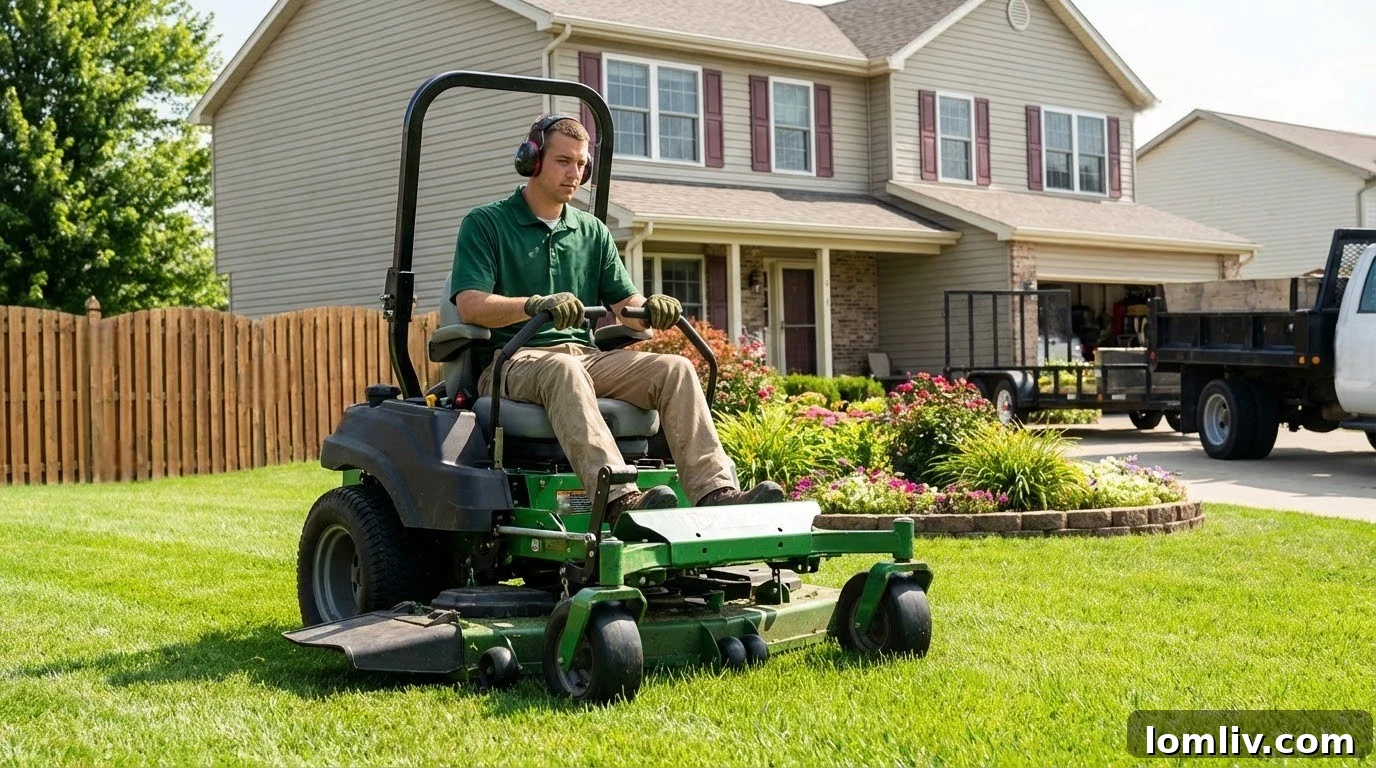
It’s a familiar Saturday morning ritual: you roll out the mower, perform a few determined passes across your lawn, perhaps miss a tricky strip near the fence and loop back for it, then declare the job done. The grass is shorter, the mower is put away, and life resumes its pace. But what if that seemingly simple act of mowing held the key to unlocking a significantly healthier, more vibrant lawn? It turns out, how you mow matters immensely. A handful of strategic adjustments can transform a struggling patch of green into a lush, thriving masterpiece. This comprehensive guide will walk you through the essential techniques and insights to achieve precisely that, ensuring your lawn doesn’t just look cut, but looks cared for, becoming the envy of the neighborhood.
Choose the Right Mower for Optimal Lawn Health
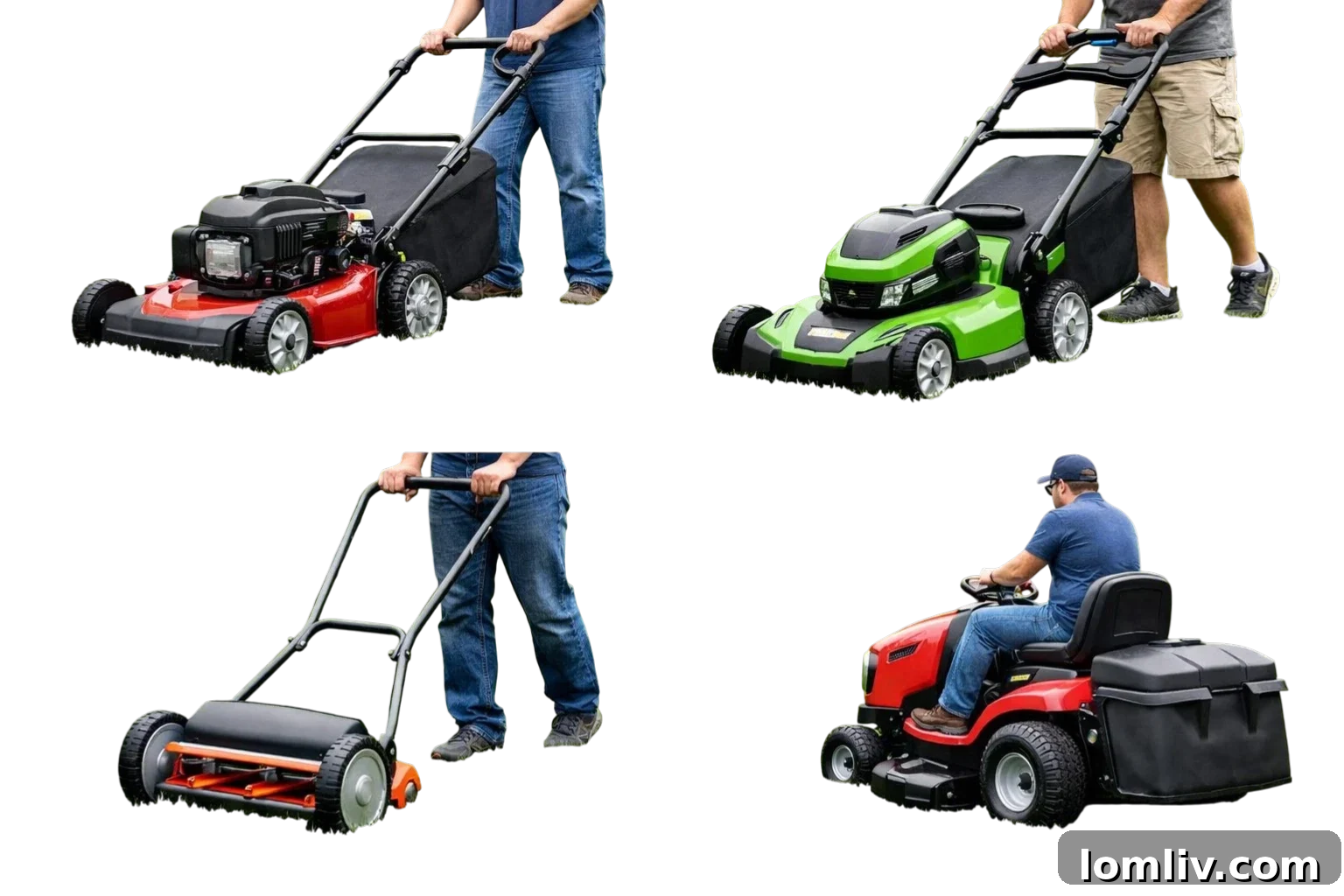
Before diving into advanced lawn care techniques, the foundational step is ensuring you possess the appropriate equipment. Using an overly powerful rotary mower on a quaint urban garden is akin to using a sledgehammer to hang a picture frame – while technically functional, the outcome is often less than ideal, potentially causing more harm than good to your delicate grass blades and surrounding landscape. Selecting the correct mower type is crucial for efficiency, effectiveness, and ultimately, the health of your turf.
For smaller, more manicured lawns, a reel mower is often the superior choice. Its scissor-like cutting action provides an exceptionally clean, precise cut that minimizes stress on the grass blades. This results in quicker healing, a greener appearance, and a reduced susceptibility to disease. Reel mowers are also excellent for achieving that classic, finely striped look, particularly beneficial for cool-season grasses. They are quieter, emission-free (manual versions), and offer a fantastic workout.
If you’re managing a larger property with more expansive lawns or uneven terrain, a robust rotary mower is typically more suitable. Rotary mowers excel at covering significant ground rapidly and are more forgiving on varied surfaces, easily handling slight bumps or dips without compromising performance. Modern rotary mowers come with a range of features, including self-propelled options, various deck sizes, and mulching capabilities, making them versatile tools for diverse lawn care needs.
For environmentally conscious homeowners, the landscape of electric and battery-powered mowers has evolved dramatically. These eco-friendly alternatives now offer impressive power and extended run times, rivaling their gasoline counterparts. They are significantly quieter, produce zero emissions, and require less maintenance, eliminating the need for fuel storage and oil changes. Opting for an electric or battery mower means you can tackle your lawn without the noisy disruption, allowing you to enjoy your Sunday morning mowing ritual without drawing disapproving glances from your neighbors through their curtains. Investing in the right mower is an investment in your lawn’s future and your personal mowing experience, ensuring every cut contributes positively to your yard’s vitality.
Keep Your Mower Blades Razor Sharp for Superior Cuts
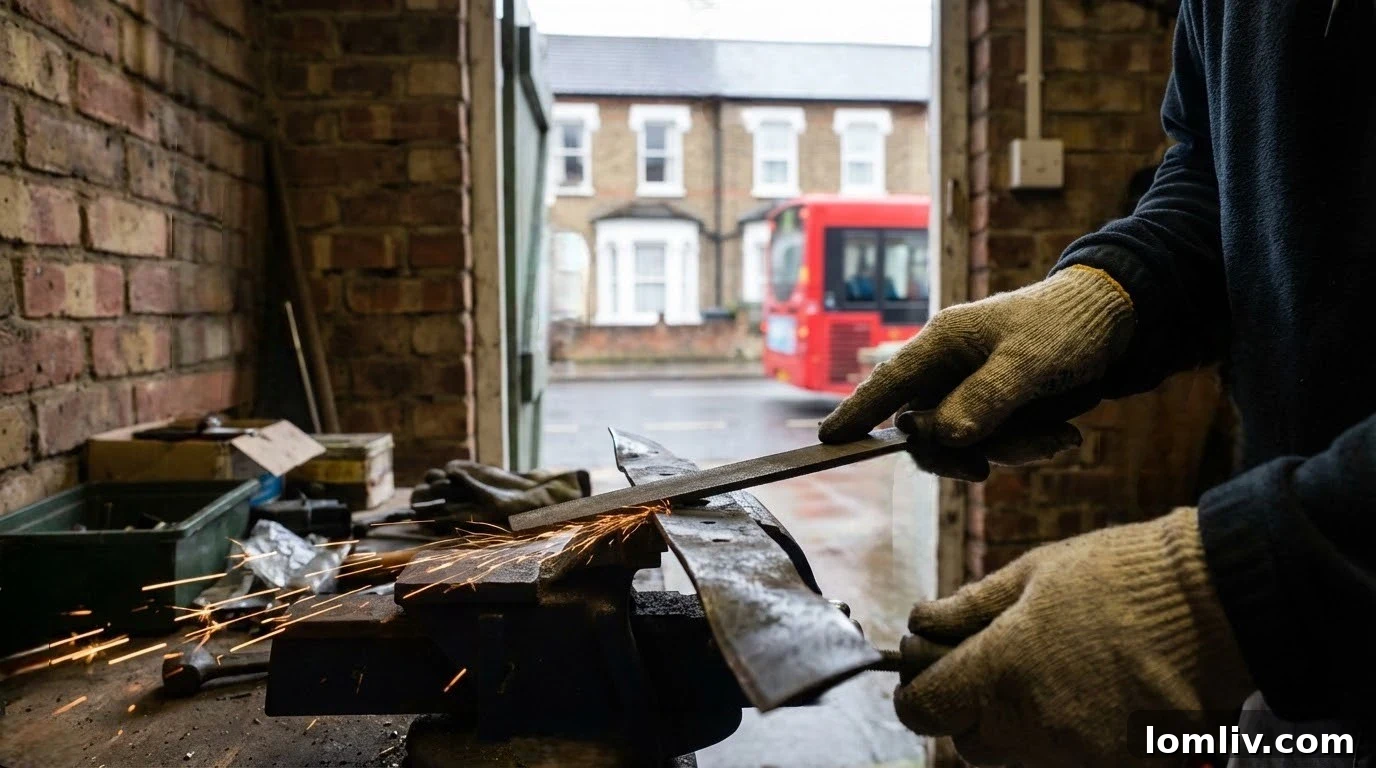
This critical step is regrettably one of the most frequently overlooked aspects of proper lawn care, and its absence is glaringly evident in the health of many lawns. Dull mower blades do not cut grass; instead, they brutally tear and shred it. This violent action leaves behind ragged, frayed grass tips that quickly turn an unsightly yellow or brown, creating an open invitation for pests and various lawn diseases to take hold. Such damage stresses the entire plant, making it vulnerable and significantly detracting from your lawn’s aesthetic appeal.
In stark contrast, razor-sharp blades deliver clean, precise cuts. These clean cuts allow the grass blades to heal rapidly and efficiently, much like a surgical incision. Rapid healing minimizes stress on the plant, promotes vigorous growth, and maintains that vibrant green color every homeowner desires. The difference in overall lawn health and appearance between a lawn cut with sharp blades and one subjected to dull blades is astonishingly significant.
As a general guideline, aim to sharpen your mower blades every 20 to 25 hours of operation or approximately once per mowing season, depending on the size of your lawn and frequency of use. If you frequently encounter sandy soil, rocks, or debris, you might need to sharpen them more often. Before inspecting or handling your mower blades, always prioritize safety: for electric or battery-powered mowers, disconnect the power source and remove the battery; for gasoline mowers, disconnect the spark plug wire. This crucial safety measure, while seemingly obvious, is often forgotten in haste, leading to severe and preventable injuries. Always refer to your mower’s manual for specific safety instructions.
Once the power is safely disengaged, carefully inspect the blades for any chips, nicks, excessive dullness, or uneven wear along the edges. A visual inspection will often reveal areas that require attention. You can sharpen the blades yourself using a specialized sharpening tool, a file, or a grinder, ensuring the correct angle is maintained. Alternatively, many hardware stores and lawn equipment repair shops offer professional blade sharpening services. Keeping a sharpening tool or a spare set of sharpened blades at home ensures you can address this vital maintenance task promptly, preventing delays that could jeopardize your lawn’s health and appearance. Don’t procrastinate until your lawn starts resembling a battle-worn carpet; sharp blades are fundamental to a beautiful and resilient turf.
Set the Right Cutting Height: The Golden Rule for a Thriving Lawn
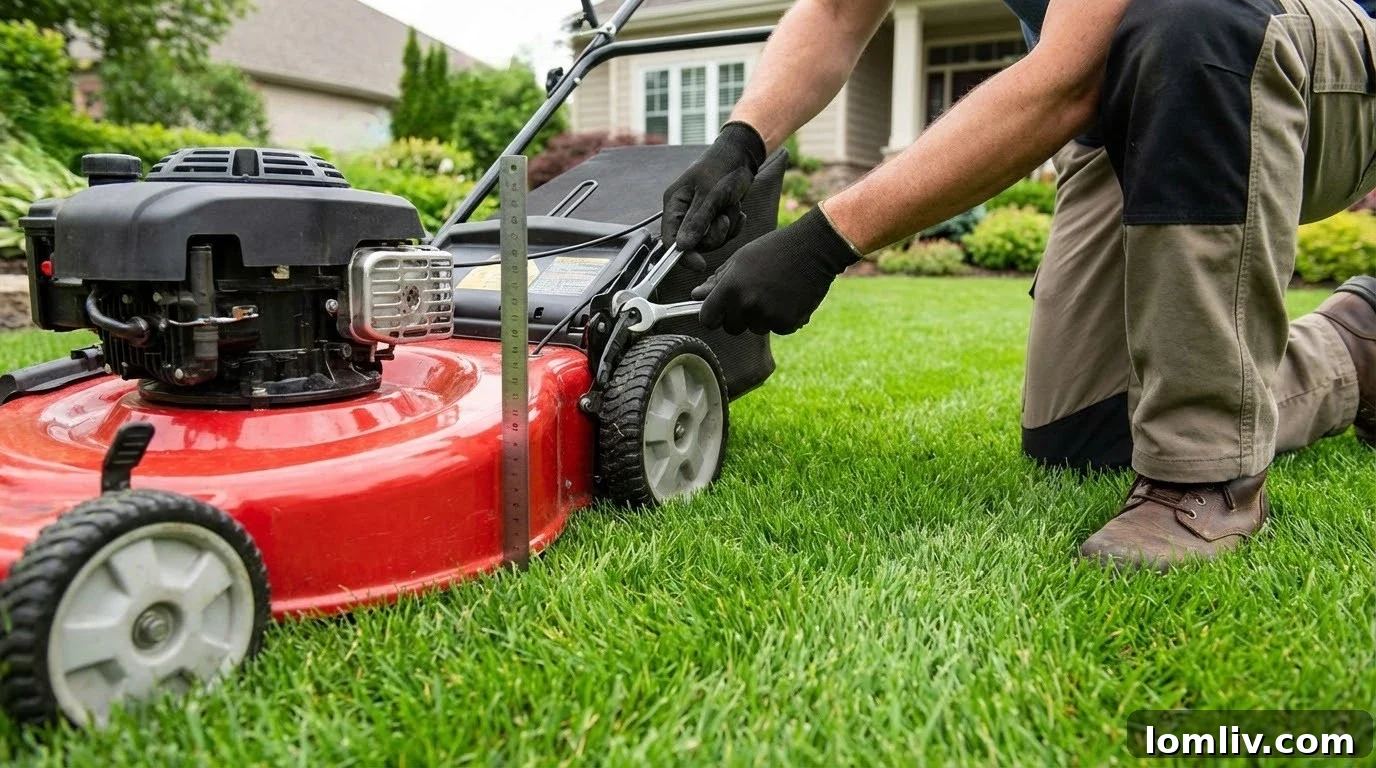
With your mower in prime condition and its blades gleaming sharp, the next pivotal step in cultivating a flourishing lawn is determining the optimal cutting height. The temptation to cut your grass as short as possible, hoping to extend the time between mowing sessions, is common. However, resisting this urge is critical. Cutting grass too short, often referred to as “scalping,” inflicts immense stress on the turf. It weakens the grass plants, severely impacts root development, and inadvertently rolls out a welcome mat for weeds, allowing them to germinate and proliferate more easily due to increased sunlight reaching the soil.
For the cool-season grass varieties prevalent in regions like the UK – including fescues, ryegrasses, and bentgrass – the ideal cutting height typically ranges from 2.5 to 3 inches (approximately 6 to 7.5 cm). This specific height is not arbitrary; it’s scientifically beneficial for several reasons. Taller grass blades provide crucial shade to the soil beneath, which significantly helps in retaining moisture, reducing water evaporation, and suppressing weed growth by blocking sunlight. Furthermore, leaving enough blade surface ensures adequate photosynthesis can occur, allowing the grass to produce the energy it needs for strong root growth and overall vitality. This “one-third rule” principle suggests never removing more than one-third of the grass blade’s total height in a single mowing session, which minimizes shock and promotes a healthier recovery.
It’s also essential to adjust your cutting height marginally with the changing seasons. During the peak of summer, especially in periods of intense heat and dryness, it’s advisable to raise your mower deck a notch or two, allowing the grass to grow a little longer. This additional length further shades the soil, enhancing moisture retention and helping the lawn better withstand drought stress. Conversely, in the cooler, more vigorous growing seasons of spring and fall, you can consider bringing the cutting height down slightly, within the recommended range, to encourage denser growth. However, always prioritize the one-third rule to avoid stressing the grass.
If your lawn mower features an adjustable cutting height – and most modern mowers do – make full use of it. This isn’t merely a decorative or “fancy” extra feature; it’s a fundamental tool for effective lawn management. Utilizing the adjustable height genuinely simplifies lawn care, allowing you to tailor your approach to seasonal changes and specific grass conditions. Over time, mastering the correct cutting height can even lead to substantial savings on water and fertilizer, as a healthier, more resilient lawn naturally requires less intervention and fewer resources to thrive. It’s a simple adjustment that yields profound, long-lasting benefits for your entire landscape.
Mow Regularly, but Don’t Overdo It: Finding Your Lawn’s Rhythm
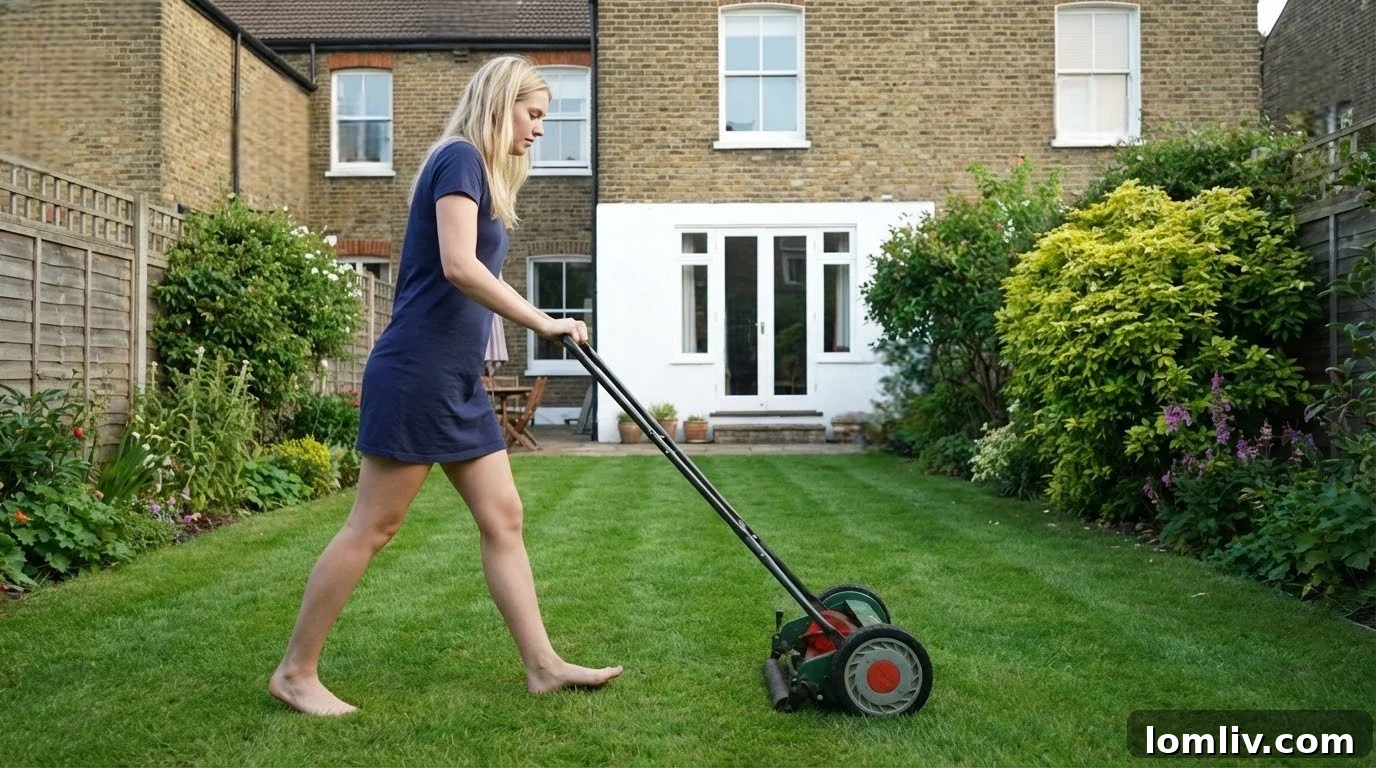
Once you’ve mastered the art of choosing the right mower, sharpening its blades, and setting the perfect cutting height, the next crucial step is establishing an optimal mowing schedule. This isn’t a one-size-fits-all formula, but rather a responsive approach to your lawn’s unique growth patterns. Mowing too infrequently allows your grass to grow excessively tall, making subsequent cutting sessions a shock to the system, causing significant stress and potentially damaging the lawn. Conversely, mowing too often can continuously stress the grass before it has ample opportunity to recover and replenish its energy reserves. Neither extreme is conducive to a lush, healthy turf.
During the primary growing season, which generally spans from mid-spring through early fall, a reasonable starting point for most lawns is mowing once a week. This frequency typically allows you to adhere to the “one-third rule,” ensuring that you’re only removing a healthy portion of the grass blade at each cut. However, it’s vital to remember that your lawn is a living entity, and it will communicate its needs through its growth rate.
Environmental factors play a significant role. Following a period of abundant rainfall and ideal temperatures, grass growth can accelerate dramatically. In such instances, you might find it necessary to increase your mowing frequency to twice a week to maintain the desired height and prevent the grass from becoming overgrown. Conversely, during dry spells or periods of intense heat, grass growth naturally slows down considerably. During these times, you can – and should – ease off on mowing without any guilt. Over-mowing stressed, slow-growing grass will only exacerbate its condition and contribute to further decline. Observe your lawn; if it’s not growing much, it doesn’t need to be cut.
Furthermore, an important practical tip is to always avoid mowing wet grass whenever possible. Mowing wet grass presents several challenges: wet blades tend to clump together, leading to uneven cuts, unsightly windrows, and potential clogging of your mower deck. The clippings, when wet, are also more likely to stick together and smother the grass beneath, hindering nutrient cycling. Moreover, wet conditions can compact the soil and spread fungal diseases more easily. Always wait until the dew has evaporated and the grass is thoroughly dry before commencing your mowing tasks. This simple practice ensures a cleaner cut, better dispersion of clippings, and a healthier overall lawn.
Leave the Clippings on the Lawn: Embrace the Power of Mulching
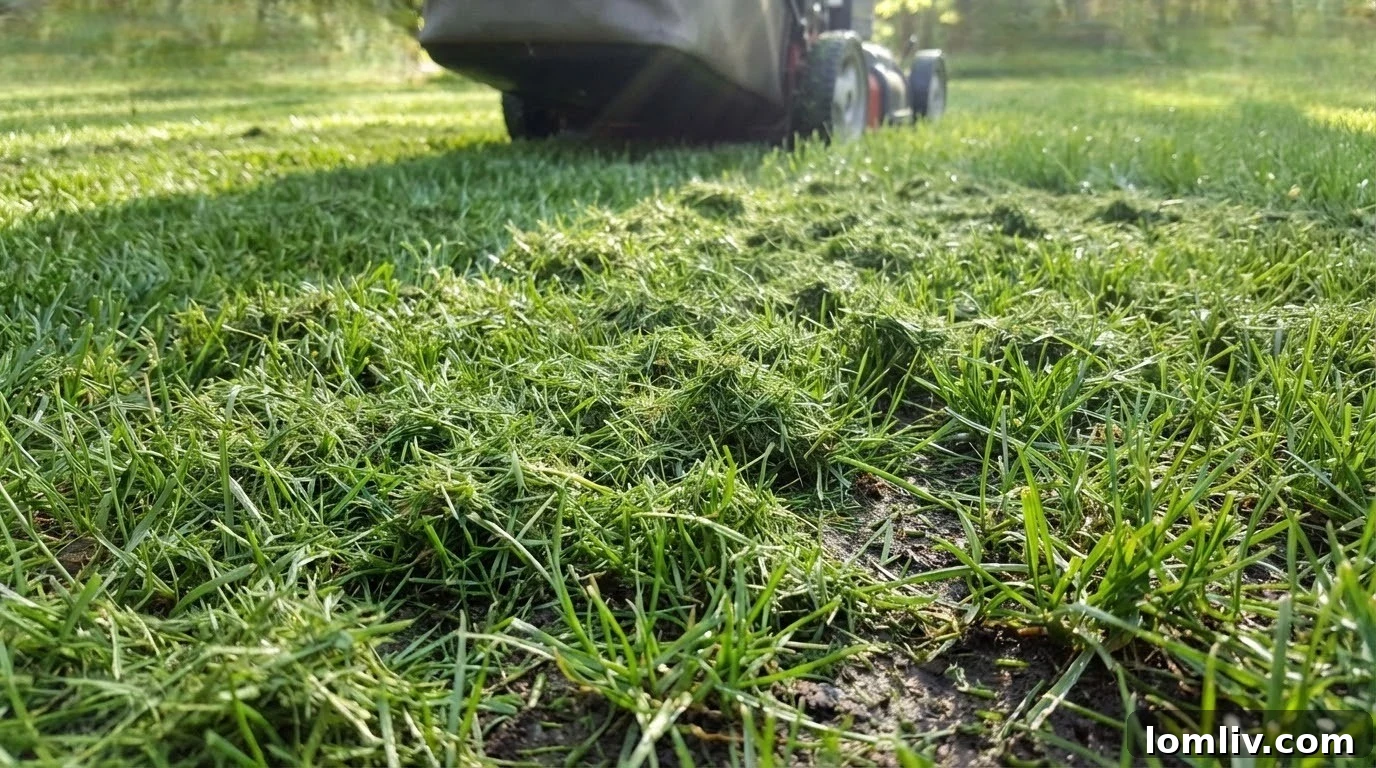
This particular step often comes as a revelation to many homeowners, challenging conventional wisdom. The ingrained habit of bagging and removing grass clippings is pervasive, fueled by the misconception that leaving them behind will result in a messy, thatched lawn. However, this is largely untrue, especially when you are consistently mowing at the correct height and with adequate frequency. In fact, leaving grass clippings on your lawn is one of the most beneficial and environmentally friendly practices you can adopt for turf health.
When you adhere to the “one-third rule” – cutting only a small portion of the grass blade frequently – the clippings produced are short and fine. These fine clippings readily fall through the existing grass blades, settling onto the soil surface. There, they rapidly decompose, releasing vital nutrients back into the soil, most notably nitrogen. This process acts as a natural, slow-release fertilizer, continuously feeding your lawn with essential elements it needs to thrive. It’s essentially a free, organic nutrient source, reducing your reliance on synthetic fertilizers and contributing to a more sustainable lawn care regimen.
This practice is known as mulching, and it’s unequivocally one of the best things you can do for your lawn’s long-term health and vitality. Over time, mulching significantly improves soil structure and fertility, enhancing its ability to retain moisture and support robust root development. It also reduces the need for additional chemical feeding, saving you money and minimizing your environmental footprint. Furthermore, it cuts down on yard waste, diverting countless bags of clippings from landfills and making your mowing routine much more efficient by eliminating the need for bagging and disposal.
For mulching to be most effective, a few conditions are key. Firstly, always mow when your grass is dry. Dry clippings are lighter and scatter more evenly across the lawn’s surface, promoting quick decomposition. Wet clippings, on the other hand, tend to clump together, which can indeed lead to smothering and undesirable patches. Secondly, maintain your cutting height within that recommended 2.5 to 3-inch range. This ensures the clippings are fine enough to disappear into the turf. Many modern mowers come with mulching capabilities built-in, or you can often purchase a mulching kit for your existing mower. By consistently practicing proper mulching, you’ll discover that you won’t need to bag a single clipping, and your lawn will reward you with unparalleled vigor and a vibrant green hue.
Time Your Mowing Right: Maximizing Lawn Recovery and Health
By now, you’ve equipped yourself with the perfect mower, ensured your blades are impeccably sharp, calibrated the cutting height for optimal health, and established a regular mowing schedule. There remains one final, yet equally crucial, element to perfect your lawn care routine: impeccable timing. The specific time of day you choose to mow can have a profound impact on your lawn’s immediate recovery and its long-term resilience, influencing everything from hydration to disease resistance.
Mowing your lawn in the middle of the day, particularly during the scorching heat of a summer afternoon, places your grass under an immense amount of unnecessary stress at precisely the wrong moment. When grass is cut during peak heat, the freshly exposed, cut ends are highly vulnerable to drying out rapidly due to the intense sun and elevated temperatures. This immediate dehydration severely hinders the grass’s ability to recover quickly, prolonging the healing process and leaving it more susceptible to environmental stressors and potential pathogens. The grass expends extra energy simply trying to cope with the shock, rather than focusing on healthy growth.
The “sweet spot” for mowing is generally in the early morning or the late afternoon. Early morning, after any dew has evaporated but before the sun reaches its zenith, offers several advantages. The ambient temperature is significantly lower, which reduces the immediate stress on the grass. Moreover, the grass has had a full night to dry from dew, ensuring clean cuts and proper mulching of clippings. Similarly, late afternoon, once the intense midday sun has begun to wane, provides another excellent window. The cooler temperatures allow the grass to recover more effectively throughout the night, using the evening hours to heal without the additional burden of heat stress. This accelerated recovery means a healthier, more robust lawn in the long run.
Beyond the benefits to your lawn, timing your mowing session correctly is also considerably better for you, the individual performing the task. Pushing a lawn mower around under the blazing midday sun is not only physically demanding but can quickly lead to heat exhaustion and a profound questioning of your life choices before you’ve even completed the first pass. Mowing during cooler parts of the day makes the chore far more comfortable and enjoyable, transforming it from a dreaded task into a pleasant outdoor activity. Prioritizing cooler, drier conditions for mowing is a win-win, fostering both a healthier lawn and a more comfortable experience for you.
Hire a Professional When Needed: Expert Care for a Pristine Lawn
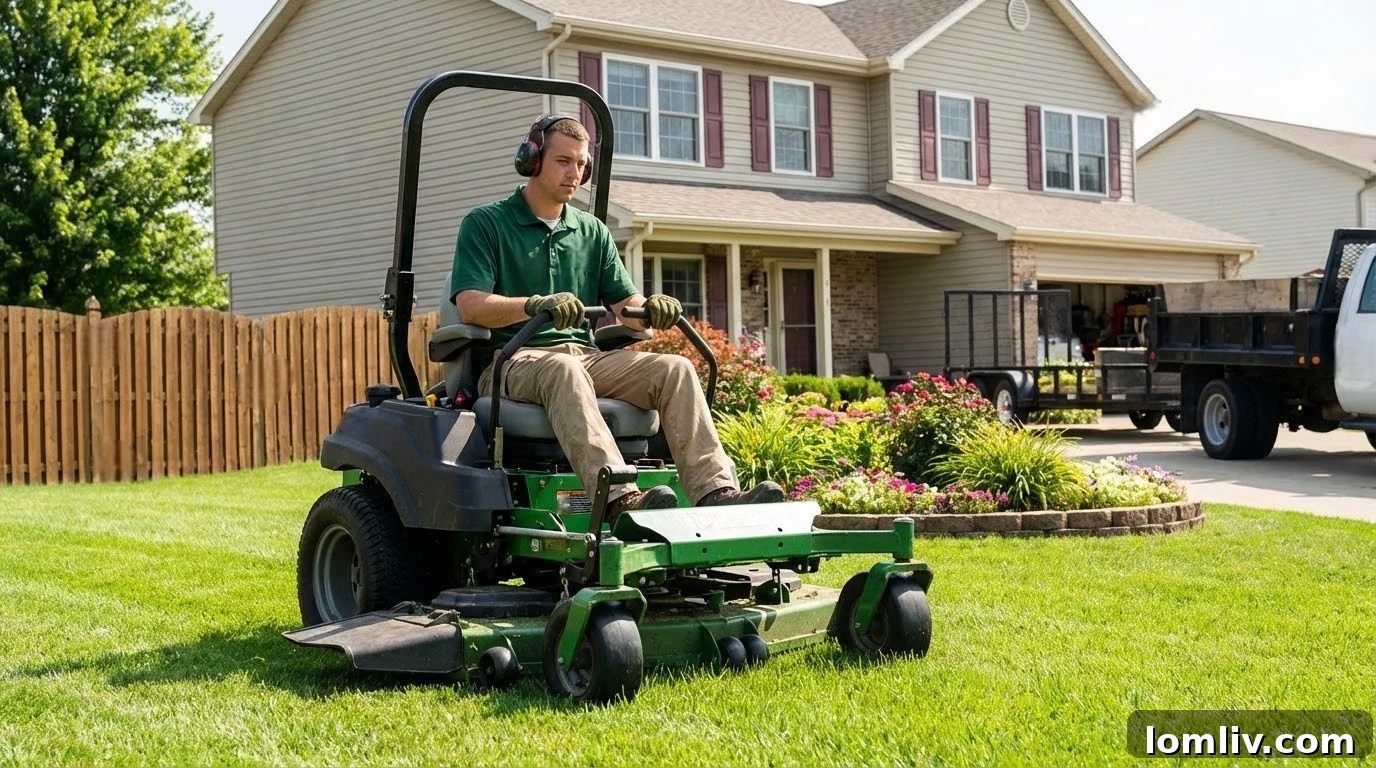
While the detailed steps outlined above empower you to take charge of your lawn’s health, it’s perfectly understandable that not everyone has the time, equipment, or inclination to handle all aspects of lawn care themselves. If your schedule is packed, your lawn is exceptionally large, or you simply prefer to delegate the task, there is a thriving industry of professional lawn care services ready to assist. Handing the mower over to skilled experts can be a wise decision, ensuring your lawn receives consistent, high-quality attention without the personal effort.
In recent years, the landscape of lawn mowing services in major urban centers like London and other UK cities has become considerably more sophisticated. Gone are the days when most services simply showed up, cut your grass on autopilot without much thought, and departed. Today, many reputable lawn mowing London services and similar providers offer comprehensive, tailored maintenance plans. These plans go beyond just cutting; they often include services like aeration, dethatching, fertilization, pest control, and seasonal adjustments to cutting height and frequency, all designed to optimize your lawn’s specific needs and promote its long-term health.
However, even when hiring a professional, it remains highly advisable to ask a few pertinent questions to ensure they align with your lawn care philosophy and best practices. Don’t assume that every service automatically implements the most beneficial techniques. Inquire about their standard operating procedures: What cutting height do they typically use for your type of grass and during different seasons? Do they offer mulching services, or do they primarily bag and remove clippings? Understanding their approach to these key elements will help you ascertain if they are committed to fostering a truly healthy lawn, rather than just providing a quick cut.
A good professional service should be knowledgeable, transparent, and willing to discuss their methods. They should be able to explain *why* they choose certain techniques and how those choices benefit your lawn. By selecting a professional service that adheres to the principles of optimal lawn care, you can enjoy a pristine, healthy lawn without the hands-on labor, freeing up your time while still ensuring your turf flourishes under expert guidance. It’s an investment in convenience and consistent quality that pays dividends in curb appeal and turf vitality.
The Bottom Line: Your Path to a Show-Stopping Lawn
Imagine this scenario: six weeks from now, a neighbor, peering over the fence, will squint at your noticeably greener, thicker, and impeccably maintained lawn. They’ll inevitably lean over and ask, with a hint of envy and genuine curiosity, “What exactly have you done differently?” In that moment, the choice will be yours. Will you launch into a detailed breakdown of optimal mower selection, the precise science of blade sharpness, the sacred one-third rule, the miraculous benefits of mulching, and the strategic timing of your cuts? Or will you simply flash a modest smile and utter, “Oh, not much, really,” allowing them to ponder the secret to your suddenly spectacular turf?
Regardless of your chosen response, the satisfaction will be undeniable. You’ll enjoy the compliments, perhaps act suitably humble about your newfound expertise, and quietly revel in the knowledge that you’ve transformed your lawn from a chore into a testament to intelligent care. Remember, you heard the blueprint for this transformation right here, and now it’s time to put these expert mowing tips into action. Go forth, transform your lawn, enjoy the admiring glances, and know that you’ve mastered the art of nurturing a truly beautiful outdoor space. Your vibrant, healthy lawn awaits!