The Unfolding Saga of 4910 Live Oak: A Tale of Dreams, Opposition, and Unintended Consequences in Old East Dallas
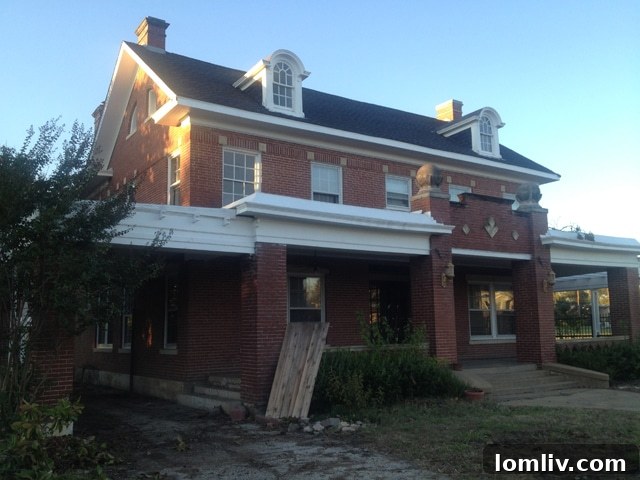
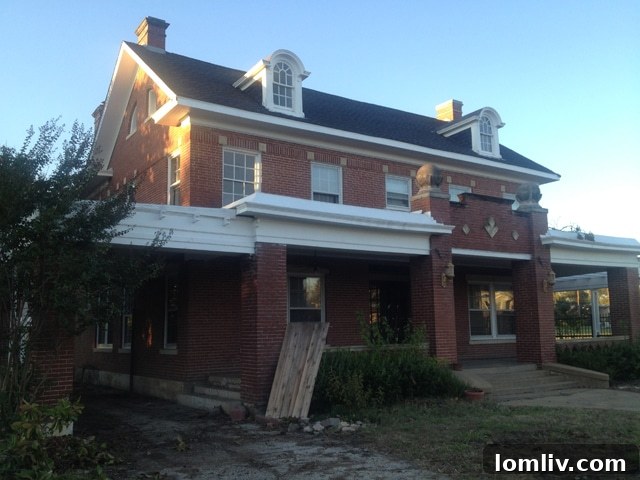
In the heart of Old East Dallas stands (or perhaps, now, barely stands) the property at 4910 Live Oak, a venerable home with nearly a century of history etched into its walls. Once a symbol of architectural elegance and community aspiration, this 95-year-old residence has become the epicenter of a local drama, illustrating the complex interplay between urban development, historic preservation, and community activism. What began as a hopeful vision for revitalization has spiraled into a cautionary tale about the unforeseen repercussions of neighborhood disputes over land use and zoning regulations.
The story of 4910 Live Oak is a poignant reminder that while community engagement is vital for healthy urban growth, its outcomes can sometimes lead to results far removed from anyone’s initial intentions. The journey of this property from a grand home, to a proposed wedding venue, to a dilapidated structure now facing imminent demolition, encapsulates a critical discussion about urban planning, the delicate balance of neighborhood character, and the long-term impact of local decisions.
The Vision: A Wedding Chapel for Old East Dallas
The initial chapter of this modern saga began with Adam and Alicia Rico, a couple with a profound vision and an entrepreneurial spirit. They saw beyond the weathered facade of the sprawling 95-year-old duplex, envisioning its transformation into a chic and elegant wedding venue. Their plan for 4910 Live Oak was not merely a business venture; it was a dream to breathe new life into a historic structure, preserving its architectural legacy while offering a unique gathering space for celebratory occasions in Old East Dallas. Such a venue would not only have provided a beautiful setting for couples to begin their lives together but also promised to contribute to the local economy, create jobs, and potentially draw positive attention to the charm and history of the neighborhood.
The Ricos’ proposal was ambitious, requiring a significant investment of time, capital, and a crucial change in the property’s zoning classification. They understood that navigating the labyrinthine process of rezoning would be challenging. As Adam Rico reflected in an earlier statement, “We knew that the process of zoning takes a while to go through, so we estimated four to five months, knowing that it could be challenging at any point.” They were prepared for hurdles, for discussions, and for the typical bureaucratic delays. What they were not prepared for, however, was the fierce and unified opposition that would emerge from the very community they hoped to serve and enhance.
Community Crossroads: The Rezoning Battle
The Ricos’ dream quickly met a formidable challenge in the form of robust neighborhood opposition. Residents of Old East Dallas, particularly those living in close proximity to 4910 Live Oak, mobilized against the rezoning effort. Their concerns, though diverse, largely centered on the potential impact of a commercial wedding venue on their residential neighborhood. Common objections included increased traffic congestion, parking shortages, noise disturbances from events, and a general fear that a commercial enterprise would disrupt the quiet, family-oriented character of their streets.
For many neighbors, the preservation of their neighborhood’s residential integrity was paramount. They feared that allowing a commercial venture, even one as seemingly benign as a wedding chapel, could set a precedent for further commercial encroachment. Neighborhood associations became key players, articulating the collective anxieties of the residents to local authorities. The intensity of this opposition caught the Ricos off guard. Adam Rico expressed his surprise, stating, “But we didn’t expect to run into so much opposition from a few neighborhood associations.” This sentiment highlights a common disconnect in urban planning debates: developers and entrepreneurs often see potential for growth and revitalization, while long-time residents frequently prioritize stability and the status quo.
The clash of these perspectives led to an impasse. Despite the Ricos’ detailed plans for mitigating potential nuisances—perhaps through soundproofing, designated parking, or event time restrictions—the neighborhood’s resistance proved too strong. The rezoning request, essential for the wedding venue project to proceed, ultimately failed to gain the necessary approval, effectively ending the Ricos’ dream for 4910 Live Oak.
A Tragic Turn: Demolition Looms for a Historic Landmark
With the wedding venue project abandoned due to the insurmountable opposition, the fate of 4910 Live Oak took a somber turn. The property, once slated for loving restoration and a new purpose, was subsequently sold. Its future, once envisioned as a vibrant hub of celebration, now faces a far more grim reality: demolition. Despite the efforts of local preservationists who often champion the protection of historic structures, the outlook for 4910 Live Oak appears bleak. A demolition permit has reportedly already been issued, sealing what many consider to be the property’s irreversible fate.
The issuance of a demolition permit represents a significant loss for the community and for Dallas’s architectural heritage. Each historic building tells a story, contributing to the unique character and identity of a neighborhood. The destruction of such a landmark means erasing a piece of that narrative, often irrevocably. Preservationists argue that once these structures are gone, they cannot be replaced, and the urban fabric of the city loses a layer of its depth and history. This situation underscores the ongoing tension between development pressures and the desire to safeguard the past, a challenge faced by many rapidly growing cities.
The Unintended Consequences: Neglect, Blight, and a Looming Unknown
Perhaps the most poignant and ironic aspect of the 4910 Live Oak saga is the cascade of unintended consequences that have unfolded since the successful opposition to the wedding venue. What the neighbors fought against was a proposed commercial enterprise, with potential (and manageable, in the Ricos’ view) issues of traffic and noise. What they have received instead is a deteriorating property that has become a source of significant concern and blight within their community.
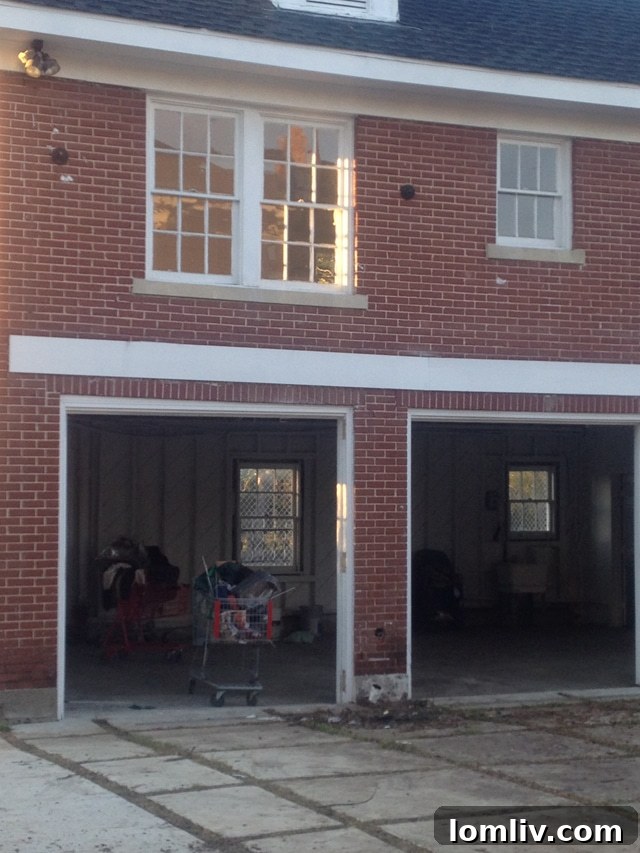
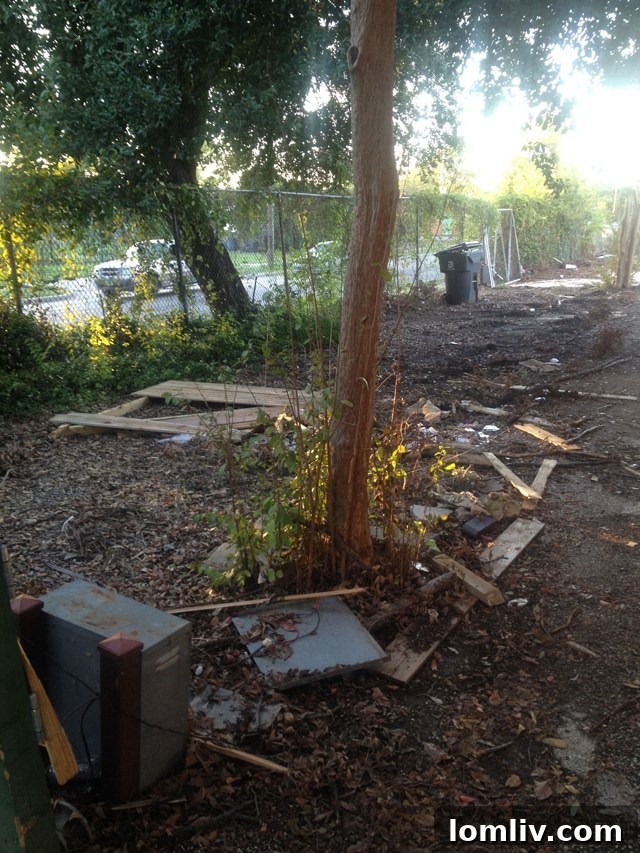
Current reports from residents paint a dismal picture: the property has been left unsecured by its new owners, transforming the once-stately mansion into an abandoned shell. Tragically, this neglect has led to a new set of problems, arguably far worse than the projected impact of a wedding venue. Homeless individuals have reportedly moved into the unsecured structure, using it as shelter. This has, unfortunately, resulted in the interior and exterior of the property being trashed, with neighbors complaining about accumulating shopping carts, discarded clothing, and “tons of garbage” left behind. This situation creates not only an eyesore but also potential public health and safety hazards for the surrounding community.
This stark reality forces a critical question: “You have to wonder if the unintended consequences of opposing the property’s rezoning isn’t going to chafe neighbors even more than a wedding venue.” The irony is palpable. Neighbors successfully prevented a controlled, renovated, and managed commercial space, only to find themselves contending with an uncontrolled, dilapidated, and potentially dangerous abandoned building. The very issues they sought to avoid—disruption to neighborhood peace—have manifested in a different, arguably more acute form.
Moreover, the property’s current zoning designation, MF-2, which permits medium-density multi-family development, adds another layer of complexity to this narrative. While the exact future development remains uncertain post-demolition, the MF-2 zoning designation allows for the construction of duplexes or even townhomes. This could potentially mean a significant increase in housing units on the lot compared to a single-family home or even a wedding venue. Such a development would inevitably bring more cars, more traffic, and more noise—precisely the concerns that fueled the initial opposition to the wedding venue. It suggests that while the neighbors successfully thwarted one specific development, the eventual outcome might still lead to increased density and impact, possibly without the aesthetic or economic benefits that a carefully planned, renovated wedding venue might have offered.
Beyond 4910 Live Oak: Broader Implications for Urban Planning and Community Dynamics
The story of 4910 Live Oak resonates far beyond the confines of Old East Dallas. It encapsulates several critical themes prevalent in contemporary urban environments:
- Historic Preservation vs. Development: The constant tug-of-war between maintaining the architectural heritage of a city and accommodating its growth and evolving needs. This case highlights how a lack of consensus can lead to the loss of irreplaceable landmarks.
- The Power of Local Zoning: Zoning regulations are powerful tools that shape the character and future of neighborhoods. This instance demonstrates how residents, through their collective voice, can influence these decisions, but also underscores the complex, sometimes paradoxical, outcomes of such influence.
- The “Not In My Backyard” (NIMBY) Phenomenon: While understandable, the NIMBY stance—where residents oppose developments in their immediate vicinity—often has far-reaching and unexpected consequences. In this scenario, the desire to prevent one perceived nuisance led to the creation of another, arguably more severe, problem.
- The Importance of Dialogue and Compromise: This case serves as a stark reminder of the critical need for open communication, negotiation, and a willingness to compromise among all stakeholders—developers, residents, and city planners—to achieve outcomes that genuinely benefit the community in the long run. Had a dialogue focused on specific mitigation strategies for the wedding venue taken precedence, perhaps a mutually beneficial solution could have been found, saving the historic home and avoiding the current state of neglect.
Lessons Learned and Moving Forward
The unfolding tragedy at 4910 Live Oak serves as a compelling case study for urban planners, community organizers, and residents alike. It prompts reflection on what truly constitutes “progress” or “preservation” in a dynamic urban landscape. Was preventing a wedding venue worth the cost of losing a historic home and enduring a period of blight?
Moving forward, this narrative emphasizes the need for a holistic approach to neighborhood planning. It’s not enough to simply oppose a development; communities must also consider the potential alternatives and their respective impacts. Engaging in constructive dialogue, exploring creative solutions for adaptive reuse, and understanding the nuances of zoning laws are essential steps toward fostering sustainable and harmonious urban development.
The fate of 4910 Live Oak, now seemingly sealed by a demolition permit, stands as a quiet monument to a missed opportunity—an opportunity to transform a piece of history into a vibrant future, an opportunity for community and developers to find common ground. Instead, it appears poised to become a vacant lot, a ghost where a grand old home once stood, bearing witness to a tale of dreams, fierce opposition, and the harsh realities of unintended consequences in the ever-evolving tapestry of Old East Dallas.