Lincoln Katy Trail Project Denied: Unpacking Dallas City Plan Commission’s Decision and the Oak Lawn Committee’s Influence
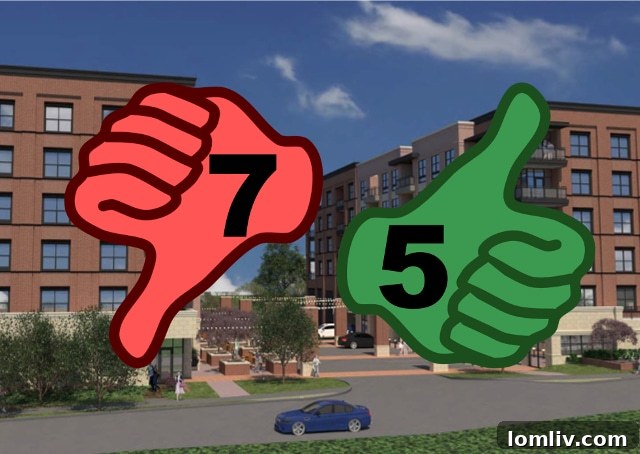
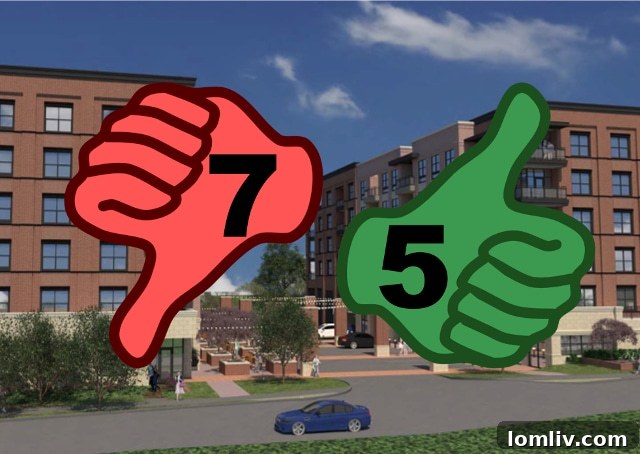
The highly anticipated Lincoln Katy Trail project, a significant development proposed by Lincoln Property, recently encountered a major hurdle, failing to secure the necessary endorsement from the Dallas City Plan Commission. This denial marks a pivotal moment in Dallas’s urban development landscape, underscoring the complex interplay between developers, city planning bodies, and vocal community groups. The Commission’s vote, surprisingly close, reflected a nuanced deliberation, particularly influenced by the sometimes-ambiguous stance of the influential Oak Lawn Committee (OLC).
This article delves into the intricate details of the Plan Commission’s decision, examining the various arguments presented, the role of key stakeholders, and the broader implications for future development projects within Dallas. We’ll explore accusations of “moving goal posts,” the contentious issue of view corridors, the formal and informal power dynamics of neighborhood associations like the OLC, and the crucial discussions surrounding affordable housing in a rapidly growing city.
The Controversial Vote: A Tightly Contested Decision at the City Plan Commission
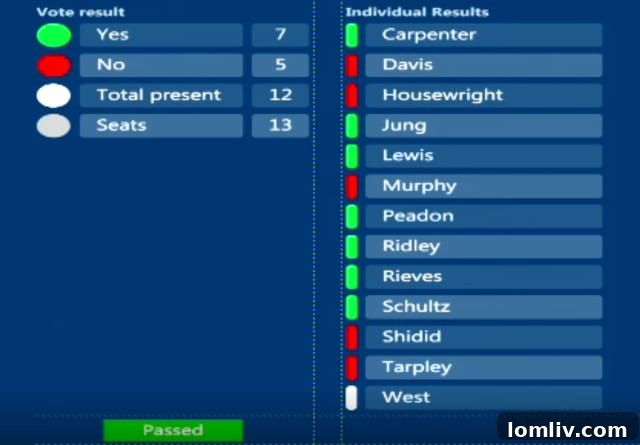
The Dallas City Plan Commission’s recent vote on the Lincoln Katy Trail project was far from a unanimous decision, revealing deep divisions and a tight margin that surprised many observers. While the project ultimately failed to gain support, the closeness of the vote, as many pointed out, might have been different had the Oak Lawn Committee presented a more unified and decisive front in its earlier recommendations. This perceived indecision from the OLC fueled much of the subsequent debate within the Commission itself.
Accusations of “Moving Goal Posts” and Shifting Demands
During the Plan Commission meeting, several commissioners vocalized their concerns regarding the Oak Lawn Committee’s alleged tendency to shift its requirements and expectations throughout the development process. Angela Hunt, representing Lincoln Property, explicitly claimed that the opposition was “moving goal posts,” making it difficult for the developer to meet evolving demands. A prime example cited was the opposition’s desire for the building to be structurally divided into three distinct sections, a departure from the two-section design that Lincoln Property had presented. Several Plan Commissioners, including Commission Chair Gloria Tarpley, stated that this “three-building desire” was an entirely new request to their knowledge.
However, a review of previous meeting records suggests a different timeline. Upon checking the tape from the July CPC meeting, it became clear that Amanda Popken, a representative for the Vine condo owners and an active voice in the community, had indeed articulated a three-building split as one of the community’s key desires when Lincoln first unveiled its two-section proposal. This pre-existing request indicates that, at least on this specific issue, the accusation of “post-moving” may not fully hold up, highlighting the importance of meticulous record-keeping and clear communication in complex development discussions.
The View Corridor Dilemma: Protecting Dallas’s Urban Landscape
Commissioner Margot Murphy introduced another critical point of contention: the protection of Dallas’s precious view corridors. She expressed a sentiment that these visual pathways, which contribute significantly to the city’s aesthetic and resident experience, are inadequately safeguarded. While it’s understandable to agree with this concern for “by-right” projects (those that adhere strictly to existing zoning without requiring special allowances), the context changes dramatically when a project seeks to double the allowable zoning height. In such cases, the encroachment on view corridors becomes a direct consequence of a requested deviation from established norms. Zoning regulations exist for a reason, and allowing such significant height increases without robust consideration for existing views can set a problematic precedent, undermining the very purpose of urban planning frameworks.
The Oak Lawn Committee Under Scrutiny: Defining Influence and Authority
A significant portion of the Plan Commission’s discussion revolved around the precise role and influence of the Oak Lawn Committee. This particular debate shed light on how city bodies perceive and interact with neighborhood groups, especially when their recommendations clash with developer proposals or individual commissioner views.
Defining OLC’s Influence: A Neighborhood Group or a Policy Enforcer?
Commission Chair Gloria Tarpley took a notable step during the meeting by asking city staff to formally clarify the Oak Lawn Committee’s official role. Neva Dean, a representative from the city staff, responded by stating that the OLC is primarily a neighborhood group, possessing “no special power or enablement,” and thus, its recommendations “need not be given extra weight.” This clarification was met with interest, particularly as Tarpley herself had initially moved to support the Lincoln Katy Trail project. One could interpret Tarpley’s deliberate action to “dis the OLC” – an organization well-known to all CPC members – as a strategic move. By downplaying the group’s official significance, she may have inadvertently (or intentionally) granted Plan Commissioners implicit permission to disregard the OLC’s recommendations, paving the way for decisions that might diverge from community sentiments expressed by the OLC.
Historical Context and OLC’s Mandate: Stewards of PD-193
The context of the OLC’s influence is further enriched by its history. It is interesting to recall that the last significant instance where the OLC’s recommendations were largely set aside occurred in the 1990s, notably with mayoral support. This historical parallel becomes even more intriguing when considering that Gloria Tarpley is an appointee of Mayor Rawlings to the Plan Commission. While it would be premature to suggest that Mayor Rawlings was signaling a particular outcome in this instance, the coincidental recurrence of a mayoral element in decisions that sideline the OLC is a historical footnote worth noting.
Thankfully, other commissioners and community members present helped to set the record straight regarding the OLC’s charter and its foundational purpose. The Oak Lawn Committee serves as the principal steward of the Oak Lawn Plan within the broader framework of Planned Development District No. 193 (PD-193). This designation grants the OLC a critical, albeit advisory, role in ensuring that new developments align with the established vision and guidelines for the Oak Lawn neighborhood. The undermining rhetoric, whether intentional or not, from Chair Tarpley and others should serve as a clear message to the OLC’s leadership: they need to approach the vetting of future projects with even greater precision, clarity, and unwavering conviction to safeguard their mandate and community trust.
Internal Divisions within the OLC: Fractures Emerge
Adding another layer of complexity to the OLC’s position was the public testimony of Leland Burk. Notably, Burk is the current vice-president of the OLC and was the sole supporter of the Lincoln Katy Trail project within the committee’s executive ranks. While he spoke at the meeting as a private citizen (though acknowledging his OLC position), his public support for the project starkly highlighted the internal divisions and “fractures within the community group” that had been reported as early as September. This internal discord within the OLC undoubtedly contributed to the perception of its “waffling” and may have weakened its overall persuasive power before the Plan Commission.
Key Voices and Pivotal Moments: Shaping the Decision
Beyond the overarching debates, specific interventions and individual contributions played a crucial role in the ultimate denial of the Lincoln Katy Trail project. These moments underscore the dedication of certain commissioners to nuanced urban planning and community preservation.
Commissioner Paul Ridley’s Decisive Move
A particularly welcome surprise for many observers was the decisive action taken by Paul Ridley, the Plan Commissioner appointed by Philip Kingston, in whose district the proposed project would reside. After what some had perceived as relatively “softball questions” in previous meetings concerning the project, Ridley rose to the occasion, offering a thoughtful and well-rounded commentary. His motion to deny support for the project ultimately passed, marking a significant turning point.
Ridley’s commentary was especially impactful as he not only addressed the dynamics surrounding the OLC but also powerfully articulated the critical need for Dallas to proactively preserve its few remaining downtown-adjacent MF-2 (multi-family residential) housing stock. He wisely noted that while this housing may be aging, it is often significantly more affordable, serving a vital demographic in the city. His argument emphasized that diligent and thorough consideration must be given before such valuable housing assets are simply scrapped for new, often higher-priced, developments. His intervention served as a timely reminder of the importance of balancing growth with preservation and affordability in Dallas’s rapidly evolving urban core.
The Affordable Housing Conundrum: A Glimpse into Dallas’s Future
Amidst the broader discussion, the topic of the city’s upcoming regulations on affordable housing naturally emerged. A critical question was posed: how would the Lincoln Katy Trail project, as proposed, measure up against these forthcoming guidelines? Lincoln Property had offered a modest five percent allocation for affordable housing within its project. However, under the new guidelines currently being reviewed and considered by the city, a project requesting similar additional height and density would likely be expected to provide an affordable housing component ranging between 10 to 15 percent. This stark disparity highlighted a significant gap between the project’s current offering and the city’s evolving aspirations for equitable urban development, further complicating its path to approval.
The Aftermath and Future Outlook for Dallas Development
With the Plan Commission’s denial, the future of the Lincoln Katy Trail project, and indeed the broader implications for development in Dallas, remains uncertain. However, the decision also brings to light positive signs of increased engagement and collaboration among key stakeholders.
What’s Next for Lincoln Property?
Is this the final chapter for Lincoln Property’s Katy Trail vision? The answer remains unclear. It is uncertain whether the developer will opt to return to the drawing board, fundamentally redesigning the project to address the Plan Commission’s concerns and community feedback. Alternatively, as one Plan Commissioner somberly noted, perhaps “too much bad blood has been spilt” during this contentious process, making a viable path forward for this specific iteration of the project exceedingly difficult. The decision now rests with Lincoln Property to assess its options and strategy.
Strengthening Community Engagement and Understanding
Ending on a positive and hopeful note, it was encouraging to hear several Plan Commissioners express that they had begun attending meetings of the Oak Lawn Committee. This proactive step signals a genuine interest in better understanding the community group’s processes, perspectives, and underlying rationale. Such engagement can provide invaluable insights into the OLC’s thinking and the broader neighborhood’s needs. Furthermore, it offers a reciprocal learning opportunity; as these commissioners immerse themselves in the community dialogue, they may also glean valuable lessons that inform their future planning decisions. This increased interaction represents a promising development for fostering more collaborative and transparent urban planning in Dallas, ensuring that community voices are not just heard, but deeply understood and integrated into the decision-making fabric.

Remember: High-rises, HOAs, and renovation are my beat. But I also deeply appreciate modern and historical architecture, always striving to balance these against the dynamic forces of the YIMBY movement. My dedication to exploring these complex topics has been recognized by the National Association of Real Estate Editors, who honored my writing with three Bronze awards in 2016, 2017, and 2018, alongside two Silver awards in 2016 and 2017. Do you have a compelling story to share, a groundbreaking development to discuss, or perhaps even a unique marriage proposal that relates to Dallas real estate? Feel free to reach out and share your insights with me via email at [email protected]. While you’re welcome to search for me on Facebook and Twitter, you might find my digital footprint elusive; nevertheless, the invitation to look stands!