

In a significant development for the national real estate landscape, Leslie Rouda Smith, a distinguished broker associate with Dave Perry-Miller Real Estate, has been officially elected as the National Association of Realtors’ (NAR) 2021 President-Elect. This prestigious appointment places Rouda Smith, a longtime resident of Plano, at the forefront of shaping the future of real estate across the United States. Her election is a testament to her decades of dedication, unparalleled experience, and exemplary leadership within the real estate community, both locally in the Dallas-Fort Worth Metroplex and at state and national levels. This pivotal role positions her to serve as President of NAR in 2022, a critical period for the industry as it navigates evolving markets, technological advancements, and policy changes affecting property ownership and the professional practice of real estate.
Rouda Smith’s journey in real estate is deeply rooted in her family’s legacy, making her an embodiment of generational commitment to the profession. Not only was she raised in a household steeped in real estate, but she has also cultivated her own thriving real estate family. Her husband, Brian, is a respected farm and ranch real estate broker, showcasing the diverse applications of their shared expertise within different segments of the property market. Furthermore, her children, Kristin and Austin, have followed in her footsteps, actively contributing to the family’s real estate endeavors. This unique background provides her with a comprehensive understanding of the myriad challenges and opportunities faced by real estate professionals across various specializations, from residential sales to land transactions, empowering her with a holistic perspective rarely seen in leadership roles at a national level. Her deep personal connection to the industry enriches her vision for NAR and its members.
Bringing nearly 35 years of active experience as a Realtor, Leslie Rouda Smith’s tenure has been marked by a consistent ascent through various leadership positions, demonstrating a profound grasp of market dynamics, ethical practices, and member advocacy. Her extensive service record truly speaks volumes. Locally, her impact was profoundly felt as the 2012 President of the Collin County Association of Realtors (CCAR), an organization she diligently served on the Board of Directors for many years prior to her presidency. Her exemplary contributions did not go unnoticed, earning her CCAR’s coveted Realtor of the Year Award, a recognition of her outstanding service and dedication to her peers and the community she serves. Beyond CCAR, Rouda Smith also demonstrated her commitment to empowering women in the industry, serving as president of the Women’s Council of Realtors Dallas Chapter, where she championed professional development, mentorship, and networking opportunities. Her extensive experience, spanning local grassroots efforts to influential national committees, makes her an ideal candidate to steer NAR through its upcoming strategic initiatives, focusing on professionalism, advocating for homeowners and property rights, and supporting the association’s more than 1.5 million members nationwide.
Dallas Rental Market Update: Navigating Recent Declines Amidst Long-Term Growth
The dynamic Dallas rental market has recently captured attention, with data from ApartmentList indicating a nuanced trend in rental prices for June. This slight dip marks a notable shift, especially when viewed against the backdrop of the past year’s performance. While the monthly decrease suggests a cooling period, it’s crucial to understand the intricacies of these fluctuations and their broader implications for both renters seeking housing and investors in the thriving Dallas-Fort Worth (DFW) Metroplex. The evolving economic landscape, profoundly influenced by recent global events and local growth, continues to shape housing demands and supply, leading to varied impacts across different segments of the market and creating a complex picture for market analysts.
Observing the trajectory since May, a period when global health challenges significantly impacted regional economies, Dallas rents have experienced a modest drop of 0.2 percent. This marginal decline could be attributed to several contributing factors, including increased vacancies as some residents relocate or adjust living situations, a temporary slowdown in relocation activity due to economic uncertainty, or landlords proactively adjusting prices to remain competitive in a shifting rental environment. However, when extending the view to a year-over-year comparison, the Dallas rental market tells a story of underlying resilience and consistent growth. Rents have actually increased by 1.1 percent since June 2019, a period that now feels like a distant memory given the rapid changes observed. This annual growth underscores Dallas’s enduring appeal as a relocation destination, driven by a robust job market, diverse industries, and a vibrant cultural scene that continues to attract new residents and fuel demand for housing.
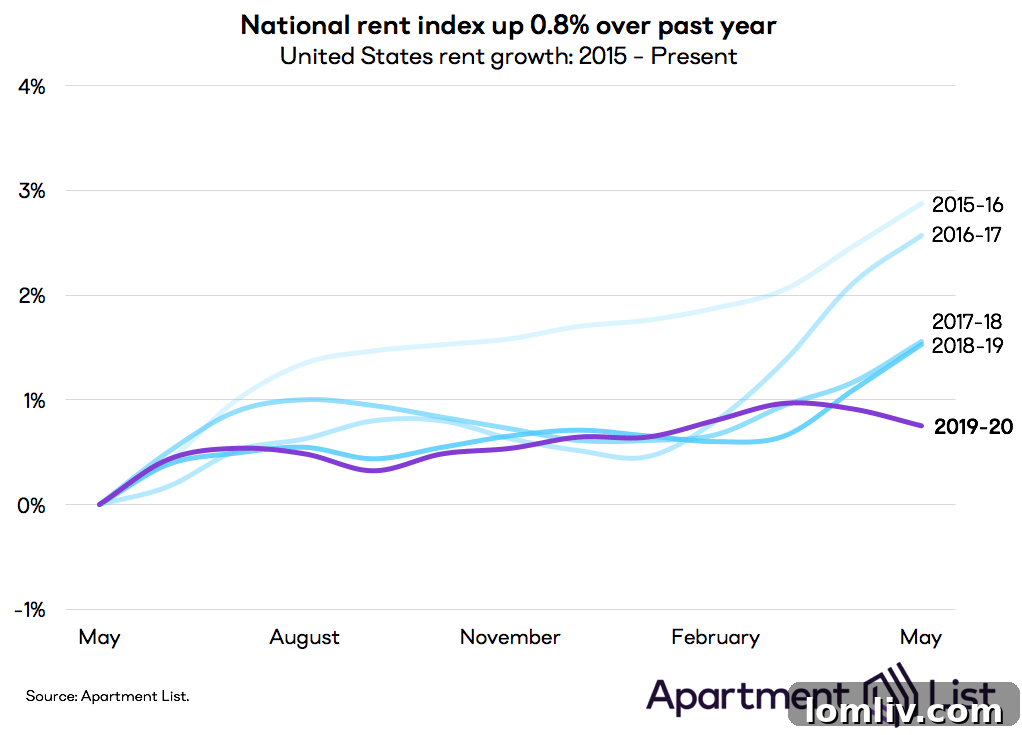
Currently, the median rental price for a one-bedroom apartment in Dallas stands at $914, while a two-bedroom unit commands a median of $1,136. This marks the second consecutive month of rent decreases for the city, following an upward surge observed in March. Such fluctuations are not uncommon in large urban markets and often reflect seasonal trends combined with immediate economic pressures. Despite these recent dips, Dallas’s year-over-year rent growth impressively outpaces both the state average of 0.6 percent and the national average of 0.8 percent, as reported by ApartmentList. This leadership position highlights the city’s strong economic fundamentals and persistent demand for housing, making it a key market to watch for real estate professionals and prospective residents alike. The continuous influx of businesses and talent ensures that any short-term cooling is likely part of a larger cycle of sustained development and appreciation in property values, making Dallas a compelling market for long-term investment.
Looking beyond the immediate downtown area, the broader Dallas metroplex presents a diverse rental landscape. McKinney, a rapidly growing suburb known for its quality of life, excellent schools, and family-friendly amenities, is experiencing notably higher rental appreciation. Rents in McKinney have seen a significant year-over-year increase of 1.8 percent, reflecting its escalating popularity and the strong demand for housing in its highly desirable communities. Plano, another prominent and affluent city within the Dallas metro, continues to hold the distinction of having the most expensive rents among the largest cities in the region. Here, a two-bedroom apartment carries a median rent of $1,461. While Plano experienced a slight month-over-month decline of 0.4 percent in the past month, its annual performance remains robustly positive, with rents rising by 1 percent over the past year. This consistent growth in key suburban areas like Plano and McKinney demonstrates the comprehensive strength and distributed economic activity across the entire Dallas-Fort Worth metropolitan region, offering a spectrum of housing options and price points for diverse tenant needs and preferences.
Homebuyer Priorities: When Strategic Compromise Meets the Dream Home
In the highly competitive and emotionally charged world of real estate, the journey to finding the “perfect” home often involves a delicate balance between aspiration and reality. A recent insightful study conducted by Lombardo Living, which surveyed over 1,700 eager homebuyers, sheds crucial light on what truly motivates purchasers in today’s dynamic market and, perhaps more importantly, where they are willing to draw the line when making concessions. The findings underscore that while the dream home remains a powerful ideal, most buyers approach the process with a pragmatic understanding that compromises are often a necessary part of securing a property that meets their core needs and financial constraints. This comprehensive study offers invaluable insights for both seasoned real estate agents guiding their clients through complex decisions and for sellers looking to strategically position their properties for maximum appeal and value.
The report revealed a significant trend: approximately one in three respondents admitted to compromising on at least one aspect of their desired home. Unsurprisingly, the primary driver for these adjustments was often budget limitations, highlighting the pervasive influence of financial realities on homebuying decisions, especially in a fluctuating market. Among the most common areas where buyers found themselves making concessions were the home’s layout, cited by 29 percent of respondents. This could involve settling for a less-than-ideal floor plan, perhaps an open concept when a more traditional layout was preferred, or vice-versa, to gain other benefits. Another equally prevalent compromise (29 percent) involved the age of the home or the extent of repairs needed, indicating a willingness among some buyers to take on renovation projects or accept older aesthetics in exchange for a more desirable location or better price point. The overall size of the home (26 percent) also frequently appeared on the list of compromises, with buyers often trading spaciousness for a more desirable location or a lower initial purchase price. Furthermore, aesthetic and functional updates played a role, with 23 percent compromising on an updated kitchen and 19 percent on updated bathrooms, suggesting that while highly desirable, these elements are often considered secondary to structural integrity, location, or overall affordability.
Interestingly, the study also highlighted gender-specific tendencies in the compromising process, with women generally more likely than their partners to report making concessions to close a deal. However, despite these differences, certain aspects of homeownership proved to be non-negotiable across both genders, reflecting deep-seated values and long-term investment considerations. Buyers showed a strong reluctance to compromise on the architectural style of the home, indicating a deep personal connection to aesthetic preferences and design integrity—the “curb appeal” and character of a property are often paramount. Equally important were the neighborhood and the local school system. These factors often represent more than just a place to live; they embody a chosen lifestyle, a sense of community belonging, and a crucial investment in future well-being and children’s education. This unwavering stance on location, community amenities, and fundamental design elements emphasizes that while certain interior features can be updated or changed over time, the essence of a home’s setting and architectural character are often paramount and irreversible.

While finding common ground on compromises is essential for a successful home purchase, certain obstacles can swiftly derail a deal, turning a hopeful transaction into a cancelled contract. Topping the list of deal-breakers, according to the Lombardo Living study, is a detrimental inspection report. A comprehensive home inspection often uncovers hidden issues, from structural flaws and foundational concerns to outdated electrical systems or significant plumbing problems, which can dramatically alter a property’s perceived value and the buyer’s willingness to proceed. Beyond tangible defects, the emotional and psychological aspects of homebuying also play a critical role, with almost a third of buyers opting to cancel a contract due to a “change of heart.” This phenomenon, often dubbed “buyer’s remorse” or “cold feet,” can arise from market uncertainties, second-guessing the massive financial commitment, or simply finding a more appealing option after the initial offer. Finally, financial realities remain a potent force, as budget issues were cited by 18 percent of buyers as the definitive reason for backing out of a contract. This could stem from unexpected closing costs, difficulties securing favorable financing, a sudden change in personal financial circumstances, or simply realizing the long-term affordability is not sustainable. Understanding these common pitfalls is vital for real estate professionals to proactively guide their clients, prepare for potential challenges, and ultimately facilitate smoother, more successful transactions in the complex and often unpredictable world of real estate.