The Evolving Landscape of Preston Center: Unpacking the Highland House Saga and Leland Burk’s Ambitions
Dallas, a metropolis continuously reshaping its skyline and urban fabric, frequently sees its vibrant real estate market ignite discussions around new developments and strategic acquisitions. The prestigious Preston Center area, a key hub in North Dallas, has recently become the focal point of such conversations, particularly concerning a significant property known as the Preston Doctor’s Center. While initial reports and widespread speculation briefly suggested a done deal, the reality of complex real estate transactions often involves a more nuanced and unfolding narrative, marked by strategic negotiations and critical due diligence periods.
It’s a foundational truth in the world of property development: a deal is never truly sealed until all contracts are formally signed and executed. This crucial principle underpins the current situation involving prominent Dallas developer Leland Burk and the highly anticipated Preston Doctor’s Center. Despite earlier media reports, which, understandably, led to some initial confusion among observers (and even seasoned journalists, as some have humorously admitted to “vacation brain” moments), Leland Burk does not yet hold the ownership title to the property. However, the pieces are decisively falling into place, and if the intricate plans proceed without unforeseen obstacles, Burk is expected to finalize the acquisition by October. This forthcoming ownership transfer signals a pivotal moment, poised to redefine the future trajectory of Preston Center West.
The Intricate Path to Acquisition: From Crosland Co. to Leland Burk’s Vision
The journey of the Preston Doctor’s Center towards new ownership has been a layered and dynamic process involving several key players. The property itself has remained under the ownership of the same entities for an extended period—reportedly two sisters, with varying levels of eagerness to sell this prime piece of Dallas real estate. Initially, Crosland Co., a reputable development firm, had secured a contract to purchase the property. This represented an early stage of what could have been a significant project under their stewardship.
As the initial contract term approached its expiration, Rick Williamson, a central figure in the intricate negotiations, played a crucial role by successfully extending Crosland Co.’s agreement. This extension underscored the continued strategic interest in the site and provided additional time for planning and assessment. However, the narrative took a significant turn when Crosland Co. opted not to proceed with the direct acquisition. Instead, they strategically assigned their purchase contract to an entity controlled by Leland Burk. This maneuver is a common practice in large-scale real estate, allowing for flexibility and often transferring development rights to a party with a specific vision, expertise, or capital for the subsequent phases of a project.
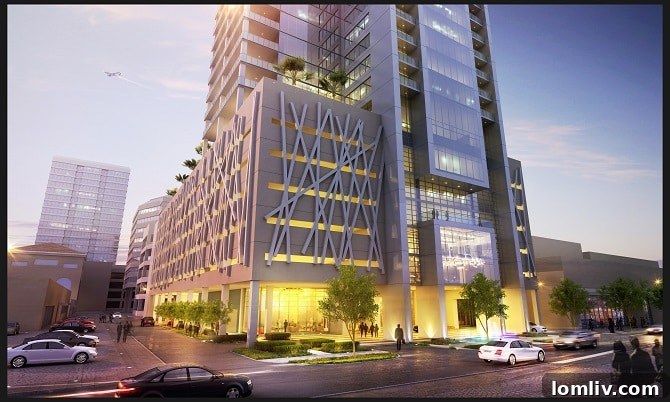
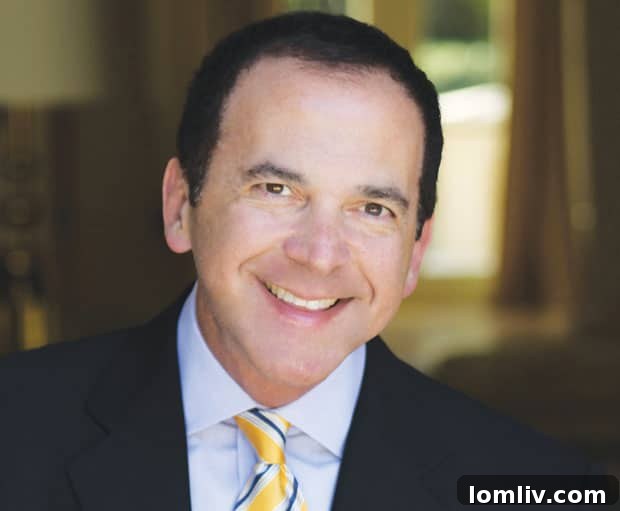
For Leland Burk, this assignment represents a momentous stride towards realizing his aspirations for the Preston Center area. It effectively positions him as the direct successor to Crosland Co.’s intent to acquire, paving the way for his unique vision to potentially reshape a critical segment of Dallas’s urban landscape. A direct consequence of this shift in the ownership trajectory was the withdrawal of the controversial Highland House proposal plans from the Dallas Planning & Zoning Commission. These plans had been previously tabled, pending a comprehensive land-use study, and their withdrawal now signals a fresh start and a potentially new direction for the site’s future development under Burk’s leadership.
Navigating the Due Diligence Phase: A Developer’s Strategic Prerogative
Leland Burk and his team are currently immersed in the crucial “due diligence” period—a standard, yet profoundly important, phase in any substantial real estate transaction. This isn’t a mere formality but an exhaustive and meticulous investigation into every conceivable facet of the property. During this intensive period, Burk’s experts will meticulously pore over an extensive range of documents and conduct thorough assessments, including detailed financial records, environmental impact reports, current zoning regulations, the structural integrity of existing buildings, any potential legal encumbrances, and a comprehensive analysis of market viability. This painstaking scrutiny is vital to ensure that all potential risks, liabilities, and opportunities associated with the acquisition are fully understood and accounted for before the final, binding commitment is made. It’s an indispensable step for any careful buyer, guaranteeing that all angles of the sale are meticulously evaluated and factored into the ultimate decision.
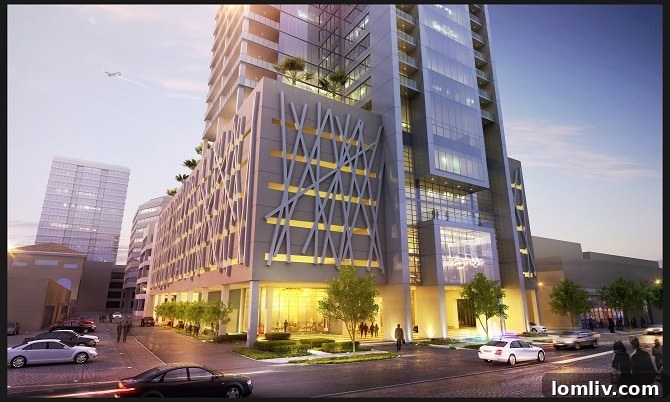
This comprehensive due diligence period also provides a strategic opportunity for a thorough re-evaluation of prior development concepts, such as the initial Highland House proposal. The original Highland House vision, which included plans for a prominent high-rise apartment tower, had ignited considerable debate and strong sentiments within the local community. While some residents and urban planners viewed it as a modern enhancement, promising increased density and vitality, others perceived it as an unwelcome and potentially overwhelming intrusion that could severely exacerbate existing neighborhood challenges. The strategic withdrawal of these plans by Burk’s team indicates a thoughtful and deliberate pivot in the development strategy, suggesting a potential shift towards a project concept that might better align with evolving community feedback, newly identified market demands, or a re-articulated vision for the site’s most optimal and sustainable use.
Beyond the Skyline: Unpacking Preston Center’s Core Challenges
Public discourse surrounding the Highland House proposal frequently fixated on its height, with notable figures such as former city council member Laura Miller famously drawing comparisons to the towering Reunion Tower. While architectural scale and aesthetic integration are undoubtedly legitimate concerns for any community contemplating significant development, focusing exclusively on height risks oversimplifying the deeper, more complex challenges that have long plagued Preston Center. My extensive engagement in numerous community meetings has consistently revealed a broader spectrum of concerns that resonate profoundly with residents and local businesses alike—issues that transcend mere architectural dimensions and delve into the fundamental livability, functionality, and long-term sustainability of the area.
Foremost among these widely acknowledged issues is the chronic and truly severe problem of traffic congestion within Preston Center. This isn’t attributable to a single cause but rather to a complex interplay of systemic and infrastructural deficiencies:
- Inefficient Parking Infrastructure: The antiquated design and often convoluted ingress/egress points of the central parking garage frequently create significant bottlenecks and frustrating delays, turning daily errands and commutes into arduous experiences for shoppers and office workers.
- Disjointed and Inadequate Street Network: The reliance on an often-confusing network of one-way streets around the core area, while theoretically intended to improve flow, paradoxically leads to driver disorientation and necessitates circuitous routes, thereby increasing journey times and overall traffic volume.
- Logistical Nightmare of Delivery Operations: A significant and visibly disruptive contributor to congestion is the haphazard nature of commercial delivery operations. Trucks frequently double-park or stop directly in traffic lanes to offload goods, blocking thoroughfares and severely disrupting the flow of traffic during critical peak hours.
- Over-Densification of Commercial Space: The sheer concentration of office spaces within the area, without commensurate investment in modern, adaptable infrastructure, generates an overwhelming daily influx and efflux of vehicles, pushing the existing road network well beyond its sustainable capacity.
These interconnected factors collectively transform what should be a straightforward commute or a quick errand into a prolonged, stressful, and often exasperating experience for anyone attempting to navigate Preston Center. It is unequivocally clear that any future development, regardless of its architectural ambition, must proactively integrate tangible, forward-thinking solutions to these deeply ingrained and widely acknowledged infrastructure challenges.
Envisioning a More Harmonious Preston Center: The “West-Village-esque” Ideal
The aspirations for Preston Center extend far beyond merely alleviating traffic woes; they encompass a comprehensive and transformative re-envisioning of its entire urban character. The evocative idea of making the area “more West-Village-esque” resonates deeply with a significant portion of the community, who yearn for a vibrant, pedestrian-friendly, and truly mixed-use environment. This compelling vision advocates for the creation of a harmonious tapestry of residential living, diverse retail options, inviting dining establishments, and accessible green spaces. The goal is to cultivate a dynamic community where residents and visitors can effortlessly live, work, and socialize, significantly reducing the sole reliance on vehicular transport.
Such a profound transformation would necessitate the careful planning and execution of residential developments that genuinely enhance, rather than detract from, the area’s inherent appeal and functionality. One can envision charming, tree-lined streets, bustling and inviting storefronts, thoughtfully designed public plazas that encourage community gathering, and a diverse array of housing options capable of catering to various lifestyles and demographics. This progressive approach prioritizes human-scale design and fosters authentic community interaction, moving decisively away from isolated, monolithic structures towards integrated urban designs that contribute meaningfully to a lively, walkable, and engaging streetscape. For Leland Burk, assuming his acquisition proceeds as planned, this extensive due diligence period presents an unparalleled opportunity. It is a golden window to engage proactively and collaboratively with both the community and the city’s urban planning departments, to meticulously craft a development strategy that not only revitalizes the Preston Doctor’s Center site but also serves as a powerful catalyst for a broader, profoundly positive, and sustainable change across the entirety of Preston Center West.
The “Big Hot Mess” and the Promise of a New Beginning
In the current landscape, a prevailing sentiment among many stakeholders is that Preston Center West can be accurately described, as one candid observer aptly put it, as “one Big Hot Mess.” This colloquial but powerfully expressive phrase encapsulates the collective frustration stemming from the existing state of affairs—the pervasive traffic congestion, the aging and often inadequate infrastructure, and a perceived lack of cohesive, forward-thinking urban planning that has long complicated the area’s development. This “mess” is more than just a minor inconvenience; it represents a significant impediment to the area’s full realization as a premier, functional, and desirable destination within North Dallas.
Perhaps this refreshingly direct and honest assessment should even serve as an inspiring, albeit informal, nickname for the ongoing land-use study itself. Directly acknowledging the depth and breadth of the problem is, invariably, the crucial first step towards formulating truly effective and impactful solutions. The comprehensive land-use study, initiated and overseen by the Dallas Planning & Zoning Commission, is therefore of paramount importance. It is designed to meticulously lay the groundwork for future development that is inherently sustainable, aesthetically pleasing, and demonstrably beneficial to the entire community. This study represents a critical opportunity to thoroughly analyze the existing conditions, accurately forecast future needs and demands, and propose holistic, integrated strategies that address everything from optimizing traffic flow and enhancing green spaces to refining building aesthetics and bolstering long-term economic vitality.
Leland Burk’s potential acquisition and subsequent ambitious development plans for the Preston Doctor’s Center arrive at a truly critical juncture for Dallas. This undertaking represents far more than just another significant real estate transaction; it embodies a profound opportunity to redefine and revitalize a substantial and strategically vital part of the city. The community holds high expectations for thoughtful, innovative development that not only mitigates long-standing issues but also introduces valuable new amenities and ushers in a significantly higher quality of urban living. The coming months will be decisive in determining whether this acknowledged “Big Hot Mess” can indeed be systematically transformed into a shining model of modern urban planning and community-centric development, ultimately setting a compelling new standard for successful mixed-use environments across the burgeoning landscape of Dallas.