In an era where digital infrastructure underpins virtually every aspect of urban life, the City of Dallas, the ninth-largest municipality in the United States, faced a significant challenge earlier this year. A sophisticated ransomware attack in May brought critical city services to a grinding halt, exposing the vulnerabilities even the most advanced urban centers can harbor. For residents who only recently began interacting with the city’s online dashboards, the widespread disruption caused by this cyber incident might have gone largely unnoticed, a testament to the city’s ongoing efforts to restore and enhance its digital resilience.
The aftermath of the cyber onslaught prompted swift action from city leaders. Recognizing the urgent need to fortify its digital defenses, the Dallas City Council convened on June 28 and approved a substantial investment. Nearly $4 million was allocated to Netsync Network Solutions, a Houston-based firm specializing in network security. This multi-year contract, spanning three years, is dedicated to installing and maintaining a cutting-edge “threat and anomaly detection system” for the Information and Technology Services Department. This crucial upgrade signifies a proactive shift, embedding around-the-clock security monitoring into the city’s core operations, ensuring a vigilant watch over its vast digital ecosystem.
Unpacking the Dallas Ransomware Attack: A Timeline of Disruption
The security breach, orchestrated by a group known as Royal Ransomware, first surfaced on May 3, 2023. The immediate repercussions were stark and widespread. A scheduled council meeting had to be postponed due to the unforeseen technical difficulties, serving as the first public indicator of a major system compromise. Almost immediately, the city began issuing statements detailing the extent of the disruption. The public library system, a vital resource for countless residents, was forced offline. Services essential for urban development, such as securing building permits, could only be processed in person, creating backlogs and inconveniences for developers and homeowners alike. Even essential utilities were affected, with Dallas Water Utilities billing systems becoming inaccessible. Furthermore, the 311 non-emergency app, a critical channel for citizen requests and reporting, ceased to function, leaving residents without a convenient digital pathway for routine city services.

One of the most concerning and prolonged impacts of the attack was on the Dallas Police Department’s public-facing crime dashboard. For months following the incident, the dashboard remained static, devoid of updated data. This not only hampered public access to crucial crime statistics but also affected researchers, journalists, and community organizations relying on real-time information for analysis and advocacy. Users who had bookmarked the page prior to May 3 found themselves greeted with a system error, underscoring the depth of the digital compromise and the prolonged recovery period.
Navigating the Aftermath: City’s Response and Communication Strategy
In the immediate aftermath, city officials maintained a notably guarded stance regarding the specifics of the hack. Communications Director Catherine Cuellar advised them to limit their public statements to a few vague acknowledgments. This tight-lipped approach, while frustrating for a public eager for information, was a calculated move. The matter was discussed several times in closed sessions by the Dallas City Council, indicating the sensitive nature of the ongoing investigation and the potential for exacerbating the situation through premature disclosures. This cautious strategy is often employed in cyberattack scenarios to prevent further exploitation by attackers or to safeguard the integrity of the investigation.
Days after the attack, Chief Information Officer Bill Zielinski provided an update to the council in a public briefing, confirming that hackers associated with the notorious Royal Ransomware group were indeed behind the incident. Zielinski, speaking during a May 8 Public Safety Committee Meeting, articulated the delicate balance between transparency and operational security. “This is an ongoing criminal investigation and the city cannot comment on specific details related to the method or means of the attack, the mode of remediation, or potential communications with the party launching the attack,” Zielinski stated. He emphasized that divulging such information risked impeding the investigation or, more critically, exposing sensitive details that could be further exploited by the attackers, prolonging the crisis.
Fortifying Dallas Public Safety and Digital Infrastructure
The city’s commitment to public safety extends beyond traditional law enforcement to encompass the digital realm. The Dallas Police Department (DPD), while contending with the broader implications of the cyberattack, has also been implementing its own strategic advancements. This week marked the launch of DPD’s new online reporting system for nonviolent offenses. This innovative program offers residents a streamlined way to report minor incidents that do not necessitate an immediate on-scene officer presence. This includes crimes such as criminal mischief, graffiti, and harassing phone calls, providing a convenient and efficient alternative to traditional reporting methods.
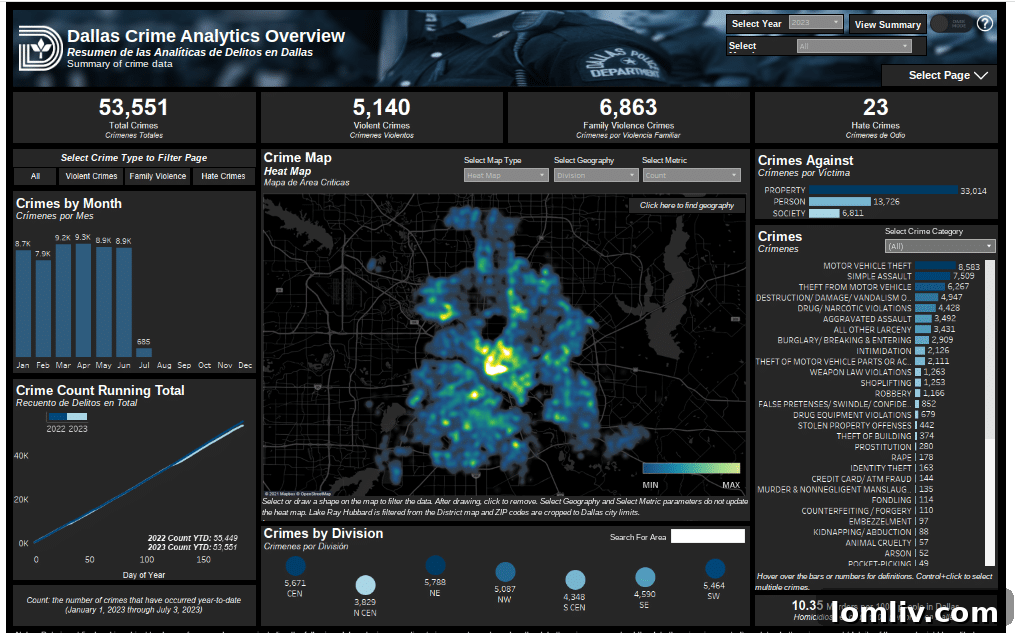
Despite Mayor Eric Johnson’s commendation of Police Chief Eddie Garcia’s Violent Crime Reduction Plan and reported drops in violent crime rates, the DPD faces its own set of internal challenges. A significant staffing shortage and persistent pension plan problems continue to plague the department, straining its resources and operational capabilities. City officials have explicitly stated that the transition to the new online reporting system is not a direct consequence of the ransomware attack. Instead, it is a strategic initiative designed to optimize police resources, allowing patrol officers to be freed up for crimes requiring immediate, on-site attention, thereby enhancing overall public safety response times and efficiency.
Rebuilding Trust: The $4 Million Investment in Cybersecurity
The $4 million contract with Netsync Network Solutions represents a pivotal step in Dallas’s journey toward enhanced cyber resilience. According to official city documents, this comprehensive agreement covers a suite of services specifically designed to “aid in protecting the city’s network and systems against internal and external cyber threats to the organization including potential ransomware.” The system is engineered to provide advanced capabilities, including improved data storage for investigative purposes related to cyber and log events, a crucial component for forensic analysis and understanding attack vectors. Moreover, it leverages artificial intelligence to reduce false threat alerts, ensuring that security personnel can focus on genuine threats and respond with greater precision. This integrated approach signifies a robust defense strategy, aiming to detect anomalies before they escalate into full-blown crises.
It is important to note that, as of the latest reports gathered by daltxrealestate.com, there have been no confirmed reports of personal information belonging to city employees or website users being stolen or compromised during the ransomware attack. This outcome, while fortunate, underscores the critical need for continuous vigilance and investment in cybersecurity infrastructure. The city’s proactive measures, particularly the significant investment in the Netsync system, are designed to safeguard sensitive data and maintain the public’s trust in its digital services.
Beyond the Breach: Dallas’s Path to Enduring Cyber Resilience
The ransomware attack on the City of Dallas serves as a stark reminder of the persistent and evolving threat landscape facing municipalities worldwide. Such incidents highlight the critical importance of robust cybersecurity frameworks, not just as a technical necessity but as a fundamental pillar of modern governance and public service delivery. The experience of Dallas underscores several key lessons:
- Proactive Investment is Paramount: Waiting for an attack to occur is no longer a viable strategy. Continuous investment in advanced detection systems, secure infrastructure, and skilled personnel is essential. The $4 million contract with Netsync is a testament to this understanding, moving the city towards a more predictive and preventative security posture.
- Comprehensive Incident Response Planning: While the city’s initial communication strategy was tight-lipped, it was part of a broader incident response aimed at protecting the investigation. Effective plans must balance public transparency with the need to prevent further harm and ensure successful remediation.
- Employee Training and Awareness: Human error remains a significant vulnerability in cybersecurity. Regular training for all city employees on best practices, phishing detection, and secure data handling is crucial to building a resilient organizational culture.
- Collaboration with Federal and State Authorities: The engagement with federal and state authorities, as noted in the initial reports, is vital for leveraging specialized expertise, intelligence sharing, and coordinated investigative efforts against sophisticated cybercriminal groups like Royal Ransomware.
- Maintaining Service Continuity: The disruption to services like building permits, library access, and water billing highlighted the deep dependency on digital systems. Developing robust backup and recovery protocols, along with offline contingency plans, is essential to minimize service interruptions during future incidents.
The City of Dallas is now on a clear path to enhancing its digital resilience, learning valuable lessons from the recent cyber onslaught. The partnership with Netsync Network Solutions, incorporating 24/7 monitoring and artificial intelligence, represents a significant leap forward in protecting essential services and citizen data. While challenges such as staffing shortages within departments like the DPD persist, the city’s commitment to modernizing its reporting systems and safeguarding its digital assets signals a strong resolve to overcome these hurdles. The ultimate goal is to ensure that the vital services Dallas provides remain secure, accessible, and dependable for all its residents, reinforcing public trust in an increasingly interconnected and vulnerable world.