Understanding Gentefication: A New Perspective on Neighborhood Change
The urban landscape is in constant flux, shaped by economic forces, cultural shifts, and demographic movements. One of the most significant and often contentious processes is gentrification, a term widely understood as the process of renovating and improving a house or district so that it conforms to middle-class taste. However, a more nuanced phenomenon has emerged, particularly within ethnic communities: “gentefication.” This decade-old term, which originated in the vibrant Latino neighborhood of Boyle Heights in Los Angeles, offers a unique lens through which to view neighborhood transformation.
“Gentefication” is a compelling portmanteau, a linguistic blend of two or more words and their meanings, combining “gente” (Spanish for “people”) and “gentrification.” It describes a specific scenario: affluent Latinos returning to the historically working-class neighborhoods their parents or grandparents once sought to leave. Equipped with greater financial resources, these individuals embark on an internal revitalization, aiming to gentrify the area from within their own cultural framework. The core distinction lies in the stated intent: rather than displacing existing residents or stripping away cultural heritage, gentefication often seeks to preserve and uplift the existing ethnic fabric through indigenous investment and development.
While gentefication presents itself as a potentially more palatable alternative to traditional, often criticized “white-washing” processes that erase local identity—such as the transformation seen in areas like Uptown—it is not without its complexities and controversies. The arrival of newly middle-class entrepreneurs, including a new generation of minority hipsters and trendsetters, can generate apprehension among established working-class residents. These long-term inhabitants fear being priced out of their homes and businesses, a concern that transcends the ethnicity of the renovators. This deep-seated suspicion, rooted in the disparities of wealth, is a hallmark of societal responses to any form of gentrification, regardless of who is driving the change.
There’s also a legitimate concern that gentefication might not be a permanent solution but rather a transitional phase, a midpoint on the path to full-blown gentrification. In this scenario, the initial drive for cultural preservation could ultimately be overshadowed and even commodified, reducing authentic ethnic roots to a mere “sideshow” or a superficial selling point. Cultural identity, rather than being genuinely preserved and nurtured, might become a caricature, attracting new residents who seek a curated, sanitized version of diversity—a “plasticity” and perceived safety rather than genuine cultural immersion. One might recall the transformation of New York’s Times Square before the arrival of major corporations like Disney, where distinct local character was eventually diluted by commercial homogenization.
Addressing Urban Transformation: Insights from the Latino Center for Leadership Development
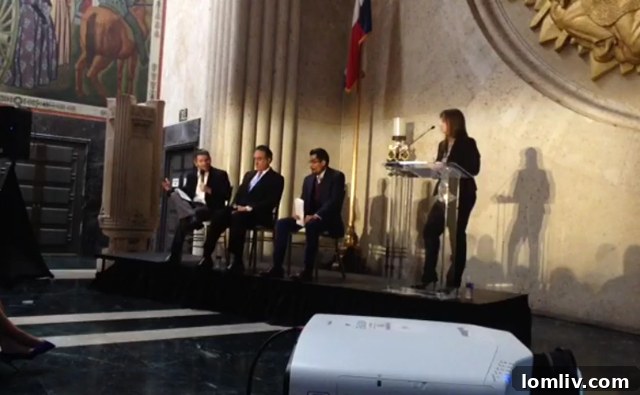
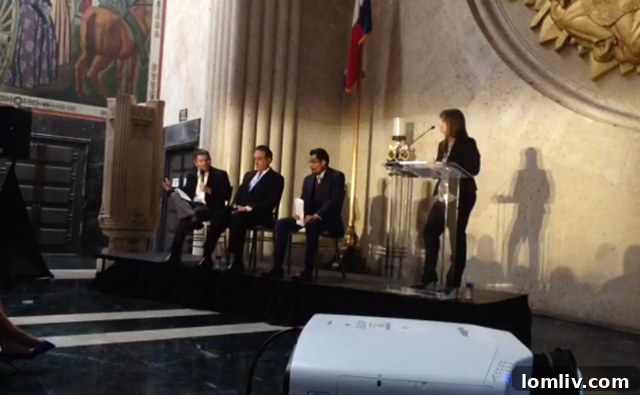
Recognizing the intricate issues surrounding gentefication and broader urban development, the Latino Center for Leadership Development, in collaboration with Southern Methodist University (SMU), organized a crucial policy forum at Fair Park on January 30th. The event, which drew a sold-out crowd, brought together experts to delve into these multifaceted challenges. Among the distinguished speakers were Mike Koprowski from Opportunity Dallas and former U.S. Housing and Urban Development (HUD) Secretary Henry Cisneros, who is now a principal with the investment bank Siebert, Cisneros, Shank & Company. Their insights highlighted the critical components of urban change: economic, ethnic, and the often-overlooked factor of age. The discussions brought into sharp focus the painful realities of both financial and ethnic displacement that define many urban revitalization efforts.
The Economic Imperative: Financial Displacement in Gentrifying Areas
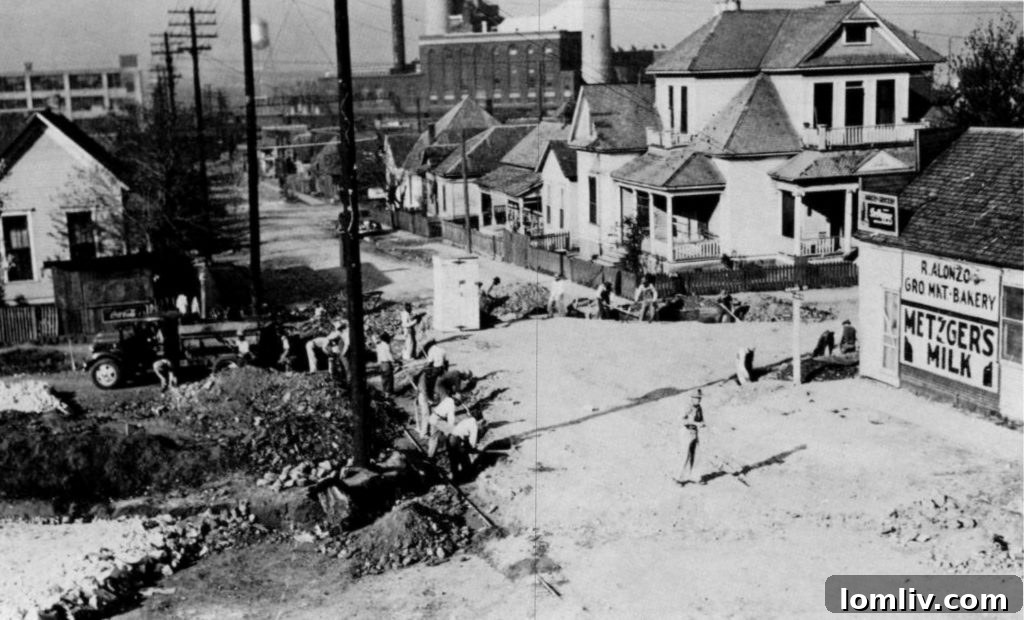
At the heart of most gentrification conversations are the undeniable financial aspects. The process typically involves wealthier individuals moving into lower-income neighborhoods, triggering a rapid surge in property values and, consequently, property taxes. For existing homeowners, especially those on fixed incomes or with limited resources, these escalating taxes can become an unbearable burden, often compelling them to sell their cherished homes and relocate. Renters face an even more immediate threat, as increased demand and rising property taxes are invariably passed on to them in the form of higher rents, quickly pricing them out of their communities.
This dynamic is particularly acute in regions like Texas, where the absence of a state income tax means that local municipalities heavily rely on property taxes to fund essential services. This structural reliance often translates into higher property tax rates, intensifying the pressure on residents in gentrifying areas. Many homeowners across the state have witnessed their assessed property values skyrocket by a third or more in just a few years. Imagine the immense pressure on a family living in a rapidly gentrifying neighborhood where property values might double or even triple in a short period. The allure of potential wealth often clashes directly with the struggle for financial survival for long-term residents.
Cultural Layers and Shifting Identities: A Deeper Look at History
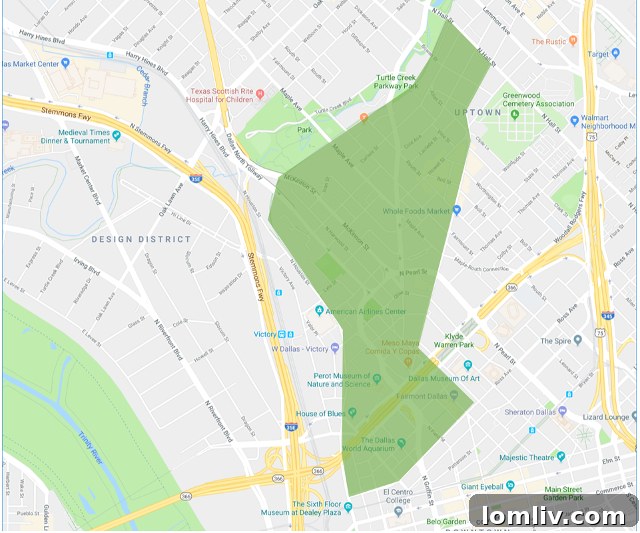
Beyond economics, the ethnic and cultural ramifications of gentrification are increasingly vital to the discourse, particularly as lower-income areas frequently comprise minority populations. Dallas’s own history offers a compelling example with “Little Mexico,” a once-thriving Latino neighborhood that encompassed parts of what are now the upscale Uptown and Victory Park districts. This area, after its heyday in the 1960s, experienced a decline before developers, often with municipal support, acquired significant land parcels for modern redevelopment.
Crucially, the history of Little Mexico is not a monolithic narrative. It’s important to remember that the area was not always exclusively Mexican. In the late 1800s, it was initially settled by Polish-Jewish immigrants before attracting a significant influx of Mexicans in the 1910s, many of whom were fleeing the turmoil of the Mexican Revolution. The very name “Little Mexico” wasn’t coined until 1919, highlighting the layered history of urban communities. Similarly, near Fair Park, the South Blvd. area, originally built by prominent Jewish families, later became a predominantly Black neighborhood. Its current renaissance is driven by a Black equivalent of gentefication, yet, beyond academic footnotes, there is often little recognition of the Jewish business leaders who originally founded and developed the area.
This observation reveals a significant point of contention: cultural identity movements within gentrification discussions often exhibit a “limited look back,” focusing predominantly on the most recent cultural layer rather than embracing a more expansive historical narrative. If the true goal is the preservation of cultural richness and the intricate tapestry of a neighborhood’s past, a more encompassing and multi-layered perspective is essential. Focusing only on the immediate past can feel almost performative, freezing the passage of time at a convenient historical marker rather than celebrating the full spectrum of a community’s heritage.
Neighborhood Evolution: The Unspoken Role of Age in Urban Change
Age is an often-unacknowledged yet powerful factor in nearly all gentrification discussions. While it doesn’t always strictly align with ethnic boundaries, it serves as another significant vector for neighborhood transformation. This process often sees older residents “moving on,” either by choice, necessity, or circumstance, rather than actively selling their properties to developers. Consider any established neighborhood: children grow up and move away, while parents age. Some may choose to downsize and relocate, but many remain in their “forever homes” until they can no longer do so. The new owners who move in are frequently considerably younger, often mirroring the age of the prior owners when they first purchased the home decades earlier.
This infusion of youth brings a new wave of vibrancy, fresh perspectives, and often, more substantial financial resources to invest in home improvements and local businesses. This generational shift contributes significantly to the changing character and economic dynamics of a neighborhood, representing a natural, albeit impactful, form of demographic gentrification.
Gentrification Through Time: A Natural Process with Modern Concerns
It is crucial to acknowledge that gentrification, in its broadest sense, is far from a novel phenomenon. Urban areas have always experienced cycles of decline, renewal, and transformation. However, what is relatively new is our contemporary desire to actively mark, celebrate, and, in some cases, lament specific periods of a neighborhood’s past – though often only the recent past. Whether this selective historical recall is inherently good or bad remains debatable. In the immediate term, it can feel gratifying to remember those who came just before us. Yet, in the grander scheme of things, beyond understanding the natural ebb and flow of populations, do these spatial and cultural demarcations hold more than a fleeting curiosity for future generations?
What remains constant is that gentrification, as a natural urban process, has never truly had a “cure.” I recently encountered a documentary tracing the ownership history of a 175-year-old townhouse in Scotland. What began as an exclusive single-family residence for the upper classes experienced numerous shifts over the decades, enduring racial changes and economic downturns. By the 1970s, at its nadir, it had been divided into apartments and could be purchased for half its original 1840s value. Since then, it has been gentrified back into a prominent single-family home, illustrating the cyclical nature of property values and neighborhood desirability.
The truly “new” aspect of current gentrification discussions centers on a deeper concern for the displaced: where do they go? As cities like Dallas mature and their “cone of affordability” shrinks, there’s a fresh and welcome emphasis on placing value and importance on maintaining a population diverse in both income and race. This shift reflects a growing societal awareness that urban progress should not come at the cost of social equity and inclusion.
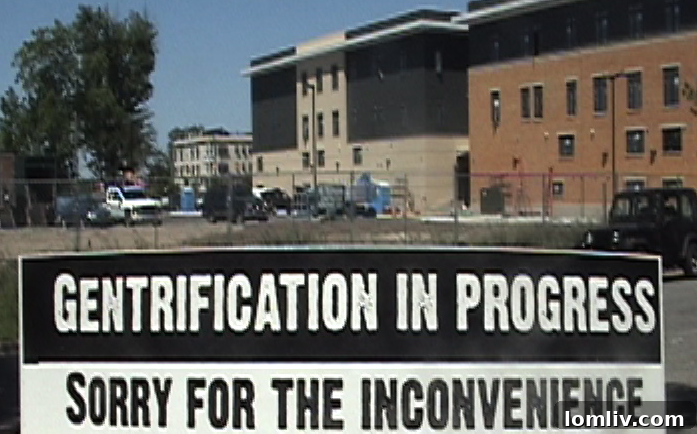
Managing the Pace: The Need for Deliberate Urban Planning
One of the most valuable insights from urban planning discussions, particularly concerning gentrification, is the critical role of “speed.” Left unchecked, gentrification can occur with alarming rapidity, swiftly displacing residents as they are priced out or bought out. This is where municipal leadership becomes indispensable, yet many cities perform poorly in proactive management. Effective strategies are crucial to mitigate the adverse effects of rapid change.
Some progressive municipalities have implemented policies such as freezing property taxes for existing long-term residents in gentrifying areas. This measure aims to minimize the personal financial hardship that accompanies rising property values, allowing residents to remain in their homes without facing insurmountable tax burdens. Other cities proactively identify areas ripe for gentrification and intervene with various programs and options designed to support and retain existing residents.
For instance, as property values increase in gentrifying neighborhoods, well-designed municipal programs could offer targeted loans or grants. These initiatives could empower property owners with newfound equity to renovate and improve their homes or businesses, rather than feeling compelled to abandon them to developers. Such programs, while assuming manageable repayment terms, become particularly viable when unemployment rates are significantly lower, even for minority populations who are historically the last to benefit from economic upturns. These opportunities are not just for homeowners but are equally vital for small business owners who form the backbone of local economies.
This is precisely where the concept of gentefication can play a crucial role in moderating the speed of traditional gentrification. Imagine a long-standing, family-owned restaurant in a rapidly developing area. With strategic support and access to capital, the owners could renovate their establishment, allowing them to attract and serve new residents and visitors while simultaneously retaining their loyal, long-term customer base. This approach ensures continuity and cultural preservation.
Similarly, a homeowner might qualify for a Home Equity Line of Credit (HELOC) or a similar loan to undertake necessary repairs and improvements, enabling them to remain in their home and community for the long term, thereby benefiting from future appreciation.
Addressing Historical Inequities: Wealth Creation Through Managed Gentrification
There’s another powerful reason to prioritize keeping original residents in their properties during periods of change: wealth appreciation. Many areas currently experiencing gentrification were historically subjected to discriminatory practices like redlining. Redlining artificially suppressed property values for decades by denying access to mortgages and investment in minority neighborhoods. By enabling residents to hold onto their homes and businesses through gentrification, communities can swiftly recoup the equity lost to these past injustices. This shift in wealth provides owners with significantly expanded options. For example, a $100,000 home in Southern Dallas that doubles or triples in value due to gentrification grants its owner far more choices for their future living situation than they would have had without this appreciation. The key, however, is the ability to hold on for as long as possible.
A California study mentioned during the policy forum underscored a stark wealth disparity: for every dollar in Caucasian wealth, minorities essentially possessed only a penny. The strategic shifting of wealth, which is inherently part of gentrification, can be leveraged to address this profound inequality. If managed thoughtfully, gentrification can offer a positive outcome by creating avenues for wealth accumulation for historically marginalized groups, providing them with greater financial stability and opportunity.
Ultimately, urban transformation and neighborhood change are inevitable processes that will touch nearly every community at some point. The critical task for municipalities is to actively manage this change. The goal should be to enable those who might otherwise be priced out of an area to genuinely benefit from property appreciation, thereby providing them with better options, whether they choose to stay and thrive or to move with newfound equity. It’s unsurprising that a California survey cited by one presenter revealed that two-thirds of both Black and Hispanic respondents held a negative view of gentrification, highlighting the urgent need for equitable and inclusive urban planning strategies.

About the Author: My focus areas include high-rises, HOAs, and property renovations, offering insights into the dynamics of modern urban living. I also deeply appreciate the delicate balance between preserving modern and historical architecture and supporting the YIMBY (Yes In My Backyard) movement, which advocates for increased housing density. My writing has been recognized by the National Association of Real Estate Editors, earning two Bronze awards in 2016 and 2017, along with two Silver awards in 2016 and 2017. If you have a story to share or wish to connect, please feel free to email me at [email protected].