Many individuals purchase a home with the sincere expectation that it will appreciate in value over time, serving as a cornerstone for building long-term financial stability and personal security. Indeed, a house often provides much more than just shelter; it offers a profound sense of comfort, a safe haven, and the potential for accumulating future equity, particularly when real estate market conditions remain robust and the property’s upkeep is manageable. For countless families, homeownership represents the quintessential “American Dream,” a significant life achievement, and a foundation upon which to build a thriving future.

However, life is inherently unpredictable, and circumstances can shift dramatically and unexpectedly. A property that was once considered a sound investment and a source of pride can, over time, begin to feel like an insurmountable financial drain and an overwhelming source of stress. The cumulative weight of ongoing expenses, unforeseen and costly repairs, or significant life changes can transform the dream of homeownership into a persistent nightmare. When this occurs, homeowners often find themselves re-evaluating their property’s role in their lives and actively seeking alternative solutions to move forward. Recognizing this critical shift from asset to liability is the crucial first step toward reclaiming financial freedom and peace of mind.
When Escalating Monthly Housing Costs Outpace Your Budget
The financial demands of owning a home are extensive and can, under certain conditions, quickly become unmanageable. A house truly becomes financially challenging when the collective burden of regular, recurring expenses starts to exceed what the homeowner can comfortably afford within their established budget. These fundamental costs typically encompass significant monthly mortgage payments, ever-increasing property insurance premiums, a variety of utility bills (electricity, water, gas, internet, waste management), and annual property taxes, which are subject to reevaluation and often rise. Even seemingly minor increases in interest rates, insurance policies, or local property tax assessments can collectively push these monthly expenditures far higher than initially anticipated, squeezing already tight budgets.
This critical transition from manageable to overwhelming is frequently triggered by a series of unexpected financial or personal changes. A sudden job loss, a substantial reduction in household income, unforeseen medical emergencies, or new family responsibilities (such as caring for elderly parents or welcoming new children) can drastically alter a household’s financial landscape. When income streams diminish while housing costs remain steady or continue their upward trajectory, the property can rapidly transform from a cherished asset into a relentless monthly burden, creating immense stress and anxiety. Many homeowners find themselves in a challenging cycle, struggling to keep pace with these escalating costs, which can impact every aspect of their financial and personal lives. Understanding these common triggers is vital for proactive financial planning and decision-making.
Exploring Direct Selling Options for Immediate Financial Relief

When a property begins to exert significant financial pressure, many homeowners are compelled to explore faster and more efficient selling options specifically designed to reduce long-term expenses and provide a swift exit strategy. The traditional real estate market, while effective for many, often entails a lengthy, demanding, and costly process. This path typically requires homeowners to invest substantial time and money into repairs, renovations, professional cleaning, home staging, extensive marketing, and hosting numerous open houses, all while waiting for potential buyers to make competitive offers. This entire conventional selling journey can easily span several months, from the initial listing to the final closing, during which the homeowner continues to bear all the regular property costs, including mortgage, taxes, insurance, and utilities.
In stark contrast, direct home buyers offer a compelling and increasingly popular alternative for those seeking a quicker, simpler, and more predictable sale. Companies specializing in direct property purchases, frequently advertised as cash home buyers, focus on acquiring properties rapidly, often in their current “as-is” condition. This means homeowners are not required to undertake major repairs, staging, or time-consuming marketing efforts. For sellers in specific metropolitan areas, such as Las Vegas, searching for “cash home buyers Las Vegas” can connect them with local reputable firms that specialize in streamlining this process. This direct approach empowers homeowners to divest themselves of ongoing property costs much sooner, providing immediate financial relief and enabling a much-needed fresh start. This method is particularly appealing for those facing urgent financial needs, dealing with inherited properties they cannot manage, or individuals simply overwhelmed by the complexities and uncertainties of the traditional selling process.
A growing number of sellers choose this accelerated route when maintaining the home becomes financially unsustainable or physically demanding, or when they require a rapid financial reset to address other life priorities. By completing a sale quickly, often within a matter of weeks, homeowners can redirect their energy, focus, and remaining resources toward rebuilding their finances, exploring new opportunities, and moving forward with their lives, rather than being constantly burdened by rising property expenses and the drawn-out nature of a conventional sale. This streamlined process eliminates much of the uncertainty, delay, and hidden costs associated with listing a home on the open market, offering a predictable and highly efficient solution for those in need.
When Cumulative Repair Costs Become an Overwhelming “Money Pit”
All homes, regardless of their age or initial quality, demand ongoing maintenance and occasional repairs to preserve their structural integrity, functionality, and aesthetic appeal. Minor repairs, such as addressing a leaky faucet or replacing a faulty light switch, may appear manageable and inexpensive initially. However, as properties age, the likelihood of encountering more significant, complex, and often extremely expensive problems increases dramatically. Issues with the roof, which can lead to extensive water damage and structural compromises; major plumbing failures, potentially causing widespread water damage, mold growth, and costly clean-up; outdated or faulty electrical systems posing serious safety hazards; and aging HVAC systems that are inefficient or require complete replacement, can quickly escalate the true cost of owning a home. These critical repairs often come with hefty price tags, frequently running into tens of thousands of dollars, far exceeding the typical homeowner’s emergency fund.
When multiple major repairs arise within a short period, homeowners can find themselves feeling completely overwhelmed by the relentless financial demands. Each project adds another substantial bill, rapidly draining savings, accumulating debt, and generating immense stress. Furthermore, delaying necessary repairs, whether due to a lack of funds or insufficient time, can inevitably lead to even more extensive and prohibitively costly damage down the line, effectively transforming a manageable problem into a catastrophic one. A property that once represented a solid investment and a comfortable living space may begin to demand constant attention, significant financial input, and endless worrying, quickly earning it the dreaded reputation of a “money pit” rather than a cherished asset.
In many instances, the initial repair estimates for crucial systems like a new roof, foundation stabilization, or a complete HVAC overhaul come in far higher than expected, delivering a harsh dose of reality. This often fundamentally changes how people perceive their property, shifting their perspective from a growing investment to an unending and unpredictable financial responsibility. For some, it becomes unequivocally clear that pouring more good money after bad into a problematic home is no longer a viable or wise financial decision, prompting them to actively explore selling options to escape the relentless cycle of continuous, unpredictable, and rapidly escalating expenses.
The Unexpected Financial Drain of Vacant or Inherited Properties
A vacant property, while seemingly benign on the surface, can quickly evolve into an unexpected and significant source of financial pressure. Even when no one actively resides in the home, the expenses associated with its ownership continue unabated. Essential costs such as property insurance (which may even increase for vacant homes), property taxes, and basic ongoing maintenance (e.g., landscaping, pest control, utility standby fees) are still necessary to keep the home in good condition, secure, and compliant with local regulations. Furthermore, vacant homes are inherently more susceptible to risks like vandalism, theft, squatters, or rapid deterioration due to a lack of regular oversight, potentially leading to additional security measures and costly, unforeseen repairs.
Inherited homes often present similar, and sometimes even more complex, financial and logistical challenges. Family members who inherit property may already have their own stable housing situation, making the prospect of managing a second, often unwanted, property incredibly daunting. This frequently involves difficult decisions about whether to move in, rent it out (which introduces landlord responsibilities and potential tenant issues), or sell it outright. Managing an inherited property can also be complicated by emotional attachments, potential disagreements among multiple heirs, or simply the geographic distance involved if the inheritors live far away. The property itself may require significant updates, repairs, or deep cleaning before it becomes habitable, marketable, or even rentable, adding another layer of expense and effort to an already complex situation.
Beyond the fundamental costs, vacant homes specifically may necessitate regular landscaping and yard work to maintain curb appeal and avoid city code violations, routine security checks to deter unwelcome intrusions, and occasional repairs to prevent rapid disrepair caused by neglect. These cumulative responsibilities add significantly to the overall cost of ownership, transforming what should be a valuable asset into a persistent financial burden. For many, the sheer effort, ongoing expense, and emotional toll of maintaining an unoccupied or inherited property quickly outweigh any potential long-term gain, making a swift and decisive sale the most appealing, practical, and liberating solution.
When Market Timing Doesn’t Align with Your Personal Situation
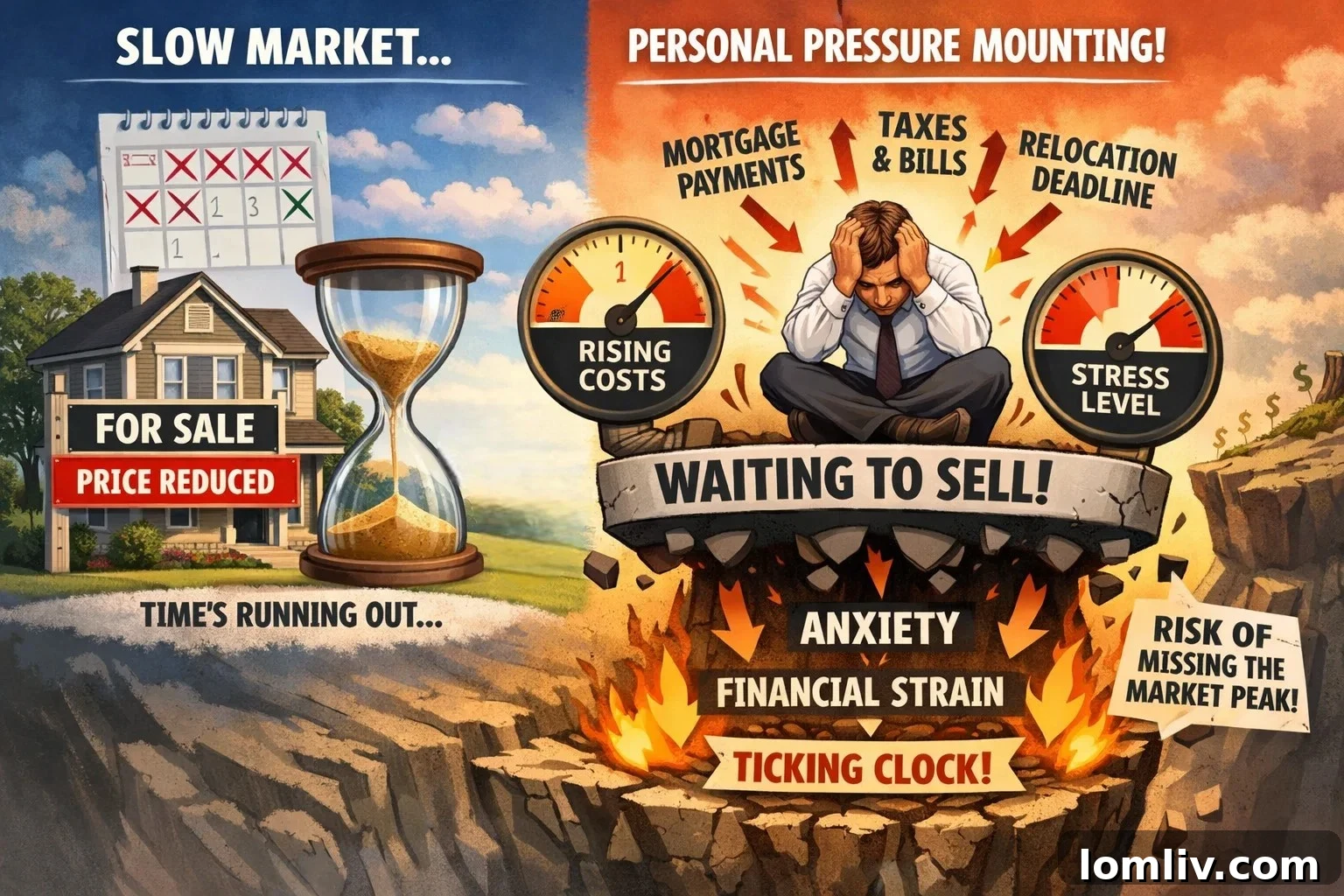
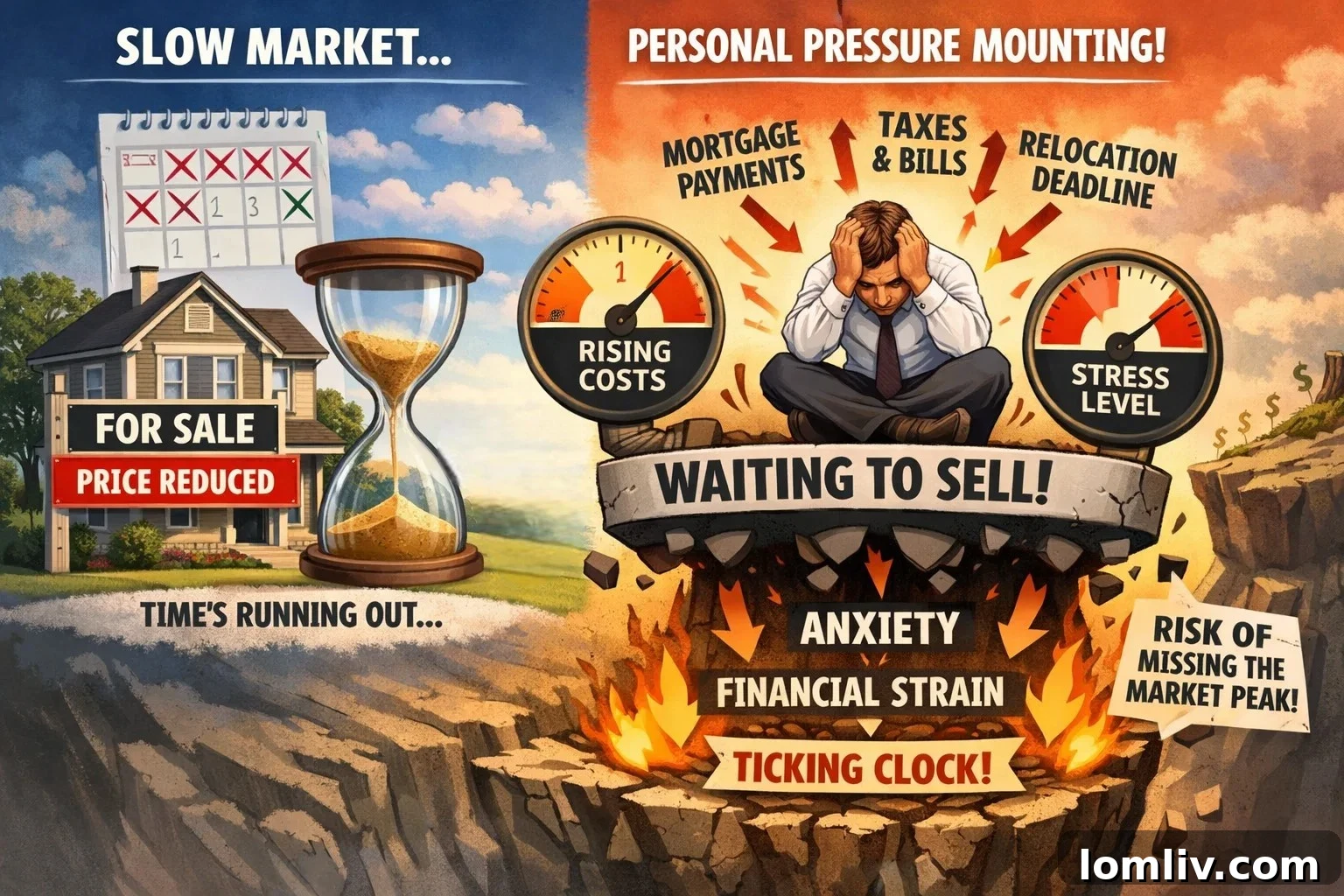
The real estate market is a dynamic entity, characterized by distinct cycles of activity and valuation influenced by a myriad of factors beyond a homeowner’s control. Property values naturally rise and fall depending on the prevailing supply and demand, current interest rates, employment figures, broader economic conditions, and even global events. A homeowner who finds themselves in the unfortunate position of needing to sell during a slower, buyer’s market may face considerable challenges, including difficulty attracting strong offers, prolonged time on the market, and potentially having to sell for less than desired, or even less than what they owe on their mortgage.
While waiting for ideal market conditions, such as a robust seller’s market with low inventory and high demand, might be the financially optimal strategy for maximizing profit, it is often not a realistic or practical option for many individuals. Personal circumstances frequently dictate the urgent need for faster decisions. Life-altering events such as an urgent job relocation, significant family changes like a divorce, the expansion of a family, unexpected medical crises, or pressing financial adjustments can necessitate a quick and decisive sale, regardless of the current market climate. When selling delays translate into additional financial strain—forcing continued payment of a mortgage, taxes, insurance, and utilities on a property you no longer need, can afford, or wish to keep—the home can rapidly transform into a significant obstacle rather than a valuable resource. The opportunity cost of waiting, coupled with these ongoing expenses, can be substantial and deeply detrimental to one’s financial health.
In such challenging situations, many sellers pragmatically shift their focus. Instead of fixating on achieving the absolute highest possible sale price, their primary priority pivots to lowering their ongoing costs and securing a rapid, certain sale. Reducing monthly expenses, alleviating immediate financial pressure, and moving on to the next chapter of life may become far more valuable and strategically sound than waiting indefinitely for the highest potential offer in a volatile and unpredictable market. This is precisely where direct home buyers can provide immense value, offering a predictable timeline and a clear path to closing, irrespective of market fluctuations, thus providing much-needed relief and certainty.
The Profound Emotional Stress Associated with Homeownership Burdens
The financial strain stemming from the burdens of homeownership often comes hand-in-hand with immense emotional and psychological pressure, which can be just as debilitating as the monetary challenges. The constant worry about mounting bills, the never-ending list of necessary repairs, or the general upkeep of a demanding property can permeate every aspect of daily life. This pervasive anxiety can disrupt sleep, strain personal relationships, diminish overall well-being, and sap energy levels. A house that was once a cherished symbol of security, achievement, and comfort can quickly begin to feel overwhelming, trapping its occupants in a relentless cycle of anxiety and discontent.
This stress frequently intensifies when homeowners experience a profound sense of being “stuck”—torn between the desire to hold onto the property (perhaps due to deep sentimental value, fear of making a wrong decision, or a lingering hope for market recovery) and the undeniable, pressing need to sell it for much-needed relief. The inherent uncertainty surrounding real estate market conditions, the unpredictable timelines associated with traditional selling methods, and the unknown financial outcomes can make the entire situation feel particularly debilitating and isolating. This emotional burden can, in many cases, be even more significant and impactful than the purely financial one, leading to feelings of resentment towards the property, strained family dynamics, and a pervasive sense of helplessness.
Finding a clear, actionable, and practical path forward is often the most effective way to alleviate this profound pressure. Many homeowners report an immense sense of relief, renewed clarity, and a significant improvement in their mental well-being once they identify a realistic and viable solution that genuinely aligns with their current financial situation and long-term goals. Whether that solution involves refinancing existing debt, undertaking targeted renovations, or pursuing a strategic and swift sale, regaining a sense of control over their financial future and living situation is paramount. Prioritizing mental and emotional well-being by choosing a viable exit strategy can effectively free individuals from the relentless grip of a burdensome home, allowing them to move forward unencumbered.
Key Signs Your Home Might Be Shifting from Asset to Financial Burden
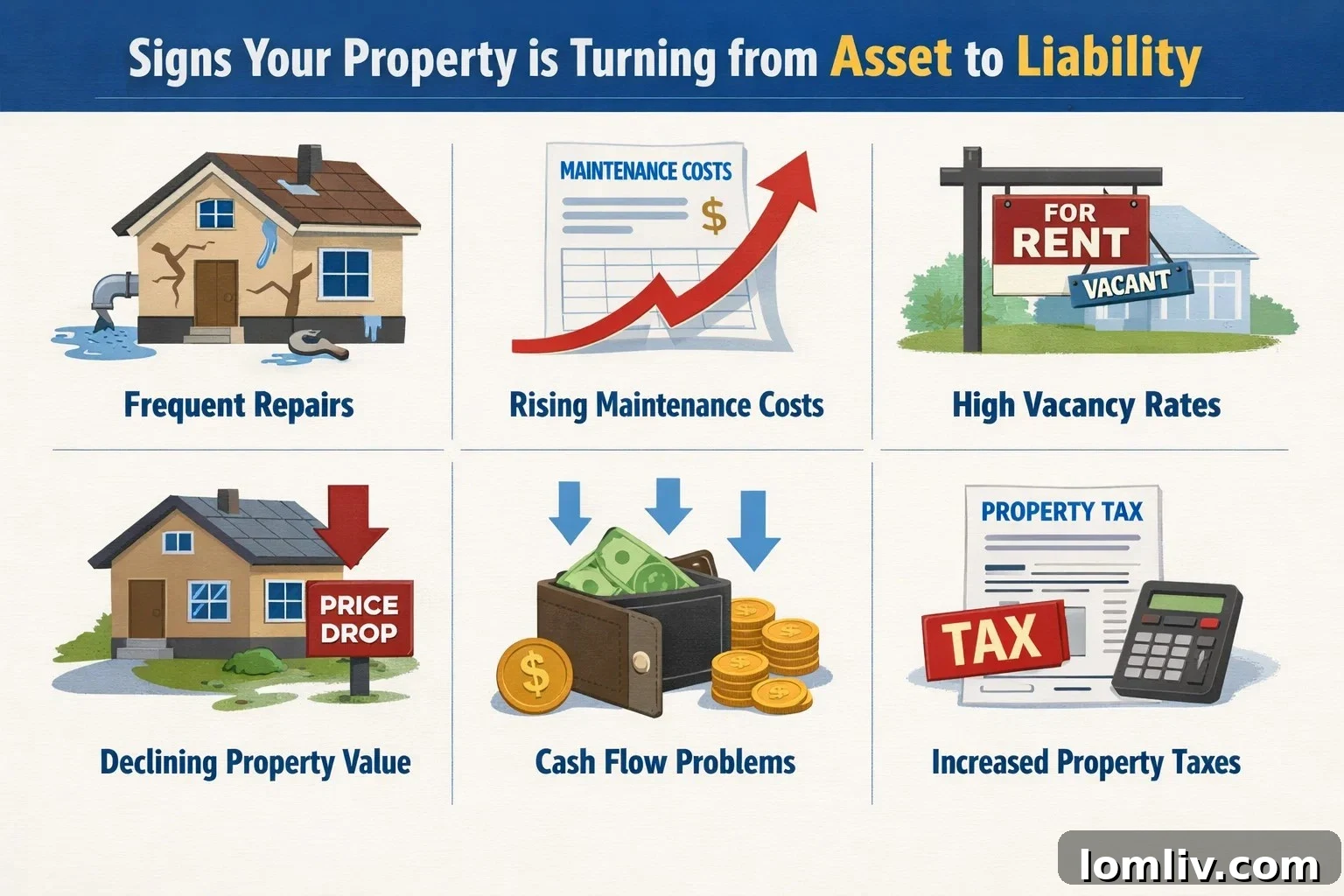
Recognizing the early warning signs that a home is transitioning from a valuable, wealth-building asset to a significant financial liability is absolutely critical for proactive decision-making. Identifying these signals early on empowers homeowners to evaluate their options thoroughly and take corrective action before financial pressure becomes insurmountable or causes irreversible damage to their savings, credit, and overall peace of mind. Here are several key indicators to carefully consider:
- Disproportionate Monthly Housing Costs: If your combined monthly expenses for mortgage payments, property taxes, insurance premiums, and utility bills consistently consume a large and increasing share of your household income, leaving minimal funds for other necessities, savings, or emergencies, your home may be becoming financially unsustainable. Financial experts often suggest that housing costs ideally should not exceed 30% of your gross income.
- Recurring and Escalating Maintenance & Repair Issues: Are you constantly battling new leaks, electrical malfunctions, plumbing problems, HVAC system failures, or structural concerns? If your home demands continuous, expensive repairs that repeatedly deplete your emergency fund and seem never-ending, it’s a strong indicator of a “money pit” situation that is draining your resources.
- Steadily Rising Property Taxes and Insurance Premiums: Even if your mortgage payment is fixed, increasing property taxes and insurance costs can significantly inflate your monthly escrow payments. If these crucial costs are consistently on an upward trend without a corresponding increase in your income, the overall expense of homeownership may quickly become an intolerable burden.
- Ongoing Expenses for Vacant or Inherited Properties: If you own a property that you don’t physically live in (e.g., a former rental property, a second home you no longer use, or an inherited house), and it continues to accrue significant costs for taxes, insurance, essential maintenance, and security without generating any income, it is actively acting as a drain on your finances and overall wealth.
- Significant Financial Stress Due to Selling Delays: If you’ve made the difficult decision to sell your home but are facing unexpected and prolonged delays on the traditional real estate market, and these delays are causing substantial financial strain (e.g., having to pay two mortgages, increased carrying costs, lost opportunities), the inability to sell quickly becomes a burden in itself.
It’s important to understand that experiencing one or two of these signs doesn’t automatically mean you must sell your home immediately. However, they serve as crucial reminders to proactively review your financial plans, assess your property decisions, and explore all available options. Addressing these challenges early can help prevent larger financial distress, preserve your savings, and allow you to explore solutions that align with your long-term financial health and ultimately restore your peace of mind.
Forging a Clearer Path Towards Financial Stability and Freedom
Ultimately, homeownership should be a fulfilling journey that supports financial security and personal growth, rather than a constant generator of pressure, anxiety, and insurmountable stress. Every homeowner’s situation is distinct, and evolving life circumstances can profoundly alter how a property fits into their long-term financial and personal plans. Recognizing when a house begins to feel like a significant financial burden is not a sign of failure, but rather a moment of clarity and an empowering opportunity to explore practical, viable solutions that can effectively restore balance to your life.
For some homeowners, a strategic refinance of their existing mortgage might provide the necessary relief by lowering monthly payments, adjusting interest rates, or converting existing home equity into cash for critical repairs or debt consolidation. Others might consider targeted renovations and improvements that add significant value and enhance functionality, making the home more livable for their needs or more attractive to potential future buyers. However, for a growing number of individuals, particularly those facing substantial financial strain, overwhelming repair costs, or the urgent need for a swift exit, the most practical and ultimately liberating next step is to sell the property. This decision, while often emotionally challenging, can free up critical capital, eliminate burdensome ongoing expenses, and remove a major source of persistent stress.
The most important overarching goal in these situations is to restore financial balance and reclaim a fundamental sense of control over one’s life. When homeowners carefully evaluate all their available options—whether it’s adjusting their current financial arrangements, making strategic improvements, or pursuing a quick and certain sale through direct buyers—and choose a path that genuinely supports their financial stability and long-term goals, they can move forward with confidence and renewed purpose. Instead of feeling perpetually tied to a property that no longer serves their best interests, they can achieve true financial freedom, significantly reduce stress, and embark on a new chapter with newfound optimism and invaluable peace of mind, knowing they’ve made the best decision for their future.
Frequently Asked Questions About Selling a Burdensome Home
Q1: What are the first steps if my monthly housing costs become unmanageable?
A: If your monthly housing costs are becoming too much to manage comfortably, the initial and most critical step is to conduct a thorough review of your entire financial situation. This includes meticulously examining your income sources, tracking all your spending habits, and reassessing your overall household budget to identify areas where you can cut non-essential expenses. You may also want to explore refinancing your mortgage to potentially lower your interest rate or monthly payments, or investigate direct selling options to significantly reduce the financial pressure quickly and efficiently. Addressing the problem early provides you with greater flexibility and more options before the situation escalates further.
Q2: How can I definitively tell if my home is truly becoming a financial burden?
A: There are several clear and unmistakable warning signs that indicate your home may be shifting from a valuable asset to a significant financial liability. Pay close attention if your monthly housing costs (including mortgage, property taxes, insurance, and utilities) consume an excessively large portion of your income, making it difficult to save or cover other essential expenses. Other key indicators include recurring and expensive repair issues that constantly deplete your emergency savings, consistently rising property taxes and insurance premiums, or the ongoing financial drain of an unoccupied or inherited property that incurs costs without generating income. If these patterns persist, it’s a strong signal to re-evaluate your situation and consider your options.
Q3: How do direct home buyers streamline and simplify the selling process?
A: Direct home buyers, particularly specialized companies like Fast Vegas Home Buyers, streamline the selling process by focusing on straightforward property evaluations and significantly faster transactions compared to traditional real estate methods. They typically review the property’s current condition and make a fair cash offer without requiring homeowners to invest precious time and money in major repairs, extensive renovations, or professional staging. This means you avoid costly agent commissions, many closing costs, and the inherent uncertainty of waiting for a buyer on the open market, allowing for a quick, predictable, and hassle-free sale often on your preferred timeline.
Q4: What are my best options if I inherit a property that I cannot manage or afford?
A: Inheriting a property can indeed present unexpected challenges, especially if you already have your own stable housing situation or if the inherited home requires extensive upkeep and financial investment. If managing the inherited home becomes too complicated, too expensive, or creates undue stress, selling may truly be the most practical and financially sound option. Many homeowners in this precise situation choose to work with direct home buyers because they offer a faster, more convenient sale without the need to prepare the property, make costly repairs, or deal with the emotional complexities and delays of a traditional listing. This provides a quick and clean break, freeing you from the burden.
Q5: Is it always better to wait for a strong seller’s market to sell my home?
A: While selling in a strong seller’s market can potentially yield a higher sale price, waiting isn’t always the best or most practical strategy, especially if your home has become a financial burden. The opportunity cost of continuing to pay a mortgage, property taxes, insurance, and maintenance while waiting indefinitely for ideal market conditions can often outweigh the potential for a slightly higher sale price. If your personal circumstances, such as a job relocation, significant financial distress, or an urgent need for a quick resolution, outweigh the benefits of market timing, pursuing a faster sale, even in a slower market, might prove to be the more beneficial decision for your overall financial health and much-needed peace of mind.