Dallas, a city known for its rapid development and modern skyline, also boasts a rich tapestry of historical architecture. Yet, the fate of many preservation-worthy buildings often hangs in the balance, especially when their owners prioritize demolition over designation. What steps can be taken when a significant structure faces an imminent threat, and the property owner remains steadfastly opposed to its landmark status? This article delves into the intricate world of historic preservation for commercial properties in Dallas, exploring the challenges, successes, and the vital process of safeguarding our city’s irreplaceable heritage.
While the process of landmarking a personal residence has its own complexities, the battle for commercial buildings introduces a unique set of hurdles. Dallas’s vibrant real estate market often attracts developers from outside the local community, who may not always grasp the profound historical or cultural significance of certain structures. For these developers, the allure of profit can unfortunately overshadow the intrinsic value of preserving a building’s past.
The Battle for Dallas’s Past: Exemplary Preservation Triumphs
The journey to preserve Dallas’s architectural gems is frequently fraught with resistance. However, several landmark cases demonstrate the power of persistence and the critical role of civic engagement in saving these invaluable structures.
The Dallas High School: A Legal and Architectural Milestone
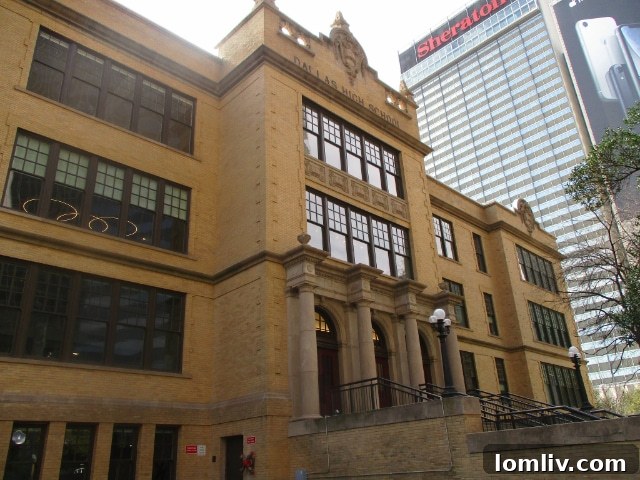
Few preservation battles in Dallas have been as fiercely contested as that of the 1907 Classical Revival Dallas High School. This architectural masterpiece, designed by the renowned firm Lang and Witchell, represents one of the city’s most significant non-residential links to its early 20th-century past. Its proposed demolition sparked a protracted legal dispute against the city, culminating in a favorable ruling for preservation by the Texas Supreme Court. This landmark decision affirmed that property ownership, while fundamental, does not always grant an absolute right to alter or destroy structures deemed historically significant by the community.
The landmark nomination form for the Dallas High School complex eloquently outlined its profound importance, stating:
The Dallas High School, later known as Nathan Robert Crozier Technical High School, complex at Bryan and Pearl Street is one of the most prominent landmarks in the city. The Auditorium and Classroom Building opened on this site in 1908, replacing late 19th century buildings. From 1907 to 1954, the period of significance, the Dallas Independent School District added four more buildings on the site and operated under seven different names. The Dallas High School complex meets Criterion A in the area of education at the local level as one of the oldest intact educational facilities in Dallas. This historic district constitutes the only intact complex that reflects the evolution of vocational training theories and practice at the secondary level in Dallas. Dallas High School complex are some of the oldest institutional buildings on the local school district property roles and remained in continuous use until September 1995. All five buildings are contributing to the site.
Despite the owner’s strenuous objections and the complexities of the legal fight, the building was ultimately designated a landmark. This victory paved the way for its eventual sale to a visionary developer who successfully transformed the historic complex into vibrant, modern office spaces, demonstrating that preservation and profitability can indeed coexist.
St. Ann’s School: A Legacy of Cultural Significance
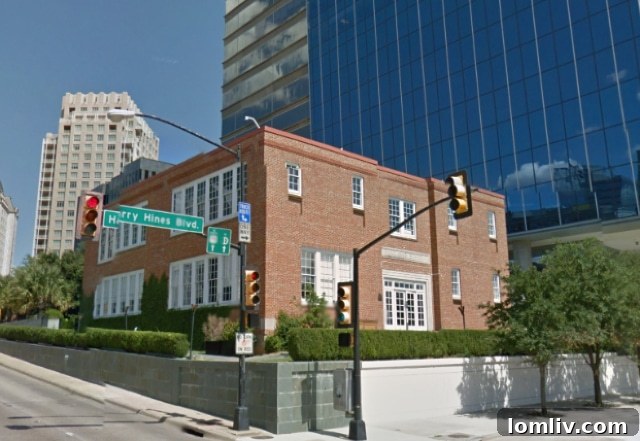
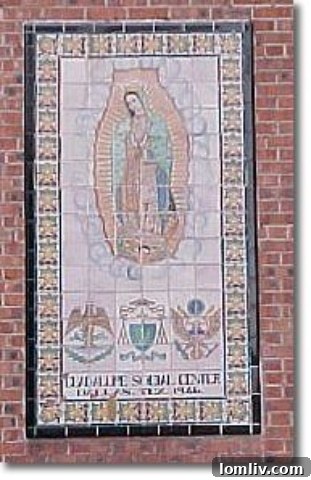
St. Ann’s School stands as another poignant example of a building saved through landmark designation despite initial owner resistance. Erected in 1927, this building holds a unique place in Dallas history as the city’s first school dedicated to Hispanic children. Owned by the Catholic Diocese, the school eventually faced an uncertain future as the surrounding Little Mexico neighborhood gradually transformed and the building’s maintenance became financially prohibitive. The church initially sought to demolish the structure to sell the land for its market value. However, the immense cultural and historical value of St. Ann’s School was recognized as far too significant to lose, leading to its successful preservation.
Bridging the Gap: Encouraging Owners to Embrace Preservation
While stories of fierce opposition often dominate headlines, many instances exist where property owners, initially resistant, come to appreciate the value of preservation. Often, the key lies in educating them about a building’s history, its broader importance to the community, and the tangible benefits of landmark designation. Among these benefits, access to potential tax credits for rehabilitation plays a crucial role in swaying opinions and making preservation economically viable.
So, how does one initiate the process when armed with knowledge about a threatened building? Liz Casso, a Senior Planner with the city’s Office of Historic Preservation, sheds light on the initial steps. “The Landmark Commissioner for your district is your best initial contact,” she advises. “It’s immensely helpful if the interested party has already conducted thorough research, compiling the property’s history and demonstrating its significance. If the property meets at least three of our ten established criteria for consideration, it can then be placed on the commission’s agenda to commence official discussion.”
This initial phase can be comprehensive, requiring significant time and effort. For those unable to undertake this intensive research themselves, hiring a professional historic preservation researcher can be a strategic move. These experts are adept at understanding the specific requirements and proficient in completing the detailed landmark nomination forms.
It’s important to note that while any concerned citizen can provide information to a commissioner, a non-owner cannot unilaterally initiate a property for designation. As Casso explains, “The property owner, the Landmark Commission itself, the City Plan Commission, or the City Council are the entities empowered to bring up a designation for discussion.” This collaborative framework underscores the community-wide commitment required for successful preservation.
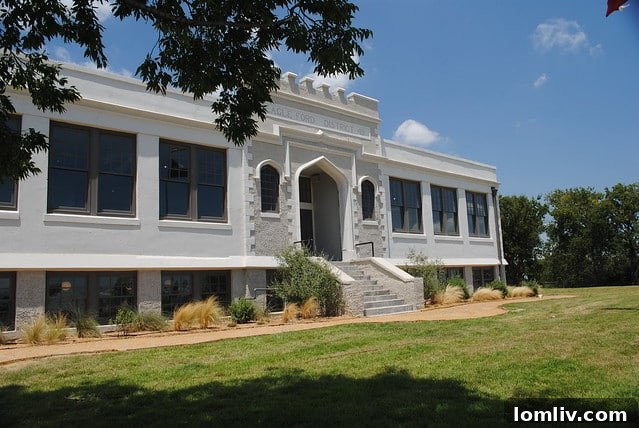
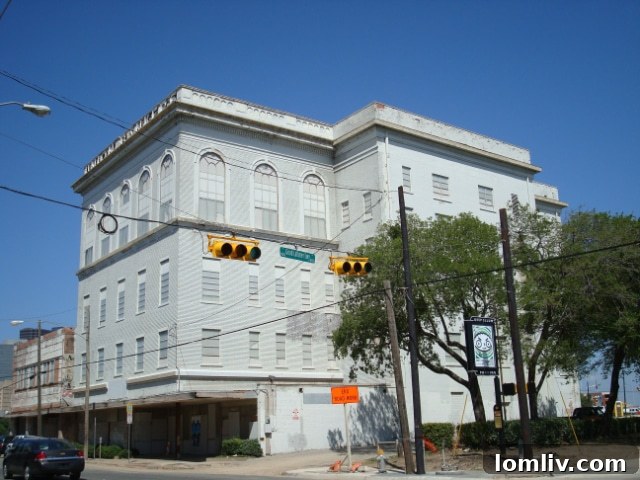
Once a building’s potential designation is placed on the agenda and discussed, it creates an opportunity for the Landmark Commission to directly engage with potentially resistant owners. “Many owners haven’t fully considered the historical value or the financial incentives available,” Casso notes. “Once they’re informed about the history, its importance, and the availability of tax credits, their perspective often shifts. For instance, when the City Plan Commission initiated the designation for the Belmont Hotel, the owner became quite enthusiastic about the project.”
When Preservation Efforts Fall Short: Lessons from El Corazon
Despite the best efforts, there are heartbreaking instances where preservation initiatives arrive too late. If an owner is firmly committed to demolition and the process is already well underway, saving a building becomes nearly impossible. The tragic loss of El Corazon restaurant in Oak Cliff serves as a stark reminder.
“Everyone in the community cherished this restaurant,” Casso recalls. “However, the owners were determined to tear it down and sell the land. Although the Landmark Commission initiated protection measures, the demolition project was too far in motion. We engaged in complex discussions, but ultimately, we cannot rescind steps that have already been taken. Today, a CVS stands where El Corazon once proudly served its community.” This outcome highlights the critical importance of early intervention in preservation efforts.
Navigating the Dallas Historic Landmark Designation Process: A Step-by-Step Guide
The journey to achieve historic landmark designation is a multi-stage process involving rigorous research, public engagement, and approvals from various city bodies. It requires dedication and a clear understanding of each step.
As the saying goes, “You win some, you lose some.” And sometimes, the outcome is a compromise, a “draw,” as seen with the DISD administration building on Ross Avenue. While initial plans for demolition began, discussions with the Landmark Commission led the owner to revise their proposal, ultimately preserving a significant portion of its historic façade. This scenario underscores the value of negotiation and finding common ground to retain at least part of a building’s character.
Ultimately, the Dallas City Council holds the final authority. They possess the power to officially deem a property architecturally and culturally significant, and crucially, they can designate a property over the objections of its owner.
If you possess a strong desire to save a significant building in Dallas, thorough research is your most powerful tool. You can begin by emailing Ms. Casso for detailed guidance. Once your research is complete, contacting your specific Landmark Commissioner is the next pivotal step to set the process in motion. Here’s a concise outline of the designation journey:
- Initial Inquiry & Research: Check the City of Dallas website for historic preservation resources or email Ana (Liz) Casso for information. Diligently research the property’s history, architectural significance, and cultural relevance.
- Contact Your Landmark Commissioner: Present your findings to the Landmark Commissioner for the district where the property is located.
- Commission Meeting Agenda: If the Commissioner agrees the property warrants consideration, they will contact the Office of Historic Preservation Staff to place the item on a Landmark Commission meeting agenda for discussion.
- Initiation Vote: Should the Landmark Commission believe the property may be eligible for designation based on the initial discussion, they will vote to move forward with the initiation process. It is important to note that this vote merely initiates the process; it does not signify final designation.
- Two-Year Window for Completion: Once initiated, a two-year period begins during which the designation process must be completed. During this time, Staff from the Office of Historic Preservation will engage with the owner to seek their agreement to the designation.
- Drafting Nomination Report & Preservation Criteria: A comprehensive draft nomination report will be created, meticulously documenting the property’s history and significance, often requiring extensive historical research. Simultaneously, draft preservation criteria – which are the specific rules and guidelines that will apply to the property if designated – will be developed. Both documents undergo review by the Designation Committee of the Landmark Commission.
- Landmark Commission Recommendation: After the draft report and criteria are developed and vetted, the item is brought back before the full Landmark Commission for consideration of actual designation. At this stage, they will make a formal recommendation to the City Council regarding the designation.
- City Plan Commission Review: The process then moves to the City Plan Commission, which will also review the proposed designation and provide its own recommendation to the City Council.
- City Council Final Decision: The City Council serves as the ultimate deciding body. They will cast the final vote on whether to grant historic landmark designation to the property.
Note: If the property owner continues to strongly object to the designation at any point, it would necessitate a three-quarters affirmative vote from all three bodies (Landmark Commission, City Plan Commission, and City Council) for the designation to successfully proceed.
Protecting Dallas’s unique architectural heritage is a collective responsibility. By understanding the process, engaging with city officials, and advocating for preservation, citizens can play a crucial role in ensuring that the stories etched into our buildings continue to inspire future generations, preventing the loss of irreplaceable landmarks to the wrecking ball of unchecked development.