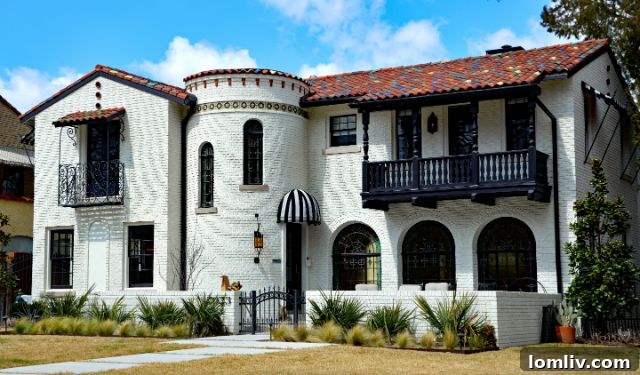
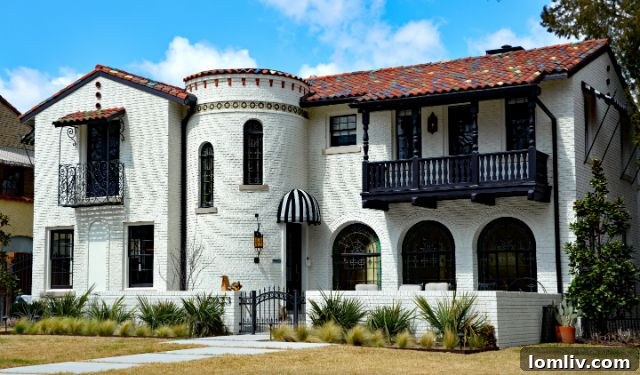
In a significant stride towards safeguarding its cherished historical architecture and distinct neighborhood character, Dallas’s beloved Lakewood community has received a long-awaited draft ordinance for an expanded Lakewood Conservation District. This crucial development marks a pivotal moment for residents, propelling the initiative closer to implementation and offering a robust framework for preserving the area’s unique charm and historical significance. The release of this comprehensive document addresses years of dedicated effort by passionate residents and community leaders, who have tirelessly advocated for stronger protections against unchecked development and the erosion of Lakewood’s architectural legacy.
The community is now invited to engage directly with this landmark proposal. Two essential ordinance review meetings are scheduled for 6 p.m. on February 6 and February 13, both to be held at the historic Filter Building, located at 2810 White Rock Road. These meetings offer a vital opportunity for residents to gain a deeper understanding of the proposed regulations, directly from city staff, and to have their questions addressed, ensuring transparency and informed participation in this critical phase.
Summer Loveland, a driving force behind the expansion initiative, expressed profound satisfaction with the draft ordinance. Loveland, who initiated the petition to expand the Lakewood Conservation District in mid-2022, shared her optimism with daltxrealestate.com, stating that the document accurately reflects the collective desires and concerns of the majority of Lakewood neighbors. Her sentiments underscore the collaborative spirit that has defined this community-led effort, demonstrating how resident feedback has been effectively integrated into the proposed framework.
“It is time to stop speculating,” Loveland asserted, highlighting the clarity and definitive nature of the newly released document. “Now that the draft ordinance is available, we can all see that the city staff clearly took into account the comments that were made during the 15 neighborhood meetings, including concerns of those who were fearful it would be too restrictive. There is a lot of leeway and optionality provided in the standards, allowing homeowners flexibility in a remodel, expansion, or new construction. This ordinance meets the objectives of protecting the character of our neighborhood and preventing the destruction of architecturally significant homes unless they are in major disrepair.” Her statement addresses a key concern among some residents: the potential for overly rigid regulations. The draft ordinance, according to Loveland, strikes a careful balance, ensuring essential protections while offering homeowners practical flexibility for property improvements, remodels, or new builds, ensuring the district remains vibrant and adaptable.
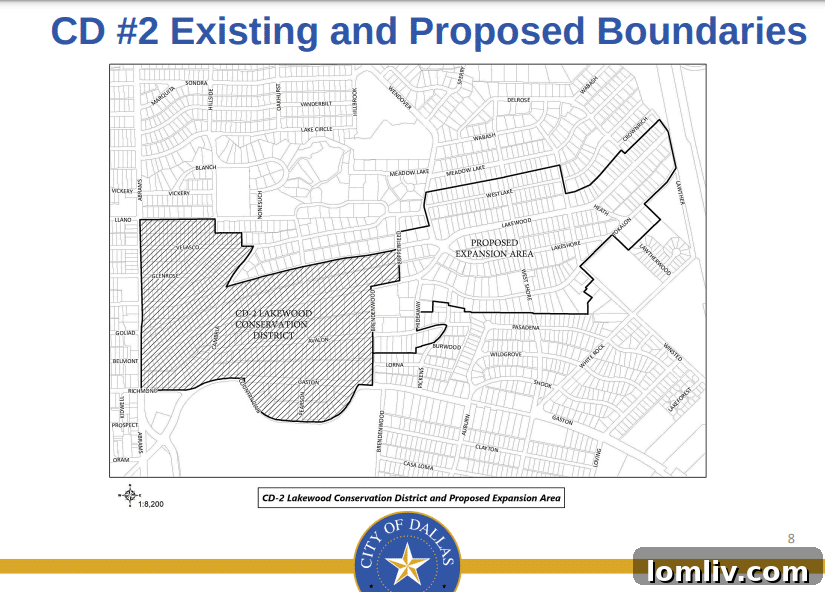
For those eager to delve into the specifics, the full draft ordinance is accessible online. You can view the comprehensive document here. An important update was made on Monday to reflect Exhibit B, which provides a detailed inventory of homes within the proposed district, complete with their noted architectural styles. This exhibit offers invaluable insight into the specific properties and design elements the district aims to protect, making it a critical resource for all stakeholders. The proposed expansion of the conservation district, which requires a formal recommendation, would notably include the vibrant Monticello and Westlake neighborhoods, integrating these areas into the protective umbrella of the Lakewood Conservation District.
The Catalyst for Change: Protecting Lakewood’s Historic Homes and Legacy
The movement to expand the Lakewood Conservation District gained considerable traction and urgency in early 2023. This period saw Summer Loveland successfully deliver the requisite signatures of supportive neighbors to City Hall, demonstrating widespread community backing for the initiative. Following this, more than a dozen neighborhood meetings were meticulously organized, creating crucial forums for residents to voice their opinions, provide feedback, and contribute to the shaping of the proposed ordinance. These meetings were instrumental in fostering a democratic process, allowing for diverse perspectives to be heard and considered by city staff.
The emotional weight of the preservation effort was underscored by a significant event that galvanized many residents. The tragic demolition of a historic Clifford Hutsell-designed home at 7226 Lakewood Blvd. in mid-November was a harsh reminder of the vulnerabilities faced by architecturally significant properties in the absence of adequate protections. This incident served as a powerful catalyst, intensifying calls for the swift approval of the conservation district. The property, valued at $2.5 million, was a prime example of Hutsell’s unique style, and its loss resonated deeply within the community, reinforcing the urgent need for a regulatory framework that could prevent similar losses in the future. Activists immediately pushed for the Lakewood Conservation District expansion with renewed vigor, an effort extensively covered in a related article from daltxrealestate.com.
However, the path to expansion has not been without its challenges. Over the summer, a faction of Tokalon Drive residents organized themselves to vocally oppose the conservation district, citing concerns that such regulations would infringe upon their fundamental property rights. This opposition introduced a layer of complexity, necessitating careful consideration of differing viewpoints within the community. Concurrently, the process faced bureaucratic delays stemming from the departure of key staff members within the Dallas city planning department. The remaining city personnel were additionally burdened with processing a separate petition for the South Winnetka Heights Conservation District designation, further stretching resources and slowing progress on the Lakewood initiative. These obstacles highlight the intricate nature of urban planning and preservation efforts, often involving balancing diverse community interests and navigating administrative hurdles.
The aforementioned demolition of the historic Hutsell home at 7226 Lakewood Blvd. particularly disheartened supporters in mid-November. This house, a stunning architectural masterpiece, would undoubtedly have been protected had the conservation district been approved earlier. Its destruction served as a stark, tangible example of the irreversible losses that can occur when preservation measures are not in place. “Without the passage of this ordinance, we will continue to see the character of our neighborhood and value of our historic properties diminished,” Loveland warned on Friday, emphasizing the critical juncture at which the community now stands. “It is so important for neighbors to attend the upcoming meetings to have a full understanding of the proposed standards.” Her call to action underscores the urgency and personal investment required from residents to secure the future of their neighborhood.
The residence at 7226 Lakewood was widely lauded by preservationists as a superb example of Clifford Hutsell’s distinctive Hollywood-inspired Spanish Eclectic style. For decades, the previous owners meticulously maintained the home, preserving its intricate details and unique aesthetic. Historic home remodeler Carol Gantt, a seasoned expert in the field, lamented its loss to daltxrealestate.com: “This is the best-preserved Hutsell I’ve seen in 35 years. To reproduce that amount of ironwork alone at that level of artistic merit would cost over $100,000 today.” Gantt’s appraisal highlights not only the artistic value but also the immense financial cost of attempting to replicate such craftsmanship, underscoring the irreplaceable nature of genuine historic architecture.
Navigating the Path Forward: Timeline For Lakewood Conservation District Ordinance Adoption
The journey towards the formal adoption of the Lakewood Conservation District ordinance is progressing through a carefully structured timeline, designed to ensure thorough review and community understanding. City staff are poised to present the proposed draft Lakewood Conservation District expansion ordinance at the two scheduled February meetings. Summer Loveland, in an email to concerned neighbors, confirmed that these sessions will be dedicated to a detailed presentation of the ordinance, followed by ample time for questions and answers from the community. This direct engagement with city experts is crucial for clarifying any ambiguities and ensuring residents fully grasp the implications of the proposed regulations.
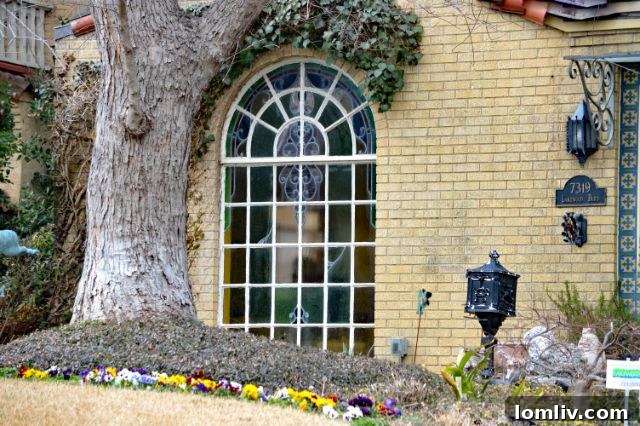
Loveland further clarified the specific purpose of these upcoming meetings: “This is not a meeting for feedback on standards, as those 15 public neighborhood meetings were held from August 2022 through March 2023. Please plan to attend both meetings so you can receive the presentation directly from city staff, see the ordinance, and get the facts. Two meetings have been set to allow sufficient time to address the ordinance and questions.” This distinction is important, as it signals that the current phase is about disseminating information and answering specific inquiries about the *draft* ordinance, rather than revisiting the broader policy discussions that have already taken place. The allocation of two separate meetings emphasizes the city’s commitment to providing adequate time for comprehensive understanding and addressing resident queries thoroughly, reflecting a desire for an informed community.
Understanding the nature of conservation districts is key to appreciating this initiative. Conservation districts are a vital zoning tool employed by municipalities to empower neighborhoods to establish specific exterior design criteria and other standards. Their primary objective is to preserve and enhance the unique character and aesthetic appeal of a defined area. For each conservation district, a comprehensive ordinance is meticulously crafted, detailing the precise regulations homeowners must adhere to when undertaking any renovations, expansions, or new construction projects on their properties. These regulations can cover a wide range of elements, from building materials and architectural styles to setback requirements and landscaping features, all tailored to maintain the cohesive visual identity of the district. Ultimately, for the Lakewood Conservation District to become legally binding, its ordinance must successfully navigate the final stages of approval by the Dallas City Council. This final step involves a rigorous review process, including public hearings, where the council will weigh all considerations before rendering a decision that will shape the future of Lakewood’s architectural heritage for generations to come. The successful adoption of this ordinance represents not just a legal victory, but a cultural one, ensuring that the charm and historical integrity of Lakewood are protected and celebrated.