Preserving Lakewood’s Legacy: The Push for Conservation District Expansion
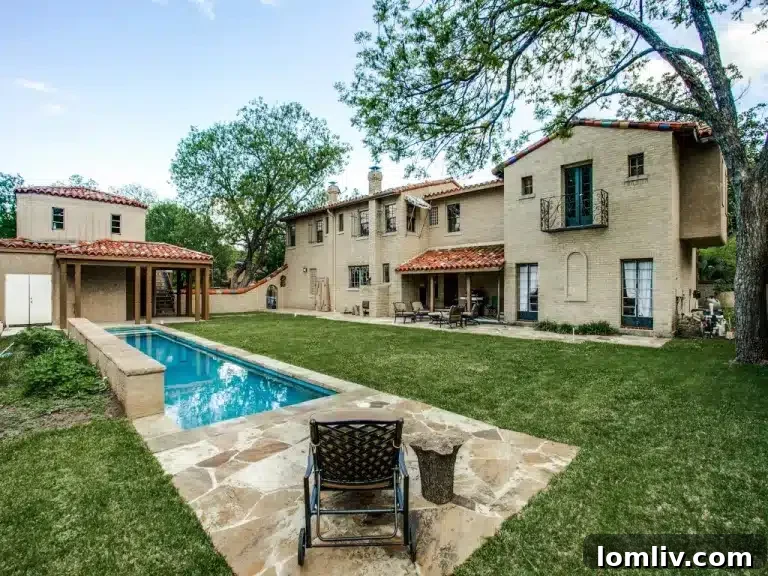
For nearly a year, a passionate group of Lakewood residents has been diligently working to expand the area’s conservation district boundaries. Their collective mission is clear: to safeguard the distinctive, historic architecture that defines their beloved homes and neighborhood. This ambitious undertaking, however, is far from a simple process, requiring extensive community engagement, meticulous planning, and collaborative efforts with city officials. The move aims to protect the unique character of Lakewood, a Dallas neighborhood celebrated for its rich architectural heritage and vibrant community spirit.
At the forefront of this significant grassroots movement is Lakewood resident Summer Loveland, who, alongside a dedicated committee of volunteers, spearheaded the effort by gathering signatures to formally petition for this crucial change. Recognizing the complexity of the process, the group has been consistently holding crucial informational meetings twice a month since last August. These sessions have served as vital platforms for fostering open dialogue, disseminating information, and ensuring residents are well-informed about every aspect of the proposed expansion. The commitment shown through these ongoing meetings underscores the community’s proactive approach to building consensus and addressing all concerns, reflecting a shared desire to preserve Lakewood’s unique aesthetic and historical value.
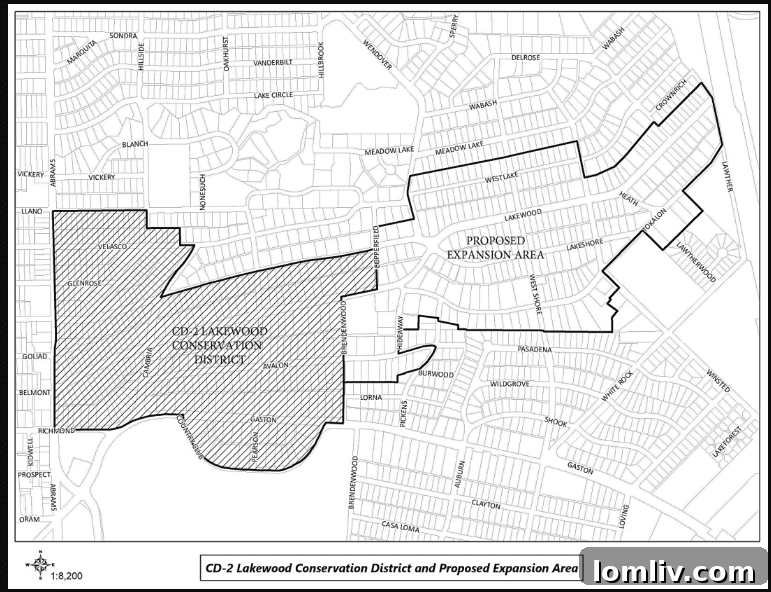
The journey is now nearing a critical juncture, with the final public workshop session scheduled for February 13. This pivotal meeting will encapsulate the months of discussion and feedback from the community. Following this, city staff will meticulously draft a comprehensive ordinance, a document that will translate the community’s vision into formal policy. This draft will then be presented to the City Plan Commission for thorough review and subsequently to the City Council for final approval. This structured, multi-stage process is designed to ensure that resident input is meticulously translated into actionable policy, reflecting the collective vision for Lakewood’s future and safeguarding its architectural integrity for generations to come.
Understanding Conservation Districts: Safeguarding Architectural Styles and Neighborhood Character
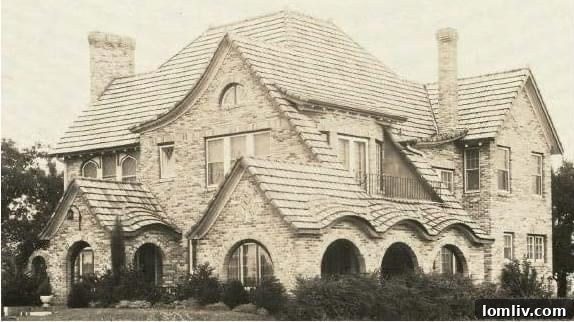
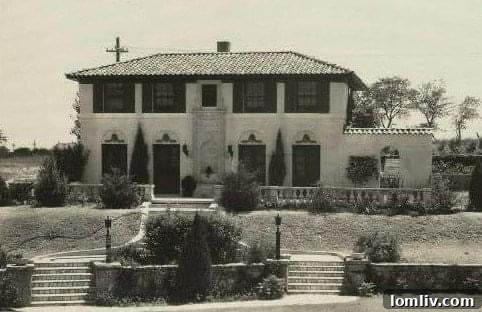
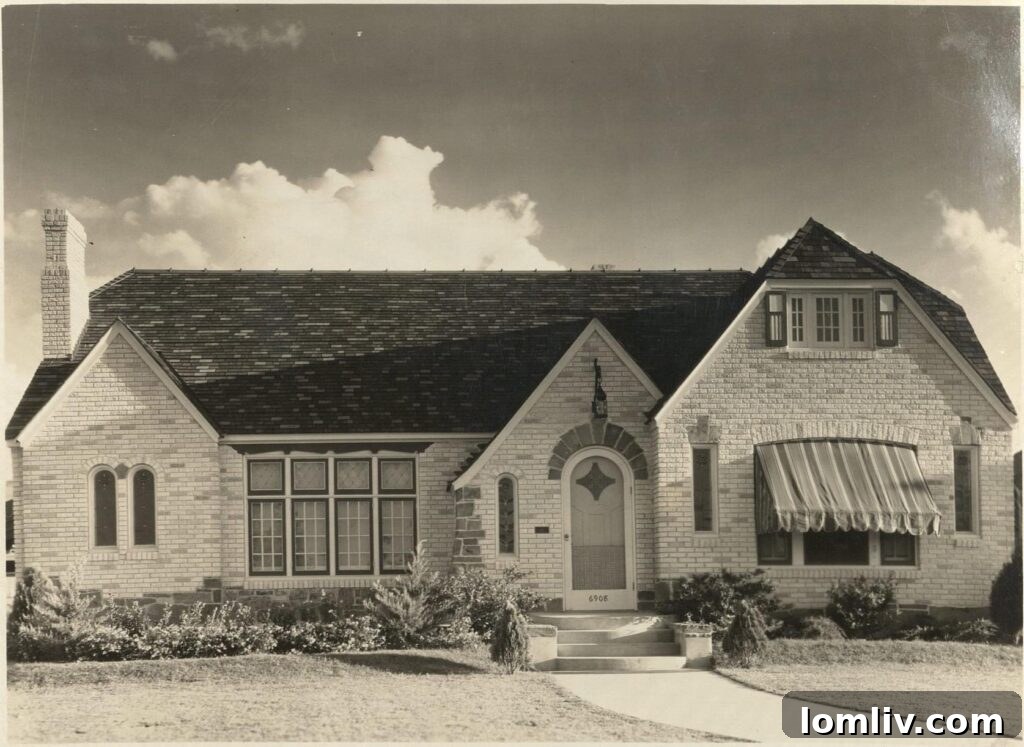
The comprehensive neighborhood meetings held as part of the Lakewood conservation district initiative have covered an expansive array of topics, reflecting the depth and detail required for such a significant undertaking. Discussions have ranged from the specific characteristics of various architectural styles prevalent in Lakewood, such as Tudor and Minimal Traditional, to critical policy considerations regarding demolition protocols and guidelines for significant remodeling projects. The scope also extends to finer, yet equally important, technical matters, including permissible paint colors, appropriate building materials, and design standards for elements like windows and porches. These detailed conversations are essential for crafting an ordinance that effectively preserves the historical and aesthetic integrity of the neighborhood, ensuring that future developments and alterations harmonize with the existing architectural fabric.
A core objective for residents petitioning for the conservation district is the formal designation of homes built by notable architects as “significant.” This designation carries specific protections and guidelines, aimed at safeguarding the masterpieces that contribute uniquely to Lakewood’s architectural and historical character. These architectural gems include properties designed or built by highly respected figures such as Clifford Hutsell, renowned for his distinct and often whimsical designs that are instantly recognizable within the neighborhood; the prolific firm of Dines and Kraft, whose contributions have shaped many Dallas communities; the influential Bertram Hill; the visionary George Dahl, celebrated for both his civic and residential architectural prowess; the distinctive Charles Dilbeck, whose work often blends regional charm with sophisticated detail and craftsmanship; the innovative Verne Shanklin; and the collaborative duo Hamilton/Meyer. Recognizing and protecting these homes is paramount for maintaining the architectural integrity and rich historical narrative of the Lakewood neighborhood.
Reflecting on the progress and community engagement, Summer Loveland shared crucial insights with daltxrealestate.com: “There has been a general sense of agreement on many issues in the meetings, with the neighbors moving together with the same general purpose overall. Of course, there is some disagreement on some issues, but overall we have been able to move in the same direction. The few neighbors who voiced opposition early in the process have not taken the time to show up and participate in the meetings. The vast majority of opinions voiced throughout the whole process have been in the same vein — preserving the character of the neighborhood.” This statement powerfully underscores the strong community drive and the overall positive reception to the proposed expansion, highlighting a broad, shared commitment to Lakewood’s architectural legacy and the collective desire for its enduring preservation.
Crafting the Ordinance: Detailed Discussions for Lasting Architectural Preservation
A substantial portion of the neighborhood meeting discussions has focused on gathering precise input on the specific elements residents wish to see codified in the new ordinance. These conversations delve into remarkably detailed aspects, ensuring that the resulting regulations are both effective and truly representative of community desires. Loveland further elaborated on the depth of these discussions, explaining, “In the coming meetings, we will cover which homes will be considered architecturally ‘significant,’ which means they would be subject to a demo clause.” This particular clause is a cornerstone of the preservation effort, specifically designed to protect Lakewood’s most valuable architectural assets from unwarranted demolition. This foresight is critical to maintaining the neighborhood’s unique aesthetic and historical narrative.
The consensus reached among neighbors is particularly robust regarding this critical “demo clause.” It dictates that a significant home would only be approved for demolition by the City if it were in major disrepair, with documented costs for repair exceeding 80 percent of the home’s value (excluding land value), as objectively assessed by the Dallas Central Appraisal District. This high threshold underscores the community’s unwavering commitment to prioritizing restoration and rehabilitation over demolition, reflecting a deep respect for the existing structures. Beyond this vital protection, future discussions are meticulously set to cover a range of other crucial topics. These include specific remodeling regulations designed to ensure that any alterations remain compatible with existing architectural styles; robust tree preservation mandates, recognizing the ecological and aesthetic value of the neighborhood’s mature trees; stringent guidelines for window replacements to maintain historical accuracy and material consistency; and standards for porches, which often define the welcoming street-level character of these cherished homes. These detailed considerations aim to create a cohesive, comprehensive, and ultimately effective framework for enduring preservation in Lakewood.
Addressing Concerns and Steering the Lakewood Conservation District Forward
While the overall support for the Lakewood Conservation District expansion has been robust, the democratic process has naturally encountered its share of challenges and dissenting voices. Specifically, a few residents, particularly on the 7000 block of Westlake Avenue, have expressed reservations about being included in the expanded area. Some voices heard last fall articulated concerns that a conservation district designation could negatively impact their property values, a common apprehension associated with such initiatives. Others simply voiced a desire to retain complete autonomy over their properties, preferring not to be subject to specific regulations concerning alterations or aesthetics of the homes they purchased. These concerns are a natural and often healthy part of any democratic process involving land use and property rights, and the committee has consistently worked to address them through open dialogue and transparency.

Despite these individual concerns, the collective will of the neighborhood appears significantly strong. Loveland highlighted this impressive show of community support, stating, “More than 50 percent of that [Westlake] block signed the petition in favor of expansion, and more than 50 percent of the homes are of ‘contributing styles’ — minimal traditional and Tudor.” This strong majority underscores the widespread desire to protect and enhance the architectural fabric of the area, clearly demonstrating a unified vision for its future. She further noted the limited engagement from opposing voices: “There are three somewhat vocal neighbors among the block, but none of them have come to any meetings beyond the initial meeting last May.” This suggests that while concerns exist, the broader community remains engaged and largely aligned with the preservation goals, moving the project forward with considerable momentum and a shared sense of purpose.
The Road to Adoption: City Planning, Public Hearings, and Final Approval
Following the conclusion of the final community meeting this month, the vital task of drafting the official ordinance will commence, marking a significant transition in the process. Chief Planner Trevor Brown and his dedicated team will meticulously take the extensive community input gathered over many months and translate it into a formal, legally binding document. City officials estimate that this comprehensive drafting process could take up to 60 days, reflecting the complexity, detail, and precision required for such an important piece of legislation that will shape the future of Lakewood. Once the draft ordinance is complete, neighbors within the proposed expansion area will be given a crucial opportunity to review and discuss the document. This critical review period ensures that the final ordinance accurately reflects the community’s consensus and allows for any last-minute refinements before it is officially placed on a City Plan Commission agenda for public hearing and deliberation.
To ensure maximum transparency and broad public participation throughout these crucial stages, the city will undertake a systematic and comprehensive outreach effort. Detailed information regarding the draft ordinance and subsequent public hearings will be sent by mail to all homeowners residing within the proposed expansion area. This direct communication method guarantees that every property owner has access to the pertinent details, fostering informed participation. Furthermore, all neighborhood comments and feedback gathered during the review period will be meticulously compiled and shared with the City Plan Commission, providing commissioners with a full and nuanced understanding of community sentiment and priorities. A similar, equally comprehensive process will be implemented prior to the City Council public hearing, ensuring multiple layers of public input, official review, and democratic deliberation before any final adoption. This multi-stage, inclusive approach emphatically underscores the democratic principles underpinning urban planning and historic preservation efforts in Dallas, ensuring that the community’s voice remains central to the legislative outcome.
The Broader Context of Preservation: Dallas’s Expanding Conservation District Landscape
The Lakewood Conservation District expansion project is not an isolated initiative but rather a vital part of a larger, ongoing commitment to historic preservation within the dynamic City of Dallas. Currently, the city proudly boasts 18 established conservation districts, each playing a crucial role in protecting the unique character, architectural heritage, and distinct identity of various neighborhoods across the city. These existing districts demonstrate Dallas’s proactive and progressive stance in balancing rapid urban development with the imperative of preserving its invaluable historical assets. The benefits of such designations extend far beyond mere aesthetics; they often contribute significantly to stable property values, foster a stronger sense of community pride and cohesion, and ultimately enhance the overall quality of life for residents by maintaining distinct neighborhood identities and preventing architectural degradation. Indeed, the creation of new conservation districts is a continuous and evolving process, with other vibrant communities actively engaged in similar efforts to protect their unique heritage. For example, South Winnetka Heights is also currently in the detailed process of creating its own conservation district, underscoring a city-wide recognition of the profound value and importance of thoughtful, planned preservation initiatives for Dallas’s future.
A Legacy for the Future: Lakewood’s Enduring Commitment to Heritage
The journey to expand the Lakewood Conservation District truly exemplifies the profound power of dedicated community engagement and a shared collective vision. What began as a heartfelt local initiative by concerned residents has meticulously evolved into a comprehensive and multi-faceted process involving intricate city planning and rigorous legislative review. The tireless efforts of volunteers like Summer Loveland, coupled with the widespread and enthusiastic support from the vast majority of the neighborhood, underscore a deep-seated commitment to preserving Lakewood’s distinctive charm and architectural grandeur. By actively protecting the homes designed by legendary architects and carefully regulating future developments and alterations, residents are ensuring that the unique architectural styles and the invaluable historical integrity of their cherished neighborhood will endure and flourish for generations to come.
This expansion is not merely about preserving old buildings; it is fundamentally about safeguarding the very soul of a community, enhancing its intrinsic appeal, and reinforcing Lakewood’s well-deserved status as one of Dallas’s most cherished, historically significant, and aesthetically pleasing neighborhoods. The ultimate success of this endeavor will undoubtedly serve as a powerful testament to the community’s unwavering dedication to its rich heritage, setting an inspiring precedent for thoughtful urban development and architectural preservation across the entire city. It demonstrates a forward-thinking approach that balances growth with a profound respect for the past, ensuring Lakewood remains a vibrant and historically rich place to call home.