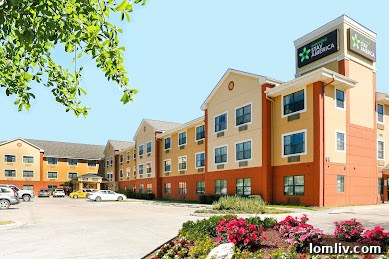
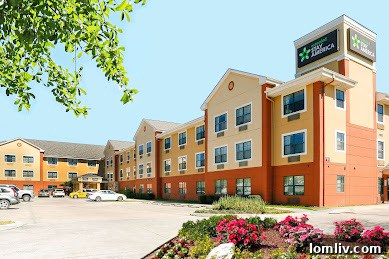
The Dallas City Council’s agenda for 2023 continues to swell, featuring a growing list of critical development proposals and policy discussions. Among these pivotal items, many directly impact the city’s housing landscape and urban development strategy. A notable case facing the council, where the majority of members are currently seeking re-election, is a controversial zoning request that seeks to transform a notorious Extended Stay America hotel into a modern apartment complex. This proposal encapsulates a broader conversation about urban revitalization, crime reduction, and the pressing demand for more housing options across Dallas.
Central to this discussion is Zoning Case No. 22-2168. This case focuses on a property situated on the north side of Vantage Point Drive, strategically located near Greenville Avenue. For years, the Extended Stay America hotel on this site has been widely recognized as a hotspot for criminal activity, a reputation that has plagued the surrounding community. The current property owner has now put forth a comprehensive plan to rezone the site, intending to demolish the existing structure and erect a new, market-rate apartment complex in its place. This proposed transformation is not merely a change in building type but a significant shift in the property’s operational model and its contribution to the neighborhood’s fabric.
The initial momentum for this rezoning initiative began earlier in the year. The City Plan Commission (CPC), after careful consideration and review, officially recommended the rezoning during its meeting on June 16. This recommendation signaled an early endorsement from the city’s planning experts, highlighting the potential benefits and alignment with Dallas’s broader urban development goals.
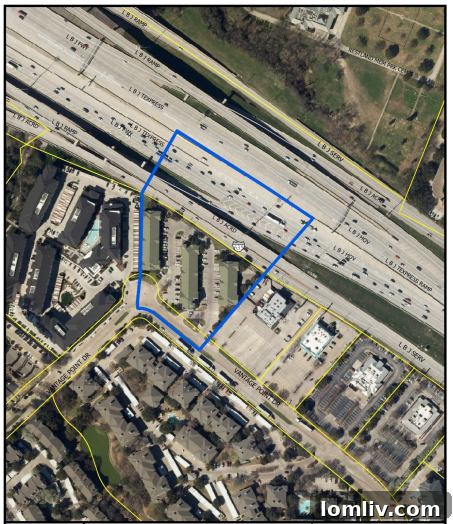
During the public hearing before the CPC, Rob Baldwin of Baldwin Associates, who represents the property owner Three Wall Capital, provided detailed insights into the proposed changes. Baldwin explained that his client is seeking a pivotal zoning modification, transitioning the property’s classification from a “multiple commercial district” to a “mixed-use district.” This strategic rezoning is crucial for enabling the development of residential units, allowing for a diverse array of potential future uses beyond just commercial enterprises.
Baldwin articulated the vision for the site, stating, “The new owner would like to transform it into a market-rate apartment project. It seems to make a lot of sense.” He further emphasized the positive reception from neighboring property owners, noting, “We’ve spoken to several of the owners around us. The transient nature of the current operation is a concern to them, and they would like to see people there for a longer period of time.” This sentiment underscores a desire within the community for greater stability and a reduction in the short-term, high-turnover occupancy often associated with extended-stay hotels. The proposed apartment complex would foster a more permanent resident base, potentially strengthening community ties and enhancing neighborhood safety.
Beyond the change in occupancy type, the owner has committed to significant physical upgrades for the property. Baldwin outlined plans that include extensive landscaping improvements to enhance the aesthetic appeal and environmental quality of the site. Furthermore, the existing units are slated for a comprehensive remodel, incorporating new appliances, modern finishes, and other substantial upgrades designed to attract a stable residential demographic. These improvements aim to not only revitalize the property itself but also contribute positively to the overall visual and functional quality of the surrounding area.
Despite the merits and the CPC’s recommendation, the rezoning item has faced repeated delays at the Dallas City Council level. During a Dec. 14 Dallas City Council meeting, District 10 Councilman Adam McGough proposed deferring the item to Feb. 22. This marked the third instance the project had been pushed to a later date, raising questions about the pace of urban development decisions in Dallas. Councilman McGough, who is term-limited and will conclude his service on the council in May, has been a key figure in these discussions, reflecting the complex political dynamics surrounding such proposals.
Addressing Dallas’s Critical Demand For More (Affordable) Housing
As the Dallas City Council delves deeper into the ongoing process of revising its Comprehensive Housing Policy, the undeniable need for increased housing inventory across the city, particularly affordable options, remains a top priority. Dallas, like many rapidly growing metropolitan areas, is grappling with a widening gap between housing supply and demand, leading to rising rents and reduced accessibility for many residents. This particular rezoning case is viewed by many as a tangible step towards alleviating some of these pressures by efficiently repurposing an underperforming asset into a much-needed residential development.
District 10 Plan Commissioner Tipton Housewright has emerged as a staunch supporter of the rezoning proposal. Housewright’s advocacy is rooted in a clear understanding of both the immediate benefits to District 10 and the broader implications for Dallas’s housing strategy. He believes this project aligns perfectly with the city’s goals of creating more stable and higher-quality living environments for its residents.

“It will provide more affordable and higher-quality housing options,” Housewright emphatically stated. He further elaborated on the social benefits, highlighting that “It will provide a more stable resident community rather than a transient resident community. It will provide a more secure site and do all this in proximity to a DART station. I think it’s a big upgrade on this property in District 10.” Housewright’s points underscore several critical aspects: the project’s potential to improve the living standards for new residents, the enhancement of community stability by fostering long-term tenancy, the increased safety and security for the area, and the strategic advantage of its location near a DART public transit station, promoting walkability and reducing reliance on personal vehicles. This transit-oriented development approach is a key component of sustainable urban planning.
The concept of repurposing existing hotel structures for residential use is not entirely novel for Dallas. In fact, the city has demonstrated a proactive stance in exploring such conversions to address its housing needs. A recent example illustrates this commitment: the city is currently accepting proposals from developers to transform a dated District 8 TownHouse Suites extended-stay hotel into a dual-purpose facility, offering both affordable housing and permanent supportive housing specifically for individuals who have experienced homelessness. This initiative exemplifies Dallas’s innovative approach to leveraging existing infrastructure to create vital housing solutions, aligning with a broader strategy to combat housing insecurity and provide dignified living spaces for all its citizens.
Transforming the Notorious ‘Hotel From Hell’
For many local residents, the Extended Stay America property has earned an infamous reputation, often referred to as the “hotel from hell.” Adam Lamont, co-founder of Dallas Neighbors for Housing, lives in District 10 and frequently travels past the site, either by bike or car. His firsthand experience of the area fuels his strong conviction that rezoning this property is not just a good idea, but an absolute necessity for the community’s well-being and development. Lamont and his organization view this project as a critical opportunity to rectify a long-standing blight on the neighborhood.
Lamont asserts that approving the rezoning of this property is a “no-brainer.” Dallas Neighbors for Housing, a progressive grassroots organization, was co-founded by activists, including former District 11 City Council candidate Hosanna Yemiru. The group’s foundational principles advocate for a comprehensive “housing-first” approach to homelessness, advocating for changes or even elimination of certain zoning restrictions to facilitate denser housing development, the removal of parking minimums, and a significant increase in funding for affordable housing and services for the homeless. They also champion efforts to reduce displacement of existing residents, propose the removal of Interstate 345 to reconnect urban spaces, and support the creation of community land trusts to ensure long-term housing affordability. This particular project aligns perfectly with their mission, demonstrating how strategic rezoning can serve multiple community benefits simultaneously.
Lamont articulates the compelling case for rezoning with a rhetorical question: “If I told you that you could do something today that would provide more housing in the city, be walkable from a DART station, not displace any long-term residents, reduce crime, and add money to the tax rolls, you would say yes in a heartbeat. Well, that’s what this proposal does.” His statement effectively summarizes the multifaceted advantages of the project: increasing housing supply without displacing current residents, leveraging public transit infrastructure, actively contributing to crime reduction, and boosting the city’s tax revenue—a win-win scenario from their perspective.
The community’s deep-seated concerns regarding the hotel’s safety record were starkly highlighted at an October community meeting. Residents were informed by Dallas police that the location had been the scene of numerous serious arrests, involving heinous crimes such as murder, drug trafficking, sex crimes, and the recovery of stolen vehicles. Dallas Police Lt. Brian Payne elaborated on the severity of the situation, revealing a significant collaboration between DPD and the Drug Enforcement Administration (DEA). This joint operation led to federal charges being filed against two hotel employees last year, who were found to be accepting bribes from drug dealers. Furthermore, an additional 44 arrests were made not only at the hotel property itself but also within the adjacent Hamilton Park area, underscoring the pervasive nature of the criminal activity emanating from the site. This history paints a grim picture of a property that has been a significant drain on public safety resources and a source of considerable distress for the neighborhood.
Lt. Payne further disclosed that at one point, the escalating criminal enterprise at the hotel was so severe that “At one point the DEA was looking at seizing this property.” While that particular action is “no longer in effect,” it serves as a powerful testament to the gravity of the situation the property once presented. The corporate headquarters of Extended Stay America was reportedly unaware of the extent of the criminal activity, prompting internal actions once the full scope was revealed. Since then, numerous evictions have been carried out, and authorities have noted a significant and “greatly reduced” level of crime at the location. This improvement demonstrates that active management and intervention can mitigate some of the issues, but the fundamental problems associated with the transient nature of the extended-stay model, in this specific context, persist.
Despite the recent decrease in crime, neighboring residents have voiced a desire for the corporate owner to “prove they have good intentions” through sustainable changes. Lt. Payne, in his October presentation, offered a more nuanced perspective on crime, cautioning that any development with a high concentration of residents, whether an apartment complex or an extended-stay hotel, inherently carries the potential to become an area with elevated crime rates. He explained, “We have issues no matter what occurs here. If it stays extended-stay, we’ll have one type of crime. If it becomes an apartment complex, we’ll have a different type of crime. When you have a whole bunch of people, unfortunately, some of those people are going to commit crimes.” This perspective acknowledges that while the *type* of crime might shift, the presence of a large population density inevitably brings a certain level of criminal activity. However, the critical distinction lies in the ability of a stable residential community to self-regulate, establish neighborhood watch programs, and foster a sense of collective ownership that can deter crime more effectively than a transient population.
Adam Lamont remains a fervent advocate for leveraging underutilized and vacant lots for housing development. He has publicly stated his intention to address the Dallas City Council directly when the matter of Zoning Case No. 22-2168 is brought up for discussion again in February. His continued engagement highlights the importance of citizen participation in shaping urban policy and development decisions, especially concerning issues that directly impact local communities.
Lamont encapsulates his vision for the future of Dallas and the rationale behind his advocacy by stating, “Cities are great and have low crime when they are vibrant and have people around. That’s what this rezoning will do.” His argument emphasizes that a thriving, populated urban environment, characterized by stable residential communities, naturally fosters a safer atmosphere. The proposed apartment complex, by introducing long-term residents and revitalizing a problematic site, is seen as a direct pathway to achieving this vibrancy and enhancing overall public safety and community well-being in District 10.