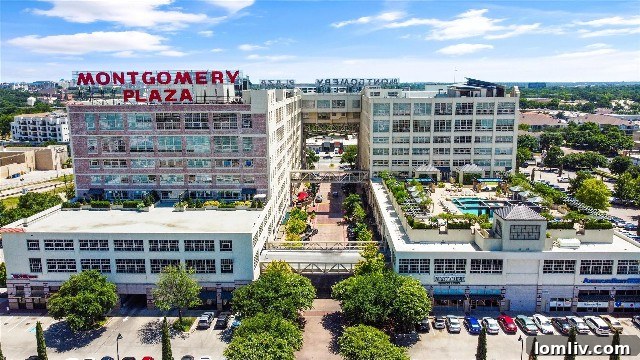
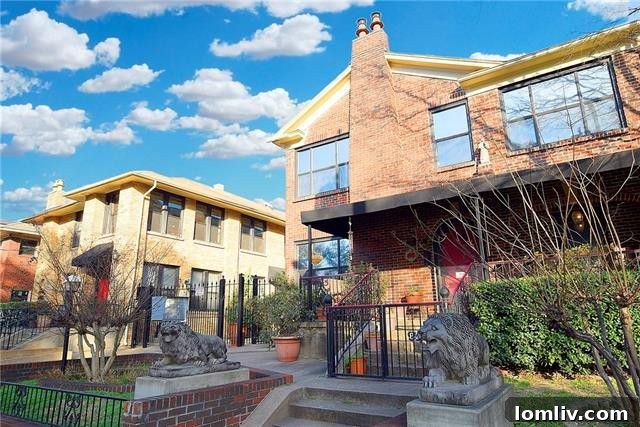
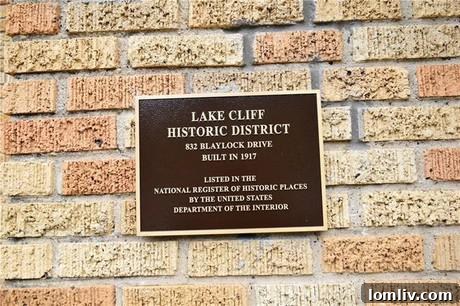
832 Blaylock Drive
Circa 1917
Nestled within the vibrant heart of Oak Cliff, Dallas, the Lake Cliff neighborhood stands as a testament to rich history, architectural diversity, and enduring community spirit. Of all the distinctive areas within Oak Cliff, Lake Cliff arguably boasts the most colorful and captivating past, serving as a pivotal gateway to the larger Oak Cliff community since the 19th century. Once an integral component of the original Oak Cliff township, which Dallas officially annexed in 1901, Lake Cliff has consistently been a focal point for development, leisure, and residential living, shaping the identity of this dynamic sector of Dallas.
The very name “Lake Cliff” derives from a picturesque small freshwater lake, originally crafted in 1890 as the centerpiece for the exclusive Llewellyn Country Club. This ambitious undertaking was part of a grander vision championed by businessman T.L. Marsalis, who harbored dreams of transforming Old Oak Cliff into Dallas’s most affluent and desirable suburb. Marsalis’s immense ambition materialized in 1889 with the construction of his own lavish grand mansion, strategically positioned at the intersection of Colorado Boulevard and Marsalis Avenue. This impressive residence became a beacon, signaling the upscale aspirations for the area, and within a year, a steady stream of affluent buyers followed suit, eager to build their own magnificent homes and establish a prestigious community around the newly created lake. This initial wave of development laid the groundwork for Lake Cliff’s reputation as a burgeoning, elite residential enclave.
Marsalis’s grand vision, however, encountered an unforeseen and devastating setback. Having staked a significant portion of his business holdings on what appeared to be a guaranteed success, his fortunes were dramatically overturned by the severe economic depression of 1893. This national financial crisis crippled his development plans, effectively shattering his dream for Oak Cliff. With his ambitious project in ruins, Marsalis was forced to abandon his opulent mansion and ultimately left town, leaving behind an empty symbol of his once-lofty aspirations. The mansion remained vacant for years, a silent witness to a dream deferred, until 1904 when a forward-thinking doctor purchased the still-empty estate. He repurposed the stately landmark, converting it into the Marsalis Sanitarium, providing much-needed medical services to the community. Yet, fate had another turn in store for the iconic building; just 11 years later, in 1915, the historic mansion, once a symbol of opulence and later of healing, tragically burned to the ground, leaving only memories of its former glory.
Despite the initial economic turbulence, the early 1900s marked a significant period of resurgence for Lake Cliff. Residential construction experienced a robust revival, with new homes rapidly filling the streets and contributing to the neighborhood’s growing charm. Simultaneously, Lake Cliff Park emerged as an unparalleled hub of entertainment and leisure, boasting the largest and most elaborate amusement complex in all of Texas. This sprawling entertainment destination offered something for everyone, featuring not one, but three distinct theaters that showcased a diverse array of performances, from captivating operas and pioneering silent motion pictures to enthralling live acts. Beyond the theatrical offerings, the complex was a true recreational paradise. It boasted a massive, inviting pool perfect for floating and swimming, complemented by a grand bathhouse. Visitors could also enjoy lively dance pavilions, thrilling carnivals, and various attractions that drew crowds from across Dallas and beyond, establishing Lake Cliff Park as a premier destination for fun and social gatherings. However, like many early amusement parks, its era of grand entertainment eventually concluded. A year after the facility ceased operations in 1913, developers J.T. Zang and Charles Mangold made the pivotal decision to sell the expansive 44-acre Lake Cliff Park to the City of Dallas. This acquisition transformed the former amusement park into a cherished public green space, preserving a significant part of Lake Cliff’s legacy for future generations to enjoy.
The presence of the beautiful lake acted as a powerful magnet, continuously drawing residents and fostering a boom in home building, primarily concentrated between 1890 and 1930. This extensive period of development gifted Lake Cliff an incredibly rich and varied architectural landscape. As you stroll through the tree-lined streets surrounding the tranquil waters, you’ll encounter an eclectic array of architectural styles, each telling a story of its era. From the intricate details of Queen Anne and the stately grandeur of Neoclassical designs to the elegant symmetry of Colonial Revival, the rustic charm of Tudor, the artisanal craftsmanship of Craftsman bungalows, and the expansive horizontal lines of Prairie style homes – residences of all sizes and designs beautifully coexist. This vibrant mix of architectural heritage is a key characteristic of the Lake Cliff neighborhood, offering a unique visual journey through early 20th-century American home design. Adding another layer of popularity and appeal to the neighborhood, many of the larger, historic homes have undergone meticulous renovations. These grand residences have been thoughtfully transformed into charming historic apartments, providing modern living spaces while preserving their original architectural integrity and contributing to the diverse housing options that make Lake Cliff so attractive to a wide range of residents.
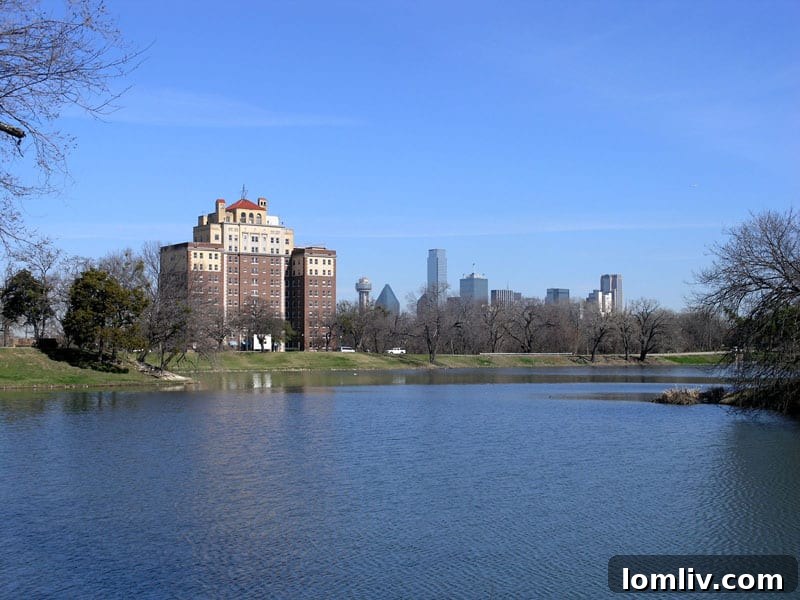
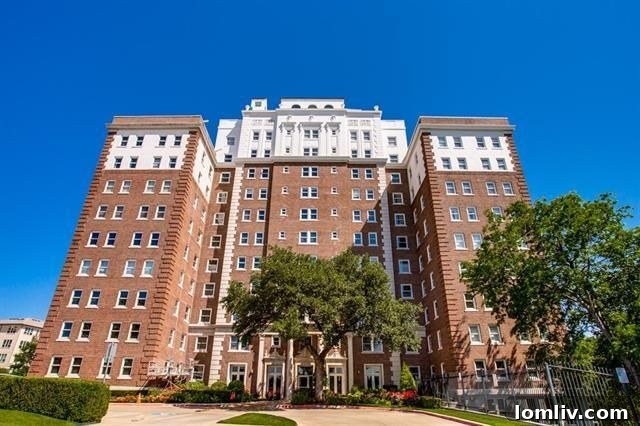
Further cementing Lake Cliff’s architectural and residential significance, 1929 saw the completion of the iconic Lake Cliff Tower. This impressive structure, located directly across Colorado Boulevard from the historic lake, stands as one of the oldest residential high-rises in Dallas. Its construction marked a pivotal moment in the city’s urban development, introducing vertical living to a burgeoning suburban landscape. Today, the 12-story Lake Cliff Tower has been masterfully revitalized, offering 54 luxurious condos that blend historic charm with contemporary sophistication. Residents of these exclusive units enjoy a comprehensive range of high-end amenities designed to cater to a modern lifestyle. These include a meticulously landscaped outdoor lounge perfect for relaxation, a cozy firepit for social evenings, a stylish clubroom for gatherings, and convenient wine lockers. Beyond these communal spaces, the tower provides essential services such as a dedicated concierge, a state-of-the-art fitness center to support healthy living, and a refreshing swimming pool, ensuring a premium living experience within a building steeped in Dallas history.
While celebrated for its beauty and historical depth, Lake Cliff holds a subtle, almost infamous, association within American history. It is the very neighborhood where Lee Harvey Oswald resided in a modest boarding house, situated just off Beckley Avenue, at the time of the tragic Kennedy assassination in November 1963. This somber connection adds a layer of historical intrigue to the area, drawing attention as a point of reference in one of the nation’s most pivotal moments, reminding visitors and residents alike of its unwitting role in a significant historical event. This specific detail further embeds Lake Cliff into the broader narrative of Dallas and 20th-century America, making it a neighborhood not just of local significance, but also one with a unique place in the national consciousness.
Beyond its rich past and architectural grandeur, modern-day Lake Cliff offers an exceptionally convenient and fulfilling lifestyle. The area is renowned for its excellent culinary scene, boasting a diverse selection of restaurants that cater to every palate, from casual eateries to upscale dining experiences. Healthcare needs are well-served by the proximity of the highly respected Methodist Memorial Hospital, providing top-tier medical facilities right within the neighborhood. For those commuting or seeking urban adventures, Lake Cliff provides seamless and convenient access to downtown Dallas, thanks to the efficient Oak Cliff Streetcar line. This modern public transit option allows residents to easily connect with the city’s business districts, entertainment venues, and cultural attractions, all while enjoying the charm and tranquility of their historic neighborhood. This blend of historical depth, contemporary amenities, and superb connectivity makes Lake Cliff an exceptionally desirable place to live, attracting individuals and families who appreciate both heritage and modern convenience.
In conclusion, Lake Cliff stands as a truly unique and resilient neighborhood within Dallas’s vibrant Oak Cliff. From T.L. Marsalis’s ambitious 19th-century vision and the lively Lake Cliff Park amusement complex to its architectural masterpieces and the iconic Lake Cliff Tower, the area has continuously evolved while honoring its profound historical roots. Today, it offers a harmonious blend of beautifully preserved historic homes, luxury modern living, a thriving local economy, and excellent urban connectivity. Lake Cliff is more than just a place to live; it’s a living, breathing testament to Dallas’s past, a vibrant community in its present, and a promising canvas for its future, truly embodying the spirit of Oak Cliff.