Green Roofs: Transforming Urban Landscapes from Arid Kuwait to Bustling Dallas
The global conversation around sustainable urban development is increasingly focused on innovative solutions that merge ecological benefits with modern architectural demands. Among these, green roofs stand out as a pioneering technology, offering a myriad of environmental, economic, and social advantages. Every couple of years, the International Green Roof Association (IGRA) convenes a pivotal conference to highlight the latest advancements, discuss industry challenges, and celebrate groundbreaking projects worldwide. While opportunities to attend these inspiring gatherings may sometimes be limited by travel constraints, the insights shared often provide a profound understanding of the potential for green infrastructure, even in the most challenging climates.
This article explores the remarkable success of green roofs in hot, drought-prone regions like Kuwait and draws compelling parallels for cities such as Dallas, Texas, which face similar environmental pressures. By examining exemplary projects and dissecting the core benefits of green roof technology, we aim to advocate for a more widespread adoption of these sustainable practices in urban planning and development.
Kuwait’s Al Shaheed Park: A Paradigm of Green Infrastructure in the Desert
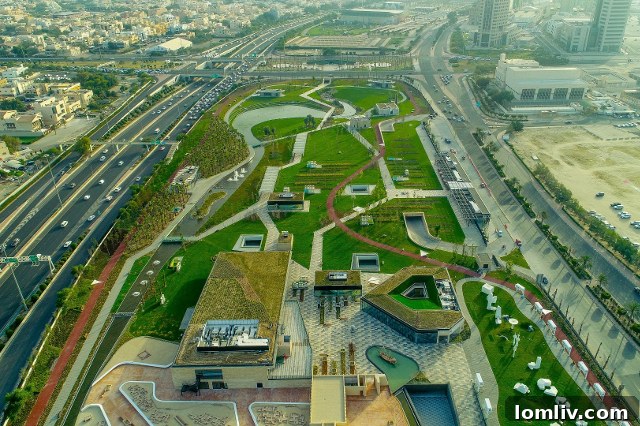
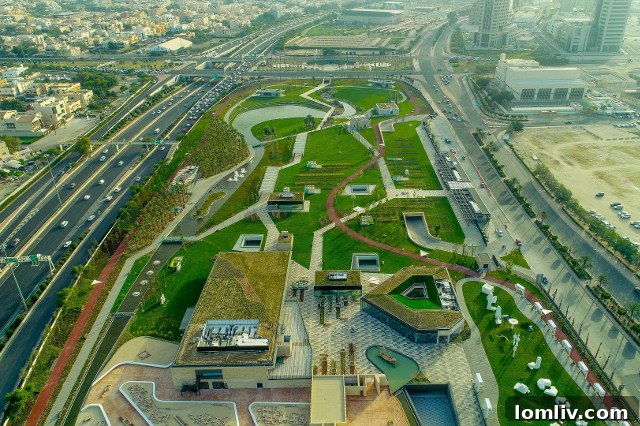
The recent IGRA conference venue itself was a testament to the power of green design: nestled beneath Kuwait City’s magnificent Al Shaheed Park. This sprawling 76-acre oasis features an impressive 20 acres of green roofs, cleverly concealing a modern conference center and several museums. As depicted in the accompanying photograph, Al Shaheed Park strategically separates the historic old city of Kuwait from its rapidly evolving modern counterpart. This location was always envisioned as a vital green belt, but like many urban spaces, it fell victim to periods of neglect. Its eventual reclamation and transformation into the Al Shaheed Park complex masterfully re-established its ecological purpose while seamlessly integrating crucial cultural and commercial facilities.
Kuwait’s selection as the host city for the IGRA conference was far from arbitrary. The central theme revolved around the feasibility and diverse options for implementing green roof technologies in regions characterized by intense heat and persistent drought. For cities like Dallas, which frequently oscillate between severe floods and prolonged water scarcity, this case study offers invaluable lessons. The key takeaway is the potential for green roofs to thrive with minimal irrigation, thereby avoiding prohibitive operational costs compared to conventional roofing systems. If Kuwait, with its scorching average daytime temperatures often exceeding 90 degrees Fahrenheit, can successfully cultivate flourishing green roofs without excessive water consumption, then Dallas undoubtedly possesses the capacity to do the same.
Beyond Rooftops: Kuwait’s Commitment to Green Walls and Vertical Gardens
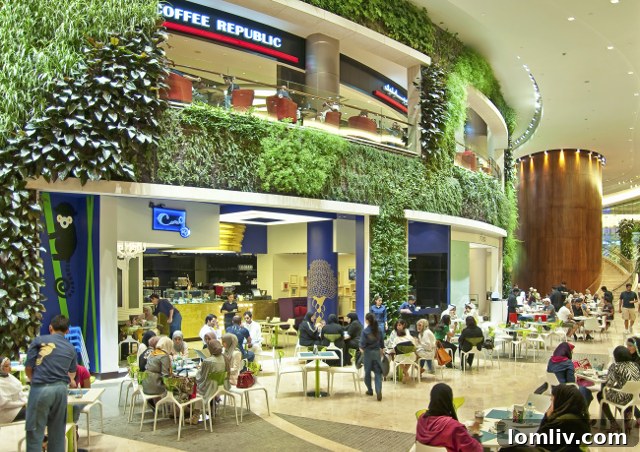
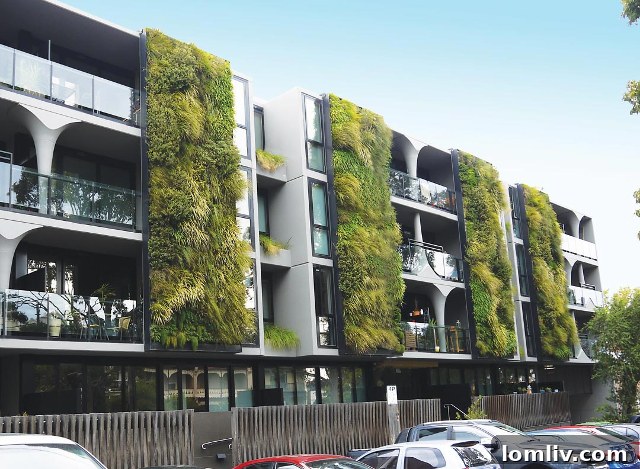
Kuwait’s dedication to green initiatives extends beyond expansive rooftop parks. The nation has also embraced other innovative green features, such as the breathtaking green wall installation within the opulent 360 Mall. This vertical garden is home to over 21,000 plants, thriving under what appears to be ample natural light, even if not from flashcubes. Beyond its undeniable visual appeal and the inherent calming effect that vegetation has on human psychology, this green wall serves a crucial functional purpose: improving indoor air quality by acting as a natural biological filter. Such installations exemplify how green technologies can be integrated into various urban environments, enhancing both aesthetics and air quality.
Dallas’s Green Ambition: Pushing for Sustainable Development
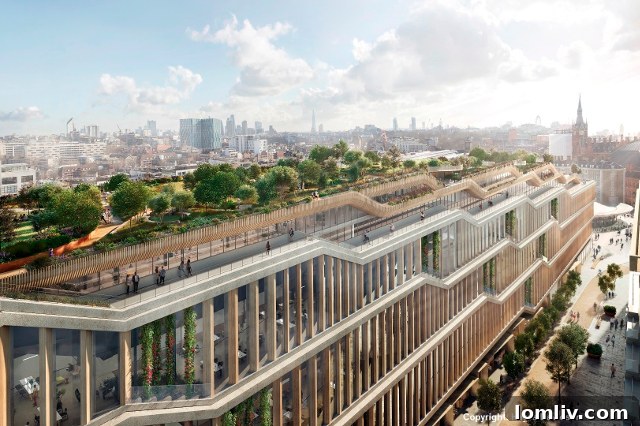
The vision for Dallas is clear: to steer the city towards adopting more sustainable technologies, with a particular emphasis on green roofs. In ongoing conversations with developers, a consistent inquiry regarding their roof designs often elicits a response of bewilderment. This reaction frequently stems from a fundamental unfamiliarity with green roof technology and its extensive array of benefits. The ingrained routines and traditional principles prevalent in development often create a comfort zone that resists innovation. When coupled with a segment of apartment builders who may not prioritize their tenants’ long-term utility costs, the path to greener development can indeed seem challenging.
Overcoming Indifference: The Economic and Aesthetic Case for Green Roofs
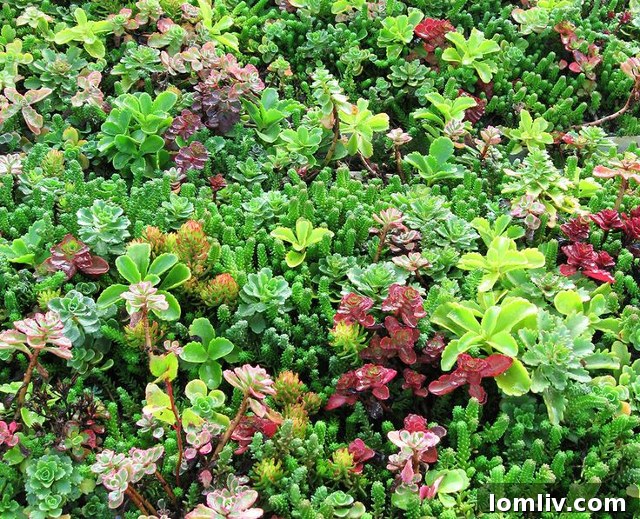
The perceived indifference towards green roofs often arises from a lack of education regarding their tangible advantages. We are all creatures of habit, whether it’s the familiar route to the grocery store or the established methodologies in real estate development. Breaking these conventional patterns requires a robust demonstration of value and a clear articulation of how green roofs address both environmental concerns and practical developer interests. By focusing on cost-effectiveness and ease of maintenance, particularly with drought-resistant plants like sedum and succulents, the argument for green roofs becomes significantly stronger.
Beyond the direct benefits to a building’s occupants, green roofs also play a critical role in enhancing the urban aesthetic, especially for high-rise dwellers. Contemporary apartment buildings often feature sprawling “air-conditioner farms” on their rooftops, typically on light-colored membrane surfaces. These utilitarian installations can be unsightly and noisy for neighboring taller structures. To foster greater community acceptance and “neighbor buy-in” for new developments, integrating green screens or partial green roof installations to mask the visual and auditory impact of hundreds of whirling fans throughout the year presents a viable solution. Furthermore, by opting for centralized chiller systems, which are more energy-efficient, require less space, and demand reduced maintenance, developers can achieve significant cost savings while simultaneously improving the rooftop environment. This holistic approach ensures that everyone benefits – developers, tenants, and surrounding communities.
The Undeniable Benefits of Green Roof Technology
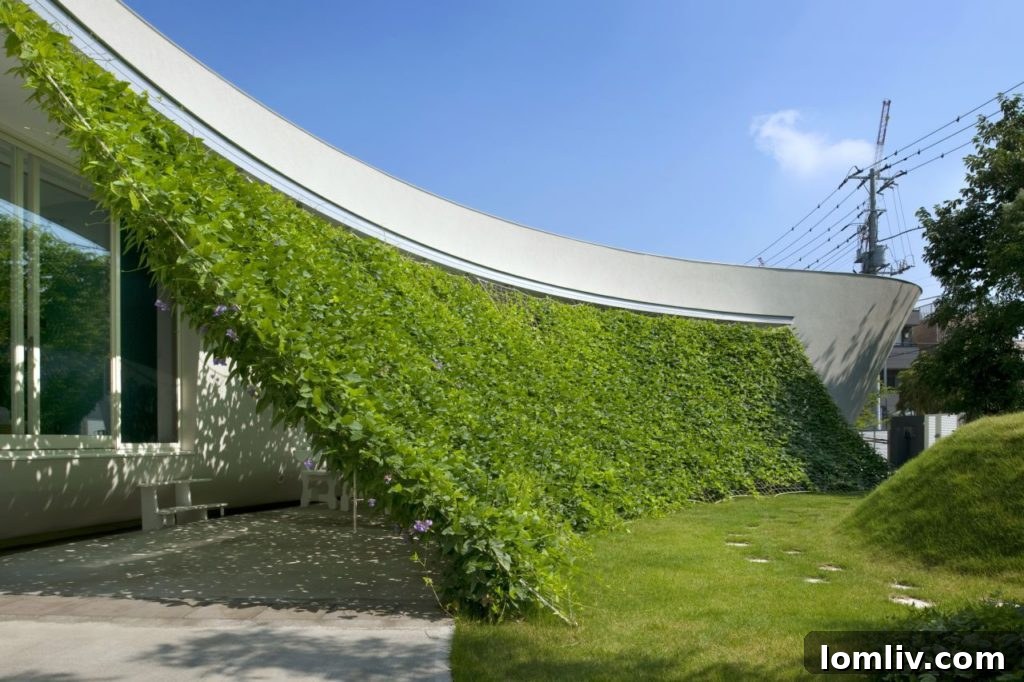
Green roofs are more than just aesthetically pleasing additions to urban landscapes; they are multifaceted sustainable solutions that deliver a wide range of ecological and economic advantages. Understanding these benefits is crucial for fostering their broader adoption:
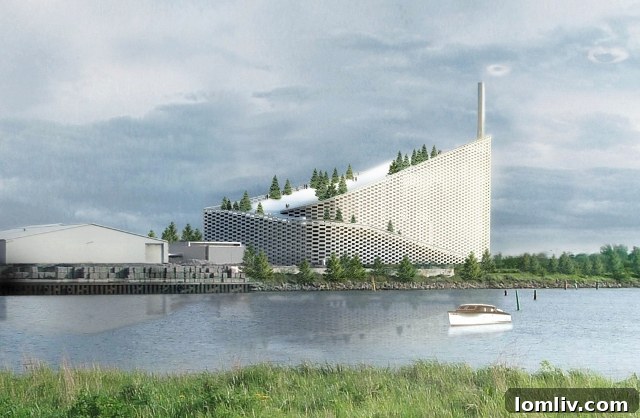
- Enhanced Roof Longevity: While the initial installation cost of a green roof might be higher than traditional roofing systems, this investment is justified by significant long-term savings. Green roofs can double the lifespan of the underlying roof membrane, as they provide robust protection from harsh UV radiation, extreme temperature fluctuations, and physical damage from elements like hail. This extended durability translates to fewer repairs and replacements over time.
- Structural Considerations and Weight: A common misconception is that all green roofs are prohibitively heavy, requiring extensive structural reinforcement. In reality, green roof systems offer considerable flexibility in weight. Depending on the growth medium, plant selection, and depth (ranging from 3 to 16 inches), roofs can weigh between a manageable 13 to over 100 pounds per square foot. For many modern constructions, especially those designed with even minimal load-bearing capacity, integrating a lightweight green roof system of around 3 inches and 13 pounds per square foot is entirely feasible and often requires minimal, if any, additional structural modifications.
- Low Maintenance Requirements: Contrary to popular belief, not all green roofs demand intensive maintenance. The most cost-effective and environmentally friendly options often feature drought-resistant mosses, sedum, and other succulents. These plants are remarkably resilient, require minimal watering once established, and eliminate the need for regular mowing, significantly reducing ongoing maintenance efforts and costs.
- Superior Energy Efficiency: A green roof acts as a natural insulator, significantly improving a building’s thermal performance. The soil and vegetation layer helps to regulate indoor temperatures, keeping buildings cooler in the summer and warmer in the winter. This translates directly to reduced heating and cooling demands, offering substantial savings on utility bills. In fact, a floor situated directly beneath a green roof can achieve energy efficiency comparable to a ground floor.
- Enhanced Thermal Insulation (R-values): Green roofs contribute measurable R-values, which quantify their thermal resistance. This added layer of insulation enhances the overall thermal envelope of a building, contributing to higher energy efficiency standards and greater occupant comfort.
- Effective Noise Reduction: Urban environments are often plagued by noise pollution. Green roofs offer a tangible solution by significantly reducing both airborne and impact noise. They can cut noise levels by up to 3 dB and increase sound insulation by as much as 8 dB. This benefit is particularly valuable for residential buildings located near busy thoroughfares, airports like Dallas Love Field, or industrial zones, creating quieter and more serene indoor spaces.
- Stormwater Management: One of the most critical environmental benefits of green roofs is their capacity for stormwater retention. They can capture between 50-90 percent of rainfall, significantly reducing runoff and alleviating the burden on urban drainage systems. This helps to mitigate local flooding, especially during intense rain events. Excess captured water can even be stored in cisterns for reuse in irrigation, further conserving water resources.
- Improved Air Quality: Plants are natural air purifiers. Green roofs actively filter pollutants from the atmosphere, absorbing carbon dioxide and releasing oxygen. It is estimated that ten square yards of green roof can filter a kilogram (2.2 pounds) of dust and other particulate matter per year, contributing to cleaner, healthier urban air.
- Biodiversity Enhancement: Green roofs provide vital habitats for native birds, insects, and other small wildlife, contributing to urban biodiversity. By creating green corridors, they help to support local ecosystems, which are often fragmented by urban development.
- Mitigating the Urban Heat Island Effect: Greener cities actively combat the urban heat island effect—the phenomenon where urban areas are significantly warmer than surrounding rural areas due to the absorption and retention of heat by concrete, asphalt, and buildings. Green roofs cool the surrounding air through evapotranspiration, lowering ambient temperatures and reducing energy consumption for air conditioning in adjacent buildings. This creates a more comfortable and sustainable urban microclimate.
A Call to Action for Dallas Developers and Architects
The message for Dallas’s builders and architects is straightforward: embrace education and innovation. If waiting two years for the next International Green Roof Association Congress feels too distant, numerous opportunities exist closer to home to gain invaluable knowledge and practical insights into green roof and wall technologies. These events provide crucial platforms for learning from industry leaders, exploring real-world implementations, and networking with peers.
Upcoming Opportunities for Green Infrastructure Learning:
- Toronto: May 15-16 – Grey to Green Conference. For a reasonable fee, developers, architects, and landscape architects can immerse themselves in two days of intensive learning. This conference covers various green technologies and offers tours of successful real-world projects across Toronto, showcasing practical applications and design excellence.
- New York City: September 24-28 – CitiesAlive 2018 Conference. This well-established event, now in its sixteenth year, is proudly sponsored by the North American Green Roof & Wall Association and the Green Infrastructure Foundation. Attracting an anticipated 700 attendees over four days, CitiesAlive offers a comprehensive agenda filled with educational sessions and tours designed for both newcomers and seasoned professionals in sustainable development. The accompanying trade show provides an excellent opportunity to source products and services for future projects. While registration details are yet to be finalized, pre-registration is available to ensure you receive timely updates on costs and program specifics.
Dallas, with its dynamic growth and evolving urban landscape, will inevitably need to join the green infrastructure movement sooner rather than later. Instead of viewing the future of sustainable building as an unpalatable necessity, like facing dreaded lima beans and liver, developers and architects are encouraged to actively seek knowledge and embrace these innovative solutions. The learning curve, once engaged, will prove to be far more palatable and rewarding than perceived. Investing in understanding green technologies now will position Dallas as a leader in sustainable urban development, creating a healthier, more resilient, and aesthetically richer city for all its residents.
By integrating green roofs and walls, Dallas can move towards a future where its buildings are not just structures, but vibrant ecosystems that contribute positively to the environment and the well-being of its communities. This shift represents not merely a trend, but a fundamental evolution in how we conceive, design, and inhabit our urban spaces.

Remember: High-rises, HOAs, and renovation are key areas of focus. But the appreciation for modern and historical architecture, balanced against the YIMBY movement, is also deeply held. If you’re interested in hosting a Candysdirt.com Staff Meeting event, please reach out. The National Association of Real Estate Editors has recognized this writing with multiple awards, including two Bronze (2016, 2017) and two Silver (2016, 2017) accolades in 2016 and 2017. Have a compelling story to share, or perhaps an intriguing proposal? Feel free to connect via email: [email protected].