By Brenda Masse
Special Contributor
The allure of condo living is undeniable, offering a blend of convenience, community, and often an enviable urban lifestyle. Many homebuyers are drawn to the prospect of reduced exterior maintenance, access to shared amenities, and the potential for a vibrant social environment. However, beneath the surface of this attractive lifestyle lies a complex reality: not all condos are created equal. From brand-new, individually self-sufficient units to historic apartment conversions with intricate shared systems, the landscape of condo ownership is incredibly diverse.
Understanding the specific ownership rights, responsibilities, and the mechanics of your particular property is paramount. Will you be responsible for your HVAC system, water heater, and roof, or are these common elements managed by the Homeowners Association (HOA)? Knowing the answers to these questions before you buy is crucial for a smooth transition into condo life. This comprehensive guide, part of our “Upon Closer Inspection” series, delves into the unique home inspection issues prospective condo owners should be aware of, ensuring you make an informed decision on your path to condo ownership.
Decoding Condo Ownership: The HOA and Your Unit
Before even considering an inspection, prospective condo buyers must embark on a thorough due diligence process, primarily focused on the Homeowners Association (HOA) and its governing documents. The HOA acts as the steward of the building’s common elements and shared infrastructure, significantly impacting your daily life and financial responsibilities. Key documents such as the Covenants, Conditions, and Restrictions (CC&Rs), bylaws, recent meeting minutes, the HOA budget, and the crucial reserve study must be meticulously reviewed.
These documents will clarify critical distinctions: what is considered part of your individual unit (typically “walls-in” or “studs-out”), what constitutes a “limited common element” (like balconies, patios, or specific windows that serve only your unit but are maintained by the HOA), and what are “general common elements” (the roof, foundation, exterior walls, shared utility infrastructure, amenities). A healthy HOA will have adequate reserve funds set aside for major capital expenditures, preventing unexpected special assessments that can hit owners hard. Understanding the HOA’s financial stability, any pending litigation, and future repair plans is just as important as the physical inspection of the unit itself. This holistic understanding forms the bedrock of smart condo buying.
The Specialized Condo Home Inspection
While a standard home inspection is essential for any property purchase, a condo demands a more nuanced approach. An inspector experienced with multi-unit dwellings understands that their role extends beyond merely checking the appliances and interior finishes of your unit. They must also assess how your unit interacts with the larger building structure and its shared systems, identifying potential issues that could arise from adjacent units or common areas.
Unlike single-family homes, a condo inspection typically focuses on the interior components of your specific unit, including electrical systems, plumbing within the unit, heating and cooling units (if individual), and the condition of interior finishes. However, a skilled inspector will also look for signs of issues originating from common elements that might impact your unit, such as water stains indicating a roof leak (an HOA responsibility), or issues with shared plumbing stacks. It’s important to recognize that inspectors usually do not delve into common elements like the main roof, exterior walls, or centralized boiler rooms, as these fall under the HOA’s purview. Therefore, the findings of your unit’s inspection must be harmonized with your review of the HOA documents to create a complete picture of the property’s health and your potential liabilities.
Navigating Shared Utilities and Complex Systems
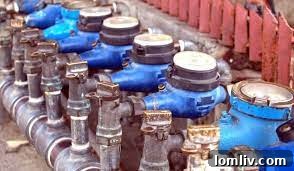
One of the most significant differences between condo living and single-family homes lies in the utility infrastructure. In older condo units and smaller communities, you’ll frequently encounter shared utilities, making it imperative to understand upfront how these systems are paid for, maintained, and how their performance might affect your daily life. It’s not uncommon to find shared water heaters that serve multiple units. While some communities utilize individual water meters, as shown in the image, allowing each owner to pay their specific consumption, others might include hot water costs within the HOA fees, potentially leading to questions about supply and efficiency. Don’t hesitate to ask neighbors about their experience with the hot water supply.
High-rise condos almost universally feature centralized boiler and chiller systems for heating and cooling, which are maintained by the HOA. While these systems can be highly efficient for the entire building, individual unit control might be limited, and any system-wide issues can impact numerous residents. Beyond hot water and HVAC, other shared utilities include main plumbing stacks, electrical service, and gas lines. A problem in a shared system, such as a burst water main outside the condo, can cause widespread disruption and costly repairs, as dramatically illustrated in the following video:
@greenscenehome Water Main Geyser – Those folks who live in these condos are gonna need to get their water from the parking lot today. 🙁 #homeinspector #condo
♬ original sound – Green Scene Home Inspections
These incidents underscore the importance of understanding the condition and maintenance schedules of shared infrastructure and how they are financed through your HOA fees and reserve funds.
The Charm and Challenge of Older & Converted Condos
In many metropolitan areas, including the vibrant Dallas-Fort Worth region, numerous charming and historic apartment complexes have undergone conversion into condominiums. These properties often boast unique architectural character, mature landscaping, and prime locations that are highly desirable. However, beneath their charming facades, these older buildings can present significant ownership challenges, primarily due to aging infrastructure that may be well past its expected lifespan.
Consider a beautifully updated 1961 condo where the interior shines with modern finishes. Yet, the underlying boiler or chiller unit might still be the original from 1961. As one inspector humorously, yet truthfully, pointed out, “Listen, it’s working now, but when you have to replace it, you may have to rent a crane to get it out of there.” This anecdote highlights the practical and financial hurdles of maintaining vintage systems. Older buildings may have outdated electrical wiring (like knob-and-tube or aluminum wiring), original plumbing made of galvanized steel or cast iron (prone to corrosion and leaks), and HVAC systems that are significantly less energy-efficient than modern alternatives.
Replacing such systems isn’t just a matter of cost; it involves complex logistics, potential structural modifications, and often, the need for specialized equipment and contractors. These major capital expenditures typically fall under the HOA’s responsibility, funded either through reserves or special assessments to unit owners. An experienced home inspector will not only identify the age and condition of these systems within your unit but also provide a realistic perspective on their remaining useful life and the potential long-term costs associated with their eventual replacement. This helps buyers avoid the pitfall of judging a book purely by its cover, as shown in the following clip:
@greenscenehome Don’t judge a book by its cover! #askahomeinspector #condolife #homeinspector
♬ original sound – Green Scene Home Inspections
Fire Safety, Structural Integrity, and Privacy Concerns
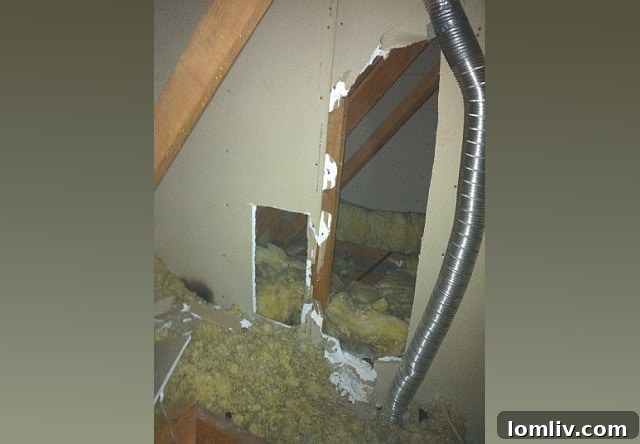
Safety is paramount in any residence, but in multi-unit buildings, fire safety takes on an even greater significance. If condo units share a roof or attic space, they are legally required to have robust fire barriers between units. These barriers are designed to compartmentalize potential fires, slowing their spread and providing precious time for occupants to evacuate and for emergency services to respond. When our inspectors were asked about common issues in older condominiums, deficiencies in fire barriers were frequently cited as a major concern. Missing or improperly installed barriers, such as the one pictured with large, unauthorized sections cut out, not only constitute a serious fire hazard but also raise significant privacy and security issues by providing easy access to a neighbor’s attic crawl space.
Beyond fire barriers, inspectors also consider other critical fire safety elements, including the presence and functionality of smoke detectors and carbon monoxide alarms within the unit, access to sprinkler systems (if the building is equipped with them), and clear, unobstructed egress routes in common areas. The structural integrity of the building, though primarily an HOA responsibility, is another area where an inspector can offer valuable insights by observing visible signs of distress within or around your unit, such as severe cracks, uneven floors, or persistent moisture intrusion, which can indicate larger building envelope issues. Identifying these issues during an inspection can prompt further investigation by the HOA or licensed professionals, ensuring the building’s overall safety and stability.
Windows, Balconies, and Exterior Elements: Your Unit’s Outer Shell
While often categorized as common elements, the exterior components directly attached to or serving your unit, such as windows, doors, and balconies, have a significant impact on your comfort, energy efficiency, and safety. The specific ownership and maintenance responsibilities for these elements can vary widely between HOAs, making it crucial to consult the governing documents. Are you responsible for replacing your own windows, or does the HOA cover it? This seemingly minor detail can lead to substantial unexpected costs.
An inspector will carefully examine windows and doors for proper sealing, insulation, and signs of water penetration, which can lead to mold, rot, and increased utility bills. Balconies and patios require close scrutiny for structural integrity, proper drainage, and waterproofing to prevent leaks into lower units or the deterioration of the building’s facade. Even elements like the exterior siding or roofing, although typically HOA-maintained, can be assessed for visible signs of wear, damage, or deferred maintenance from the perspective of your unit. Any major issues here could signal future repair projects that might lead to special assessments. A thorough review of these exterior elements during your inspection contributes significantly to understanding the true condition and potential long-term costs of your prospective condo.
Making an Informed Decision
Condominium ownership can indeed offer a fantastic lifestyle, boasting fewer maintenance worries, access to desirable amenities, and excellent investment or rental opportunities. However, the path to a successful condo purchase is paved with thorough due diligence. It’s not enough to simply fall in love with a unit’s interior; you must also understand the intricate web of shared responsibilities, the condition of the building’s infrastructure, and the financial health of the HOA. Our advice remains consistent: ensure you read all the fine print, meticulously review all HOA documents, and, crucially, engage a seasoned home inspector with specific experience in condominiums before you sign on the dotted line. Being fully informed transforms potential surprises into manageable considerations, empowering you to make a confident and wise investment in your future home.