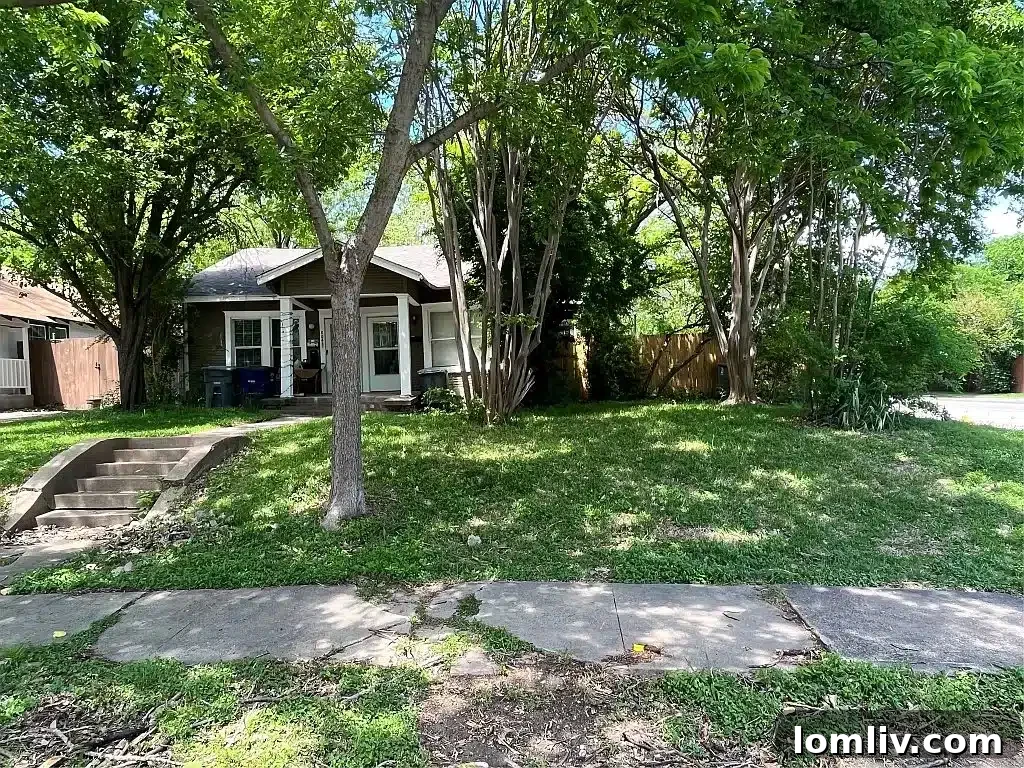
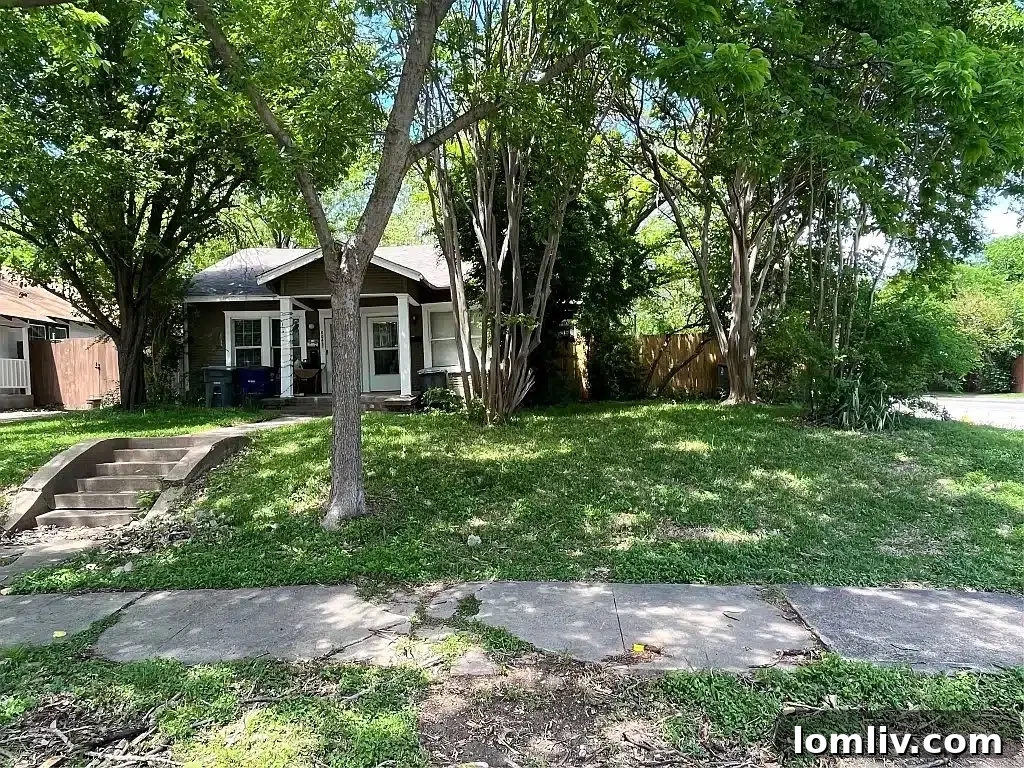
A recent decision by the Dallas Board of Adjustment has sparked considerable debate within the historic Belmont Addition Conservation District, as former Dallas City Councilman Philip Kingston and his wife, City Plan Commissioner Melissa Kingston, were granted two crucial variances and denied one for their ambitious remodel plans at 6045 Velasco Avenue. This high-profile renovation project has not only drawn attention to a significant property but has also reignited complex discussions surrounding urban development, historic preservation, and the interpretation of community-led zoning regulations in Dallas’s cherished neighborhoods.
The Kingstons’ decision to seek these variances has ignited strong opposition from several residents of the Belmont Addition. Many neighbors argue that the Belmont Addition Conservation District (BACD), meticulously established in 2004, was specifically conceived to protect and enhance the architectural integrity and historical charm that defines their community. Critics express profound concern that allowing prominent local figures, who themselves were instrumental in championing the district’s creation, to seemingly bypass its regulations could set a dangerous precedent. This, they fear, might ultimately erode the very protections put in place, transforming preservation efforts into opportunities for personal financial gain.
However, Melissa Kingston presents a compelling alternative narrative, offering a deeper insight into the motivations behind their project. In an exclusive statement to daltxrealestate.com, she clarified that their intentions extend far beyond mere profit-making. Instead, their vision centers on a thoughtful and respectful restoration aimed at preserving the property’s historical essence while simultaneously adapting it to meet modern living standards. This project, therefore, encapsulates a broader, ongoing dialogue in urban planning: how to delicately balance the imperative of revitalizing aging properties with the vital need to protect the distinctive character that makes historic districts so unique and desirable.
Although the official video recording of the pivotal December 13 Board of Adjustment meeting had not yet been released at the time of publication, comprehensive supporting documents provide a detailed blueprint of the Kingstons’ proposed renovations for 6045 Velasco Avenue. These public records meticulously outline their architectural vision and articulate the specific justifications for each variance request. The Kingstons contend that these variances are not only necessary for the successful execution of their project but are also designed to be non-disruptive, ensuring the renovation enhances rather than detracts from the neighborhood’s established character. This transparency aims to address community concerns by laying bare the intricate details of their plans.
The Belmont Addition Conservation District is a particularly significant area within Dallas’s urban fabric, recognized for its unique historical and architectural contributions. Established in 2004, it encompasses approximately 443 distinct properties, each contributing to its singular charm. The district’s boundaries are clearly delineated: Llano Avenue to the north, Skillman Street to the east, Belmont Avenue to the south, and Greenville Avenue to the west. The creation of the BACD was a concerted community effort aimed at implementing specific guidelines for new construction and renovations, thereby preserving and enhancing the architectural consistency and historical value that are the hallmarks of this particular corner of Dallas. The Kingstons’ current project, therefore, serves as a crucial test case, challenging the flexibility and interpretation of these very guidelines and highlighting the ongoing tension between preserving the past and accommodating the evolving needs of its residents.
Variances Granted: A Deep Dive into the Board of Adjustment’s Decision for 6045 Velasco Ave.
The Kingstons’ application before the Board of Adjustment centered on three distinct variance requests: two pertaining to side setbacks and one specifically addressing lot coverage. After a thorough deliberation process, which incorporated detailed recommendations from Dallas city staff, the Board ultimately approved both side setback variances but denied the request for lot coverage. Melissa Kingston confirmed that this precise outcome was anticipated by the couple, indicating a well-calculated strategy behind their initial submissions.
Melissa Kingston elucidated the critical rationale behind the approved variances: “The existing house, which is a venerable structure dating back to 1924, currently sits in a position that encroaches upon both the east and west side setbacks.” This pre-existing condition—where the historic footprint of the home already extended beyond contemporary zoning requirements—formed the cornerstone of their argument. “Our paramount goal is to preserve the original structure and maintain its architectural authenticity. To achieve this, and to seamlessly integrate a new addition that respects and matches the existing historical architecture, obtaining these side setback variances was absolutely essential.” She further explained the practical necessity, particularly regarding the planned additions: “Furthermore, to facilitate the construction of two two-car garages on the property, we identified a need for additional space within the side yard. These variances were therefore critical not just for preservation, but also for the functional and modern utility aspects of our overall design.”
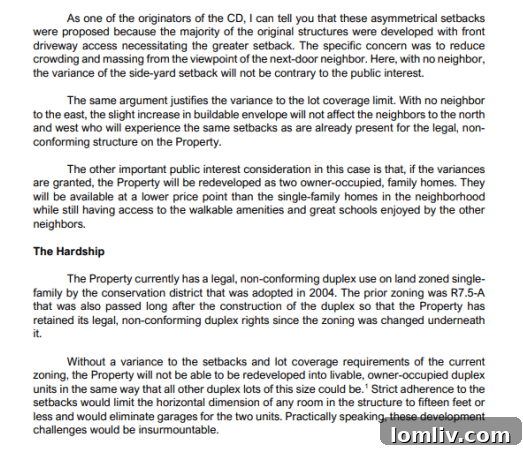
Kingston also highlighted the more restrictive nature of side setback regulations within the Belmont Addition Conservation District, especially for unique properties like 6045 Velasco Avenue, which occupies a prominent corner lot. This heightened restrictiveness often necessitates engagement with zoning authorities when addressing the specific challenges of older homes. She elaborated on a pervasive issue confronting homeowners in established conservation districts across the city: “A defining characteristic of conservation districts, particularly those in areas like Lowest Greenville that are roughly two decades old, is that the properties they encompass are considerably older—ranging typically from 80 to 110 years in age. It is, therefore, a very common occurrence for these pre-existing, historic structures to fall outside the strict bounds of contemporary zoning regulations that were formulated much later.” This inherent discrepancy, she passionately argued, renders variance requests not as an attempt to circumvent rules, but as an ordinary and necessary part of maintaining, preserving, and thoughtfully updating these historically significant properties.
To underscore the routine nature of such appeals, Melissa Kingston pointed out that on the very day the Kingstons’ variances were reviewed, December 13, a significant majority—four out of the six cases presented before the Board of Adjustment—originated from various conservation districts across Dallas, and notably, all of them were ultimately granted. This observation strongly suggests that their situation is not an isolated incident of special privilege but rather a recurring scenario where the unique challenges of historic preservation necessitate a flexible application of modern zoning codes, a process designed to address such historical incongruities.
Despite the Kingstons’ detailed justifications, their request for variances was met with fervent opposition from several neighbors, who viewed the proceedings with deep skepticism. A particularly vocal critic was Amanda Schulz, a former District 14 City Council candidate, who, prior to the Board meeting, contacted daltxrealestate.com, decrying the situation as a “backroom buddy deal at City Hall.” This highly charged accusation reflects a profound concern among some residents that the Kingstons’ significant political influence and connections within the city government might have unfairly swayed the outcome, thereby eroding public trust in the impartiality and fairness of local governance. Such sentiments highlight the sensitive intersection of local politics and community development decisions.
One anonymous neighbor, expressing their intense frustration in a text message to a daltxrealestate.com reporter, articulated a commonly held fear within the community: “I have no doubt [the Kingstons] are going to lead with being ‘champions of affordable housing.’ Well, neighbors around here aren’t interested in that, at the expense of the conservation district guidelines.” This statement powerfully encapsulates the tension between divergent philosophies of urban development and the resolute desire of Belmont Addition residents to prioritize the architectural integrity and specific guidelines of their conservation district. They fear that other considerations, particularly when perceived as attempts to leverage influence for personal or financial gain, could undermine the very essence of their protected neighborhood.
Redefining Affordability and Profit Margins in Historic Redevelopment: A Community Divide
In response to the pointed accusations that their Velasco Avenue project was solely driven by profit motives or was a deceptive attempt to create “affordable housing” at the cost of the district’s regulations, Melissa Kingston offered a candid clarification of their vision. She explicitly stated that their extensive efforts are not primarily aimed at generating traditional affordable housing units, but rather at undertaking a meticulous restoration and strategic repositioning of the property within the diverse Dallas real estate market.
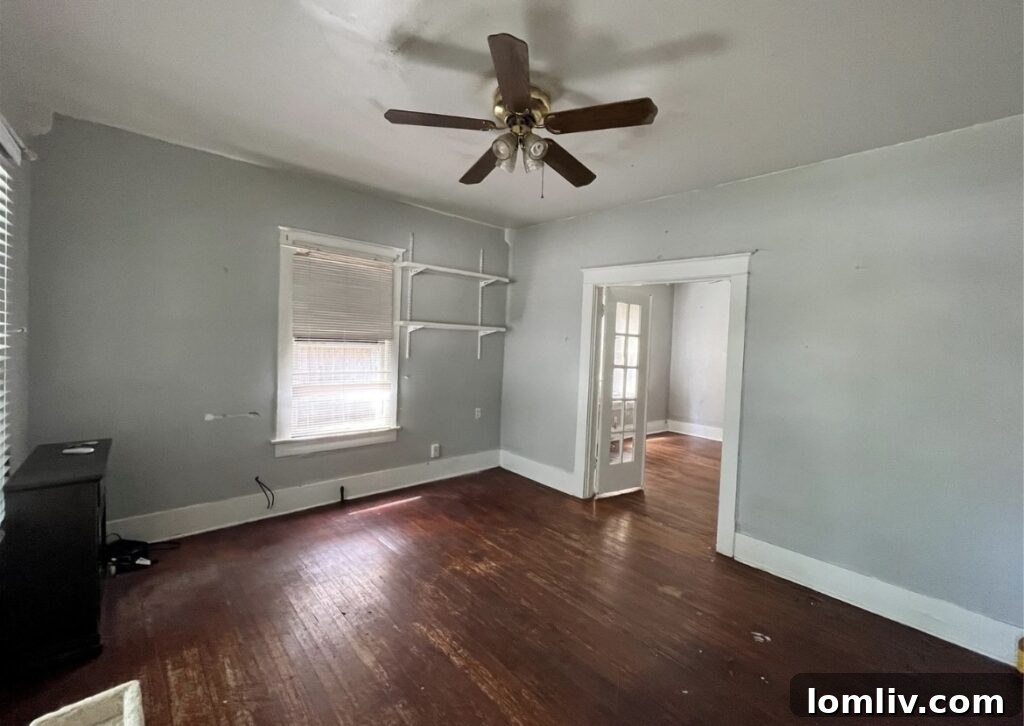
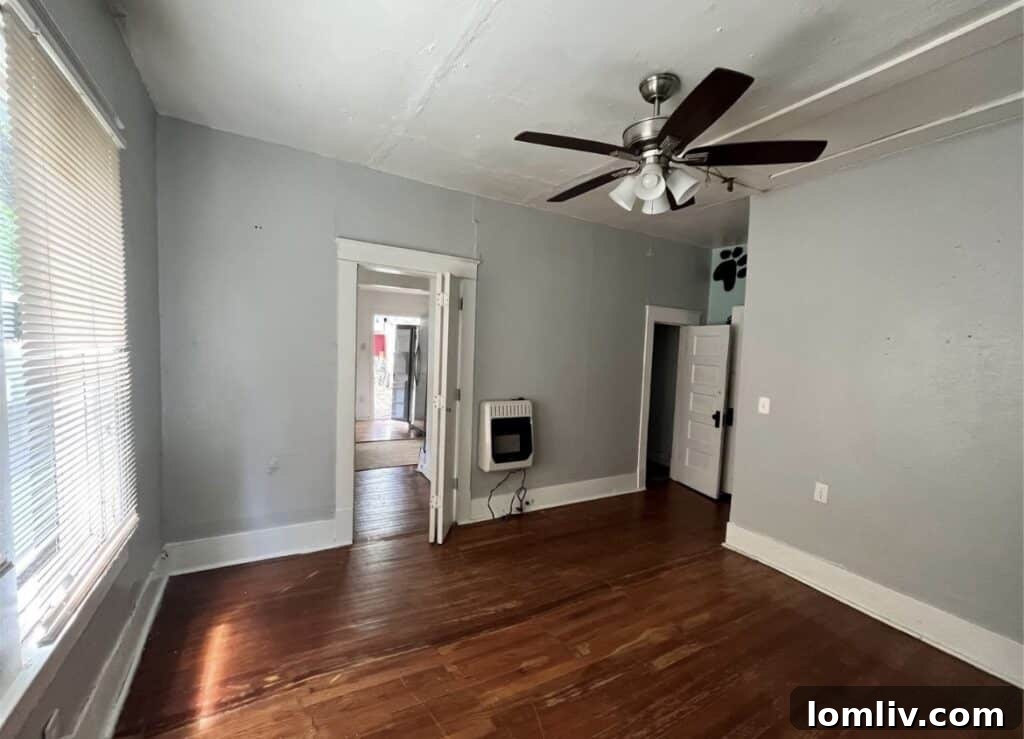
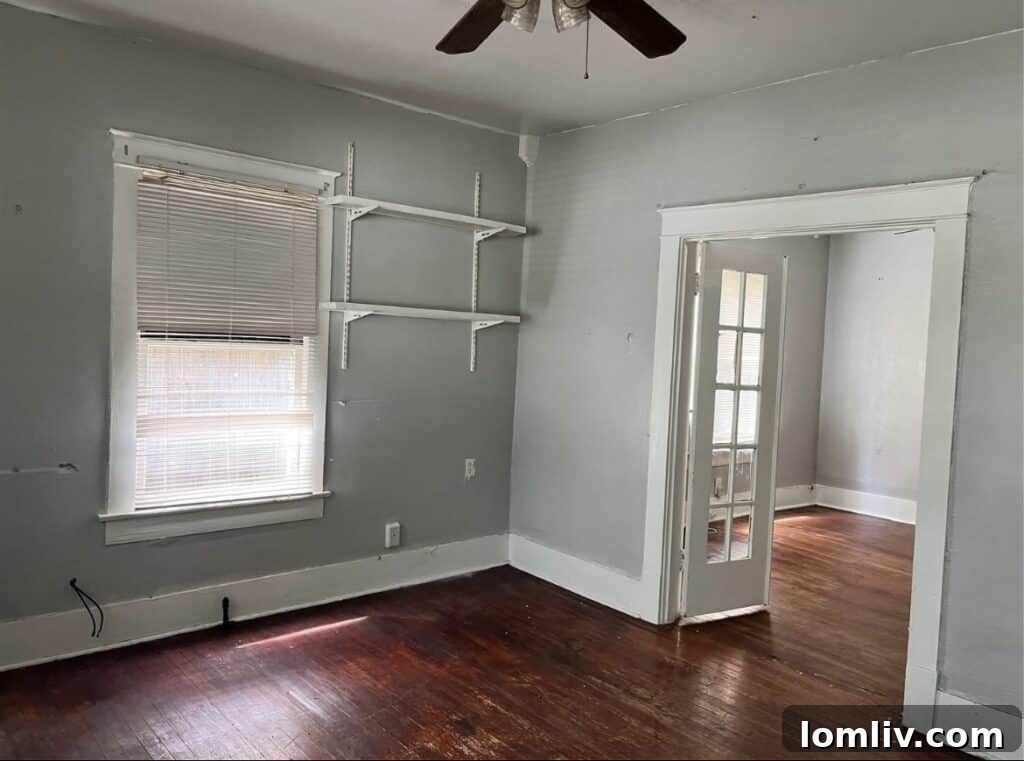
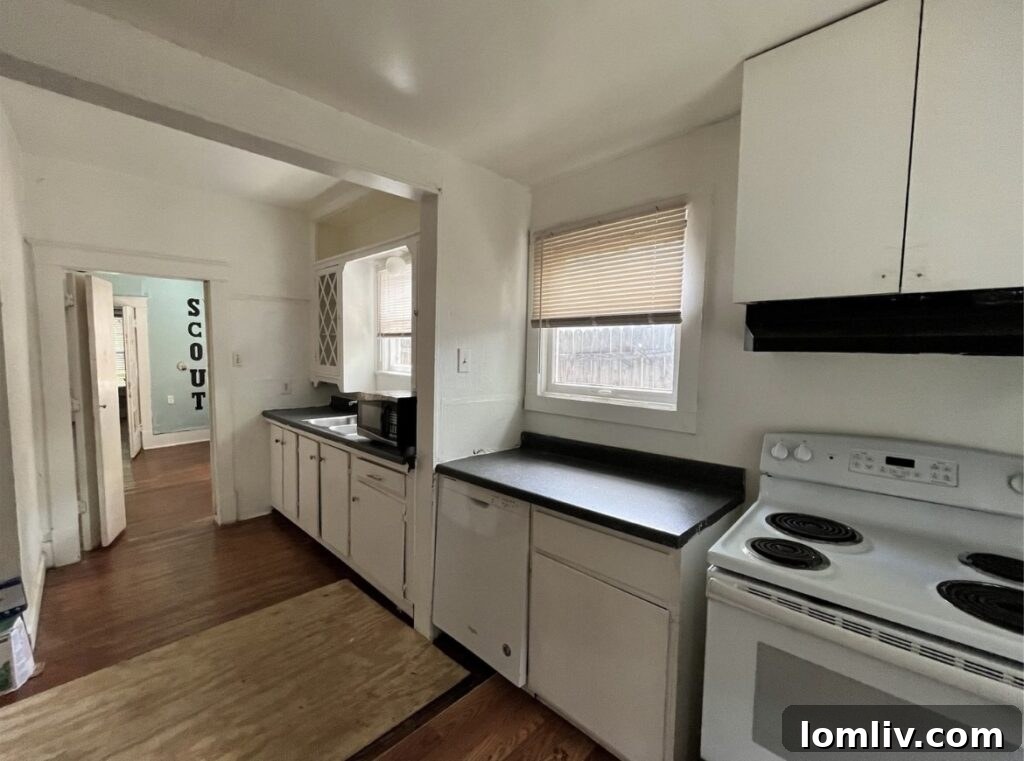
“Currently, it operates as an existing legal nonconforming triplex,” Kingston explained, delving into the property’s complex history. “It began its life as a historic duplex, thoughtfully constructed in the 1920s, with a garage apartment likely added much later, perhaps in the 1940s, thereby creating the third unit. Our comprehensive proposal involves demolishing this third, more recent addition, and then meticulously restoring and renovating the original duplex structure to its former glory.” While she readily conceded that the reimagined property would not fall under the conventional definition of “affordable housing,” she underscored its potential to carve out a distinct niche in the market: “I wouldn’t label it affordable. However, I would confidently assert that it will present a truly invaluable opportunity for homeownership at a significantly different, more accessible price point compared to the newly constructed, often considerably larger, homes that are now commonplace in our neighborhood.” This strategic approach, she suggested, is designed to appeal to a discerning demographic actively seeking historic charm, architectural character, and a connection to the past, without being subjected to the exorbitant premium prices typically associated with brand-new, oversized residences in the area.

Amanda Schulz, however, remained profoundly skeptical of the Kingstons’ justifications, expressing her reservations to daltxrealestate.com. She firmly believed that most seasoned and responsible builders, operating within the stringent confines of a conservation district, would never harbor the expectation of easily obtaining the types of variances the Kingstons pursued and ultimately secured. Schulz contended that a more ethical and conventional development strategy would necessitate a meticulous and respectful site plan, rigorously designed to adhere to all existing restrictions. This proactive adherence, she argued, would naturally influence the negotiation of the lot’s purchase price, ensuring that all financial projections remained squarely aligned with the established regulatory framework from the outset.
“What they would have done instead was look at a site plan that made sense for the restrictions in place and negotiate the lot price, accordingly, to make the numbers work,” Schulz asserted, offering a stark contrast to the Kingstons’ approach. She publicly challenged their motives, even directly addressing the issue during the Board of Adjustment hearing: “I openly stated [at the Board of Adjustment hearing] that it seemed maybe the Kingstons didn’t negotiate well enough on the front end to accommodate the desired return on investment on the back end… so the solution was to build bigger. To me, the entire application was about profit margins.” This forthright accusation vividly illustrates the deep ideological chasm separating the Kingstons’ stated goals of historic preservation from the neighbors’ firm conviction that financial gain remained the primary underlying motivation.
Further underscoring the widespread community apprehension, other concerned neighbors, while declining our specific requests for direct comment, had previously voiced their strong opposition to the Lakewood/East Dallas Advocate prior to the Board of Adjustment hearing. Some of these residents even took the initiative to present their detailed arguments against the variances during the hearing itself, reinforcing the collective sentiment of unease within the community. In a demonstration of organized opposition, Jon Schulz, Amanda’s husband, formally submitted a comprehensive letter to the Board of Adjustment, meticulously outlining their concerns and objections, thus ensuring their voices were officially documented and considered in the decision-making process.
Belmont Addition Conservation District: Upholding or Reinterpreting Rules? A Political Dimension
At the heart of the contentious debate surrounding the Kingstons’ project at 6045 Velasco Ave. lies the persistent accusation that they are attempting to sidestep or undermine the very regulations they helped to establish within the Belmont Addition Conservation District. Melissa Kingston, however, vehemently rejected this characterization, dismissing it as a politically motivated attack rather than a genuine concern for preservation. This adds a complex layer of personal and political rivalry to what would otherwise be a straightforward zoning dispute.
“This entire situation has been deliberately stirred up by Amanda Schulz, who previously ran against Paul [Ridley] and lost,” Kingston stated, directly attributing the source of the criticism to her political rival. She went on to elaborate on what she perceives as an enduring personal and political agenda: “A couple of years ago, she made an attempt to reorganize our neighborhood to establish an HOA, and that initiative ultimately failed. To me, this current opposition is purely political. It’s clear she harbors personal animosity towards both me and Philip. I believe this stems from her persistent desire to reshape the community in a way that aligns with her own vision, a vision that has repeatedly proven unpopular within the community and has failed to gain traction.” This perspective suggests that the current dispute is less about genuine concerns over conservation district integrity and more about an ongoing power struggle, where the property development has become a convenient battleground for broader neighborhood politics and long-standing personal disagreements.
Kingston adamantly stressed that framing their actions as merely “circumventing the very rules they helped create” is a fundamental misrepresentation of their true intentions and the entirely legitimate process they have undertaken. She clarified that their engagement with the Board of Adjustment is not an attempt to bypass existing regulations surreptitiously, but rather to conscientiously utilize an established and legal mechanism specifically designed to address complex situations involving older, historically significant properties situated within conservation zones. This process, she argued, is a vital tool for responsible development within such districts.
“We have simply availed ourselves of a legal process that is put in place for a multitude of purposes: to preserve an existing historical structure, to render lots that are inherently difficult to develop more amenable to thoughtful development, and to address various unique property challenges. There are numerous legitimate ways in which individuals and developers interact with the Board of Adjustment,” she meticulously explained, underscoring the inherent flexibility and purpose of the system. “We approached the Board seeking permission, not forgiveness. We acquired this property with a complete and thorough understanding of its existing status and inherent conditions. Our overarching goal has always been to meticulously restore as much of the original structure and meticulously preserve the distinctive characterization of the neighborhood as is humanly possible.” This statement eloquently reinforces their belief that their actions are not only legally compliant but also profoundly aligned with the core spirit and fundamental objectives of the conservation district, by actively committing to the preservation of a cherished historic asset.
From the Kingstons’ informed perspective, the act of seeking variances that ultimately allow for greater preservation of an original structure is not detrimental to the neighborhood’s character; quite the contrary, they argue it is a profoundly constructive step. They contend that such an approach proactively contributes to maintaining the rich historical fabric of the Belmont Addition, effectively preventing the potential demolition of an older home that might otherwise be deemed too challenging or financially unfeasible to renovate under an overly rigid interpretation of existing codes. Their project, they passionately contend, embodies the very essence of what a well-conceived conservation district should actively encourage: the adaptive reuse and sensitive modernization of invaluable historic properties, ensuring their longevity and continued contribution to the community’s heritage.
The Board’s denial of the variance specifically related to lot coverage will, by necessity, require a minor adjustment to the Kingstons’ initial architectural plans. However, Melissa Kingston assured that this particular setback is far from being a dealbreaker for the overall scope and vision of the project. “We don’t strictly require that specific variance, but admittedly, having it would have afforded us even greater flexibility to implement more expansive and perhaps innovative improvements on this unique site,” she conceded. Despite this minor recalibration, the project is proceeding with unwavering momentum. “Now that we have a crystal-clear understanding of our established parameters and regulatory boundaries, we are actively and collaboratively working with our architect to refine the design. Taking into consideration the upcoming holiday season, we anticipate having definitive, actionable working plans solidified by the end of January.”
With the historic house approaching its centennial milestone next year, the Kingstons have set an ambitious goal: to complete the extensive renovation and restoration by the close of 2024. This proactive and challenging timeline reflects their profound commitment to the property and their clear vision for its future. “What we are genuinely striving to accomplish here is precisely aligned with the fundamental purpose for which the conservation district was originally established: to vigilantly preserve existing historic structures,” Melissa Kingston affirmed with conviction. She passionately framed the entire project as a deeply personal endeavor, a heartfelt testament to their unwavering dedication to the district’s foundational ethos: “To me, this is truly a labor of love because, frankly, the path of least resistance and greatest financial return would unquestionably be to simply demolish it, erect a generic modern single-family house, and expediently list it on the market. Our conscious and deliberate choice to restore speaks volumes about our profound respect for its rich history and its irreplaceable place within the cherished community of Belmont Addition.” This impassioned defense eloquently highlights the intricate motivations underlying their development, harmoniously balancing personal investment with a public commitment to the enduring principles of historic preservation.