

By Brenda Masse
Special Contributor
As Earth Day prompts us to reflect on our environmental footprint, it’s a crucial reminder that sustainable living extends far beyond grand gestures – it starts right within the walls of our homes. For those of us in the home inspection industry, this reflection is a daily reality. We gain unparalleled insight into the myriad ways homes, both old and new, inadvertently contribute to waste and inefficiency. Our unique vantage point allows us to observe firsthand the energy drains, water wastage, and often overlooked environmental impacts that can significantly affect both our planet and our wallets.
Many homeowners are surprised to learn just how much energy and resources their properties consume unnecessarily. From subtle drafts to hidden leaks, the inefficiencies can accumulate, leading to higher utility bills, decreased comfort, and a larger environmental footprint. But the good news is that understanding these common culprits is the first step toward creating a more sustainable, cost-effective, and healthier living environment. This article will delve into some of the most prevalent sources of household waste and offer practical, actionable insights on how you can transform your home into a beacon of efficiency and eco-consciousness. Because the more you know, the better equipped you are to make a tangible difference in fostering home efficiency and embracing green living.

Optimizing HVAC: The Hidden Costs of Dirty Air Vents and Filters for Home Efficiency
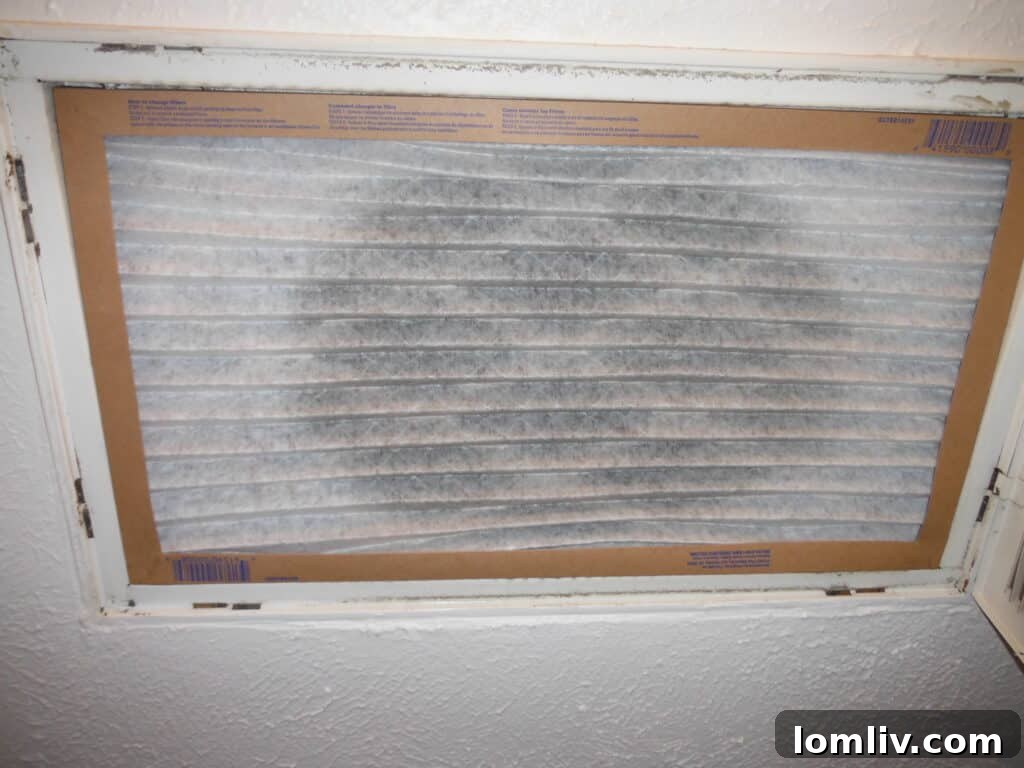
At Green Scene Home Inspections, few things catch our eye as consistently as a neglected air vent or a clogged air filter. While often overlooked, the condition of your home’s heating, ventilation, and air conditioning (HVAC) system’s air filters is paramount to both energy efficiency and indoor air quality. A dirty air filter restricts airflow, forcing your HVAC system to work harder to heat or cool your home. This increased effort translates directly into significantly higher energy consumption, accelerating wear and tear on your unit, and ultimately shortening its lifespan. The environmental impact is substantial, as more energy usage means a greater demand on power grids, often fueled by fossil fuels, thereby increasing your home’s carbon footprint and contributing to climate change.
Beyond the obvious energy waste, dirty filters pose a considerable problem for indoor air quality. They cease to effectively trap dust, pollen, allergens, pet dander, mold spores, and other airborne particles, allowing these contaminants to circulate freely throughout your living spaces. This can exacerbate allergies, trigger asthma attacks, cause respiratory irritation, and generally diminish the comfort and health of your home’s occupants. We constantly emphasize the importance of regular air filter replacement – typically every 1 to 3 months, depending on household conditions like the presence of pets, allergies, or heavy construction nearby – not just for cleaner air, but for optimal system performance and substantial energy savings.
Furthermore, the environmental burden of discarded air filters piling up in landfills is a concern many homeowners might not consider. Most standard disposable filters are made from synthetic materials, paper, and metal mesh, which are not readily biodegradable and can take centuries to break down. This contributes to the ever-growing waste crisis in our landfills. While you can’t simply toss them into your curbside recycling bin, there are specialized programs and methods for recycling used air filters. Some manufacturers offer convenient mail-back programs, or you might find local waste management facilities or hardware stores that accept them for proper processing. This extra effort significantly reduces landfill waste and closes the loop on a critical household item, supporting broader waste reduction goals.
Investing in higher-quality, washable, or even MERV-rated (Minimum Efficiency Reporting Value) pleated filters can also enhance efficiency and air quality, offering a more sustainable alternative in the long run. Washable filters, while requiring regular cleaning, drastically reduce the number of filters sent to landfills. By keeping your air vents clean, ensuring proper ductwork, and consistently replacing or recycling your filters, you’re not just saving money on utility bills and extending the life of your HVAC system; you’re actively contributing to a healthier home environment and a healthier planet. This simple act is a cornerstone of effective home energy management and sustainable living.
For more detailed information on how to recycle your air filters effectively, you can explore resources like Air Filters Delivered’s guide, which offers practical steps to responsibly dispose of these often-forgotten household items and promote eco-friendly practices.
Taming the Energy Beast: Efficient Water Heater Solutions for Sustainable Homes
The water heater is undeniably one of the most energy-intensive appliances in any home, accounting for a significant portion of a household’s utility bill – often second only to heating and cooling. A poorly installed, improperly maintained, or outdated water heater can be an astonishing source of energy waste. Traditional tank-style water heaters continuously heat and store a large volume of water, consuming energy even when hot water isn’t actively being used. This “standby heat loss” is a major inefficiency that many homeowners overlook, as the unit cycles on periodically to keep the stored water at a set temperature, irrespective of demand.
To mitigate energy waste from a traditional tank water heater, several crucial steps can be taken. First, ensure proper installation and regular maintenance, including flushing the tank annually to remove sediment buildup. Sediment accumulation at the bottom of the tank creates an insulating layer, forcing the heating element to work harder and longer, thus reducing efficiency and potentially leading to premature failure. Insulating older tanks and hot water pipes can significantly reduce heat loss as water travels through your home’s plumbing, keeping water hotter for longer with less energy input. Adjusting the thermostat to a safe yet efficient temperature, typically around 120°F (49°C), also saves energy without sacrificing comfort or increasing the risk of scalding, which can happen at higher temperatures.
However, for those seeking a more fundamentally greener and more efficient option, transitioning to a tankless water heater, also known as an on-demand water heater, is an excellent choice. Unlike conventional units, tankless water heaters only heat water when it’s needed, eliminating standby energy losses entirely. When a hot water tap is opened, cold water travels through a pipe into the unit, where a gas burner or electric element quickly heats it. This innovative approach can lead to substantial long-term savings on both energy and water bills, often reducing water heating costs by 20-30% or more. While the upfront cost of a tankless system is generally higher than a traditional tank, the investment often pays for itself over its extended lifespan (typically 20+ years compared to 10-15 for tank models) through reduced operating expenses.
Beyond remarkable energy efficiency, tankless water heaters offer numerous other compelling benefits. They are considerably more compact, freeing up valuable space in utility closets, basements, or garages that a bulky tank would typically occupy. They provide an endless supply of hot water, as they heat water directly as it flows through the unit, meaning you’ll never run out during peak usage times, even with multiple showers running simultaneously. Furthermore, they significantly mitigate the risk of catastrophic water damage from a ruptured tank, a common and costly issue we frequently encounter during home inspections. The peace of mind that comes with avoiding potential floods, as detailed in our previous article, “Don’t Want to End Up in Hot Water? Follow These Water Heater Tips,” is invaluable. For some homes, a heat pump water heater offers another highly efficient alternative, utilizing ambient air to heat water with significantly less electricity than conventional electric models. Evaluating these modern solutions can lead to a considerable reduction in your home’s energy consumption, a lower carbon footprint, and a significant step towards truly sustainable living.
@greenscenehome Problemas con el calentador de aqua. Inspector de vivienda habla Espanol en Dallas. #bienesraicesdallas #bienesraicestips #inspectordevivienda ♬ original sound – Green Scene Home Inspections
Waste Not, Want Not: The Critical Impact of Hidden Water Leaks on Your Home and the Environment
The adage “waste not, want not” holds profound truth, especially when it comes to the unseen inefficiencies and potential damage lurking beneath our homes. During inspections of older properties, particularly those with pier-and-beam foundations, we frequently uncover significant issues like disconnected or leaking plumbing pipes in crawl spaces. While foundation repairs might address structural instability, if the root cause – such as persistent water leaks – remains unaddressed, the problems will inevitably resurface, often with exacerbated consequences. Imagine a home with constant flooding beneath its foundation, day in and day out; this scenario is unfortunately not uncommon due to neglected plumbing systems.
The environmental ramifications of such a situation are severe and multifaceted. First and foremost, this represents an egregious waste of a precious resource: water. Whether it’s clean potable water supplied by the municipality or wastewater from sinks and toilets, every gallon seeping into the ground beneath your house instead of being properly diverted to the sewer system contributes to resource depletion and unnecessary strain on local water treatment facilities. Secondly, when wastewater, laden with bacteria, chemicals, detergents, and other contaminants, leaks into the soil, it poses a serious pollution threat. This toxic cocktail can contaminate the surrounding soil, harm nearby plant life and vegetation, and, most critically, seep into and pollute the groundwater supply. This has long-term ecological consequences for the local environment and potentially for human health if groundwater is a source of drinking water for wells or municipal systems.
Beyond the environmental toll, unchecked water leaks inflict considerable damage on the home itself. Persistent moisture in a crawl space creates an ideal breeding ground for mold and mildew, leading to pervasive musty odors, poor indoor air quality, and potential health issues for residents, including respiratory problems and allergic reactions. It also accelerates the deterioration of wooden structural elements, such as floor joists and subflooring, causing wood rot and compromising the structural integrity of the home. Furthermore, damp, dark crawl spaces are highly attractive to pests like termites, rodents, and insects, which can cause additional damage and health hazards. The financial cost of repairing such extensive damage, including foundation work, mold remediation, pest extermination, and comprehensive plumbing overhauls, far outweighs the expense of proactive maintenance and early detection.
The presence of one disconnected pipe is often a strong indicator that the rest of the plumbing system is in a similar state of disrepair, suggesting multiple leaks and substantial ongoing water waste. For homeowners living in charming, character-rich older homes, it’s vital to recognize that maintaining their appeal often requires significant, ongoing investment in updating foundational systems – including plumbing, electrical, and HVAC – to ensure they operate safely, efficiently, and sustainably. Regular professional home inspections are crucial for identifying these hidden issues before they escalate into costly and environmentally damaging problems. Addressing these leaks promptly not only conserves precious water and prevents environmental pollution but also safeguards your home’s structural health, protects your family’s well-being, and preserves the long-term value of your property.
Embracing a Greener Lifestyle: Holistic Home Efficiency and Waste Reduction Strategies
Transforming your home into an bastion of efficiency and sustainability is an ongoing journey, rich with opportunities to save energy, reduce waste, and minimize your environmental footprint. The examples of dirty air filters, inefficient water heaters, and hidden plumbing leaks are just a few prominent areas where substantial improvements can be made. But the scope for positive change extends far beyond these specifics, encompassing virtually every aspect of your household’s operation and contributing to overall sustainable living.
Consider the cumulative impact of simple daily choices throughout your home. Switching to energy-efficient LED lighting throughout your home can drastically cut electricity consumption, as LEDs use significantly less power and last much longer than traditional incandescent bulbs. Sealing air leaks around windows and doors with weatherstripping and caulk, and upgrading insulation in attics, walls, and crawl spaces, can prevent significant heat loss in winter and heat gain in summer, easing the load on your HVAC system and reducing energy demand. Investing in smart thermostats provides intelligent, programmable control over your home’s climate, learning your preferences and adjusting temperatures automatically for optimal efficiency, even when you’re away. Even mindful appliance usage, such as running dishwashers and washing machines only when full, using cold water settings, and choosing ENERGY STAR® certified models when replacing old ones, contributes significantly to a greener home and lower utility bills.
Reducing general household waste through diligent recycling of plastics, paper, glass, and metals, composting organic food scraps and yard waste, and opting for reusable products over disposables are also powerful steps towards sustainable living. Simple changes like using reusable shopping bags, water bottles, and coffee cups, and repairing items instead of replacing them, collectively make a huge difference. Every small action, multiplied across days, weeks, and years by millions of households, contributes to a healthier planet and a more financially resilient household. The benefits are multifaceted: not only do you enjoy lower utility bills and increased disposable income, but you also experience enhanced indoor comfort and air quality, a substantial reduction in your personal carbon emissions, and an increase in your property’s value and market appeal, attracting environmentally conscious buyers.
To truly understand how your home is performing and identify its unique areas for improvement, a professional Energy Assessment is an invaluable tool. Conducted by certified experts, an energy assessment provides a comprehensive analysis of your home’s energy consumption patterns, pinpointing inefficiencies, drafts, areas of heat loss or gain, and potential sources of waste. It utilizes specialized equipment like thermal cameras and blower doors to identify hidden problems. This assessment offers tailored recommendations for upgrades, repairs, and behavioral changes that can lead to significant energy savings, improved comfort, and a healthier living environment. This personalized roadmap empowers you to make informed decisions, ensuring your investments in home efficiency yield the greatest returns for both your budget and the environment.
Embarking on the path to a greener, more efficient home is not just an environmental imperative; it’s a smart economic decision that profoundly enhances your quality of life. By adopting these sustainable practices and proactively addressing hidden inefficiencies through professional inspections and assessments, you can create a home that is not only kind to the planet but also a comfortable, healthy, and cost-effective sanctuary for years to come. For a thorough understanding of your home’s energy profile and expert recommendations, consider scheduling an Energy Assessment today and take the next step towards a truly sustainable lifestyle.