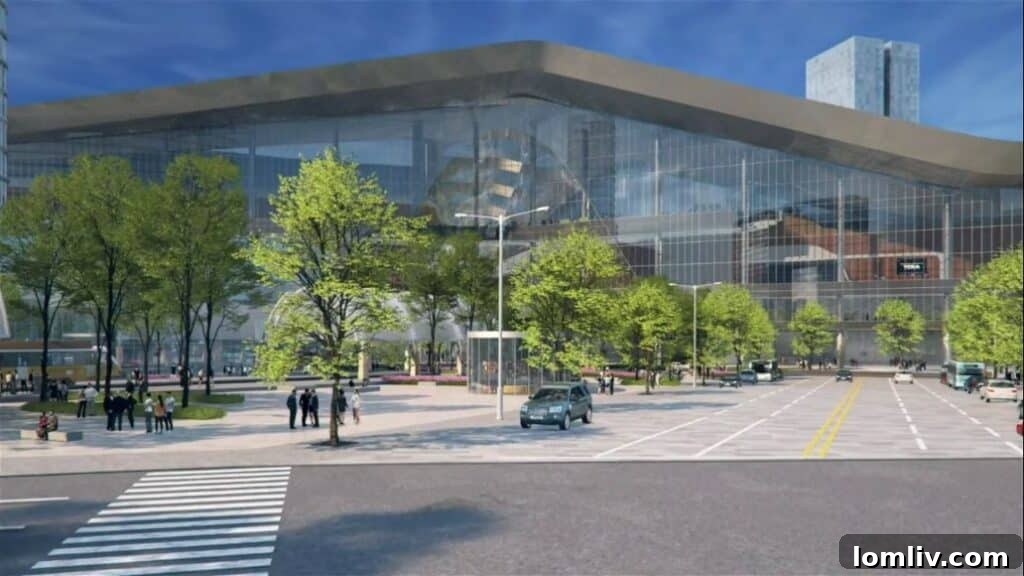
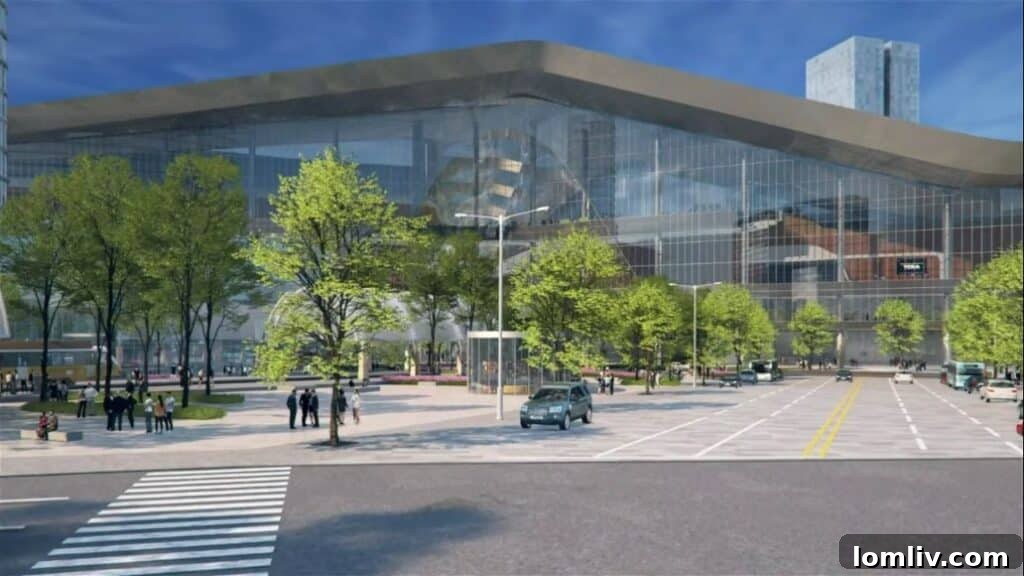
Dallas is embarking on a monumental journey to redefine its urban landscape and bolster its status as a premier global destination. The ambitious $3 billion reconstruction of the Kay Bailey Hutchison Convention Center Dallas (KBHCCD) is forging ahead, poised to transform not only the city’s core but also its economic future. This pivotal undertaking marks a new chapter for Dallas, promising state-of-the-art facilities, enhanced urban connectivity, and vibrant new communities.
With momentum building, the project is rapidly transitioning from visionary plans to tangible action. Rosa Fleming, Director of Convention and Event Services, recently provided a comprehensive update to the Dallas Convention Center Hotel Development Corp., affirming that all critical aspects of the master plan are firmly on schedule. Her presentation underscored the city’s unwavering commitment to realizing this transformative vision, signaling that Dallas is entering a crucial implementation phase for what will be a generational investment in its infrastructure.
A key immediate step in this grand reconstruction effort is the solicitation of a dedicated project manager. This role is instrumental in orchestrating the intricate details of the KBHCCD master plan’s execution. The City of Dallas officially closed its search for this crucial leadership position on April 14, a clear indication of the project’s accelerated timeline. “We are in an incredibly good space right now,” Fleming stated, emphasizing the project’s progression. “We are moving on to becoming an actual construction project,” she added, capturing the excitement and readiness pervading city hall.
Executive oversight for the Kay Bailey Hutchison Convention Center Dallas reconstruction is being provided by Assistant City Manager Majed Al-Ghafry, ensuring strategic alignment and efficient progress. The Dallas City Council is anticipated to receive a detailed update on the project’s advancement in late May or early June, allowing for continued transparency and stakeholder engagement. This structured approach ensures that the project remains accountable and responsive to the city’s needs and long-term objectives.
The extensive renovation of the Kay Bailey Hutchison Convention Center Dallas is slated for completion by 2028, setting the stage for subsequent development in the surrounding areas throughout 2029 and 2030. This phased approach allows for a holistic transformation, ensuring that the convention center seamlessly integrates with its new urban environment. City officials have consistently lauded the project as a true “game-changer” for Dallas, predicting it will be a powerful catalyst for economic development, job creation, and the emergence of a dynamic new neighborhood.
The vision extends beyond a mere convention center upgrade; it encompasses the creation of a vibrant, walkable urban district that will serve as a magnetic hub for residents, businesses, and visitors alike. This ambitious undertaking is designed to elevate Dallas’s global profile, attract major events and conferences, and foster a thriving ecosystem of hospitality, retail, and residential living. The Kay Bailey Hutchison Convention Center Dallas reconstruction is not just about concrete and steel; it’s about building a better future for the entire city.
Funding the Future: The Road to Renovation at KBHCCD
The financial foundation for the Kay Bailey Hutchison Convention Center Dallas reconstruction was firmly established in November when Dallas voters overwhelmingly approved Proposition A. This crucial ballot measure authorized a 2 percent increase in the hotel occupancy tax, a revenue stream projected to generate approximately $1.5 billion. This significant funding is earmarked for both the KBHCCD project and vital upgrades to Fair Park, underscoring a city-wide commitment to improving key tourism and event infrastructure.
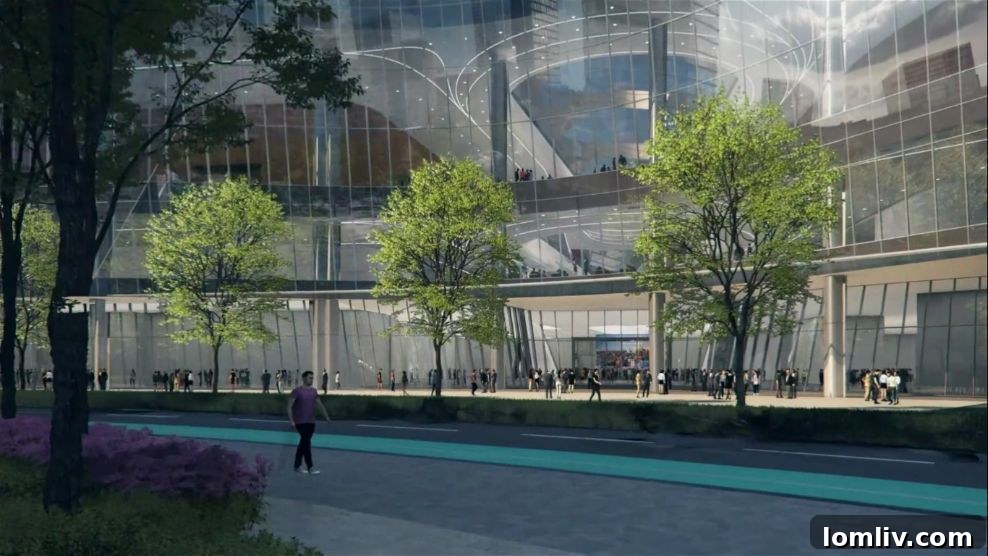
Beyond Proposition A, the remaining funding required for the comprehensive KBHCCD remodel will be sourced from a “project financing zone.” This innovative mechanism allows for incremental state hotel taxes to be redirected back to the City of Dallas, effectively leveraging future economic growth generated by the convention center itself. This blend of local voter-approved funding and state-level financial tools demonstrates a sophisticated and sustainable approach to financing large-scale urban development projects.
The planning and execution of this monumental project involve a vast network of collaborators. Rosa Fleming detailed that no fewer than fourteen city departments, alongside an internal stakeholders committee, are actively engaged in the development and ongoing execution of the master plan. This extensive inter-departmental collaboration ensures that every aspect, from infrastructure to public safety to economic impact, is meticulously considered and integrated. “We’re carrying over all the departments we’ve worked with into long-term management of the project,” Fleming confirmed, highlighting the continuity and shared commitment across city operations.
Looking ahead, the critical architecture, engineering, and design components of the project are set to be advertised in September. The city anticipates having a design firm officially on board by the end of the year, a crucial step that will bring the conceptual plans to life. This structured timeline culminates in a significant milestone: “We’re on track to turn dirt by the fourth quarter of 2024,” Fleming proudly announced. This projected groundbreaking signifies the transition from planning to active construction, marking a tangible beginning for Dallas’s next great era.
Fleming also emphasized the project’s commitment to inclusive economic growth, particularly through the involvement of minority and women-owned businesses (MWBEs). “It’s been a journey. I think there’s been some great movement on how we’re working with our [minority and women-owned businesses], how we’re looking at it as an opportunity for the city to move forward in different spaces,” she elaborated. This dedication ensures that the economic benefits of the KBHCCD reconstruction are broadly distributed, creating opportunities and fostering diverse participation within the Dallas business community.
Strategic Financing: Bond Sales and Economic Impact
A pivotal element of the Kay Bailey Hutchison Convention Center Dallas funding strategy involves the sale of revenue bonds. The City of Dallas operates under a strict 365-day window from the passage of the Brimer Bill – legislation that authorized the increase in hotel occupancy tax for park and tourism upgrades – to execute these critical bond sales. This legislative framework provides the necessary authority to leverage future tax revenues for immediate infrastructure investment.
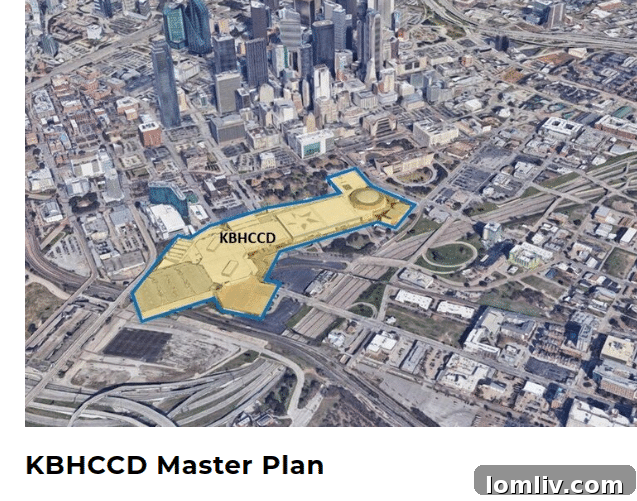
“Right now our plan is to sell enough bonds to reimburse our department, because we’re using our capital funds, and engage the architecture, engineering, and design firm and then the portion for Fair Park,” Fleming explained, detailing the immediate objectives of the bond issuance. This strategic approach ensures that initial expenditures are covered, and crucial design work can proceed without delay. The bond sales are structured into two distinct series: one specifically dedicated to the convention center and its numerous component projects, and another series allocated for the vital upgrades planned for Fair Park.
The city is diligently working towards a September deadline to present the revenue bond sale proposal before the council. This timeline is critical for securing the necessary capital to maintain the project’s aggressive schedule. The successful issuance of these bonds will unlock significant financial resources, allowing for the comprehensive revitalization of both the KBHCCD and Fair Park, further cementing Dallas’s reputation as a leader in urban development and event hosting.
The economic impact of this revitalization cannot be overstated. Beyond the immediate construction jobs, the expanded and modernized convention center is projected to attract a greater volume of national and international conventions, trade shows, and events. This influx of visitors will spur growth in the hospitality sector, boost local retail, dining, and entertainment venues, and generate significant tax revenues for the city. The project represents a long-term investment that will yield dividends for Dallas for decades to come, enhancing its competitiveness and overall economic vitality.
Visioning a Connected Dallas: Community Engagement and Future Development
The Kay Bailey Hutchison Convention Center Dallas reconstruction project is deeply rooted in a vision of a more connected, vibrant Dallas. During a February 7 transportation committee meeting, council members raised pertinent questions regarding the project’s impact on walkability, future development, and the crucial funding mechanisms. These inquiries underscore the community’s keen interest in how this monumental undertaking will reshape their city.
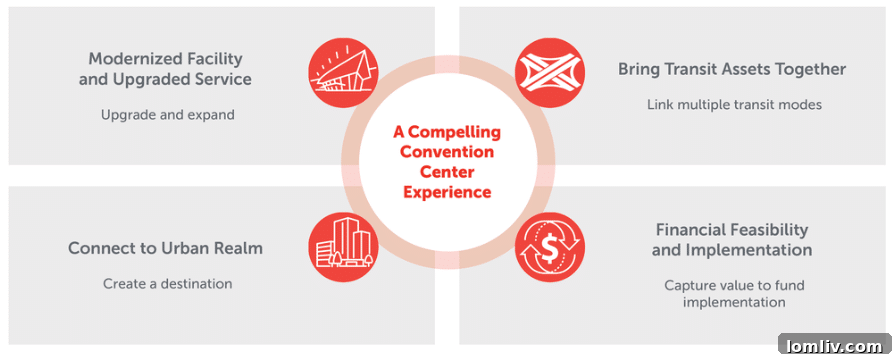
In response to these questions from both council members and the broader public, the DallasCCMasterplan website has been developed as a central clearinghouse of information. This online resource provides transparent and accessible details about the project, ensuring that all stakeholders can stay informed and engaged. Key areas of public interest include how the project will benefit existing neighborhoods and, critically, how it will enhance connectivity between downtown Dallas and South Dallas – a long-standing civic priority.
District 7 Councilman Adam Bazaldua specifically requested more information at the February meeting on the development of housing on open parcels in the surrounding area. The master plan identifies approximately 30 acres of developable land, a significant “selling point” that supporters used to promote Proposition A. This land holds immense potential for creating diverse housing options, transforming the area into a true mixed-use urban environment. “We could be looking at infrastructure investment toward development,” Bazaldua remarked last month, highlighting the broader catalytic effect of the project.
While the specific types of residential rooftops that will emerge are yet to be finalized, the area master plan is committed to cultivating a “healthy urban environment.” This vision integrates the KBHCCD with sustainable materials and Smart City technologies, employing creative urban design techniques to develop exceptional public spaces. The plan also mandates a diverse mix of commercial, retail, residential, and entertainment uses, all designed to support a vibrant neighborhood and a thriving KBHCCD area, according to the official website.
The integration of Smart City technologies underscores Dallas’s commitment to innovation, enhancing efficiency, safety, and the overall quality of life within the new district. Sustainable materials and green infrastructure will be prioritized, ensuring that the development is not only economically robust but also environmentally responsible. This holistic approach ensures that the area surrounding the Kay Bailey Hutchison Convention Center Dallas will evolve into a model for modern urban living.
Reiterating the project’s consistent progress, Fleming confirmed on Thursday that “the project is on track and coming together according to plan.” Her concluding sentiment captured the prevailing mood of optimism and excitement surrounding this transformative initiative for Dallas: “We’re just excited.” This enthusiasm is shared across the city, as Dallas anticipates a future where the Kay Bailey Hutchison Convention Center serves not only as a global event hub but also as the heart of a revitalized, integrated, and economically vibrant urban core.
The Kay Bailey Hutchison Convention Center Dallas reconstruction represents more than just an architectural marvel; it’s a strategic investment in Dallas’s future as a dynamic, inclusive, and globally competitive city. Through meticulous planning, innovative financing, and extensive community engagement, Dallas is setting a new standard for urban development, ensuring that its convention center and surrounding districts will serve as beacons of progress for decades to come.