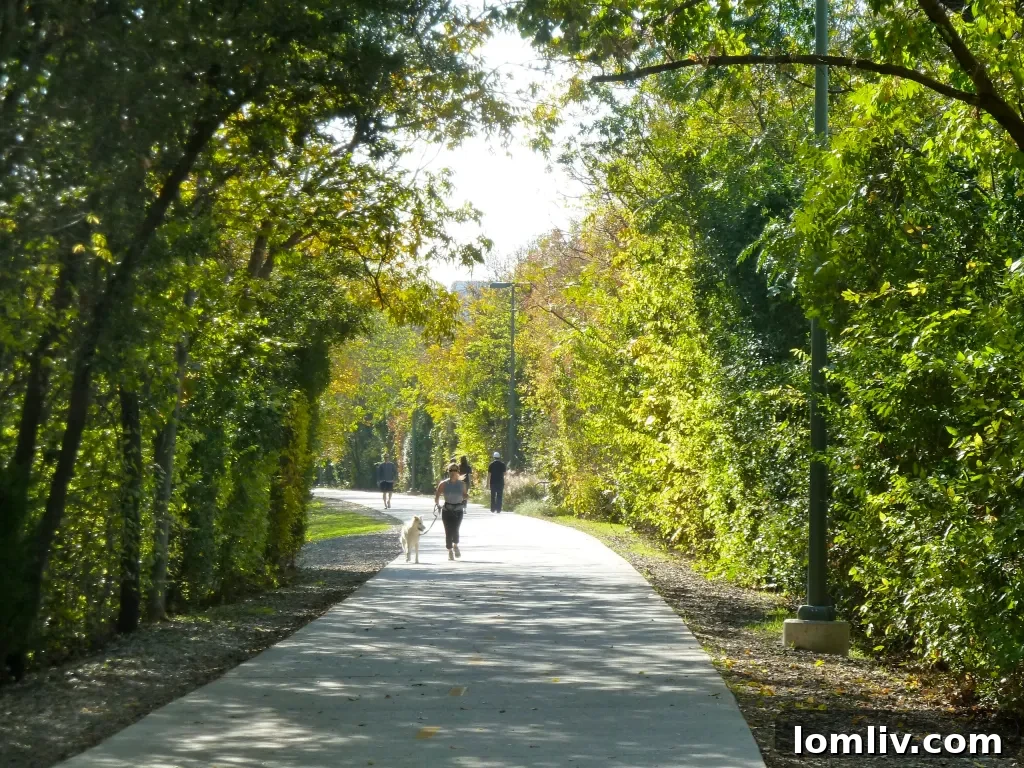
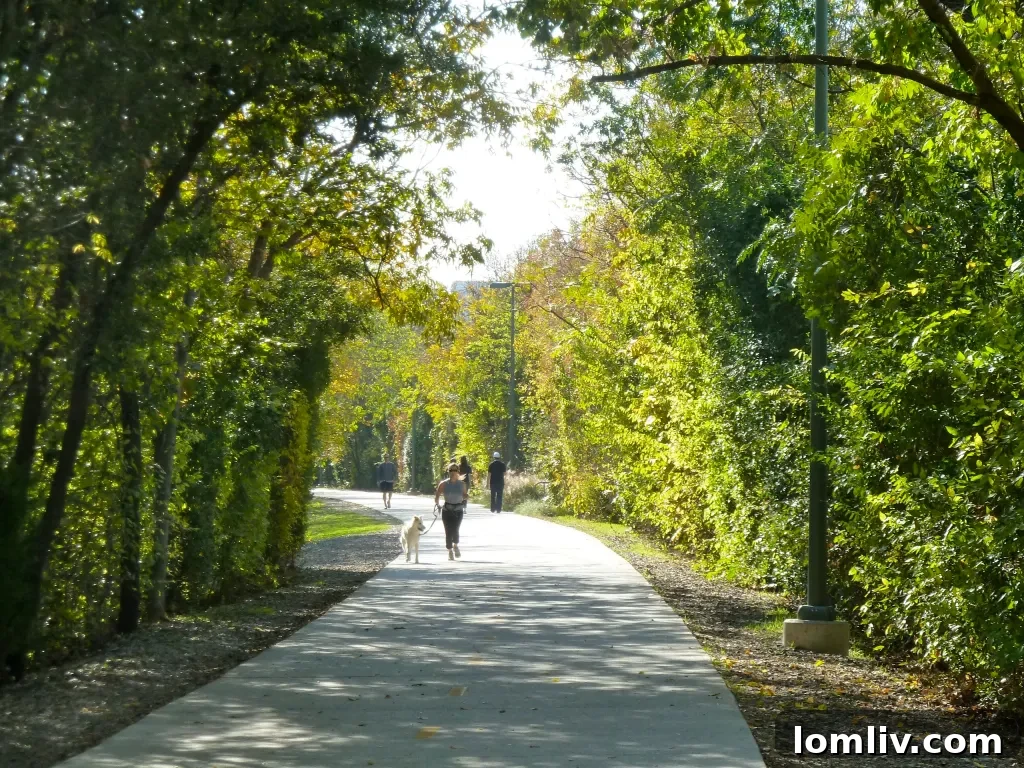
Katy Trail Dallas: A Premier Urban Green Space Honored as “Best Public Place”
Dallas, a dynamic metropolis often engaged in a quest for “world-class” status, is increasingly recognizing the exceptional assets thriving within its own landscape. Among these, the Katy Trail stands as a shining testament to visionary urban planning and community development, recently earning the prestigious “Best Public Place” award from the North Texas District Council of the Urban Land Institute (ULI). This significant accolade not only celebrates a cherished local amenity but also firmly positions Dallas at the forefront of creating vibrant, livable, and sustainable urban environments.
The Urban Land Institute is a globally respected organization comprising leaders in real estate and land use. Their “Impact Awards” program is highly competitive, designed to honor projects that exemplify innovation, have a profound influence on their surroundings, and contribute positively to community growth. The Katy Trail’s recognition in the “Best Public Place” category is a powerful endorsement of its design, functionality, and the transformative impact it has had on the city of Dallas. It signifies that the trail is not merely a path, but a vital component of the city’s identity and an exemplar for urban green spaces.
The Visionary Design Behind Dallas’ Beloved Katy Trail
The journey of the Katy Trail from a disused railway line to an award-winning public space is rooted in the brilliant landscape architecture and urban design work of SWA. Chuck McDaniel, managing principal of SWA in Dallas, aptly describes the firm’s guiding principle for the project: “Katy Trail is a signature amenity for Dallasites, and a project we feel embodies the notion that landscape architecture can truly enhance communities and improve lives.” This philosophy is vividly realized across the trail’s 3.5-mile span, which meticulously transforms the historic MKT (Missouri-Kansas-Texas) railroad corridor into a multifaceted urban haven.
SWA’s design ethos for the Katy Trail went beyond merely creating a recreational path. The goal was to intricately weave a green spine through the heart of Dallas, connecting disparate neighborhoods and fostering a sense of cohesion. By repurposing an abandoned infrastructure, SWA demonstrated a forward-thinking approach to urban renewal, integrating diverse elements that support active recreation, sustainable transportation, and ecological preservation. This comprehensive and thoughtful design has culminated in a public amenity that is both strikingly beautiful and exceptionally functional, serving as a model for future urban green initiatives.
A Nexus of Connectivity: Uniting Dallas Neighborhoods
One of the most remarkable achievements of the Katy Trail is its unparalleled capacity to connect communities. Spanning 3.5 miles, the trail threads its way through 20 distinct and diverse neighborhoods, creating a vital artery that links various segments of Dallas. From the bustling commercial hubs of Uptown and Knox/Henderson to the serene residential areas, the trail serves as a common ground for over 2,800 daily users. This consistent flow of pedestrians, cyclists, and other users from varied backgrounds fosters a unique sense of community, encouraging interaction and shared experiences that transcend typical urban divides.
The trail’s accessibility and engaging environment make it a magnet for a wide demographic spectrum. Families enjoy leisurely weekend strolls, professionals use it for their morning runs, and groups gather for fitness activities. This constant ebb and flow of human activity injects life and energy into the surrounding urban landscape, crafting an inclusive space where everyone feels a sense of belonging. The social capital generated by the Katy Trail is immeasurable, contributing significantly to a more integrated, vibrant, and interconnected Dallas.
Promoting Health and Wellness: A Green Prescription for Urban Living
In an era where modern urban lifestyles can often lead to sedentary habits, the Katy Trail emerges as a crucial proponent of public health. The ULI’s influential Building Healthy Places report specifically emphasizes that “access to pedestrian paths and trails is a key component in how the real estate industry can improve health.” The Katy Trail epitomizes this principle, offering readily available and attractive opportunities for physical activity and mental relaxation within an urban setting.
Regular engagement with the trail promotes active lifestyles, playing a significant role in mitigating prevalent health issues such as obesity, cardiovascular diseases, and chronic stress. The simple yet profound act of walking, running, or cycling outdoors in a lush, green environment has well-documented benefits for both physical and psychological well-being. By providing a safe, meticulously maintained, and aesthetically pleasing corridor for exercise, the Katy Trail acts as a proactive health infrastructure, silently yet effectively contributing to the overall vitality and wellness of Dallas residents. It’s an open-air gym and a tranquil escape, all rolled into one.
Embracing Sustainable Transportation and Environmental Stewardship
Beyond its recreational and health benefits, the Katy Trail is a champion of alternative transportation, offering a much-needed sustainable route that bypasses Dallas’ often congested roadways. For many, the trail provides a practical and enjoyable option for commuting to work, performing errands, or simply navigating the city without relying on motor vehicles. This active promotion of eco-friendly travel aligns perfectly with broader urban sustainability objectives, contributing to reduced carbon emissions and alleviating traffic pressures across the city.
Furthermore, the Katy Trail stands as an outstanding example of environmental stewardship nestled within an urban core. Expertly designed to weave through 29 acres of carefully managed wildlife habitat, the trail acts as a vital green lung for central Dallas. It actively supports local biodiversity, providing a serene sanctuary for a variety of plant and animal species amidst the surrounding urban development. This thoughtful ecological integration significantly enhances the quality of life for both human inhabitants and urban wildlife, showcasing how modern urban planning can coexist harmoniously with nature. The meticulous landscaping, tree canopy, and preservation efforts also contribute to a cooler microclimate, improved air quality, and an enhanced appreciation for natural beauty within the bustling city.
Economic Vibrancy and Catalyzing Neighborhood Transformation
The Urban Land Institute’s March 19 event, which also honored projects in the categories of Innovation, Influence and The Next Big Idea, recognized Katy Trail’s contribution in helping to transform neighborhoods. Residents have not only adopted Katy Trail as a favorite public place, but the Dallas Morning News reports that developers cite a 25 percent premium for adjacent properties.
The impact of the Katy Trail extends profoundly into Dallas’ economic landscape and its ambitious urban revitalization initiatives. As reported by the Dallas Morning News, the presence of this premier trail has led to a remarkable 25 percent premium in property values for adjacent real estate. This phenomenon, widely known as the “trail effect,” demonstrates a substantial increase in desirability and economic value for homes and businesses located in close proximity to high-quality green infrastructure. This economic uplift is a clear indicator of the trail’s success as a value-adding amenity.
Both real estate developers and residents acknowledge the inherent value of living or working alongside such a beloved and accessible public space. This property premium translates directly into increased property tax revenues for the city, which in turn stimulates further investment and progressive development in the surrounding areas. The Katy Trail has become a powerful magnet for new businesses, upscale residential complexes, and cultural establishments, fueling a beneficial cycle of growth and prosperity. It now serves as a crucial selling point for real estate professionals, attracting new residents and businesses who prioritize access to outdoor recreation, green spaces, and a vibrant community atmosphere.
Moreover, the Katy Trail has played a pivotal role in transforming what were once underutilized or overlooked industrial zones into highly coveted and thriving urban neighborhoods. Its establishment has catalyzed a ripple effect of development, encouraging the renovation of existing structures and the creation of innovative, modern living and working spaces. This revitalization is not solely economic; it also boasts significant social dimensions, breathing new life into these areas and making them more attractive, functional, and enjoyable for residents. The ULI’s explicit recognition of the trail’s role in “transforming neighborhoods” powerfully underscores its comprehensive and enduring positive influence on Dallas’ urban fabric.
Katy Trail: A Blueprint for Dallas’ Progressive Urban Future
While Dallas may, at times, draw inspiration from other leading cities – acknowledging, for instance, Houston’s acclaimed Buffalo Bayou project, which urban critic Mark Lamster has praised as a potential model for Dallas’ ambitious Trinity River initiatives – the Katy Trail stands proudly as irrefutable proof of Dallas’ own capability to conceive and execute world-class urban spaces. The essence of its triumph is not about outperforming another city’s project; rather, it lies in its masterful ability to address Dallas’ unique needs and capitalize on its specific opportunities with innovative, locally-attuned solutions.
The Katy Trail exemplifies how a thoughtfully designed linear park can effectively serve multiple critical functions: it is a cherished recreational sanctuary, an efficient alternative transportation corridor, a vital ecological preserve, and a powerful economic driver. Its resounding success offers invaluable insights and actionable lessons for future urban development endeavors throughout Dallas, including the expansive and transformative plans for the Trinity River corridor. The principles of enhancing community connectivity, promoting public health, seamlessly integrating environmental considerations, and stimulating economic revitalization, all so brilliantly demonstrated by the Katy Trail, provide a robust blueprint for shaping a more sustainable, equitable, and ultimately more enjoyable urban future for all Dallasites. The public’s enthusiastic adoption and deep affection for the Katy Trail as a quintessential public place solidify its status as an iconic Dallas landmark. It represents a collective triumph—a testament to farsighted planning, unwavering community support, and the profound, transformative power of landscape architecture. As Dallas continues its dynamic evolution and strengthens its identity as a truly global city, the Katy Trail shines brightly as a homegrown success story, emphatically proving that world-class amenities are indeed flourishing right here in our own backyard.