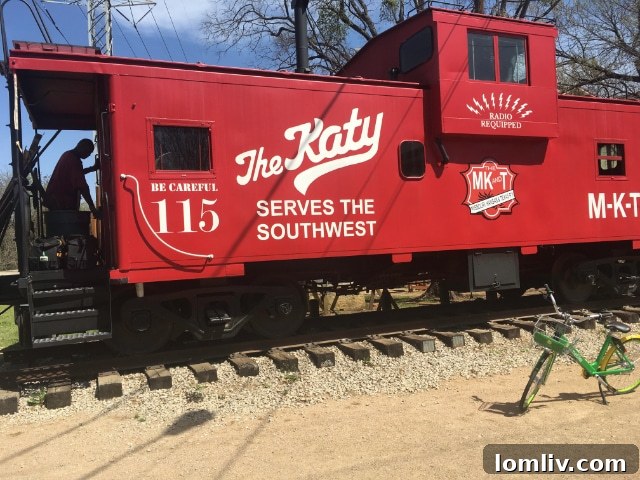
In the vibrant tapestry of Dallas’s urban landscape, where modern trails meet echoes of a bygone era, a remarkable piece of history has been given a new lease on life. The Katy Trail Caboose, an iconic symbol of the city’s rich railroad heritage, proudly stands as one of the distinguished recipients of the 2021 Preservation Dallas Achievement Awards. This recognition is not merely for a restored structure; it celebrates an extraordinary tale of dedication, vision, and a painstaking rescue effort spearheaded by The Friends of the Katy Trail. This project brilliantly showcases a profound commitment to historic preservation, transforming a forgotten relic into a captivating landmark that educates and inspires.
Reclaiming History: The Gateway to Texas
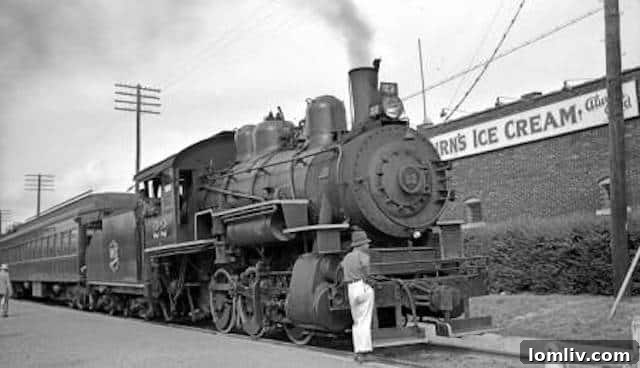
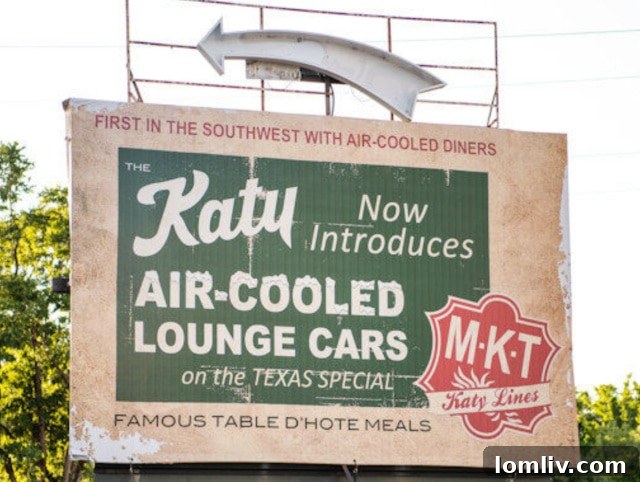
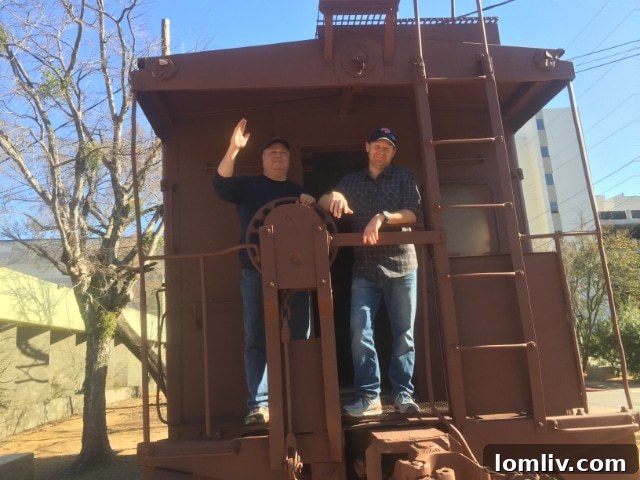
The vision for the Katy Trail Caboose began with Buddy Cramer, a managing partner of the immensely popular Katy Trail Ice House, and Ben Ralston, a junior general partner. Both shared a deep-seated passion for trains and history, often dreaming of owning a caboose. Their establishment, the Katy Trail Ice House, sits directly adjacent to the Katy Trail, a bustling artery for recreation that many users traverse daily, often without fully realizing its profound historical significance. This beloved trail was, for many decades, a vital segment of a working railroad: The Missouri-Kansas-Texas Railway, affectionately known as the MKT or simply “The Katy.”
The MKT Railway’s journey in Dallas commenced in 1886, marking it as one of the very first major railroads to extend its reach into the vast expanse of Texas. Its arrival was transformative, opening up new pathways for commerce, travel, and settlement, earning it the distinguished moniker, “The Gateway to Texas.” For Buddy and Ben, this history was more than just a footnote; it was the very essence of their locale. They recognized the unique opportunity to bridge the past and present, creating a tangible link to the railway’s enduring legacy right at the heart of the modern Katy Trail.
Their shared love for trains and the rich tapestry of history fueled their desire to acquire a historical piece for public display. A caboose, with its iconic silhouette and direct association with railroad operations, seemed like the perfect fit. Little did they know, this initial idea would blossom into an extraordinary multi-year adventure, fraught with challenges but ultimately culminating in a triumph of preservation and community engagement.
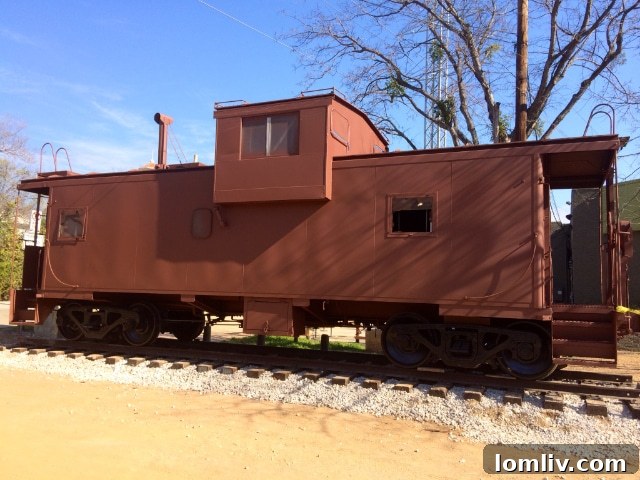
Buddy eloquently articulated their motivation: “The reason we wanted to get a caboose is people are using the hike and bike trail every day, and I bet you less than 1 in 20 realize there used to be a railroad running there for 120 years. You think about the history of the line. For a hundred years, there were passenger cars. Then it was purely a freight line.” He emphasized the profound historical layers beneath their very feet. Even the Katy Trail Ice House itself holds historical resonance, originally serving as a metal shop where railroad cars were meticulously worked upon. “We have found all kinds of track, railroad spikes, even an old coal storage area,” Buddy added, painting a vivid picture of the site’s industrial past and its deep connection to the MKT railway operations.
The Quest for Authenticity: Researching a Railway
Before embarking on the physical restoration, Buddy and Ben committed themselves to an exhaustive period of research. Their dedication to historical accuracy meant delving deep into the MKT Railway’s past. They transformed into amateur historians, embarking on countless field trips and visits to various archives and historical sites to investigate leads and compile a comprehensive body of research.
Ben recounted their extensive efforts: “We went to the central library, and I think we bought digital copies of most of the good photographs they had on file of MKT trains and cars that were in the Dallas area from the 1930s to the 1960s.” This meticulous photographic research allowed them to understand the authentic appearance of MKT rolling stock during its most active decades. Beyond libraries, their pursuit of knowledge led them to tangible remnants of the MKT’s glory. “Buddy and I had gone to the MKT depot in Waxahachie and the Farmers Branch Railroad Depot,” Ben continued. “Both sites have cabooses on display, and it gave us an idea of how to do the correct rail bed.” These firsthand observations were invaluable, providing crucial insights into the precise dimensions, construction, and aesthetic details necessary for an authentic railbed.
No detail, however small, escaped their rigorous scrutiny. They painstakingly researched original paint colors used by the MKT, determined to restore the caboose to its true historical palette. They meticulously discussed potential interior layouts, envisioning how the space would be finished out and what contemporary purpose it could serve while honoring its past. Every aspect, from the exterior livery to the internal functionality, was deliberated with a deep respect for the caboose’s heritage. The only missing piece was the caboose itself.
Discovery and Acquisition: A Promising Lead
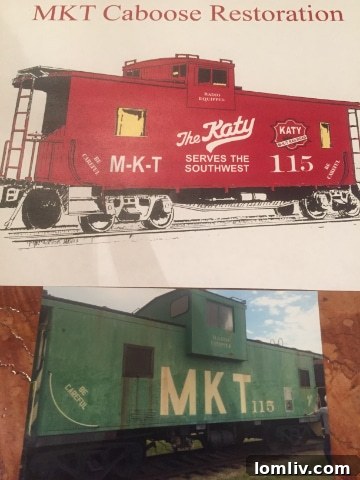
In 2015, the intensive research finally paid off when Ben received a promising lead. Their quest led them to a railroad museum in Denison, Texas, a location steeped in railway history. Denison, at one time, held immense importance as the most significant depot in Texas, serving as the crucial first stop in the state after trains traversed the territory that is now Oklahoma. This made it a fitting place to find a relic of the MKT’s extensive network. At the Denison depot, they discovered three cabooses. One, however, stood out – an individual-owned caboose in a significant state of disrepair. Built in 1966, it was notably one of the last cabooses ever manufactured for the MKT, making it a rare and historically significant find.
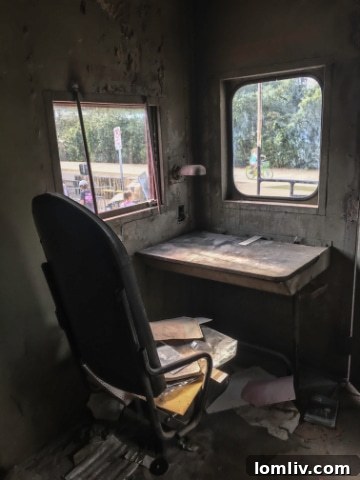
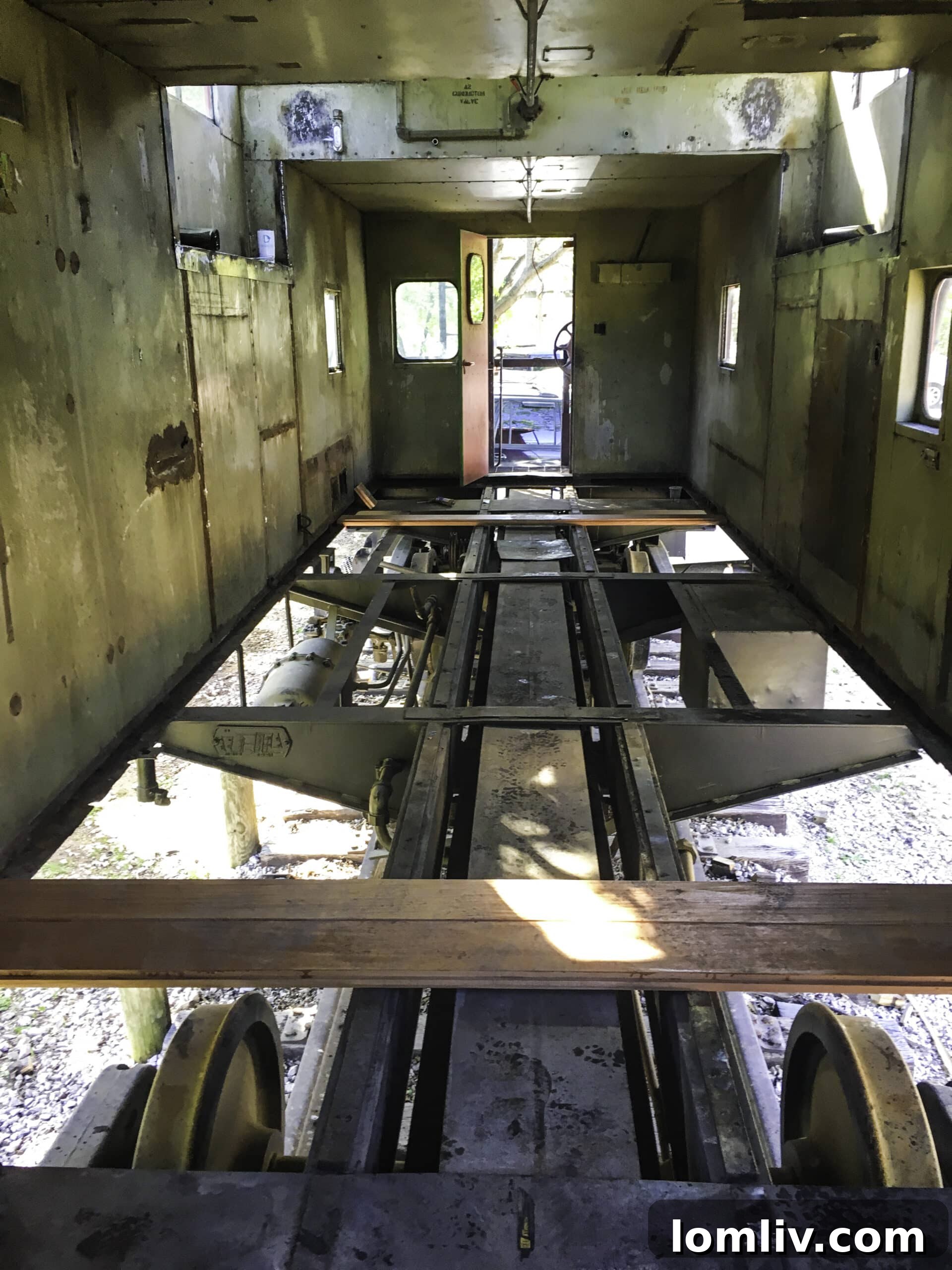
“So, we bought the thing for what we thought was a good price and had no idea how to get it to Dallas,” Buddy candidly admitted. The acquisition was just the beginning of a complex logistical puzzle. Moving a full-sized caboose across state lines is no small feat, requiring specialized knowledge and equipment. They wisely enlisted the services of Lemmons Transportation, a company renowned for its experience in handling such extraordinary moves. To ensure the massive structure could safely pass under various bridges and overpasses along the route, Lemmons Transportation ingeniously utilized three flatbed trailers, carefully orchestrating the journey back home to Dallas. This initial triumph of logistics set the stage for the even greater challenges and rewards of the restoration itself.
The Real Adventure: Meticulous Restoration and Rebirth
Securing and transporting the caboose, though challenging, turned out to be merely the prelude to what became a multi-year, profoundly engaging adventure. Before the caboose could even be officially settled in Dallas, Buddy and Ben faced another critical task: constructing an authentic railbed. True to their commitment to historical accuracy, they once again began scouting, this time closer to home. Remarkably, a serendipitous discovery awaited them – one of their neighbors possessed a stack of original MKT rails in their backyard. This extraordinary find ensured that the caboose would rest on tracks identical to those it once traversed decades ago. Once the railbed was meticulously built to historical specifications, a powerful crane carefully lifted the caboose, placing it precisely onto its new, permanent home.
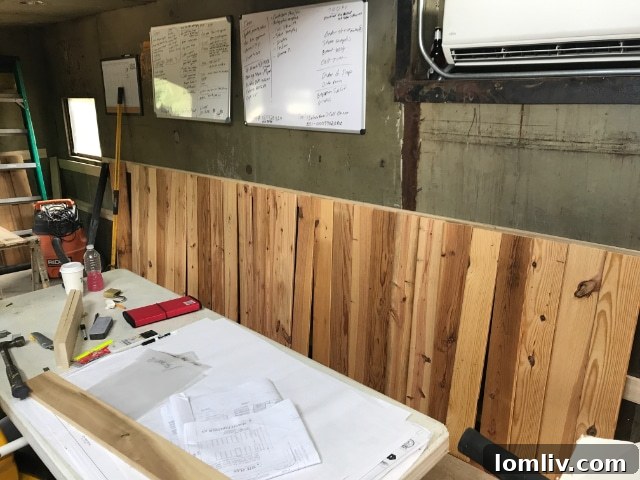
The interior restoration proved to be the most arduous phase. “The hardest part of the restoration was gutting the interior,” Buddy revealed. He described the caboose’s original utilitarian layout: “It had two beds, a wood-burning stove, and a bathroom. There was a narrow hallway with a couple of seats above the bathroom and a generator.” The removal of these components was far from simple. “We had to cut through so much steel,” he explained, underscoring the sheer physical effort involved in transforming the space. Once the interior was stripped down to a “clean slate,” the creative and intricate work of interior designer Bryan Varner began, while simultaneously, the exterior received its much-anticipated historical paint treatment.
Ben elaborated on the exterior transformation: “The MKT had changed their color scheme in the early 1970s. So, the caboose we bought was faded pea green and yellow. We went back to the original red and white colors.” This decision was pivotal, restoring the caboose to its vibrant, authentic MKT livery, a striking visual tribute to its operational prime.
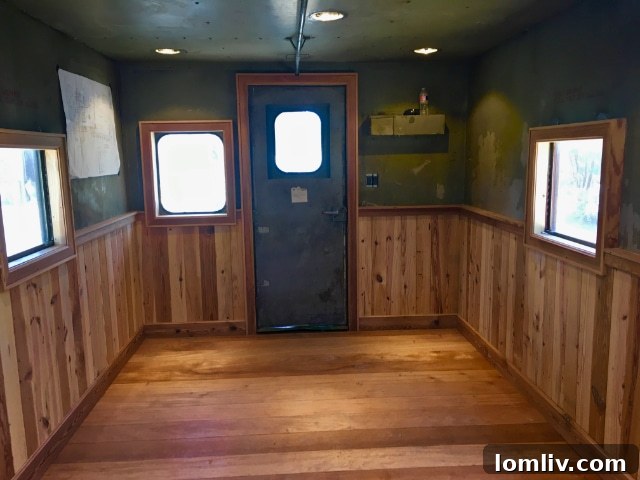
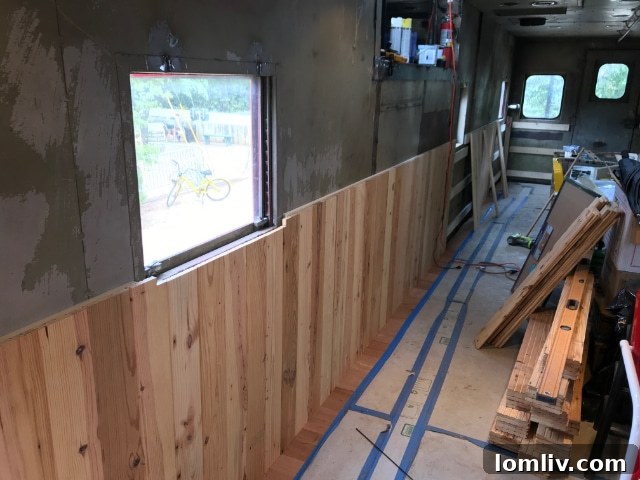
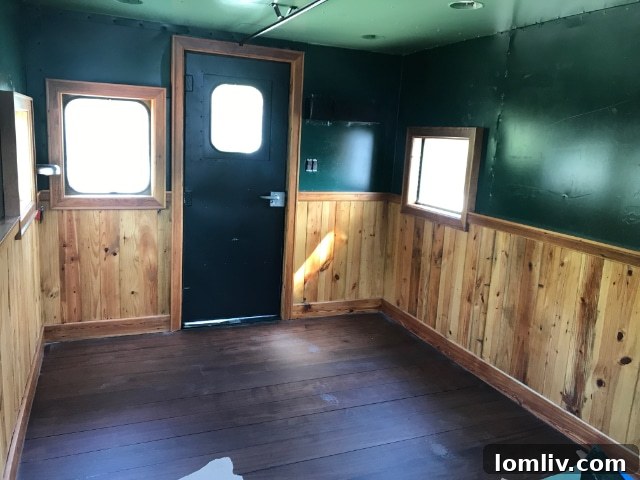
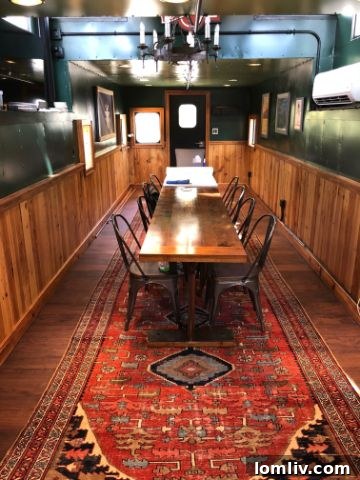
Bryan Varner, a long-time collaborator with Buddy, brought his expertise and a shared understanding of their vision to the project. Their excellent collaborative rapport resulted in a brilliant rebirth for this historic caboose. Inside, the transformation was equally dramatic and elegant. Rich mahogany floors were meticulously installed, providing a foundation of classic beauty. Old-growth yellow pine was artfully utilized to create the wainscoting, adding warmth and historical character to the walls. Furthermore, all the windows were expertly redone, ensuring both structural integrity and aesthetic appeal, allowing natural light to illuminate the reborn interior.
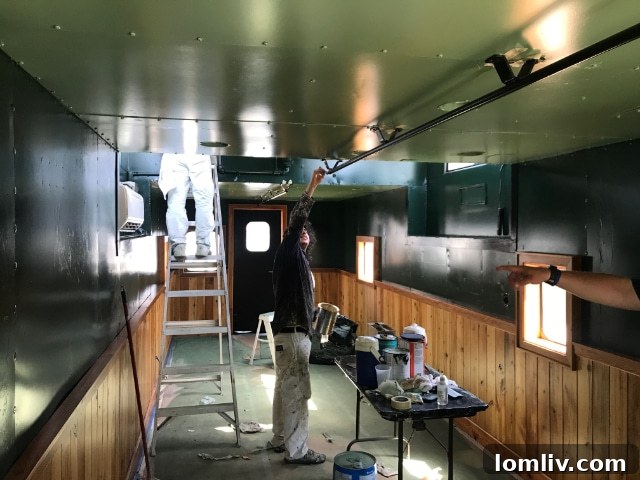
The reimagined caboose now serves a refined new purpose. “We made it into a meeting space,” Buddy proudly announced. The interior was furnished with an exquisite Oriental rug, providing a touch of classic elegance. Bryan Varner skillfully crafted a large, custom conference table, making the space functional for gatherings and discussions. Adding a final, authentic touch, a vintage chandelier from Uncommon Lighting was installed, casting a warm glow and enhancing the historical ambiance. “It’s essentially a shrine to the MKT railway,” Buddy concluded, encapsulating the project’s profound respect for its heritage.
Reflecting on the entire journey, Ben expressed the deep satisfaction derived from the project: “To discover and then own an old caboose and re-home it was a full-circle experience.” The meticulously restored Katy Trail Caboose is far more than just a decorative element; it stands as a powerful educational tool and a cherished community asset. “We want people to know there was a rail line running through the heart of Dallas and to remind them of this part of Dallas history,” Ben affirmed. This remarkable preservation effort by Buddy Cramer, Ben Ralston, and their team ensures that the echoes of “The Katy” railway will continue to resonate along the trail, captivating generations to come with the enduring legacy of Dallas’s rich railroad heritage.