Discovering Your Hawaiian Dream Home: A Deep Dive into the Current Market
The allure of Hawaii, with its pristine beaches, vibrant culture, and breathtaking landscapes, continues to captivate those dreaming of a second home or a permanent escape. For discerning individuals contemplating an investment in paradise, the present moment presents a unique and compelling opportunity for thorough market research and strategic planning. While the islands retain their timeless charm, the real estate landscape is currently shaped by specific dynamics that make diligent investigation more crucial than ever.
According to seasoned market observer Jon Anderson, this period marks an opportune time to explore the Hawaiian real estate market. The tranquility currently experienced on Oahu, for instance, reflects a peaceful ambiance often associated with the outer islands. This shift, while subtle, has created distinct conditions that warrant close attention from potential buyers and investors. Understanding these nuances is key to making informed decisions in one of the world’s most coveted destinations.
The Shifting Sands of the Hawaiian Real Estate Market
The recent past has introduced a variety of factors that have redefined real estate trends across the Hawaiian archipelago. From shifts in remote work culture to evolving tourism patterns, these influences have directly impacted property values, inventory levels, and buyer demographics. Aspiring homeowners and investors must navigate these changes to effectively position themselves in this competitive yet rewarding market. The current environment, characterized by both serenity and scarcity, requires a comprehensive understanding of local conditions.
This evolving market demands a fresh perspective. What might have been true for Hawaiian real estate a few years ago may not hold today. Buyers need to be prepared for a landscape that prioritizes quick action and strong offers, especially in segments experiencing high demand. The dream of owning a piece of Hawaii remains vibrant, but the path to achieving it requires current knowledge and an agile strategy tailored to today’s unique circumstances.
Oahu: The Quiet Island and Its Unique Market Dynamics
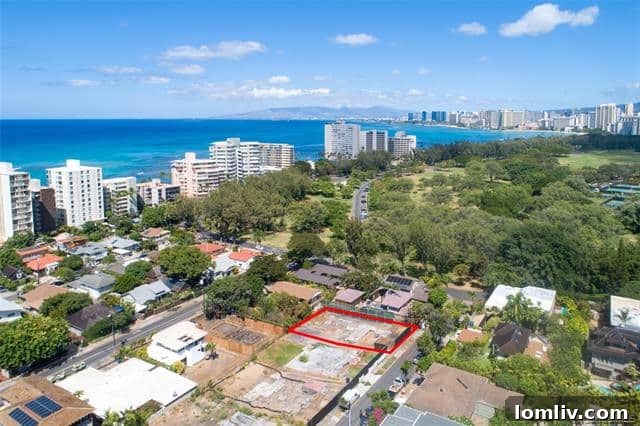
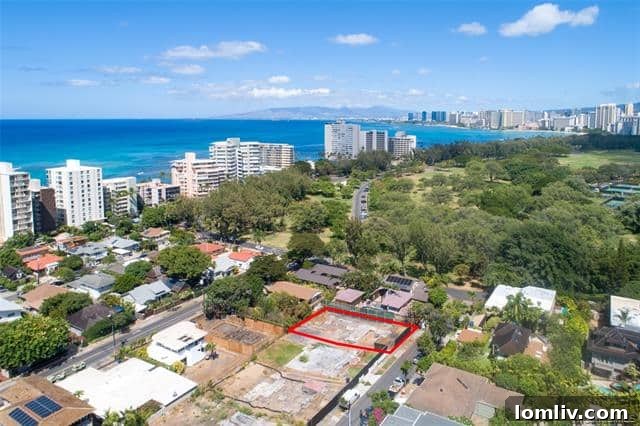
Oahu, typically known for its bustling energy, vibrant Honolulu city life, and world-famous Waikiki, has recently settled into a quieter rhythm. This newfound calm, as Jon Anderson notes, lends it an atmosphere more akin to the traditionally tranquil outer islands. This shift has not necessarily dampened buyer interest but has altered the competitive dynamics, offering a potentially more contemplative environment for exploration without the usual frenetic pace.
However, this perceived calm on Oahu belies a significant underlying challenge: a serious shortage of available single-family homes and condominiums. This scarcity is a critical factor for any prospective buyer to consider. The limited land supply, coupled with a consistent desire for island living from both local residents and mainland investors, continues to fuel demand, often outstripping the available inventory. This imbalance means that while the island might feel quieter, the market itself remains highly competitive, especially for desirable properties.
The shortage is not uniform across all price points or property types but affects a broad spectrum of the market. From entry-level condos appealing to first-time buyers to expansive luxury estates, the competition for well-priced and well-located properties is intense. Buyers must be ready to act swiftly, often facing multiple offers and needing pre-approved financing to stand out. Understanding the specific micro-markets within Oahu, from the urban appeal of downtown Honolulu to the serene shores of the North Shore, is essential.
For those seeking a single-family residence, the dream of a private yard and ample living space comes with a premium and fierce competition. Similarly, the condo market, while offering a more accessible entry point for some, still experiences high demand, particularly for units with desirable amenities, ocean views, or strategic locations near employment centers and recreational activities. This persistent supply-demand imbalance underscores the importance of working with an experienced local real estate professional who can navigate these challenging conditions.
Beyond Oahu: The Allure of the Outer Islands
While Oahu presents its unique blend of calm and scarcity, the outer islands—Maui, Kauai, and the Big Island—offer distinct market characteristics that appeal to different buyer profiles. These islands have traditionally maintained a more relaxed pace of life, often attracting those seeking greater seclusion, direct access to nature, and a community-centric lifestyle. Their real estate markets, while also experiencing shifts, often present different opportunities and challenges compared to Oahu.
Maui, known for its luxurious resorts and stunning beaches, continues to be a highly sought-after destination for high-net-worth individuals and those seeking premium vacation rentals. Inventory here is also tight, particularly in prime coastal areas, and prices reflect the island’s exclusive reputation. Kauai, the “Garden Isle,” appeals to buyers prioritizing natural beauty, outdoor adventure, and a tranquil existence, with its market often driven by demand for unique properties amidst lush landscapes.
The Big Island, Hawaii’s largest and most diverse island, offers a vast array of microclimates and property types, from active volcanism and black sand beaches to lush rainforests and dry ranchlands. Its real estate market is perhaps the most varied, with opportunities ranging from agricultural land and expansive estates to charming coastal homes and growing communities. Each outer island thus provides a unique investment profile and lifestyle proposition, making research into their individual market trends paramount.
Unveiling Investment Opportunities on the Big Island
Amidst the general market conditions, the Big Island stands out as a focal point for what Jon Anderson refers to as an “incredible opportunity for investment.” Its sheer size and geological diversity contribute to a broader range of options for both residential and investment properties, often at price points that can be more accessible than those found on Maui or parts of Oahu. This makes it an intriguing prospect for those looking to expand their real estate portfolio in Hawaii.
The Big Island’s varied landscape supports diverse investment strategies. For instance, areas like Kona offer robust vacation rental markets, driven by tourism. Hilo, on the wetter side, provides opportunities in more traditional residential markets and offers a distinctly different cultural experience. Additionally, the island presents unique prospects for land banking, agricultural ventures, or even eco-tourism properties, catering to investors with specific visions and long-term goals. The potential for growth and development in certain regions further enhances its appeal.
The mention of “maybe a free house” in the context of the linked article alludes to highly advantageous and perhaps unconventional investment scenarios that can occasionally emerge. While not literal, it implies opportunities for finding properties at significant discounts, fixer-uppers with substantial equity potential, or unique situations where the overall investment package becomes exceptionally compelling. Such opportunities often require deep local knowledge, patience, and the ability to recognize value where others might not, making expert guidance invaluable.
Investing on the Big Island often means embracing a different pace of life and a strong connection to nature. Beyond the financial returns, property ownership here offers unparalleled lifestyle benefits, from stunning natural beauty to a close-knit community feel. The island’s ongoing development in infrastructure and amenities also signals a positive trajectory for long-term appreciation, making it a compelling choice for those seeking both financial growth and an enriching Hawaiian experience.
Key Factors Shaping the Hawaiian Real Estate Landscape
Understanding the current state of Hawaiian real estate requires an examination of several influential factors that collectively mold market dynamics. These elements range from global economic trends to localized demographic shifts, all playing a role in determining property values, demand, and availability across the islands. Prospective buyers should consider these forces to gain a holistic view of their potential investment.
The Remote Work Revolution and Its Impact
The global shift towards remote work has significantly impacted demand for second homes and relocation properties in desirable destinations, and Hawaii is no exception. Individuals and families who can work from anywhere are increasingly choosing to embrace the island lifestyle, either for extended periods or permanently. This influx of “digital nomads” and new residents seeking a higher quality of life has intensified competition for available homes, particularly those with good internet connectivity and dedicated home office spaces.
This trend has not only driven up demand for traditional residential properties but also for properties that can serve as a primary residence while offering the flexibility of a vacation home. The ability to conduct business from a beachfront lanai or a tranquil mountain retreat has become a powerful motivator for buyers who previously might have been tied to mainland urban centers. This demographic shift is a key contributor to the persistent inventory shortages observed across the islands.
Persistent Inventory Shortages: A Deeper Look
The chronic scarcity of available homes in Hawaii is a multi-faceted issue. Geographically, the islands are finite, limiting the amount of developable land. Strict zoning regulations, environmental protections, and community land use policies further restrict new construction. This creates an inherent bottleneck in supply that simply cannot keep pace with consistent demand, especially as populations grow and external interest intensifies.
Furthermore, many existing homeowners in Hawaii have deep roots and a strong attachment to their properties, leading to a lower turnover rate compared to other markets. The unique cultural and familial ties to land contribute to a reduced incentive for selling, further tightening the supply. This fundamental supply-demand imbalance is the bedrock of the Hawaiian real estate market’s competitive nature and its sustained upward pressure on prices.
Understanding Interest Rates and Economic Influences
Interest rates play a crucial role in the affordability of homes and the overall activity in the real estate market. Historically low interest rates have, in recent times, made borrowing more attractive, allowing buyers to secure larger mortgages and contributing to increased purchasing power. This, in turn, has fueled demand and intensified competition, even for properties with elevated price tags.
Beyond interest rates, broader economic indicators, both national and international, influence the Hawaiian market. A strong global economy often translates to increased discretionary income and confidence in investment, benefiting luxury markets and second home purchases. Conversely, economic uncertainties can lead to caution. Understanding these macroeconomic forces is vital for predicting market shifts and making timely decisions.
The Luxury Market’s Resilience
The luxury segment of the Hawaiian real estate market often exhibits remarkable resilience, frequently operating with different dynamics than the broader market. High-end properties, particularly those with unique features, exclusive locations, and stunning views, consistently attract affluent buyers seeking privacy, prestige, and a bespoke island experience. These buyers are often less sensitive to interest rate fluctuations and are driven by long-term wealth preservation and lifestyle aspirations.
Areas like Wailea in Maui, Lanikai in Oahu, and the Kohala Coast on the Big Island are renowned for their luxury offerings and continue to command top prices. Investment in these premier properties often represents a diversification strategy for wealthy individuals, further cementing Hawaii’s status as a global luxury destination. This sustained demand in the high-end sector contributes to the overall strength and perceived value of Hawaiian real estate.
Navigating Your Journey to Hawaiian Homeownership
Embarking on the journey to purchase a Hawaiian second home or investment property requires careful planning and a strategic approach. The market’s unique characteristics demand more than just a passing interest; they call for dedicated research, expert guidance, and a clear understanding of the commitment involved. Navigating this landscape effectively will significantly enhance your chances of securing the perfect property.
Essential Due Diligence for Prospective Buyers
Thorough due diligence is paramount when considering a property in Hawaii. Beyond the aesthetics, buyers must delve into local regulations, property taxes, and Homeowners Association (HOA) fees, which can vary significantly by island and community. Understanding potential natural hazards, such as lava zones on the Big Island or flood zones in coastal areas, is also critical. Researching climate patterns, average rainfall, and sun exposure for specific locations will ensure the property aligns with your lifestyle expectations.
Furthermore, investigate community dynamics, local infrastructure, and access to essential services. Consider the proximity to hospitals, schools, grocery stores, and airports, as these factors contribute significantly to quality of life or rental appeal. A comprehensive understanding of the property’s history, any past renovations, and future development plans for the surrounding area will provide invaluable insight into its long-term potential and suitability.
Partnering with Local Real Estate Experts
Given the complexity and competitive nature of the Hawaiian real estate market, partnering with an experienced local real estate agent is not merely advisable, it is essential. These professionals possess invaluable insight into micro-market trends, upcoming listings, and often have access to off-market opportunities that are not publicly advertised. Their deep understanding of local customs, zoning laws, and negotiation strategies can be the difference between a successful purchase and a missed opportunity.
A skilled local agent can guide you through the intricacies of contracts, disclosures, and inspections, ensuring that your interests are protected at every stage of the transaction. They can also connect you with other trusted local professionals, such as lenders, attorneys, and property managers, forming a comprehensive support network for your Hawaiian investment. Their expertise is truly indispensable in navigating this unique island market.
Financial Planning and Long-Term Considerations
Owning property in Hawaii involves more than just the purchase price. Prospective buyers must factor in ongoing costs such as property taxes, insurance (including hurricane and flood coverage), utility expenses, and potential HOA fees. For those considering a second home that will also serve as an investment, understanding potential rental income, property management fees, and local short-term rental regulations is critical for a realistic financial projection.
Consider the long-term financial commitment, including maintenance and potential renovations. Shipping costs for materials and labor can be higher in Hawaii, so budgeting appropriately for ongoing upkeep is important. A thorough financial plan, taking into account all these variables, will ensure that your Hawaiian property remains a dream realized rather than a financial burden. Professional financial advice tailored to real estate investment in Hawaii is highly recommended.
The Future of Hawaiian Real Estate: A Vision for Sustainable Growth
The future of Hawaiian real estate appears poised for continued demand, albeit with an increasing emphasis on sustainable growth and community integration. As the islands navigate the balance between development and preservation, upcoming government initiatives and local planning efforts are likely to shape how new housing is created and how existing communities evolve. Investments in infrastructure and renewable energy will also play a role in enhancing the desirability and livability of various regions.
A sustained focus on responsible tourism and eco-conscious development will likely influence property values and buyer preferences, favoring properties that align with these values. The intrinsic desire for island living, combined with the limited supply of land, suggests that Hawaiian real estate will remain a valuable asset class for the foreseeable future, provided it continues to adapt to environmental and community-focused demands. Long-term investors who align with these principles are likely to see enduring value.
Ready to Explore Your Hawaiian Second Home Dream?
The journey to owning a piece of paradise in Hawaii is an exciting one, filled with unique opportunities and important considerations. With the current market offering both quiet reflection and competitive challenges, now is indeed an excellent time to delve deep into research and engage with experts who understand the nuances of island real estate. Whether your dream is a tranquil retreat on Oahu, a vibrant investment on the Big Island, or a secluded haven on one of the outer islands, the path begins with informed exploration.
Find out more, plus an incredible opportunity for investment on the big island, over on SecondShelters.com.