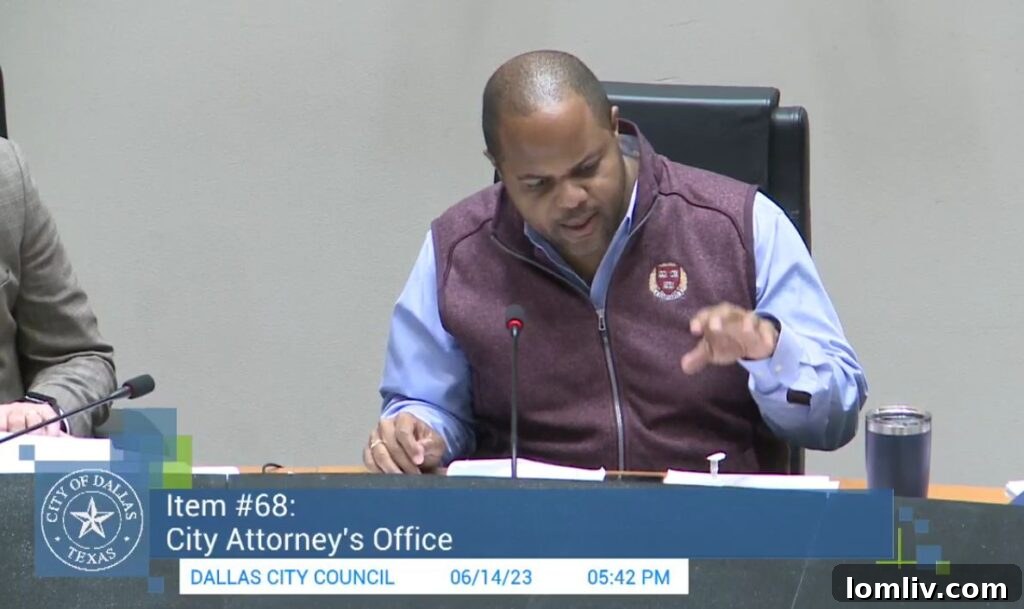
Dallas Mayor Eric Johnson, having secured an uncontested re-election, delivered a powerful inaugural address in June, outlining an ambitious agenda for his final term. His vision for the city revolves around three core pillars: significantly enhancing public safety, cultivating the finest park system in the nation, and achieving the distinction of having the lowest property tax rate among major cities in North Texas. These commitments reflect a bold declaration of intent, signaling a period of focused governance aimed at elevating Dallas’s stature and quality of life for its residents.
Speaking to a gathered crowd at the prestigious Meyerson Symphony Center on June 20, Mayor Johnson directly addressed potential skepticism. “Cynics will say that Dallas leaders have to pick sides,” he noted, acknowledging the often-perceived trade-offs in urban governance. He challenged the notion that cities must choose between fundamental priorities. “They will tell us that we have to choose between a safe city or protecting the rights of people of color; affordable housing or new, beautiful greenspaces; delivering high-quality services to all Dallas residents or lowering our tax rate,” Johnson declared. However, he quickly countered this perspective, asserting, “But over the last four years, we’ve proven these are all false choices and that Dallas residents can have it all.” This statement underpins his administration’s philosophy: a commitment to holistic progress that rejects compromises on essential civic values.
At daltxrealestate.com, we believe in holding elected officials accountable for their pledges. As the Dallas City Council prepares to return from its month-long recess on August 2, just in time to embark on the critical budget process, anticipation is high for Mayor Johnson to bring what he terms “Big Dallas Energy” to the horseshoe. This period will be crucial for translating his ambitious vision into tangible policy and budgetary allocations. Public engagement is a key component of this process, with budget town hall meetings thoughtfully scheduled in every City Council district from August 10-24, offering residents a vital platform to voice their priorities and concerns.
The Pursuit of Property Tax Relief: A Cornerstone Promise for Dallas
One of Mayor Johnson’s most prominent commitments is to significantly reduce the property tax burden on Dallas residents and businesses. In his inaugural address, he explicitly stated his intention to “advocate fiercely for additional property tax relief so that Dallas becomes the major city with the lowest tax rate in the North Texas region.” This objective is particularly pertinent given the rising cost of living and property values across the state.
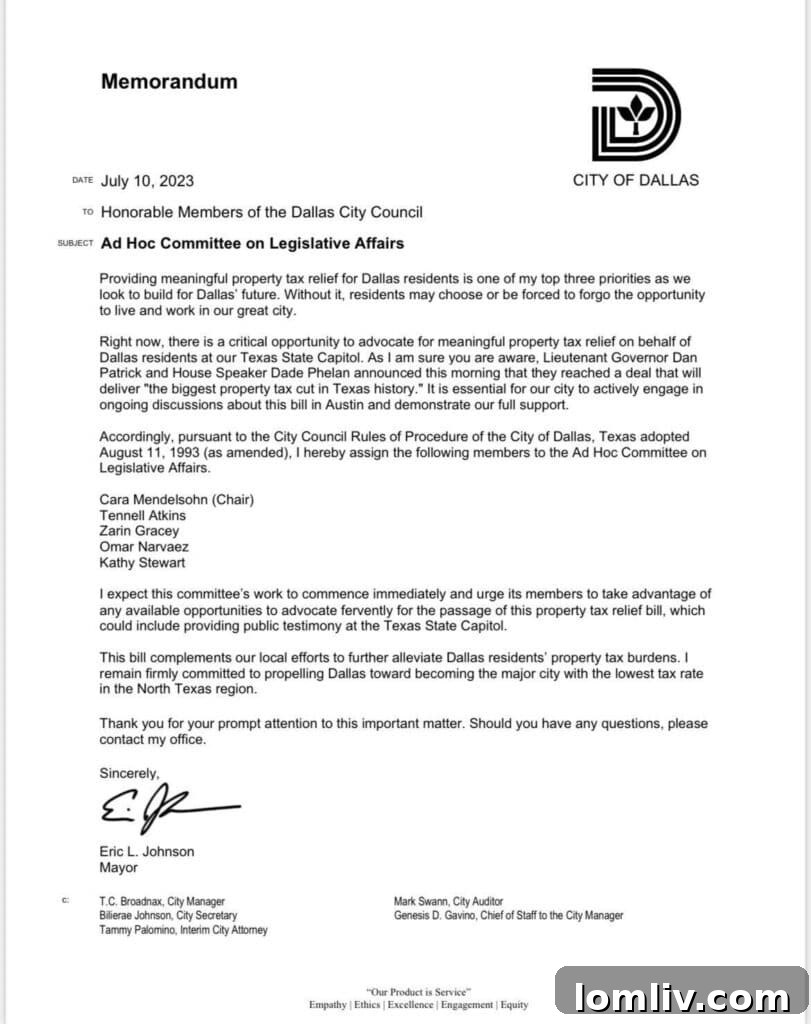
Just days after his address, on July 10, a significant breakthrough occurred at the state level. Texas Gov. Greg Abbott announced that the House and Senate had finally reached a compromise on how to implement what has been lauded as the “largest property tax cut in Texas history.” This statewide legislative development presents a crucial opportunity for Dallas to make substantial progress toward the Mayor’s goal. Recognizing the immense potential of this legislation, Mayor Johnson swiftly issued his own press release, announcing the formation of an Ad Hoc Committee on Legislative Affairs. Chaired by District 12 Councilwoman Cara Mendelsohn, this committee’s primary mandate is to vigorously advocate for the passage and effective implementation of the state’s landmark property tax relief bill.
Mayor Johnson’s dedication to lowering property taxes is not new. Since his initial election in 2019, he has consistently championed tax-rate reductions annually. This commitment has yielded demonstrable results. In September 2022, the Dallas City Council adopted a substantial $4.75 billion budget while simultaneously lowering the property tax rate for the seventh consecutive year. The current property tax rate stands at 74.58 cents per $100 assessed valuation. “Last year we reduced the city’s property tax rate to its lowest level in 15 years with the largest single-year rate cut in four decades,” Johnson proudly stated in his public address last month. He added, “As you can see, we’ve made undeniable progress toward preserving Dallas as a city of dreams.”
Despite these significant reductions, the journey to achieve the absolute lowest tax rate among North Texas’s major cities continues. For comparison, Fort Worth’s property tax rate, which was approved in September 2022, is 71.25 cents per $100 assessed valuation – a 2-cent decrease from its previous year. This comparison highlights the competitive nature of tax policy among neighboring urban centers and the ongoing challenge for Dallas to reach its stated objective. It’s also crucial for homeowners to understand the distinction between a reduced tax rate and their actual tax bill. As Fort Worth City Manager David Cooke noted in a press release last year, “Although the tax rate goes down, a property tax bill could increase depending on the property appraisal.” This emphasizes the importance of both state-level legislation impacting appraisals and local rate adjustments.
Under the terms of the proposed state legislation, Dallas taxpayers with a median home value of $320,900 could anticipate annual savings of nearly $1,000, according to Mayor Johnson. This potential relief would be a substantial boost for many families struggling with rising housing costs. “I wholeheartedly support this legislation,” he affirmed, underscoring his administration’s eagerness to capitalize on this opportunity to provide tangible financial benefits to Dallas residents.
A Mandate for Greatness: Mayor Johnson’s Re-election and Vision for Dallas
Mayor Eric Johnson, a former five-term member of the Texas House of Representatives, faced no opposition on the May 2023 Dallas ballot, making him the only named mayoral candidate. This rare occurrence, coupled with the re-election of every other eligible incumbent, sends a clear message. Despite generally low voter turnout typical of municipal elections, the results indicate a widespread satisfaction among Dallasites with the current leadership. The absence of viable challengers underscores a perceived stability and a tacit endorsement of the direction Mayor Johnson has steered the city.
However, Mayor Johnson has consistently warned about the long-term implications if meaningful property tax relief is not achieved. He posits that without such relief, residents might be compelled to choose or be forced to forgo the opportunity to live and work in Dallas, thereby eroding the city’s economic vitality and diversity. This concern ties directly into his broader philosophy of governance.
Reflecting on his “both/and” approach, Johnson articulated, “In this ‘either/or’ world, you have a ‘both/and’ mayor, which Dallas deserves — despite what the cynics and the dividers tell you.” This statement reinforces his commitment to pursuing comprehensive solutions that address multiple city challenges simultaneously, rather than sacrificing one priority for another. His re-election provides a strong mandate to continue this integrated strategy. “Dallas is a great city,” Johnson proclaimed. “And that is why we must choose greatness every single day for every single Dallas resident and never settle for anything less.” This inspiring call to action encapsulates his vision for a Dallas that continually strives for excellence across all facets of urban life.
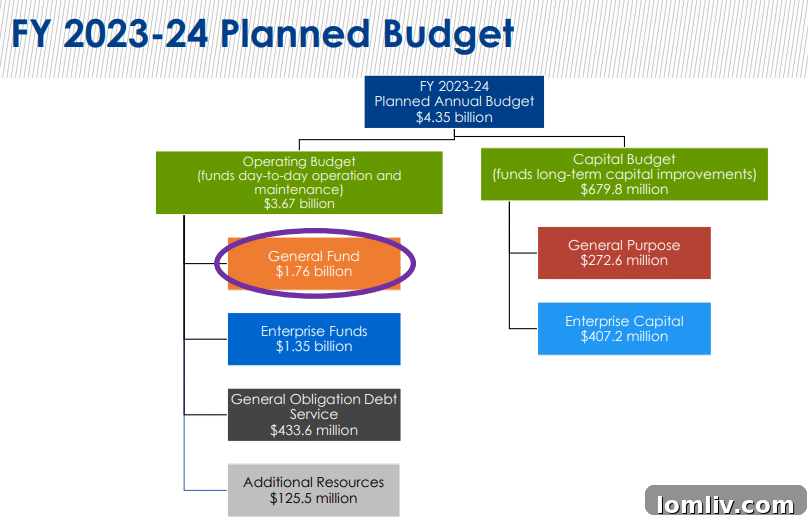
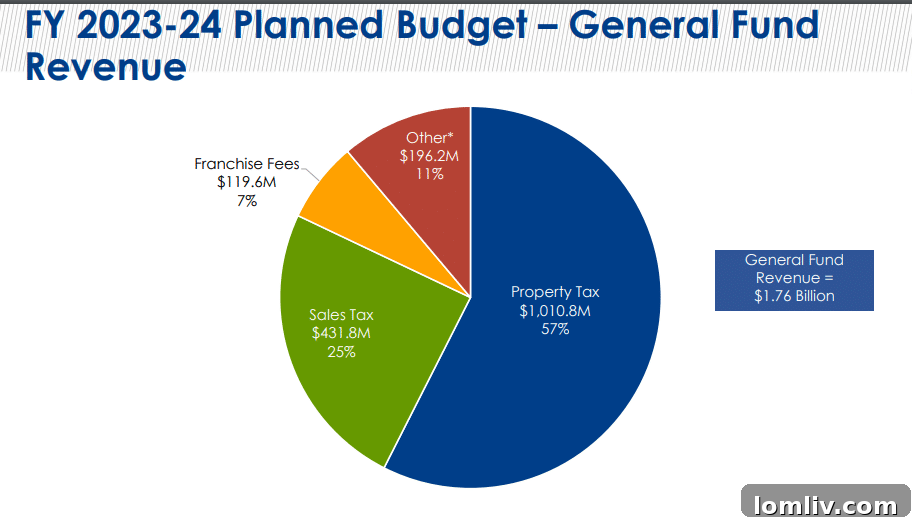
The upcoming public hearings on the proposed Dallas budget are scheduled to commence on August 10, culminating in its adoption in September. This crucial process will determine how the city’s resources are allocated to support Mayor Johnson’s ambitious agenda, with the new fiscal year officially beginning on October 1. The next few months will be pivotal in shaping the trajectory of Dallas, as the city leadership, under Mayor Johnson’s guidance, works to transform these promises into tangible realities for all who call Dallas home.