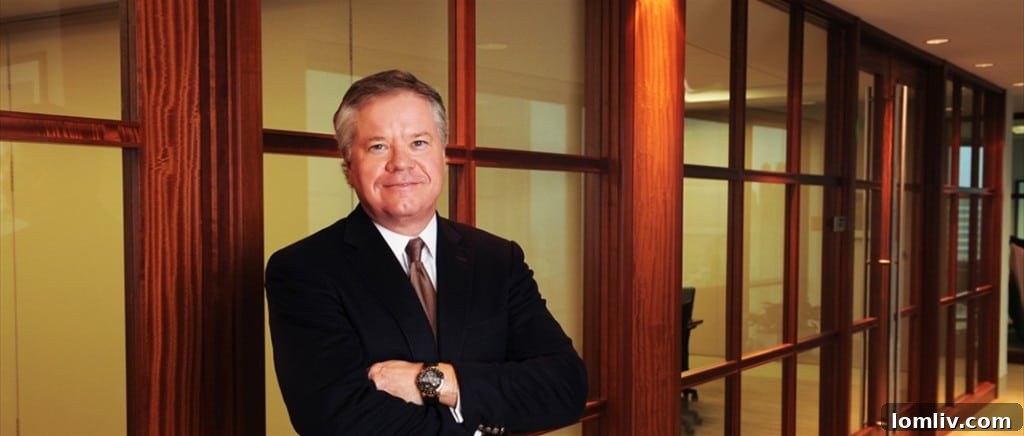
John Goff: A Visionary’s Perspective on Texas Real Estate, Investment, and Innovation
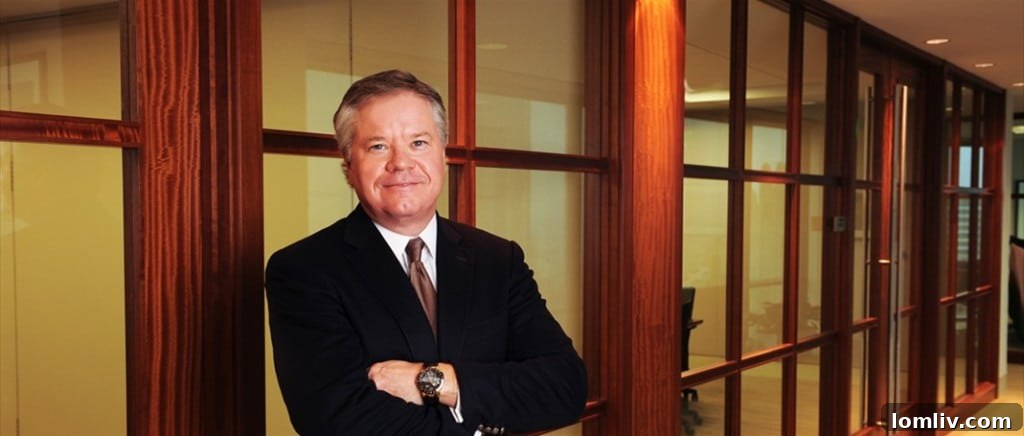
In the dynamic world of Texas real estate and beyond, few figures command as much respect and influence as John Goff, chairman and CEO of Crescent Real Estate. Known for his astute investments and long-term vision, Goff recently offered profound insights into the evolving landscapes of urban development, the energy sector, and even the nuances of film production. These perspectives emerged from a captivating interview with Candace Carlisle of the Dallas Business Journal, conducted against the backdrop of one of Dallas’s most anticipated projects.
The McKinney & Olive Masterpiece: Redefining Uptown Dallas
The conversation unfolded at the opulent Ritz, following a comprehensive tour of the then-under-construction McKinney & Olive tower. This architectural marvel, boasting 20 stories and 530,000 square feet of prime office and retail space, was poised to transform the Uptown Dallas skyline. Goff’s enthusiasm for the project was palpable; he famously described it as “very sexy,” a testament to its groundbreaking design and strategic location directly across from the Ritz. He articulated his belief that McKinney & Olive would usher in an entirely new echelon of office product, setting unprecedented standards for luxury, functionality, and aesthetic appeal in Uptown.
The McKinney & Olive project wasn’t just another building; it represented a culmination of years of strategic planning and an unwavering commitment to quality. Its design, envisioned by world-renowned architect Pelli Clarke Pelli, sought to blend sophisticated urban living with cutting-edge commercial facilities. The tower’s mixed-use nature, integrating high-end retail with premium office spaces, was designed to create a vibrant, walkable urban environment, attracting top-tier businesses and fostering a dynamic community. Goff’s vision was clear: to create a landmark that would not only be a commercial success but also a defining symbol of Dallas’s ascent as a global business hub. The tower, with its distinctive curvilinear glass facade and public plaza, truly delivered on its promise, becoming a magnet for prestigious firms and offering unparalleled amenities for its tenants and the surrounding neighborhood.
The Art of Long-Haul Land Investment
Beyond the immediate excitement of McKinney & Olive, Goff shared his overarching investment philosophy, particularly his keen eye for identifying and acquiring prime land sites. He revealed his active pursuit of his “next great land site,” indicating a preference for properties that he can “hold for the long haul.” This patient, strategic approach is a cornerstone of his success, as evidenced by Crescent Real Estate’s long-term ownership of the McKinney & Olive site itself, which they held for 15 years before development commenced.
This “land banking” strategy is not unique to Dallas. Goff cited two “wonderful tracts in downtown Houston” that Crescent has held for a comparable duration, illustrating a consistent investment pattern across major Texas markets. This methodology underscores a deep understanding of market cycles, a willingness to weather short-term fluctuations, and an unwavering belief in the intrinsic value and future appreciation of strategically located real estate. It’s a testament to Goff’s foresight, allowing him to capitalize on future growth trends by securing key parcels before their full potential is widely recognized. This approach requires significant capital, patience, and a nuanced understanding of urban planning and demographic shifts, qualities that have become hallmarks of Goff’s illustrious career.
Navigating the Energy Market: Dallas vs. Houston
The interview also touched upon the broader economic landscape, particularly the impact of lower oil prices on Texas. Goff offered a clear distinction between Dallas and Houston, highlighting the former’s robust diversification. He asserted that Dallas would experience minimal impact, perhaps “a little on the margin,” due to its successful pivot away from heavy reliance on the oil industry. In contrast, Houston, intrinsically linked to the energy sector, had “hit the pause button,” reflecting the direct correlation between oil prices and its economic vitality.
Despite the immediate challenges, Goff expressed a strong long-term bullish outlook on oil. His family office, he noted, remained “very focused exclusively on the oil business.” He firmly rejected the pessimistic forecasts of some financial institutions, such as Goldman Sachs’ prediction of $20 a barrel oil, confidently stating, “They could be right, but long-term — they will be wrong.” This perspective showcases Goff’s contrarian streak and his conviction in fundamental market dynamics over fleeting sentiment, a characteristic trait of successful value investors. His confidence in oil’s long-term prospects is rooted in a belief in global energy demand and the eventual rebalancing of supply, underscoring his diverse investment interests that extend beyond traditional real estate into the foundational industries that power the economy.
Championing Dallas: Talent Attraction and Civic Engagement
John Goff’s influence extends beyond his investment portfolio into the civic fabric of Dallas. He plays an active and crucial role in attracting new talent and businesses to the Metroplex, a testament to his dedication to the region’s prosperity. “I am very involved whenever one of the mayors call and wants me to have dinner with someone interested in the Metroplex,” he stated, adding that he shows up “on a moment’s notice” and that such requests happen “relatively frequently.”
This commitment highlights the synergistic relationship between successful business leaders and civic growth. Goff understands that a thriving city requires continuous investment in its human capital and economic base. By personally engaging with prospective businesses and their leaders, he acts as an ambassador for Dallas, showcasing its vibrant economy, quality of life, and welcoming business environment. His readiness to dedicate his time and influence to these efforts underscores a profound belief in Dallas’s potential and a sense of responsibility towards its future, distinguishing him as not just an investor but also a key architect of the city’s ongoing success. This active participation strengthens the public-private partnerships essential for sustained urban development and positions Dallas as a top destination for corporate relocation and talent acquisition.
The Bittersweet Farewell to Eagle Mountain Lake
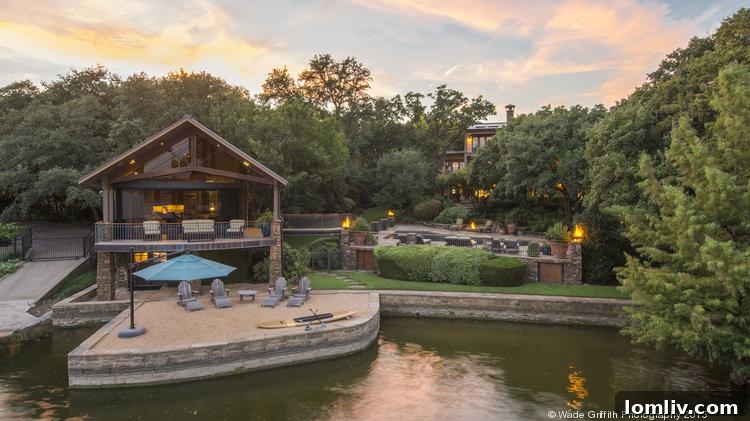
A more personal note emerged when Goff discussed the decision to auction his beloved Eagle Mountain Lake property, a retreat where his family had shared “so many good times.” Despite the sentimental attachment, the auction process was initiated to draw attention to a property “not in an inner city and is in a destination like that.” This practical consideration reflects the unique challenges of marketing high-value, non-urban properties. Although the auction was ultimately called off, the story offers a glimpse into the pragmatism that underlies even the most personal real estate decisions of an investor of Goff’s caliber.
The Eagle Mountain Lake estate was more than just a house; it was a sanctuary, a place filled with cherished memories. The decision to sell through auction, though initially pursued, highlights a common dilemma for luxury property owners outside metropolitan centers: how to effectively reach a specialized buyer pool. Traditional marketing methods often fall short for such unique properties, making alternative strategies like auctions appealing for their ability to generate significant buzz and attract global interest. The eventual halt of the auction process suggests either a change in strategy, a reconsideration of the market conditions, or perhaps even a renewed desire to hold onto a place of such profound personal significance. It underscores that even the most seasoned investors are not immune to the emotional weight attached to properties that have been integral to their personal lives.
A truly insightful interview with John Goff by Candace Carlisle of the Dallas Business Journal can be found here, providing a deeper dive into these and other fascinating topics discussed at the Ritz.
A Glimpse into Personal Real Estate and Philanthropic Ventures
When questioned about the number of houses he owns, Goff offered a characteristically understated response: “We are just long on houses. I’d rather not say.” He did, however, reveal that he and his wife, Cammy, maintain homes in Cabo and Colorado, indicative of a lifestyle that balances demanding business endeavors with opportunities for leisure and travel. This extensive personal real estate portfolio further underscores his enduring confidence in property as an asset class, even on a personal level.
Beyond traditional investments, John and Cammy Goff are also significant patrons of the arts, particularly in film. Their involvement includes financing critically acclaimed projects such as “The Secret Life of Albert Nobbs” and the compelling documentary “Unbranded.” Discussing future ventures in this area, Goff mentioned being “invested in another film that’s to be announced” and working on “another venture,” though it was “too early to say what it is.” He acknowledged the industry’s allure but also its inherent challenges, noting, “I would say there are some interesting things to do in that industry, but it’s fraught with peril.” This cautious optimism reflects his pragmatic approach to high-risk, high-reward ventures, even those driven by passion.
The Goffs’ engagement in film is not merely a hobby; it’s a strategic involvement that reflects a broader interest in impactful storytelling and cultural contribution. Their support for projects like “The Secret Life of Albert Nobbs,” which garnered multiple Academy Award nominations, and “Unbranded,” a documentary celebrating the American West, demonstrates a discerning taste and a desire to back meaningful narratives. Their ventures into film illustrate a diversification of their philanthropic and investment activities, indicating a sophisticated understanding of how to apply strategic capital beyond traditional business sectors. Goff’s pragmatic warning about the “peril” in the film industry speaks volumes about his seasoned investor’s mindset, even when pursuing passions that align with artistic and cultural enrichment.
The Enduring Legacy of Mentorship: Richard Rainwater’s Influence
One notable aspect missing from the original interview, yet highlighted as a missed opportunity, was a discussion about how Goff felt about losing his mentor, Richard Rainwater. Rainwater, a legendary investor and philanthropist, played a pivotal role in Goff’s early career and profoundly shaped his investment philosophy. The bond between mentor and protégé is often formative, and Rainwater’s influence undoubtedly instilled in Goff the discipline, foresight, and innovative thinking that have become synonymous with his own success. The passing of a figure like Rainwater would naturally leave a significant void, not just personally but also in the broader investment community.
Rainwater was renowned for his unconventional approach to investing, his ability to spot undervalued assets, and his fearless pursuit of opportunities, often in distressed situations. These traits are clearly reflected in Goff’s own career, from his astute land banking strategies to his confident pronouncements on market trends. The unspoken impact of Rainwater’s guidance likely continues to resonate in Goff’s decision-making, reminding us that even the most self-made successes often stand on the shoulders of giants. Reflecting on this relationship offers a deeper understanding of the intellectual lineage that shapes powerful figures in finance and real estate, underscoring the enduring power of mentorship in forging visionary leaders.
Conclusion: A Visionary’s Blueprint for Success
John Goff stands as a preeminent figure whose insights offer a comprehensive look into the intricate dynamics of real estate, economic foresight, and the broader landscape of investment. His leadership at Crescent Real Estate continues to shape skylines and define urban centers, particularly in Dallas with projects like McKinney & Olive. His patient, long-haul approach to land investment exemplifies a strategic vision that transcends short-term market fluctuations, securing future growth. Goff’s nuanced understanding of economic diversification, evident in his assessment of Dallas versus Houston, underscores his expertise in navigating complex financial currents.
Furthermore, his deep civic engagement highlights a commitment to fostering community growth and attracting top talent, making him a true ambassador for the Metroplex. From personal real estate decisions to ventures in the film industry, Goff’s diverse interests are united by a common thread of shrewd investment and a keen eye for opportunity, even amidst peril. His journey, undoubtedly influenced by the foundational mentorship of Richard Rainwater, paints a picture of a visionary leader whose impact on Texas and beyond continues to unfold, leaving an indelible mark on the landscape of business and culture.