By Jenny Harrison
Special Contributor
Cultivating Your Own Chemical-Free Oasis: A Comprehensive Guide to Organic Vegetable Gardening
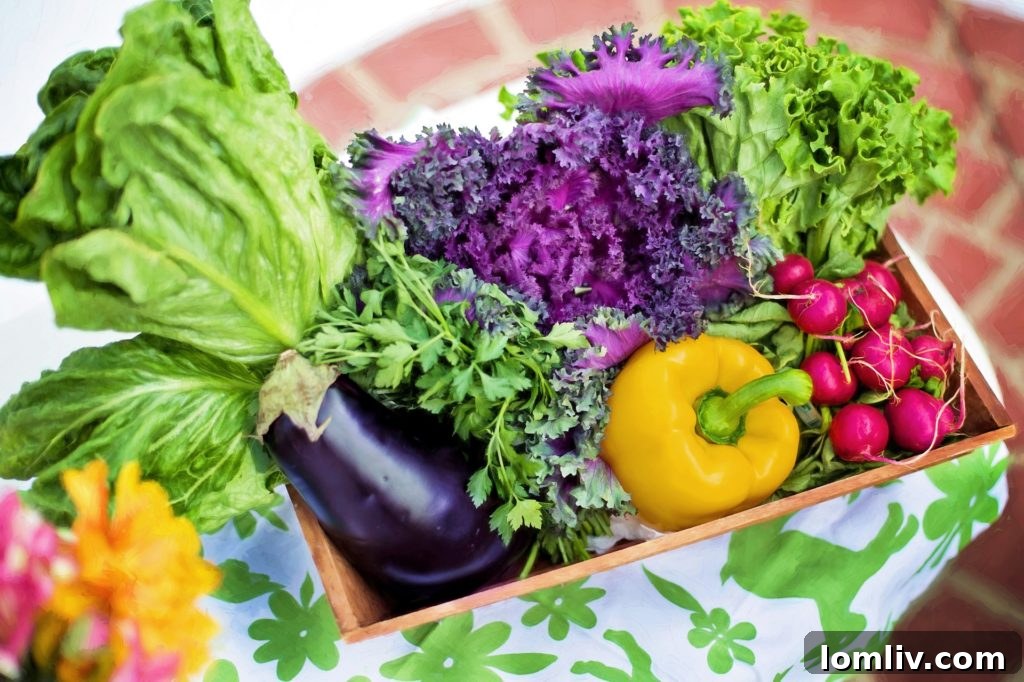
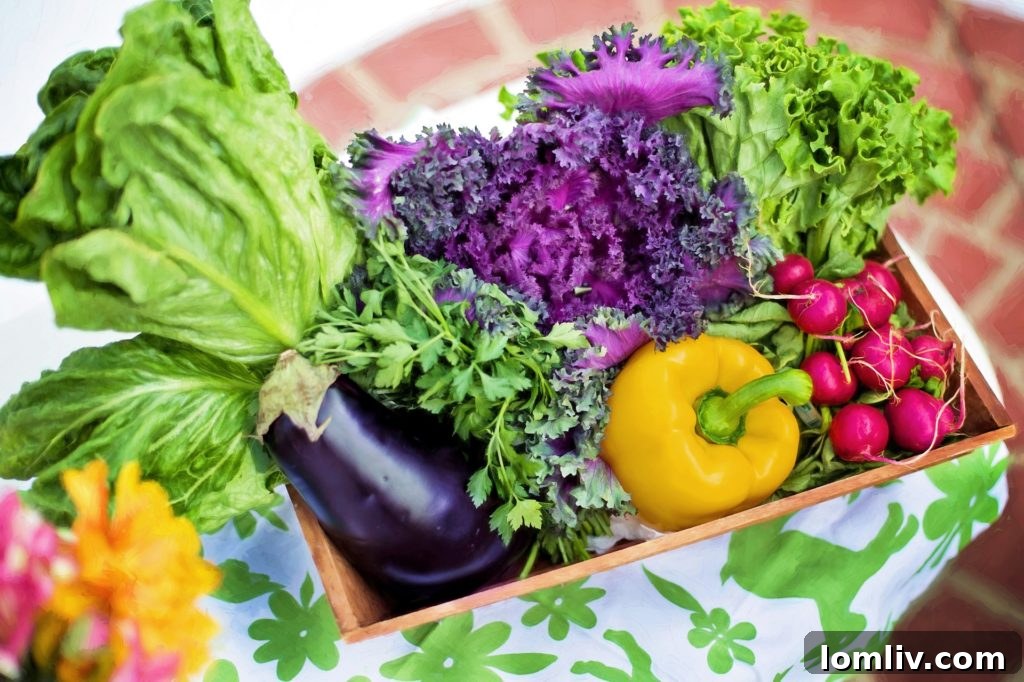
Are you envisioning a spring and summer free from the endless chore of watering a thirsty lawn? Perhaps it’s time to consider a transformative shift: replacing that turf with a thriving organic vegetable garden. The decision to cultivate your own fruits and vegetables using organic methods offers an abundance of rewards that extend far beyond simply having fresh produce. It’s an investment in your health, your family’s well-being, and the environment. Growing food free from synthetic chemicals provides an unparalleled sense of peace of mind, ensuring every bite nourishes your body without unwanted additives.
Organic gardening is a deeply satisfying endeavor that connects you with nature and provides a sustainable way to feed yourself and your loved ones. From understanding the foundational principles to mastering practical techniques, this guide will walk you through everything you need to know to establish and maintain a flourishing organic vegetable garden.
Embracing the Philosophy of Organic Gardening
At its core, organic gardening is more than just abstaining from synthetic fertilizers and chemical pesticides; it’s a holistic approach to nurturing the earth and its bounty. It’s a comprehensive system that champions the health of the entire ecosystem – from the microscopic organisms in the soil to the birds and beneficial insects that frequent your garden. Instead of relying on quick-fix chemical solutions that can harm beneficial wildlife and pollute waterways, organic gardening focuses on creating a naturally balanced and resilient environment where plants can flourish using nature’s own mechanisms.
This philosophy revolves around several key principles:
- Soil Health: The Foundation: The bedrock of any successful organic garden is living, fertile soil. Organic methods prioritize building soil structure and fertility through natural means, encouraging a vibrant microbial community that transforms organic matter into plant-available nutrients.
- Biodiversity: A Natural Defense: Promoting a diverse range of plants and organisms within and around your garden helps create a balanced ecosystem. This diversity can naturally deter pests, attract beneficial pollinators and predators, and reduce the likelihood of widespread disease.
- Natural Pest and Disease Management: Prevention Over Cure: Rather than relying on toxic eradication, the organic approach emphasizes prevention through healthy plants and good cultural practices. When issues arise, the focus shifts to using natural, non-toxic methods that target problems without harming the wider ecosystem.
- Resource Conservation and Sustainability: Organic gardening emphasizes water efficiency, diligent composting, and reducing waste to minimize environmental impact and create a truly sustainable gardening practice for generations to come.
Ready to embark on this rewarding journey? Let’s delve into some practical ideas and techniques to help you grow fresh, delicious, and truly chemical-free food right in your backyard.
Planning Your Organic Garden: Laying the Groundwork for Success
A well-planned garden is a thriving garden. Before you dig your first hole, take time to assess your space and define your gardening goals. Thoughtful planning can save you time, effort, and potential frustrations down the line.
1. Site Selection: The Heart of Your Garden’s Potential
The success of your organic vegetable garden hinges significantly on choosing the right location. Most vegetables, particularly fruiting varieties like tomatoes, peppers, and squash, require ample sunlight – ideally at least 6-8 hours of direct sun per day. Observe your yard throughout the day, perhaps taking notes every couple of hours, to accurately identify the sunniest spots. Beyond sunlight, consider these crucial factors:
- Drainage: Good drainage is crucial to prevent waterlogging, which can suffocate roots and lead to various diseases. If your soil retains water excessively, indicated by puddles after rain, consider amending it heavily with organic matter or opting for raised beds.
- Accessibility: Choose a spot that’s easy to access for daily watering, weeding, harvesting, and simply enjoying your garden. Proximity to a reliable water source is also a major convenience that will save you considerable effort.
- Protection from Elements: While sunlight is vital, some protection from strong, persistent winds or extreme weather (like harsh afternoon sun in very hot climates) can also be beneficial, especially for delicate young plants or leafy greens prone to bolting.
- Soil Quality Assessment: While organic gardening will improve your soil over time, knowing your starting point is helpful. Is your existing soil heavy clay, sandy, or something in between? This will guide your initial soil amendments.
2. Choosing Your Garden Layout: Traditional, Elevated, or Compact?
There are several popular layouts for organic vegetable gardens, each with its own advantages and suitability for different spaces and gardener preferences. The best choice for you will depend on your available space, existing soil conditions, physical capabilities, and aesthetic vision.
Traditional In-Ground Organic Vegetable Garden
For those with ample space and decent existing soil, a traditional in-ground garden can be wonderfully productive and cost-effective to start. Begin by thoroughly preparing your chosen sunny location, ensuring it has adequate drainage. A common and highly effective layout strategy for maximizing sun exposure is to orient your garden beds from north to south. This allows all plants to receive optimal sunlight throughout the day as the sun traverses the sky. When planting, strategically position taller-growing vegetables such as pole beans, corn, sunflowers, or staked tomatoes and cucumbers on the northern end of your garden. This prevents them from casting excessive shade on shorter plants like lettuce, spinach, radishes, or bush beans, ensuring all your crops get the light they need to thrive.
Key Steps for Successful In-Ground Gardens:
- Initial Soil Preparation: Thoroughly digging or tilling the soil to a depth of 10-12 inches can significantly improve aeration and drainage, especially in compacted areas. More importantly, incorporate generous amounts of organic matter, such as homemade compost, well-rotted manure, or leaf mold, to immediately enrich the soil structure, fertility, and microbial life.
- The Importance of Crop Rotation: A fundamental organic practice for in-ground gardens is meticulous crop rotation. This involves not planting the same type of crop (or even crops from the same plant family) in the exact same spot year after year. Rotating crops helps confuse specific pests and breaks the life cycles of soil-borne diseases. It also contributes to replenishing nutrients, as different plant families utilize different nutrients from the soil.
- Defining Pathways: Designate clear, permanent pathways within your garden to avoid walking on and compacting the precious soil in your growing areas. Compacted soil restricts root growth and reduces aeration.
Raised Bed Gardens: Elevated Efficiency and Control
Raised garden beds have surged in popularity among organic growers, offering numerous benefits that can lead to healthier plants and easier maintenance. For this method, you’ll still select a sunny, well-drained location. Instead of planting directly into the existing ground, you construct a containment structure made of materials like untreated wood (cedar or redwood are naturally rot-resistant), bricks, decorative stones, gabion cages, or even recycled materials like galvanized steel troughs or food-grade plastic barrels cut in half. The primary advantage here is that the soil within a raised bed is typically superior to native soil because you fill it with a custom blend of nutrient-rich organic matter, tailored to your plants’ needs.
Significant Advantages of Raised Beds for Organic Cultivation:
- Superior Drainage: Raised beds naturally drain better than in-ground gardens, significantly reducing the risk of waterlogging and root diseases.
- Complete Soil Control: You have absolute control over the soil composition. You can create an ideal, friable, and nutrient-rich growing medium right from the start, custom-blended for your chosen crops.
- Reduced Soil Compaction: Since you won’t walk on the soil within a raised bed, it remains consistently loose, aerated, and uncompacted, allowing roots to spread freely.
- Extended Growing Season: The soil in raised beds warms up faster in spring and stays warmer longer in fall, effectively extending your planting and harvesting window.
- Fewer Weeds & Pests: The contained environment can make weed control significantly easier. The raised height can also act as a physical barrier against some ground-dwelling pests like slugs and snails.
- Ergonomics and Accessibility: Raised beds are easier on your back and knees, making gardening more accessible and enjoyable for gardeners of all ages and physical abilities.
When constructing your raised beds, ensure they are wide enough to reach the center comfortably from either side (usually no more than 4 feet wide is ideal) and deep enough to accommodate root growth (at least 8-12 inches deep, though deeper is better for root vegetables). Fill them with a high-quality organic soil mix, often a blend of good topsoil, abundant compost, and other organic amendments like perlite or vermiculite for aeration.
Container and Vertical Gardening: Ingenious Solutions for Small Spaces
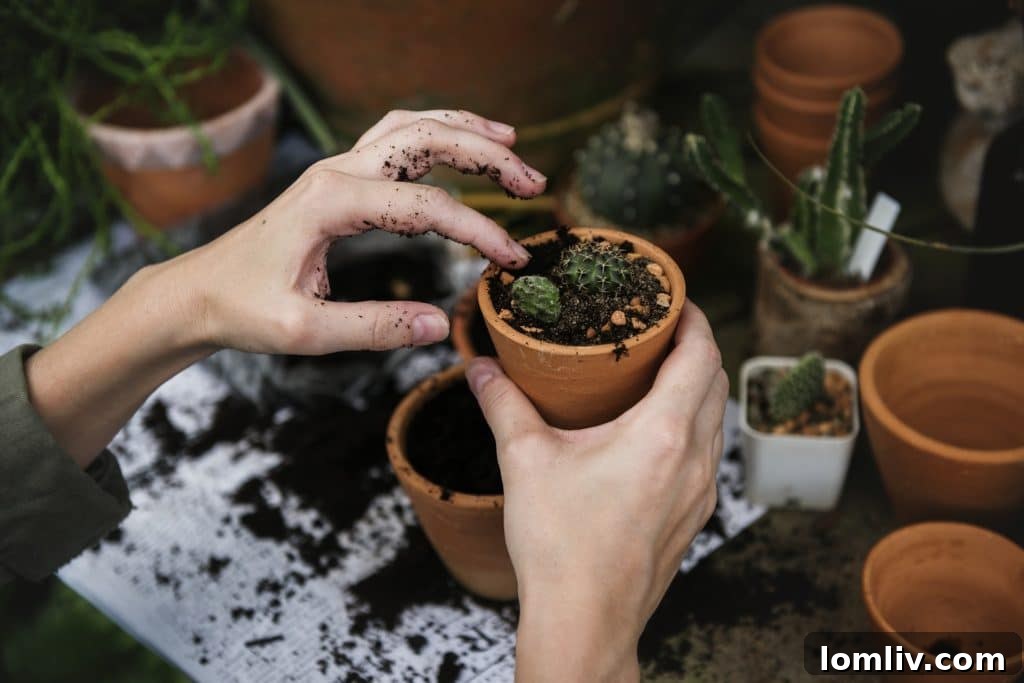
Don’t let limited space deter your organic gardening dreams. Container gardening and vertical gardening offer fantastic, adaptable solutions for patios, balconies, rooftops, or small urban yards. Almost any vegetable can be grown successfully in a container, provided it’s appropriately sized, has excellent drainage holes, and receives adequate sunlight. Think about growing herbs, leafy greens (like lettuce and spinach), cherry tomatoes, peppers, eggplants, or even dwarf varieties of fruit trees and berries in pots. Vertical gardens ingeniously utilize wall space, trellises, arbors, or stacked planters, maximizing your yield in a compact footprint and adding a beautiful green aesthetic to your surroundings.
Nurturing Life from the Start: The Importance of Organic Seeds and Plants
The journey to a truly organic garden begins with your foundational choices: your seeds and plants. Opting for organic vegetable seeds and starts is paramount. Organic certification ensures these seeds come from parent plants grown without synthetic pesticides or fertilizers, and critically, they are never genetically modified (GMO). This commitment to organic origins from the very beginning aligns with the core principles of a chemical-free garden.
While choosing from the vast array of options can sometimes feel overwhelming, remember that selecting varieties well-suited to your local climate and growing conditions is key to success. A valuable and indispensable resource for this is the USDA Plant Hardiness Zone Map. This comprehensive guide helps you understand which plants are most likely to thrive in your specific region by indicating average annual extreme minimum winter temperatures. This knowledge will guide your decisions on when to start seeds indoors for a head start, when to direct-sow seeds outdoors after the last frost, and which varieties will have the best chance of success and productivity in your climate. Look for reputable organic seed suppliers who offer open-pollinated or heirloom varieties, as these often provide superior flavor, genetic diversity, and allow you to save seeds for future seasons, promoting even greater self-sufficiency and preserving valuable plant genetics.
Building Healthy Soil: The Indispensable Foundation of Organic Success
In organic gardening, the soil isn’t just an inert medium; it’s a living, breathing ecosystem. Healthy soil teeming with beneficial microbes, fungi, and other organisms is the secret to robust, disease-resistant plants that produce abundant, nutrient-dense food. Prioritizing soil health is perhaps the single most critical principle of organic gardening, as healthy soil naturally provides everything your plants need to thrive.
The Transformative Power of Organic Compost
One of the most effective and universally beneficial ways to build and maintain healthy soil is through the generous and consistent application of organic compost. Compost is often affectionately referred to as “gardener’s black gold” for good reason. It’s a rich, dark, crumbly material created from decomposed organic matter, and its benefits are multifold. Adding compost to your garden beds is a phenomenal idea, whether you lovingly make your own or purchase it from a reputable organic source. It acts as a natural soil conditioner, dramatically improving soil structure by making heavy clay soils more workable and enhancing drainage, while simultaneously boosting water retention in sandy soils that typically dry out too quickly. Furthermore, compost is a slow-release fertilizer, gradually enriching your plants with a broad spectrum of essential macronutrients and micronutrients as its organic components break down. It also speeds up the decomposition of other organic materials in the soil and efficiently recycles nutrients, completing nature’s vital cycle.
Making Your Own Compost: A Step-by-Step Guide for the Organic Gardener:
- Gathering Materials (“Greens” and “Browns”): A good compost pile thrives on a balanced mix of “greens” (nitrogen-rich materials like fresh grass clippings, kitchen fruit and vegetable scraps, coffee grounds, and fresh plant trimmings) and “browns” (carbon-rich materials like dry leaves, straw, wood chips, shredded newspaper or cardboard, and small twigs). Aim for roughly a 2:1 or 3:1 ratio of browns to greens for optimal decomposition.
- Maintaining Moisture and Aeration: Keep your compost pile consistently moist – think of the consistency of a wrung-out sponge, not soaking wet. Regularly turning your compost pile with a pitchfork or aerating tool is crucial to introduce oxygen, which speeds up the decomposition process by supporting aerobic microorganisms.
- What to Avoid in Your Compost Pile: To maintain a healthy, pest-free, and pathogen-free compost, do not add meat, dairy products, oily foods, diseased plant material, or pet waste. These items can attract rodents and other pests, produce unpleasant odors, or harbor harmful pathogens that could contaminate your garden.
Other Essential Soil Amendments and Techniques for Organic Health
- Cover Crops (Green Manures): Planting “green manures” like clover, vetch, rye, or buckwheat during off-seasons (typically fall or winter) offers tremendous benefits. These crops help prevent soil erosion, suppress weeds, and, when tilled under the soil before flowering in spring, add valuable organic matter and nitrogen back into the soil, improving its overall fertility and structure.
- Targeted Organic Fertilizers: For specific nutrient boosts or to address deficiencies, rely exclusively on natural, organically sourced fertilizers. Options include fish emulsion, bone meal (for phosphorus), kelp meal (for trace minerals), alfalfa meal, or blood meal (for nitrogen). These natural amendments feed the beneficial soil life, which in turn slowly releases nutrients to your plants, rather than directly force-feeding the plants with synthetic, salt-based chemicals that can harm soil microbes.
- Regular Soil Testing: Consider conducting a professional soil test every few years. This inexpensive test provides invaluable information about your soil’s current nutrient levels, pH, and organic matter content. With this data, you can make informed, precise decisions about which organic amendments your soil truly needs, avoiding guesswork and ensuring optimal plant health.
Water Wisely and Ward Off Weeds: The Critical Role of Mulch

One of the most effective, natural, and indispensable gardening approaches for protecting your organic garden, conserving precious water, and suppressing invasive weeds is mulching. A thoughtfully applied layer of organic mulch spread over the soil surface acts as a protective blanket, shielding your plants from a myriad of challenges, including excessive moisture loss, the relentless march of weeds, damaging soil erosion, extreme temperature fluctuations, and even some pests.
Profound Benefits of Mulching in an Organic Garden:
- Exceptional Water Retention: Mulch significantly reduces water evaporation from the soil surface, meaning you’ll need to water less frequently and use less water overall, a critical advantage, especially in hot, dry climates or during drought conditions.
- Superior Weed Suppression: A thick, consistent layer of mulch effectively smothers emerging weed seedlings by blocking sunlight, dramatically reducing your weeding efforts and allowing your cultivated plants to thrive without competition.
- Optimized Soil Temperature Regulation: Mulch acts as an insulator for the soil, keeping it cooler and more consistent during the scorching heat of summer and warmer during the cooler temperatures of winter, thereby protecting delicate plant roots from extreme temperature fluctuations.
- Gradual Soil Enrichment: As organic mulches (like wood chips, straw, or leaves) slowly decompose over time, they add valuable organic matter and essential nutrients back into the soil, continuously improving its structure, fertility, and microbial activity.
- Natural Pest Deterrent: Certain types of mulch can deter specific pests, and the consistent moisture and moderated temperatures provided by mulch can also encourage beneficial soil organisms and ground beetles that prey on pests.
- Effective Erosion Control: Mulch provides a protective barrier against the direct impact of heavy rain and strong winds, preventing soil erosion and preserving the precious topsoil in your garden beds.
Effective Mulching Techniques for Your Thriving Organic Garden:
- Thorough Preparation is Paramount: Before applying any mulch, it is absolutely essential to thoroughly weed your organic garden beds and give them a deep, adequate watering. If your soil needs a boost, apply any slow-release organic fertilizers (like compost, granular organic amendments, or fish emulsion) *before* you lay down the mulch. This ensures the nutrients can reach the soil directly before being covered, as some organic materials can temporarily tie up nitrogen as they break down under a coating of mulch.
- Apply Appropriately, Not Excessively: While a thick layer is excellent for weed suppression, never mulch excessively or directly against plant stems and tree trunks. Heavy, deep mulching (more than 4-6 inches for most materials) can stifle crucial air circulation, prevent beneficial sunlight from warming the soil sufficiently in early spring, and block rain from reaching the root zone. It can also create an overly moist environment conducive to pests, fungal diseases, and rot around the plant crown or trunk. Aim for a consistent layer of 2-4 inches for most mulches.
- Choosing the Right Mulch Grade: For smaller grade mulches, such as fine wood chips, shredded bark, or sawdust (always ensure it’s from untreated wood), aim for a settled thickness of approximately three inches. These materials break down slower, offering long-term weed control and a gradual contribution to soil organic matter.
- Utilizing Lighter, Spreading Mulches: For spreading around annual vegetables, over newly seeded areas, or as a temporary layer, lighter mulches like straw, weed-seed-free hay, or shredded leaves are excellent choices. They decompose faster, are generally lighter to work with, and improve soil health quickly. These can often be applied in slightly thicker layers, up to 4-6 inches, as their lighter density still allows for good air and water penetration.
- Maintain a “Doughnut” Around Plants: Always leave a small “doughnut” of bare soil (an inch or two) around the base of plant stems and tree trunks. This prevents moisture buildup directly against the plant, which can lead to stem rot, fungal issues, and create an ideal hiding place for pests like slugs and voles.
Natural Pest and Disease Management: Working with Nature, Not Against It
One of the biggest concerns for new organic gardeners can be how to deal with pests and diseases without resorting to harsh chemical sprays. The organic approach fundamentally shifts from eradication to prevention and supporting the garden’s natural defenses and resilience. It’s about fostering a balanced ecosystem where problems are less likely to take hold, and natural predators can thrive.
- Prevention is Paramount: Cultivating Resilience:
- Healthy Soil, Healthy Plants: This is the golden rule. Strong, well-nourished plants grown in vibrant, biologically active soil are inherently more resistant to pest attacks and diseases. They have stronger immune systems, much like humans.
- Strategic Crop Rotation: As discussed, rotating crops not only confuses specific pests by removing their preferred food source from the same spot year after year but also effectively breaks disease cycles that can persist in the soil.
- Thoughtful Companion Planting: Some plants naturally deter pests or attract beneficial insects. For example, marigolds can repel nematodes, basil can deter tomato hornworms, and dill or cilantro can attract predatory wasps that control aphids. Research beneficial plant pairings for your garden.
- Ensuring Good Air Circulation: Proper spacing between plants is crucial. Overcrowding creates humid, stagnant conditions that are ideal for fungal diseases like powdery mildew. Give your plants room to breathe.
- Vigilant Garden Sanitation: Promptly remove any diseased plant material from the garden to prevent the spread of pathogens. Keep your garden beds free of weeds and excessive debris, as these can provide hiding spots for pests.
- Identification and Diligent Observation: Regularly inspect your plants for any early signs of trouble – discoloration, chewed leaves, unusual spots, or the presence of insects. Early detection is key to managing problems before they become severe. Learn to identify common pests and diseases specific to your region and the crops you are growing.
- Effective Organic Control Methods When Needed:
- Hand-Picking and Physical Removal: For larger pests like tomato hornworms, slugs, or cabbage worms, simply hand-picking them off plants and disposing of them is a highly effective, non-toxic method.
- Organic Insecticidal Soaps and Neem Oil: These natural sprays can be effective against soft-bodied insects like aphids, spider mites, and whiteflies. Insecticidal soaps work by disrupting insect cell membranes, while neem oil acts as an antifeedant and growth disruptor. Always follow label directions precisely and apply during the cooler parts of the day to avoid plant burn and protect beneficial insects.
- Encouraging Beneficial Insects: Attract natural predators and parasitoids (like ladybugs, lacewings, hoverflies, and parasitic wasps) by planting a diverse range of flowering plants that provide nectar and pollen. Avoid broad-spectrum sprays that kill good bugs along with the bad.
- Physical Barriers and Traps: Row covers (fine mesh fabrics) can physically protect young plants from flying insects like cabbage moths. Sticky traps can monitor pest populations. Fences or cloches can deter larger animals like rabbits or deer.
- Water Sprays: A strong jet of water can dislodge aphids and spider mites from plant leaves.
Harvesting Your Bounty and Savoring the Fruits of Your Labor
After all your diligent planning, nurturing, and watchful care, the most satisfying and anticipated part of organic gardening is undoubtedly the harvest. Knowing that the vibrant vegetables, juicy fruits, and aromatic herbs you’re gathering are pure, untainted, and grown with your own hands brings an immense sense of accomplishment and unparalleled satisfaction. Always aim to harvest your produce at the peak of ripeness for the absolute best flavor, texture, and nutritional value. Regular harvesting also encourages many plants, especially those that produce continuously like beans, zucchini, and cherry tomatoes, to keep producing more throughout the season.
Beyond the delicious, fresh-from-the-garden meals, an organic garden in your house is a remarkable and consistent source of providing your family with exceptionally healthy, nutrient-dense food. It’s also an incredible way to foster connection, create lasting memories, and offer a fun, engaging, and educational bonding experience for everyone involved. From planting the very first seed to gathering the final crop of the season, gardening teaches invaluable lessons in patience, responsibility, ecological awareness, and a profound appreciation for nature’s generous cycles.
Embark on Your Organic Gardening Adventure Today!
Transforming a patch of grass, a neglected corner of the yard, or even a small balcony into a flourishing organic vegetable garden is a journey of discovery, growth, and immense reward. It’s a powerful, tangible step towards a more sustainable lifestyle, offering an endless supply of fresh, nutritious food, a deeper, more mindful connection to nature, and the undeniable, wholesome joy of eating something you’ve cultivated yourself. With healthy, living soil as your foundation, careful and thoughtful planning, and a steadfast commitment to natural, eco-friendly methods, you’ll soon be enjoying the unparalleled taste, vibrant flavors, and profound health benefits of your very own chemical-free oasis. Get started today and cultivate a healthier, happier life, one homegrown, organic vegetable at a time!