Preston Hollow’s Pulse: Homelessness, Walkability, and Zoning Debates at a PHEHA Community Meeting
Deep in the heart of Preston Hollow, a unique community dialogue unfolded at Top Pot Doughnuts, a local establishment known for its “hand-forged” treats and artisanal coffee. While its name might playfully suggest other associations, Top Pot stands as a Seattle-born beacon of coffee culture, with three thriving locations now gracing Dallas. One can’t help but ponder if its familiar, comforting vibe played a subtle role in Dallas’s bid for Amazon HQ2, offering a taste of home to potential new residents.
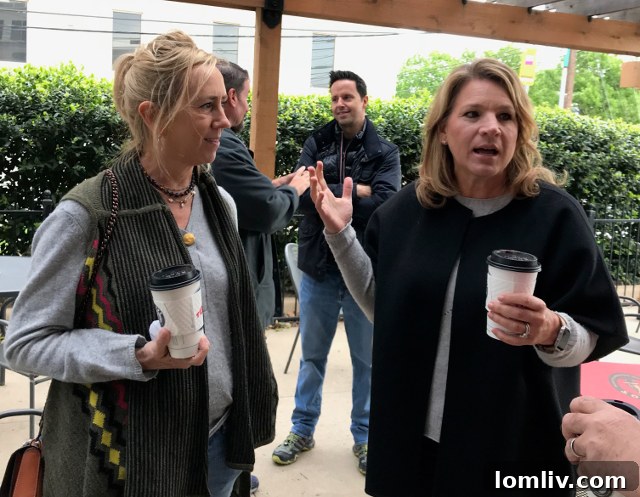
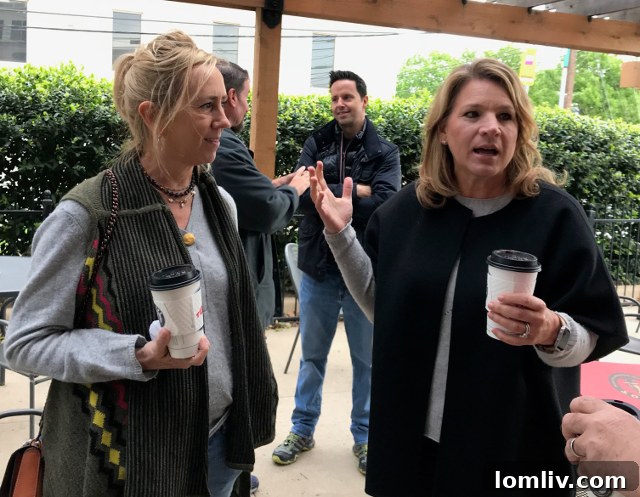
This particular Saturday, at the crisp hour of 9 a.m., Top Pot served as the informal setting for a crucial drop-in chat session, meticulously organized by the Preston Hollow East Homeowners Association (PHEHA). The guest of honor was Council Member Jennifer Gates, who stepped away from formal council chambers to engage directly with her constituents. Unlike typical structured town halls, this event was genuinely relaxed, characterized by the simple pleasure of coffee and donuts, devoid of set speeches or presentations. It provided an invaluable platform for local residents to connect with their elected official on a personal level, discussing matters closest to their hearts. Envision it as a morning coffee clutch, a casual gathering fostering open dialogue, a refreshing contrast to more rigid governmental interactions.
Addressing Key Community Concerns with Council Member Gates
Council Member Gates adeptly navigated a diverse array of inquiries, demonstrating her deep understanding of both city-wide challenges and localized neighborhood issues. Discussions spanned critical topics, from the pervasive issue of homelessness across Dallas to more specific concerns like neighborhood walkability, and, inevitably, the ongoing complexities surrounding the PD-15 zoning initiative.
Innovating Solutions for Homelessness: Lessons from Finland
During the discussion on homelessness, a pressing societal challenge, the conversation naturally veered towards effective, proven programs. The remarkable success of Finland in virtually eliminating homelessness, often highlighted in global reports, served as a compelling case study. Finland embarked on its “Housing First” strategy in 2008, a progressive approach that prioritizes providing immediate, unconditional housing to individuals experiencing homelessness, coupled with comprehensive support services. This model stands in stark contrast to traditional approaches that often require individuals to meet certain conditions (like sobriety or employment) before receiving housing assistance.
While many European nations continue to grapple with escalating homelessness, Finland has successfully housed over 16,300 individuals, not only addressing a humanitarian crisis but also realizing significant financial savings in the process. The premise is simple yet profound: stable housing is the foundational step towards addressing other life challenges. This approach reduces emergency healthcare costs, decreases incarceration rates, and fosters greater social integration. My personal experience during a visit to Helsinki affirmed these reports; finding homeless individuals on the streets was notably challenging. Dallas leadership could greatly benefit from a thorough examination of such successful, evidence-based models, understanding that investing in sustainable solutions like “Housing First” is both compassionate and economically sound.
Enhancing Neighborhood Livability: The Power of Walkability

Another focal point of the PHEHA meeting was the crucial topic of neighborhood walkability. Interestingly, my personal walking routes and preferences within the area became a point of discussion, highlighting residents’ keen interest in pedestrian infrastructure. Representatives from PHEHA expressed a strong desire to improve connectivity, making it safer and more convenient for residents to walk to local businesses, including grocery stores and, yes, perhaps even a favorite donut shop. The conversation revealed a fascinating linguistic nuance: while “sidewalk” can sometimes be a contentious term for some residents, evoking past debates or perceived infringements, the broader concept of “walkability” garners more widespread positive reception.
From an urban planning perspective, enhanced walkability is more than just a convenience; it’s a cornerstone of healthy, vibrant communities. It promotes physical activity, reduces reliance on vehicular transport, fosters local commerce, and strengthens community bonds by encouraging chance encounters. While I view well-maintained sidewalks as essential amenities that elevate the quality of urban living, the dialogue underscored the importance of language and framing when discussing development and infrastructure improvements within a diverse community. PHEHA’s initiative to prioritize walkability reflects a forward-thinking approach to urban design that directly impacts residents’ daily lives and overall well-being.
The PD-15 Zoning Saga: Restarting the Engine of Progress
Perhaps the most animated discussions revolved around the protracted PD-15 zoning issue, a complex topic with significant implications for Preston Hollow’s future development. A key point of frustration has been the perceived inaction from Provident, the developer contracted for the Preston Place parcel since February. Two months have passed, and a clear, actionable plan has yet to materialize for what is projected to be a multi-million-dollar project. It raises questions about the preparedness and strategic foresight of developers entering such significant ventures without even a foundational plan.
However, Council Member Gates has decisively moved to re-energize the process. She has scheduled a critical meeting for 6 p.m. on April 26 at the Park Cities Baptist Church’s Fellowship Hall, strategically located across Northwest Highway from the existing Preston Towers. This meeting will feature city staff presenting objective facts regarding current zoning regulations and the authorized hearing process, which has stirred considerable community debate. The session is designed to conclude with an open Q&A, offering residents direct engagement and clarity. Gates’ proactive stance is commendable; it ensures that critical development discussions, particularly those impacting long-standing communities, do not stall indefinitely, pushing developers to keep pace with community expectations.
Developer Insights: A.G. Spanos and Urban Flooding
Among the attendees was Dimitri Economou from A.G. Spanos, a prominent development firm. His presence, as a local resident with young children, underscored the dual role many industry professionals play in their communities. Our conversation veered into familiar territory, discussing the merits of good architecture and the integration of green technologies in urban development. However, a particularly vital topic for the area emerged: urban flooding. As a seasoned developer, Economou expressed a strong desire to contribute to solutions for the area’s long-standing flooding issues, an area where city support has reportedly been lacking for decades.
This commitment from a developer like A.G. Spanos makes shrewd business sense. As a firm that retains ownership and management of its built properties, their long-term success is intrinsically linked to the resilience and satisfaction of their tenants. Avoiding costly complaints about water damage or inaccessible properties due to flooding is a clear incentive for proactive engagement in infrastructure improvements. Such collaboration between developers, residents, and city officials is crucial for building sustainable, resilient communities capable of addressing contemporary urban challenges.
Shaping the Skyline: Learning from The Laurel and Embracing PD-15 Opportunities
My second interaction with PHEHA’s leadership reinforced a shared perspective: a judicious “wait-and-see” approach before passing judgment on PD-15. There’s a collective understanding that well-conceived projects genuinely enhance a neighborhood, while poorly planned ones can lead to undesirable outcomes, often dubbed “Laurel clones.” One resident’s lament about The Laurel’s unbroken wall of apartments, running in stark proximity to Preston Road, perfectly encapsulated these concerns.
The core of the issue lies in zoning and density. To mitigate the visual impact of a continuous, imposing building facade, urban planning principles often suggest allowing structures to go taller while maintaining generous setbacks or incorporating varied architectural elements. This is akin to the analogy of baking a cookie: the total mass of the dough remains constant, but how it’s baked—flatter and wider, or taller and more contained—significantly alters its final form and how it interacts with its surroundings. The Laurel project, due to neighborhood pressure, may have been forced into a flatter, more spread-out design, potentially resulting in a less desirable urban aesthetic than a more thoughtfully negotiated, perhaps taller, but more carefully articulated structure. For those who wish they could rewind time on past developments, the PD-15 discussions represent a crucial opportunity to collectively shape the future, ensuring new projects contribute positively to Preston Hollow’s unique character and livability.
The Imperative of Community Engagement
Despite the critical nature of the topics discussed and the invaluable opportunity to engage directly with Council Member Gates in an informal setting, the turnout for the PHEHA meeting was notably modest. With only 20 to 30 attendees from an area encompassing hundreds of homes, it represented a missed opportunity for many. Active participation in local government, especially in accessible formats like these chat sessions, is fundamental to a thriving democracy and effective community advocacy. It empowers residents to voice concerns, offer solutions, and directly influence decisions that impact their daily lives and the future of their neighborhoods. Events like these are not just meetings; they are vital arteries of community life, demanding and deserving of greater resident involvement. My strong recommendation remains: if such gatherings are available in your neighborhood, seize the opportunity and attend.

Remember: My focus areas encompass high-rises, homeowners associations, and urban renovation projects. I also hold a deep appreciation for the delicate balance between modern and historical architecture, particularly within the context of the YIMBY (Yes In My Backyard) movement advocating for thoughtful development. My writing has been recognized by the National Association of Real Estate Editors, earning two Bronze awards (2016, 2017) and two Silver awards (2016, 2017) in 2016 and 2017, respectively. If you have an insightful story to share about Dallas real estate, urban development, or simply wish to connect, please feel free to reach out via email at [email protected]. You can also look for me on Facebook and Twitter, though my online presence tends to be elusive.