

In the challenging early months of a global health crisis, communities across the United States grappled with unprecedented circumstances. Dallas, Texas, emerged as a beacon of collective action, demonstrating remarkable resolve in its fight against the COVID-19 pandemic. Despite encouraging data indicating the region’s success in “flattening the curve” – a critical effort to prevent healthcare systems from becoming overwhelmed – local leaders convened to reinforce the importance of continued vigilance. With nearly 25,000 COVID-19 related deaths reported nationwide during this period, the message from Dallas officials was clear: sustained community effort was paramount to safeguarding public health and paving the way for eventual recovery.
On a pivotal Tuesday evening, elected officials participated in a virtual town hall meeting, directly addressing residents to commend their sacrifices and reiterate the ongoing need for caution. “The sacrifices you’ve been making since March 22 are paying off,” declared Dallas County Judge Clay Jenkins during the telephone conference, hosted by Texas Rep. John Turner (D-Dallas). Judge Jenkins emphasized the positive impact of community compliance, stating, “We’re unlikely to have it as bad as other metro areas in the U.S. because of the sacrifices you’ve been making. This is not a time for you to relax on your personal decision-making.” His words underscored the fragile nature of the progress achieved and the necessity of maintaining personal protective measures.
Educational Adaptations: Schools Embrace a New Reality
The pandemic profoundly impacted every sector, with education facing immense challenges in ensuring continuity of learning while prioritizing safety. Dallas area school districts swiftly moved to remote learning models, requiring innovative solutions and significant community support. While specific timelines for a return to physical classrooms remained uncertain, officials assured families that student and staff safety would be the ultimate determinant. Dallas Independent School District (DISD) Trustee Miguel Solis provided reassurance to attendees of the town hall, stating unequivocally that no students or staff would return to school buildings until leadership was fully confident in their safety.
“In the Dallas Independent School District, we have begun to embrace a new reality,” Solis articulated, reflecting on the rapid transformation within the educational system. He expressed immense pride in the district’s adaptive capacity and, more importantly, recognized the pivotal role of families. “It has not been easy but I’m proud of our district and what we’ve done. I am most proud of the parents, grandparents, caregivers, guardians, brothers and sisters who have stepped up and become teachers themselves.” This acknowledgment highlighted the unsung heroes within households who took on new roles to support their children’s education amidst the disruption.

With 222 schools under its purview, Dallas ISD faced the monumental task of ensuring equitable access to technology for all students transitioning to at-home learning. This involved distributing devices, securing internet access for underserved families, and providing technical support. The commitment to bridging the digital divide became a top priority, recognizing that technology was no longer just a tool but a lifeline for education.
Beyond academic continuity, the nutritional well-being of students remained a critical concern for school districts. Richardson ISD Superintendent Jeannie Stone underscored the urgency of meal provision, noting the significant number of students reliant on school lunch programs. “Sixty percent of our students are on free or reduced lunch,” Stone revealed, painting a clear picture of the socio-economic challenges many families faced. She praised the dedication of school staff, stating, “We have heroes preparing meals every day at 6 a.m.” Furthermore, community partnerships played a vital role in extending this support, with some organizations providing take-home boxed meals, ensuring students had access to nourishment not only during the school week but also over weekends. These efforts showcased the comprehensive approach taken by local educators and community leaders to support the holistic needs of students during an unprecedented crisis.
Fostering Communication and Hope Through Town Halls
In times of crisis, clear and consistent communication from leadership is indispensable. The virtual town hall meeting, orchestrated by Representative Turner, served as a vital platform for opening communication lines and providing timely, accurate information to the public. The hour-long phone conference allowed residents to pose questions directly to their elected officials and public health experts, fostering a sense of transparency and collective engagement. “We are in an an extraordinary time,” Turner acknowledged, capturing the sentiment of a community navigating uncharted waters. “Six months ago, none of us expected that we’d be in a global pandemic.”
Despite the gravity of the situation, Representative Turner injected a message of resilience and historical perspective. “We know this is a challenge. We also know that past generations have endured similar challenges and we will get through this.” This affirmation served to remind residents of humanity’s capacity to overcome adversity, drawing strength from historical precedents and fostering hope for a brighter future. Such direct and empathetic communication was crucial in alleviating anxieties and building community trust during a period of widespread uncertainty.
Addressing the Dual Crises: Healthcare Capacity and Food Insecurity
The core impacts of the pandemic centered on public health and economic stability, creating dual crises that demanded immediate and robust responses. Judge Jenkins delivered sobering news regarding the virus’s immediate toll, announcing 10 COVID-related deaths in Dallas County on that Tuesday alone. Tragically, five of these individuals were residents of the Brentwood Nursing Home Complex in East Dallas, highlighting the vulnerability of elderly populations and congregate living facilities. The other five victims ranged widely in age, from approximately 30 to 90, underscoring the indiscriminate nature of the virus.
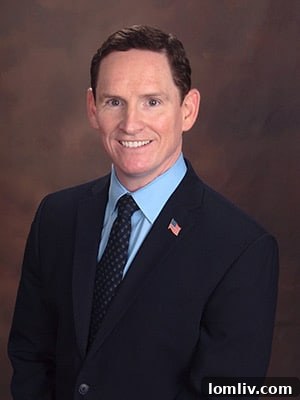
Amidst the grim statistics, Judge Jenkins also shared a beacon of positive news concerning the escalating issue of food insecurity. He announced that the Federal Emergency Management Agency (FEMA) had begun allowing disaster funding to be allocated towards feeding the hungry. This was a critical policy shift, as the economic fallout from the pandemic had dramatically increased the number of individuals and families facing food shortages. “With this unprecedented situation where 70 percent of the people going to the North Texas Food Bank are brand new customers, they’ve relented and allowed money to flow to the food banks,” Jenkins explained. This crucial injection of funds was expected to provide approximately $3 million for local food banks, offering a vital lifeline to countless Dallas County residents struggling with economic hardship.
Expanding Testing and the Path to a Vaccine
A cornerstone of controlling the pandemic was the ability to rapidly test and trace cases. Dallas County was actively working to “dramatically increase [its] testing capacity for COVID-19.” With federal assistance, the goal was to achieve a testing capability of more than 6,000 people per day, coupled with an ambitious one-day turnaround for results. This significant expansion was crucial for understanding the virus’s spread, isolating positive cases, and ultimately allowing for a safer phased reopening of the economy. “Evidence keeps coming in that we are flattening the curve,” Judge Jenkins reiterated, emphasizing that these efforts were yielding measurable results. “It’s important that we don’t waste the sacrifice you’ve made. If we can stay the course, we can get to a point where sooner rather than later we can begin to loosen the restrictions in a safe way … and get back to some semblance of normal. If we don’t do that we’re going to find ourselves in the same rut that we’re in now for a lot longer. Stay the course for a little while longer.” This appeal underscored the delicate balance between public health and economic recovery.
Dr. John Carlo of the Texas Medical Association COVID-19 Task Force provided expert insights into the nature of the virus, describing it as “extremely infectious.” While acknowledging that “For most people, this is a mild illness,” he stressed the critical concern of ensuring adequate hospital capacity for those who develop severe symptoms. “I think we are going to be in this together for some time. Our biggest hope is the vaccine.” The prospect of a vaccine offered the most definitive long-term solution, yet its development and widespread distribution were recognized as a complex and lengthy process. Representative Turner noted that a vaccine might not be available for 12 to 18 months, tempering immediate expectations. However, he offered a glimmer of hope regarding educational continuity, suggesting that students might safely return to classrooms before a vaccine is widely available, “If we can bring this under some level of control.” This nuanced perspective reflected the ongoing scientific efforts and public health strategies being developed to manage the pandemic’s various facets.
Economic Recovery: Jobs and Childcare Support
The economic repercussions of the pandemic were swift and severe, leading to widespread job displacement across many sectors. However, efforts were underway to connect residents with available employment opportunities. Laurie Larrea, CEO of Workforce Solutions Greater Dallas, shared encouraging statistics, reporting that more than 6,800 job referrals were made in approximately a week’s time. “We have paying jobs,” she affirmed, signaling that while some industries faced closures, others were still hiring, particularly in essential services.
Larrea provided a demographic breakdown of those most affected by job losses, noting that the majority were under age 30. This demographic trend was largely attributable to the stringent restrictions placed on the restaurant and service industries, which typically employ a younger workforce. Additionally, the data indicated a disproportionate impact on women and Hispanic individuals, with about 57 percent of displaced workers being female and 35 percent Hispanic. These figures highlighted the need for targeted support and resources for specific community segments.
Beyond job placement, Workforce Solutions Greater Dallas plays a pivotal role as a major purchaser of subsidized childcare in the area. Recognizing the critical need for childcare, especially for essential workers, new funding became available to expand services. This expansion allowed for the accommodation of 7,000 additional children under revised COVID guidelines. A new initiative was also specifically put in place to support the children of essential workers, ensuring that those on the frontlines could continue their vital work with peace of mind regarding their family’s care. More information and resources for job seekers and families in need of childcare could be accessed at www.wsdallas.com, demonstrating a comprehensive approach to economic and social recovery.
Acknowledging the Unsung Heroes of the Pandemic
Throughout the virtual town hall meeting, a consistent theme emerged: profound appreciation for the “heroes” who had risen to the occasion during the pandemic. Each official underscored the invaluable contributions of various groups who selflessly served their communities amidst unprecedented risks. “We want to thank those on the front lines, our health care workers, first responders, teachers, grocery workers and many more who are at the center of helping us get through this,” Representative Turner articulated, encapsulating the collective gratitude.
These frontline workers, from the medical professionals battling the virus in hospitals to the essential employees ensuring access to food and supplies, became the bedrock of community resilience. Their dedication, courage, and tireless efforts provided comfort, care, and essential services that allowed society to function during extraordinary times. Their sacrifices served as a powerful reminder of the interconnectedness of the community and the strength derived from collective action and mutual support.
A Call for Sustained Vigilance and Community Engagement
As Dallas navigated the complex landscape of the COVID-19 pandemic, the message from its leaders was clear: progress had been made, but the journey was far from over. The town hall meeting served not only as an information-sharing session but also as a renewed call to action for every resident. Sustained vigilance, adherence to public health guidelines, and continued community solidarity were identified as the cornerstones for overcoming the crisis and safely transitioning towards a semblance of normalcy. The insights shared by Judge Jenkins, Representative Turner, and other local officials painted a picture of a community working together—adapting, supporting, and looking forward with cautious optimism.
The lessons learned during this challenging period highlighted the importance of robust public health infrastructure, adaptable educational systems, resilient economic support mechanisms, and, most importantly, the profound strength found in community unity. Dallas demonstrated that by staying the course, making informed personal decisions, and supporting its frontline heroes, it could face unprecedented adversity and emerge stronger.
For the most up-to-date local COIVD-19 statistics, residents are encouraged to visit Dallascounty.org, where data is updated daily. To communicate with State Rep. John Turner, you may email [email protected] or call his office at 214-234-7625. Community members wishing to contribute protective equipment and sanitizer for first responders can find information on how to help at dallascountycovid.org. These resources underscore the ongoing need for informed citizenry and active community participation in navigating public health challenges.