Discovering the Enduring Appeal of Monolithic Dome Homes: A Journey into Sustainable Living
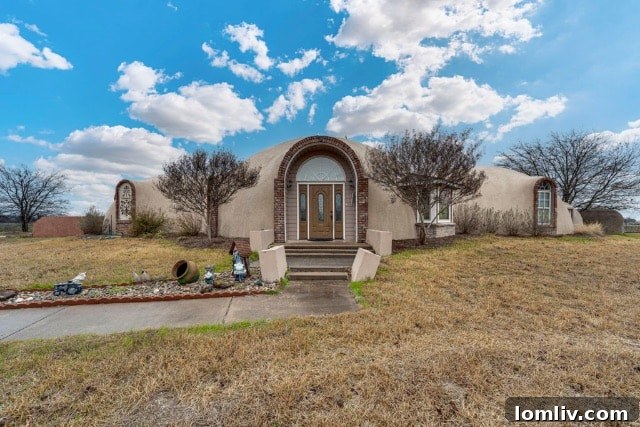
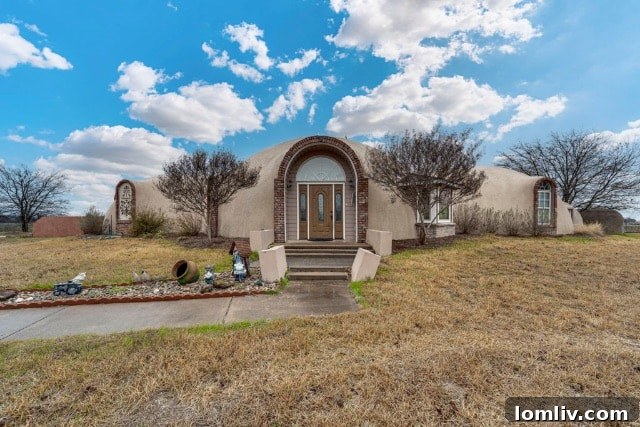
For many travelers along Interstate 35 in Texas, a distinctive sight emerges from the landscape near Italy, Texas: a cluster of dome-shaped structures, including a prominent caterpillar-like building. This isn’t just a quirky roadside attraction; it’s the home of the Monolithic Dome Institute, a pioneering center dedicated to innovative, durable, and energy-efficient architecture. If you’ve never ventured this way, or even if you’ve simply driven past without truly understanding the significance of these unique buildings, prepare to embark on a journey that will redefine your perception of home. We’ll explore the fascinating world of Monolithic Domes, uncover their remarkable benefits, and even take a peek inside a recently listed (now under contract) dome home at 102 Dome Park Place.
The concept of a dome home might conjure images of futuristic living or perhaps even a hobbit-like dwelling. While they are indeed unique, Monolithic Domes represent a practical and robust solution to modern housing challenges, offering unparalleled safety, efficiency, and longevity. Far from being a niche architectural experiment, these structures are gaining global recognition for their resilience against natural disasters and their significantly reduced environmental footprint.
Monolithic vs. Geodesic: Understanding Dome Architecture
Before delving deeper into the specifics, it’s essential to distinguish between the two primary types of dome construction: Geodesic and Monolithic. While both offer a spherical aesthetic, their construction methods and inherent properties differ significantly. As EarthtoDome.com succinctly explains:
“Monolithic domes are fortresses of concrete and polyurethane foam sprayed over round forms. Geodesic domes are made of interconnected triangular panels.”
This fundamental difference gives Monolithic Domes their distinctive strength and seamless integrity. Unlike geodesic domes, which rely on a series of connected panels, Monolithic Domes are built as a single, continuous structure, forming an incredibly strong shell. This monolithic design is key to their extraordinary resilience and energy performance, making them a truly groundbreaking approach to building.
The Monolithic Dome Institute: A Hub of Innovation in Italy, Texas
The little village of domes off I-35 is not just a collection of unusual houses; it’s the headquarters of the Monolithic Dome Institute. This institution is not only where these revolutionary structures are conceived and refined but also where their construction methods are taught and perfected. The process, though seemingly complex, is ingeniously simple at its core, combining advanced materials with fundamental engineering principles to create exceptionally strong buildings.
The Construction Process: Building a Fortress
The construction of a Monolithic Dome is a marvel of efficiency and engineering. As explained by eXp Realty’s Paul Fritz and confirmed by the experts at the Monolithic Dome Institute, the process begins with inflating a large, durable Airform – essentially a giant, custom-sized balloon that forms the shape of the dome. Once inflated and securely anchored, a layer of polyurethane foam is sprayed onto the interior surface of the Airform. This foam provides excellent insulation and a surface for the subsequent layers.
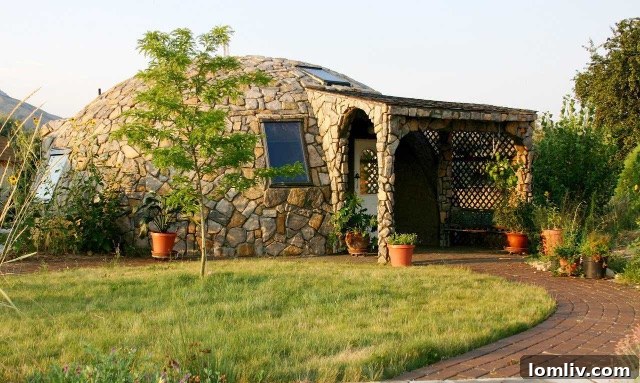
Next, a grid of steel rebar is meticulously installed against the foam. This rebar cage provides the structural reinforcement for the concrete. Finally, shotcrete (sprayed concrete) is applied over the rebar and foam layers, forming a seamless, incredibly strong shell. The thickness of these layers can be customized based on structural requirements and desired insulation levels. The exterior finish can vary widely; while many opt for the natural stucco-like appearance of sprayed concrete, others choose to add lines for a stone look, shingle the dome for a more traditional aesthetic, or apply various paint treatments. This versatility allows for both structural integrity and personalized design, making each dome home truly unique.
Unrivaled Durability and Safety: Designed for Resilience
One of the most compelling aspects of Monolithic Domes is their extraordinary durability and safety. These structures are not just homes; they are essentially fortresses, engineered to withstand extreme weather conditions that would devastate conventional buildings. Their seamless concrete shell, combined with the inherent strength of the dome shape, provides unparalleled protection.
Marilee Byrne, the owner of 102 Dome Park Place and wife of one of the original Dome Institute architects, shared a powerful testament to this resilience. During devastating wildfires in California, firefighters stumbled upon a Monolithic Dome. The family had evacuated, but thoughtfully left their dome unlocked, anticipating it might offer shelter. True to their foresight, the firefighters found refuge inside as the inferno raged around them. Both the firefighters and the dome emerged unscathed, a testament to its fire-resistant properties and structural integrity.
Beyond fire, Monolithic Domes are renowned for their ability to resist tornadoes, hurricanes, earthquakes, and even volcanic activity. Their aerodynamic shape deflects high winds, and the continuous concrete shell prevents structural weaknesses common in conventional framed homes. They are, in essence, tornado shelters by design, offering a level of security and peace of mind that few other residential structures can match. This inherent strength significantly contributes to their long lifespan and minimal maintenance requirements, making them a truly sustainable investment.
Exceptional Energy Efficiency: A Sustainable Lifestyle
In an era where energy costs and environmental impact are paramount concerns, Monolithic Domes stand out as leaders in energy efficiency. Their unique construction and spherical shape contribute to dramatically lower utility bills and a reduced carbon footprint. Gary Clark, Sales Manager at Monolithic, reports that these homes literally use half the energy of traditional homes.
This remarkable efficiency stems from several key factors. The continuous layer of polyurethane foam provides superior insulation, creating an airtight envelope that minimizes heat loss in winter and heat gain in summer. The concrete shell itself acts as a thermal mass, slowly absorbing and releasing heat, which helps to stabilize interior temperatures. The seamless, aerodynamic design also eliminates many of the air leaks common in conventional homes, further enhancing thermal performance.
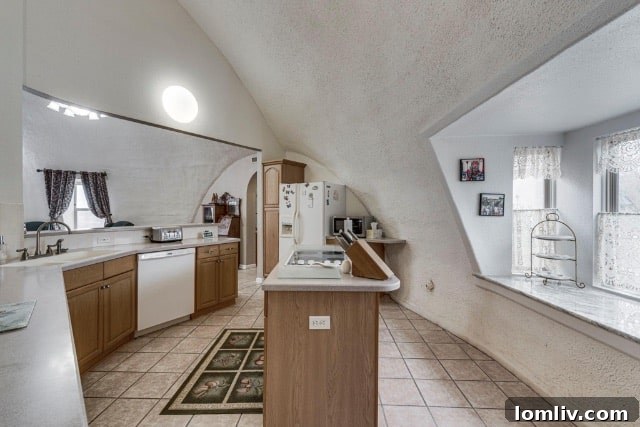
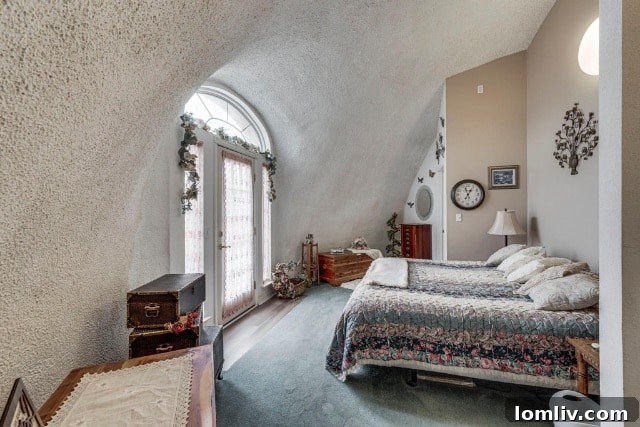
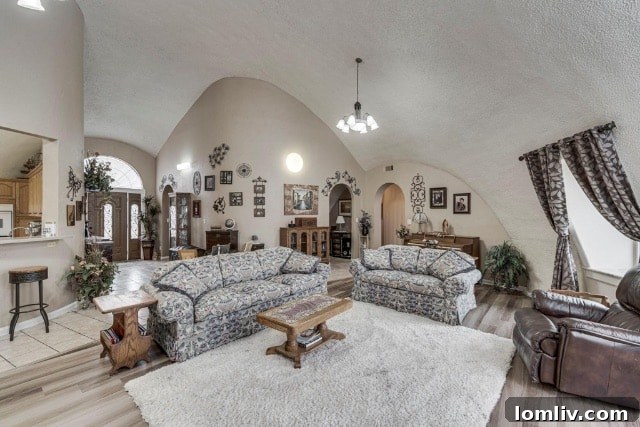
The dome home at 102 Dome Park Place, which features three interconnected domes, exemplifies this efficiency. The main living area, for instance, doesn’t even require dedicated ductwork. The heating and cooling distributed from the adjacent bedroom domes are sufficient to maintain comfortable temperatures throughout the entire structure. This innovative approach to climate control not only saves energy but also simplifies HVAC systems, reducing initial costs and maintenance.
From Potato Shelters to Global Communities: The Monolithic Dome Story
The journey of the Monolithic Dome is as fascinating as the structures themselves. The company began its operations in Idaho in 1977, with its very first project being a practical potato shelter. This humble beginning quickly evolved as requests for dome construction poured in, demonstrating a growing need for durable, efficient, and cost-effective building solutions. Recognizing the need for a more central location that was also conducive to construction and logistics, Monolithic eventually relocated to Italy, Texas, conveniently situated right off Interstate 35 for ease of transport and accessibility.
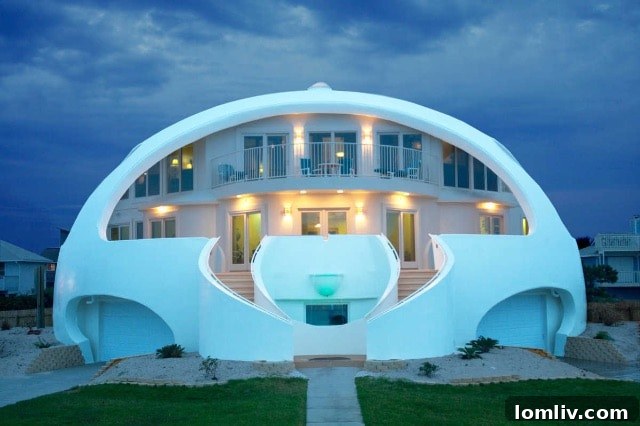
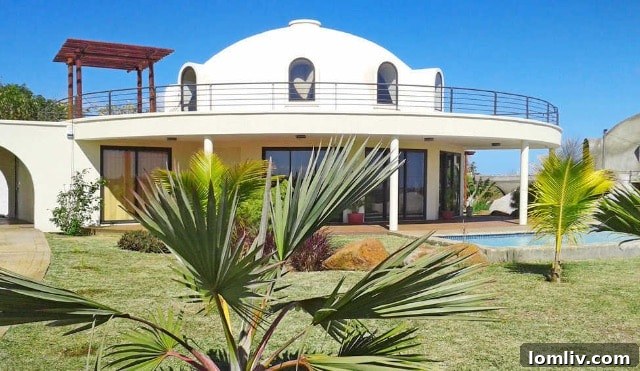
As demand continued to grow, it became clear that the core team couldn’t physically travel the world to build every requested dome. With Monolithic Domes now constructed in all 50 U.S. states and over 62 countries globally, a more scalable approach was needed. This led to the establishment of The Monolithic Dome Institute – the very plot of land featuring the iconic caterpillar building, a unique neighborhood of domes, and the main office. The Institute’s mission is twofold: to serve as a hands-on training ground and a site for continuous architectural experimentation.
When a client purchases a dome, they are invited to the Institute to learn the construction techniques firsthand, often building their own dome on-site under expert supervision. This not only empowers individuals but also fosters a growing community of skilled dome builders worldwide. The dome house at 102 Dome Park Place was itself a product of this innovative spirit, serving as one of the Institute’s early experiments where three membranes were successfully inflated simultaneously for the first time.
The Dome Park Place Community: A Glimpse into Dome Living
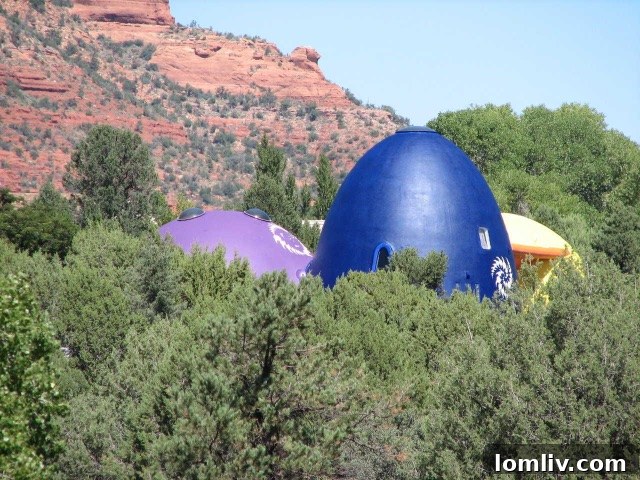
Beyond training and experimentation, the Institute also offers short-term dome rentals. These are essentially efficiency apartments, but packaged in a far more exciting and sustainable form. The popularity is undeniable, with a never-ending waitlist. Once people move into these unique dwellings, they rarely want to leave, drawn by the combination of minimal rental costs and incredibly low utility expenses. This intriguing scenario naturally sparks the question: could Monolithic Domes represent a viable solution for affordable and sustainable housing? The answer, quite possibly, is yes.
Inside the Dome: Dispelling Common Misconceptions
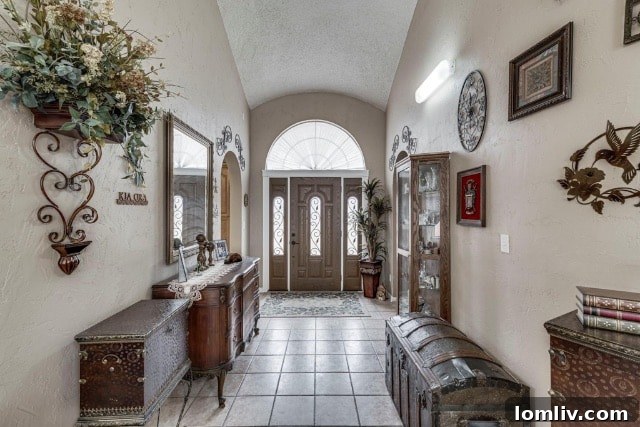
The home at 102 Dome Park Place, designed by Larry Byrne – one of the original architects for the Monolithic Dome Institute – recently went under contract, offering a perfect opportunity to explore the interior of these remarkable structures. Stepping inside a Monolithic Dome often immediately shatters common myths and misconceptions that visitors might hold.
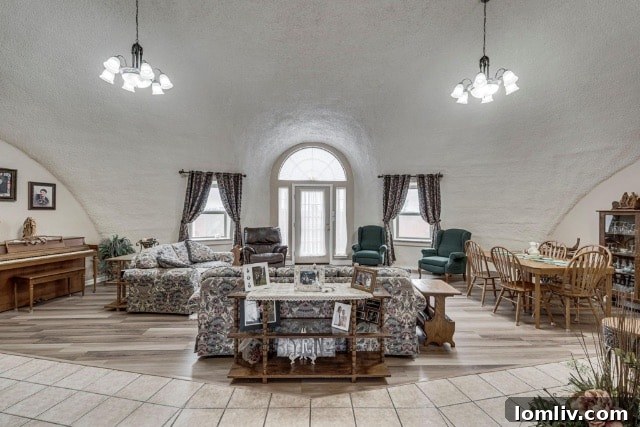
One prevalent misconception is that domes have squat, low ceilings and are inherently dark, devoid of natural light. The reality at 102 Dome Park Place is strikingly different. The ceilings in the main living area soar, easily reaching 12 feet, creating an expansive and airy atmosphere. Abundant natural light floods the space through strategically placed windows, making the interior feel bright and inviting, far from any sense of claustrophobia or gloominess.
Another common belief is that the spherical shape of a dome leads to wasted interior space. This couldn’t be further from the truth. Clever architectural design ensures that every square foot is utilized efficiently. The interior of a Monolithic Dome can be meticulously carved out to accommodate traditional rooms, complete with closets, full bedrooms, utility rooms, and bathrooms, just like any conventional home. While it’s true that some ceilings might gently curve lower at the perimeter of the room, this unique feature often adds to the charm and architectural character, creating cozy alcoves and interesting spatial dynamics rather than wasted space. The curvature is simply an integral part of the design, enhancing its aesthetic appeal and functionality.
Embracing the Dome Life: A Future of Sustainable Living
The world of Monolithic Domes is vast and continually expanding, offering a glimpse into a future of sustainable, safe, and efficient living. From their humble beginnings as potato shelters to their current status as cutting-edge residential and commercial structures worldwide, Monolithic Domes represent a paradigm shift in construction. Their ability to withstand extreme weather, provide unparalleled energy efficiency, and offer flexible design options makes them a compelling choice for individuals and communities seeking resilience and environmental responsibility.
To truly appreciate the global impact and architectural diversity of these structures, a visit to the official Monolithic Dome website is highly recommended. For those captivated by this unique lifestyle, there’s even an official publication dedicated to these incredible homes: Dome Living magazine, brimming with inspiring examples from around the globe. If you prefer to stay updated digitally, you’re invited to opt in for email updates under the delightfully punny header, “Keeping up with the domeses.”
The home at 102 Dome Park Place, listed by Paul Fritz of eXp Realty for $300,000, quickly went under contract, signaling a growing interest in these innovative dwellings. If you’re intrigued by the possibility of owning a Monolithic Dome and wish to explore available options or learn more, reaching out to an experienced agent like Paul Fritz can provide invaluable guidance. Discover the future of housing today and consider embracing the remarkable benefits of Monolithic Dome living.