Navigating Home Buyer Preferences: Are National Trends Truly Universal?
The landscape of home buyer preferences is in a constant state of evolution, driven by shifts in lifestyle, technological advancements, and economic factors. Understanding what potential homeowners prioritize is paramount for builders, real estate professionals, and individuals looking to optimize their properties. In 2018, the National Association of Home Builders (NAHB) conducted an extensive survey, polling thousands of U.S. homebuyers to identify both their “must-have” and “least-wanted” home features. While such national surveys offer a valuable overview, they often spark critical discussion, especially regarding their applicability across diverse regional markets. This article aims to explore the NAHB’s findings, providing a nuanced perspective that highlights how local climates, cultures, and demographics can significantly influence what makes a house a home, particularly from a Southwestern U.S. viewpoint.
There’s no doubt that the NAHB’s survey accurately reported the aggregated wish lists of consumers at a national level. However, housing preferences are inherently regional. What constitutes an essential feature in a bustling urban center might be entirely different from what’s sought after in a sprawling suburban development or a rural community. A single, sweeping national list risks oversimplifying the rich tapestry of demands that shape local real estate markets. For instance, a feature deemed “least wanted” nationwide could still be a cornerstone of desirability in a specific state or city due to unique environmental or cultural factors. Let’s delve into the features homebuyers ranked as most likely to be required, and those they actively avoided, while keeping an eye on these critical regional distinctions.
The Top 10 “Must-Have” Home Features According to NAHB Survey
The following features consistently ranked highest among homebuyers in the 2018 NAHB survey, indicating their widespread appeal and practical value in contemporary living:
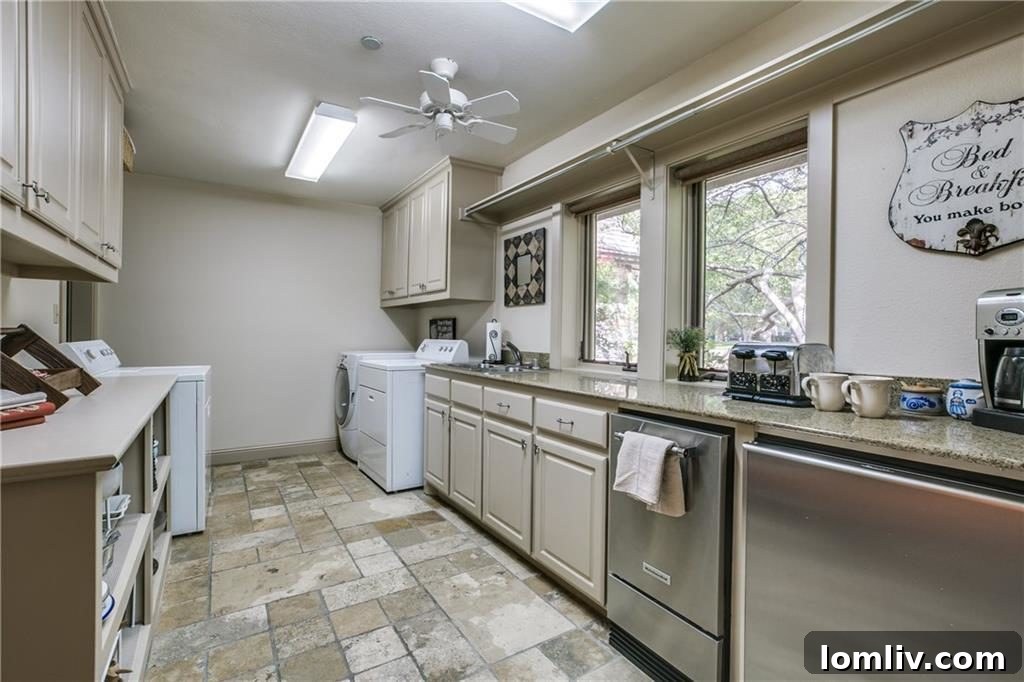
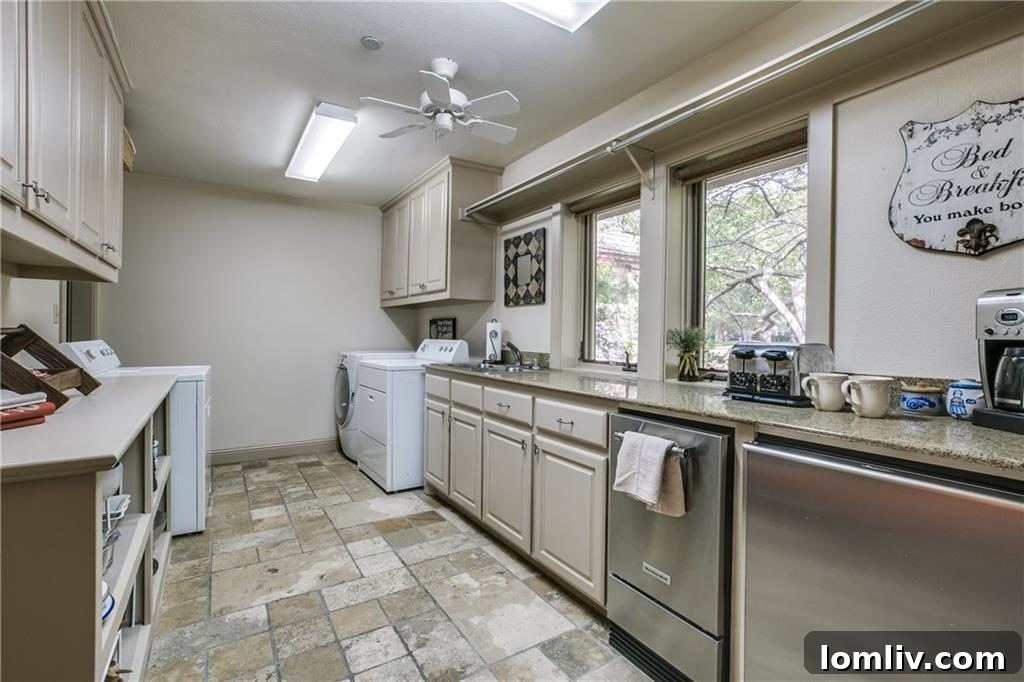
- Dedicated Laundry Room: Far beyond a simple utility closet, a dedicated laundry room offers space for more than just a washer and dryer. It provides valuable countertop space for folding, integrated shelving for supplies, and often a utility sink, transforming a mundane chore into a more organized and contained activity. This dedicated space helps keep household clutter out of sight and minimizes noise in main living areas, making it a highly desirable feature for modern families.
- Low-Energy Windows: In an era of increasing environmental consciousness and rising utility costs, low-energy windows are a critical component of sustainable living. Featuring advanced glazing and often gas fills, these windows significantly improve insulation, reducing heat transfer and leading to substantial savings on heating and cooling bills. They enhance indoor comfort by minimizing drafts and hot spots, making them a smart long-term investment for any homeowner.
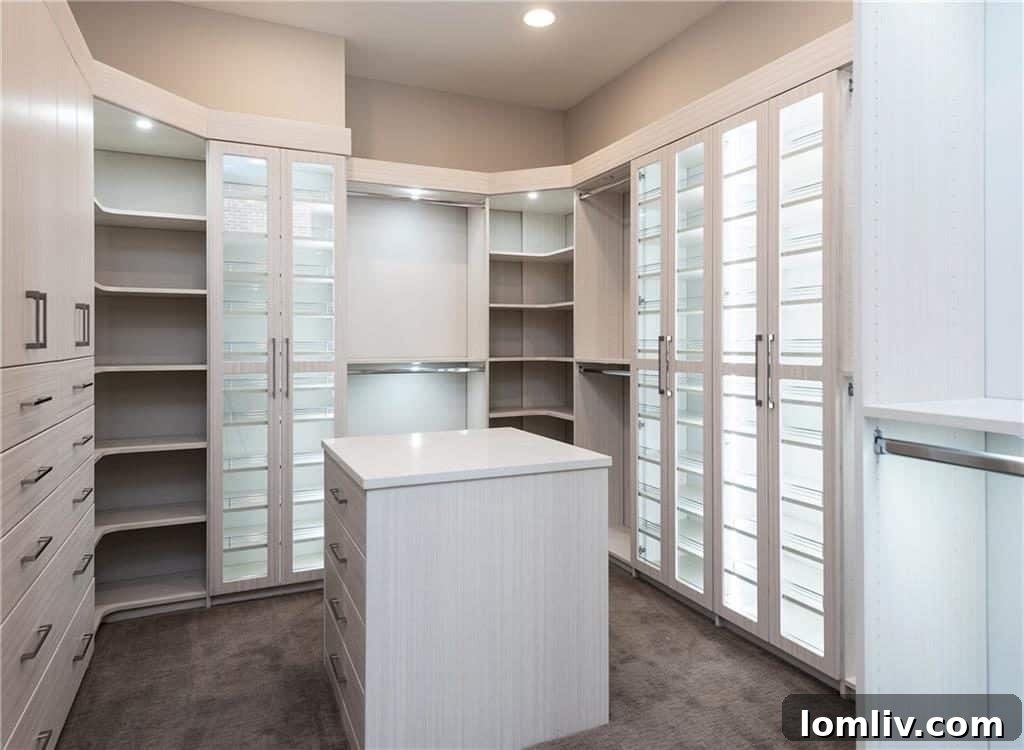
- Walk-in Closet: A staple of luxurious primary suites, walk-in closets offer extensive storage capacity and a feeling of opulence. These spacious areas allow for highly organized clothing, shoes, and accessories, often featuring custom shelving, drawers, and even integrated islands or seating. While considered a modern must-have, generously sized closets have been a hallmark of new constructions in regions with larger home footprints, such as Texas, for many decades.
- Great Room: The great room concept integrates the living room, dining area, and often the kitchen into one expansive, open-plan space. This design fosters a sense of connectivity and facilitates seamless entertaining, making it ideal for family gatherings and social events. Its popularity reflects a preference for fluid, interconnected living areas over traditional, compartmentalized rooms, a design trend that has long been embraced in states known for larger homes and a focus on communal living.
- Programmable Thermostat: As smart home technology becomes more mainstream, programmable thermostats are a highly sought-after feature. These devices allow homeowners to pre-set temperature adjustments throughout the day, optimizing energy use and ensuring comfort. Many modern versions offer remote control via smartphones and integration with other smart home systems, providing both convenience and significant energy savings.
- 9-Foot Ceilings: Taller ceilings create an immediate impression of spaciousness, airiness, and grandeur, making rooms feel larger and brighter. This architectural detail is prized for its aesthetic appeal and the luxurious ambiance it imparts. While often seen as an upgrade, higher ceilings have been a standard in many new home builds in various regions, contributing to a perceived sense of openness and high-end design.
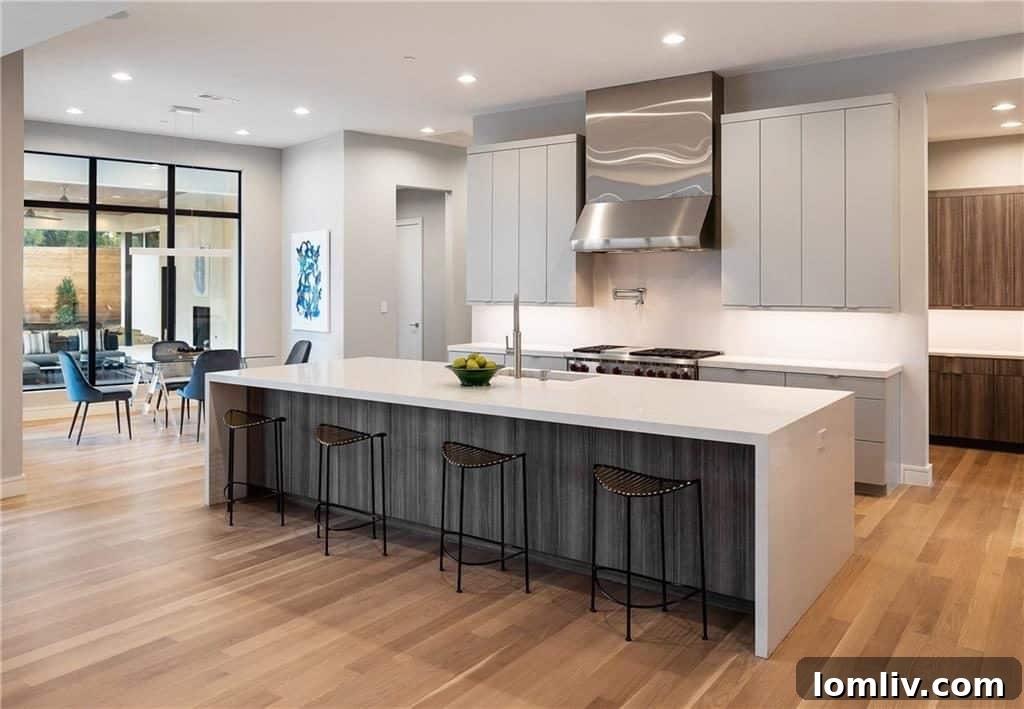
- Kitchen Island: More than just extra counter space, the kitchen island serves as a versatile focal point in contemporary kitchens. It provides additional prep area, casual seating for dining or socializing, and often incorporates extra storage or even built-in appliances. Its multifunctional design and central role in family life make it an almost universal desire for today’s homebuyers.
- Efficient Lighting: Modern homebuyers prioritize lighting that is both functional and energy-efficient. Solutions like LED lighting offer superior illumination, a much longer lifespan, and significantly lower energy consumption compared to traditional bulbs. Beyond energy savings, efficient lighting often includes smart controls, allowing homeowners to customize ambiance and enhance the overall comfort and appeal of their living spaces.
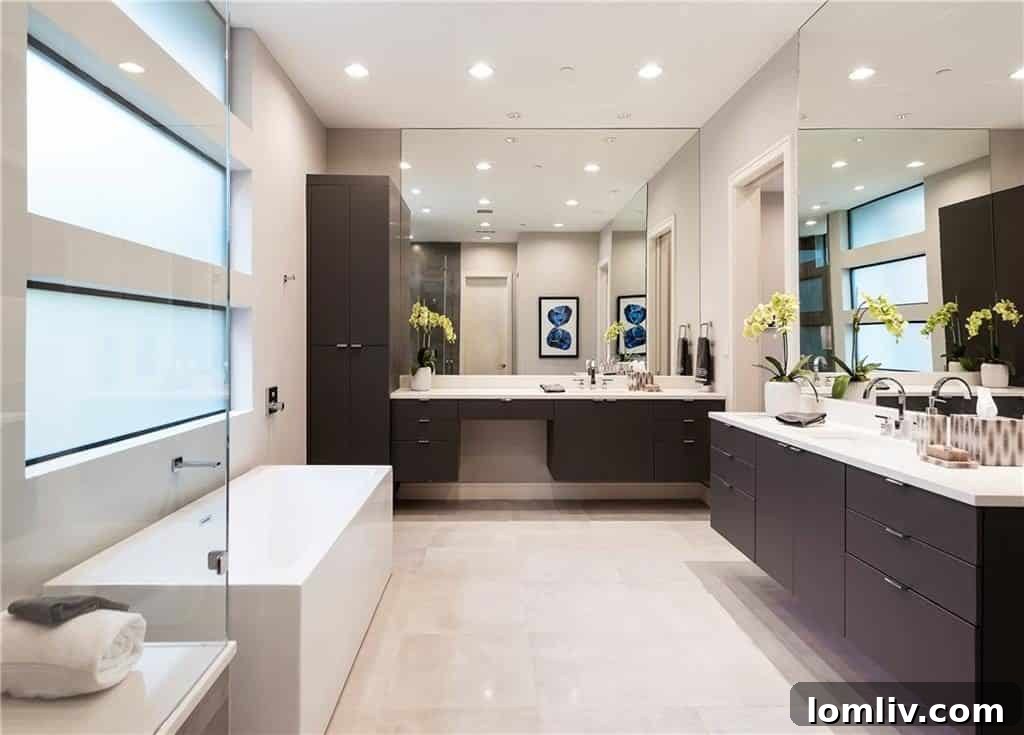
- Granite Countertops: For many years, granite has set the standard for premium kitchen and bathroom surfaces. Valued for its durability, unique natural patterns, and luxurious feel, it continues to be a top choice for homebuyers seeking quality and aesthetic appeal. While alternatives like quartz have grown in popularity, granite still holds a strong association with upscale design and lasting value.
- Energy-Star Appliances: Complementing the demand for overall energy efficiency, Energy Star certified appliances are a practical and responsible choice. These appliances meet strict energy efficiency guidelines set by the U.S. Environmental Protection Agency, resulting in lower utility bills and reduced environmental impact. From refrigerators to washing machines, Energy Star ratings provide assurance of both performance and ecological stewardship.
Challenging the Consensus: The “Least-Wanted” Features and Pronounced Regional Discrepancies
While the “must-have” list generally aligns with modern aspirations, the “least-wanted” features often reveal the sharp contrasts in regional preferences and the rapid pace at which design trends evolve. A feature considered undesirable on a national scale might, surprisingly, remain immensely popular or even essential in specific local markets due to climate, lifestyle, or cultural factors.
The following features were ranked as least desired by survey respondents:
- Cork Flooring: Despite its admirable eco-friendliness, natural warmth, and sound-dampening properties, cork flooring often struggles to gain widespread appeal. Its susceptibility to scratches, dents, and water damage, coupled with a distinct aesthetic that doesn’t universally appeal, contributes to its lower ranking. Many buyers opt for the superior durability and diverse appearance of hardwood, engineered wood, or tile.
- Solar Water Heater: While representing a highly efficient and environmentally sound approach to water heating, the initial installation cost and perceived maintenance complexity of solar water heaters can deter many buyers. Their appeal is heavily influenced by geography, flourishing in consistently sunny climates like Phoenix or Palm Springs where efficiency is maximized and local incentives may sweeten the deal, but less so in regions with less solar exposure or higher upfront investment.
- Geothermal Heat Pump: Geothermal systems are celebrated for their exceptional energy efficiency in heating and cooling, leveraging the earth’s stable temperatures. However, the substantial upfront investment required for installation, coupled with a relatively long payback period, often makes them a difficult sell for typical homebuyers who might prioritize immediate cost savings over longer-term recoupment, despite the significant environmental benefits.
- Dual Master Bath Toilets: This specific feature, offering individual toilet enclosures within a shared master bath, can be polarizing. While some might value the added privacy, it often falls on the “least wanted” list due to spatial efficiency concerns or simply a perceived lack of necessity. However, this point highlights a potential misinterpretation; the broader demand for dual master suites or thoughtfully designed private toilet areas, especially for multi-generational living or aging populations, remains quite strong.
- Laminate Countertops: Once a prevalent, cost-effective choice, laminate countertops have largely been overshadowed by the enduring popularity of natural stone (granite) and engineered stone (quartz). While contemporary laminates have improved significantly in aesthetics and durability, they still carry a perception of being less premium and more prone to wear compared to their stone counterparts, a market sentiment that has persisted for decades.
- Pet-Washing Station: A specialized amenity, a dedicated pet-washing station caters to a very specific niche of pet owners. For many others, however, it represents a potentially underutilized space. A more versatile outdoor shower or a multi-purpose utility sink might be preferred, offering flexibility for various tasks rather than a single-purpose station that occupies valuable real estate.
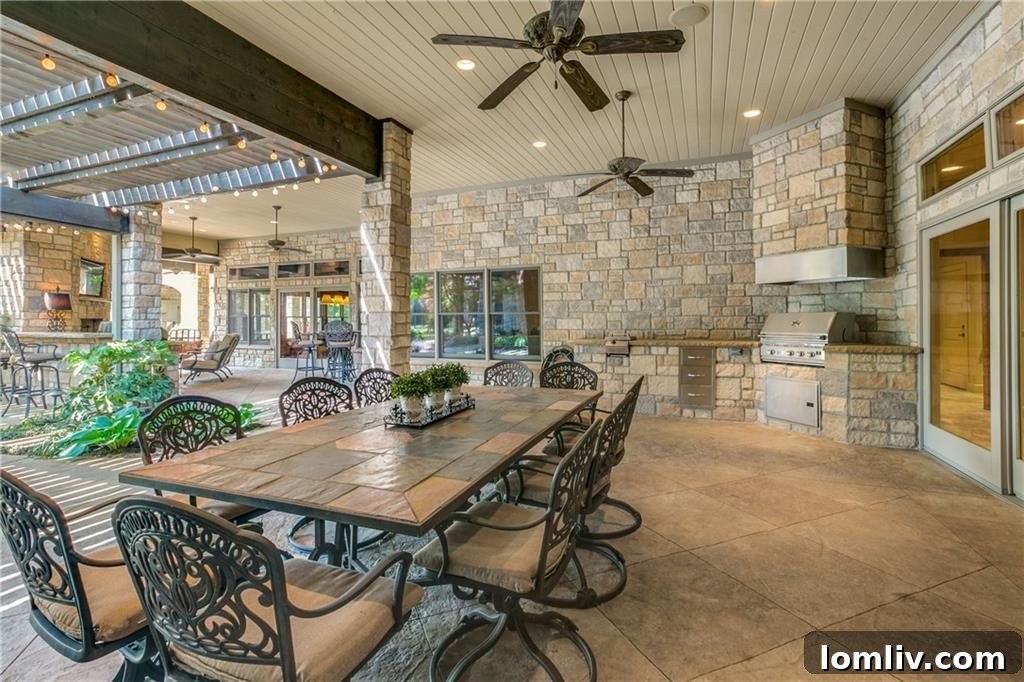
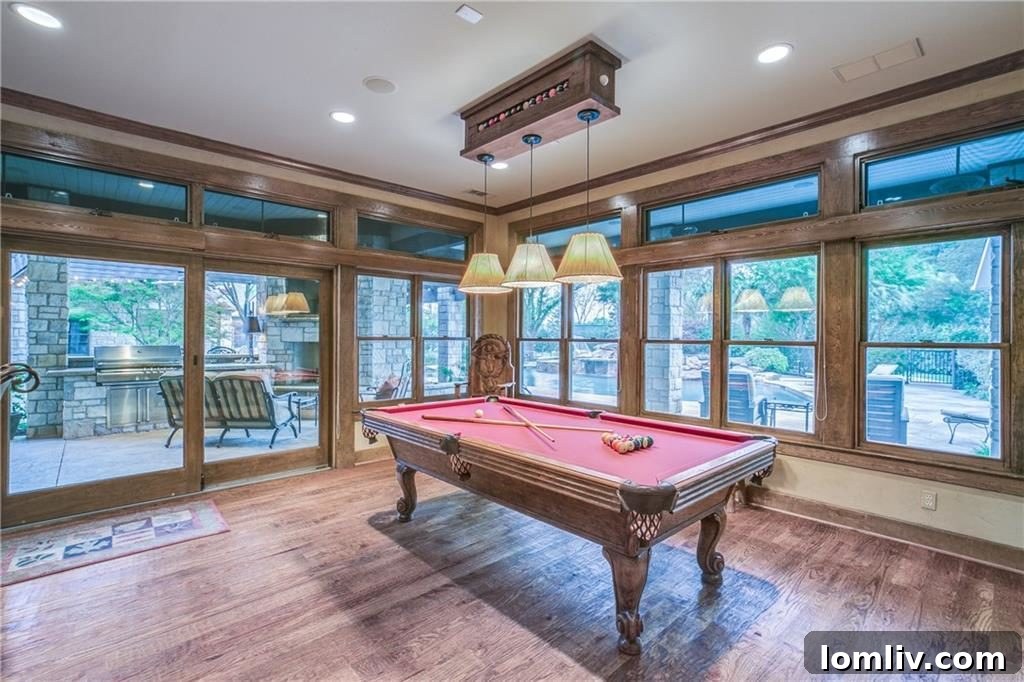
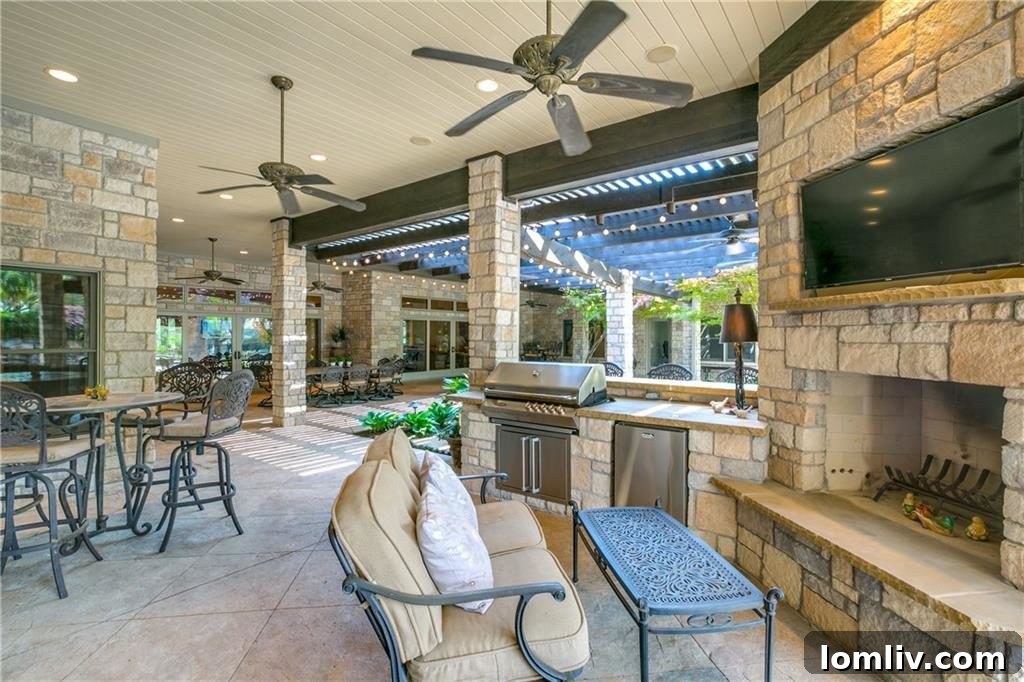
- Outdoor Kitchen: This is arguably one of the clearest examples where national trends diverge sharply from regional realities. While it might rank lower nationally, an outdoor kitchen remains an incredibly popular, even essential, feature in climates conducive to year-round outdoor living, such as Dallas, Texas. Homeowners in these areas view outdoor kitchens as a seamless extension of their living and entertaining space, now frequently featuring advanced amenities like automatic screens and sophisticated cooking equipment.
- Sunroom: The term “sunroom” can sometimes evoke images of outdated, inefficient additions. However, the concept of a bright, naturally lit space that blurs the lines between indoor and outdoor living remains highly desirable. Modern interpretations, often termed “loggias” or “four-season rooms,” offer similar benefits with updated aesthetics, improved energy efficiency, and enhanced functionality, suggesting that it’s often a matter of contemporary design and branding rather than a rejection of the idea itself.
- Outdoor Fireplace: Similar to outdoor kitchens, an outdoor fireplace is a highly coveted feature in many regions, particularly across North Texas, where it creates a warm, inviting ambiance for cooler evenings and social gatherings. Its inclusion on a national “least wanted” list likely reflects concerns about cost, maintenance, or regional climate limitations in colder areas. However, it’s worth noting that in regions like California, strict regulations and climate change concerns have indeed led to a significant decline in demand for all types of fireplaces, indoors and out.
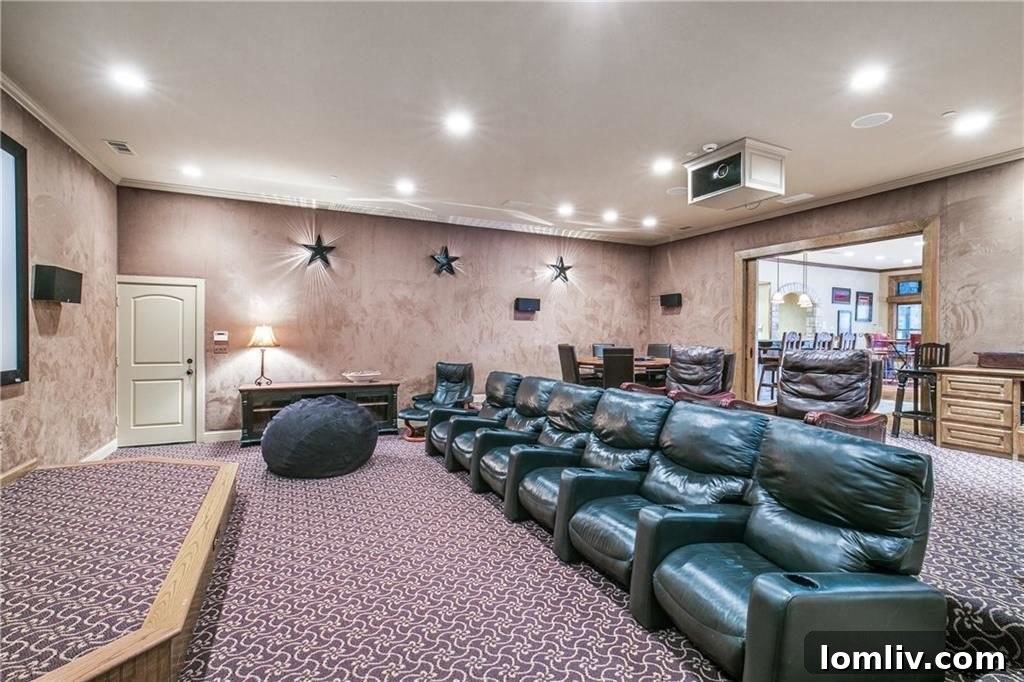
- Media Room: Dedicated media rooms, once a symbol of luxury and cutting-edge home design, have seen a decline in demand. The proliferation of large, high-definition flat-screen televisions and advanced sound systems that integrate seamlessly into great rooms and living areas has rendered a separate, specialized media room less necessary. Many buyers now prefer open-concept entertainment spaces that foster interaction rather than secluded, single-purpose rooms, a trend that has been evolving for several years.
Beyond the Lists: Emerging Needs and the Power of Personalization
The conversation around essential home features extends well beyond these standardized lists, highlighting the increasing demand for customization and adaptability. For instance, a reader recently shared a strong preference for dual master suites – a feature often overlooked in broad surveys, yet one that addresses significant contemporary needs. This growing demand stems from trends like multi-generational living, accommodating adult children who return home (“boomerang kids”), or leveraging property for short-term rental income. These scenarios emphasize the need for independent living spaces within a single home, offering privacy and flexibility for diverse family arrangements.
A compelling example shared by another homeowner further illustrates this point: “We undertook a renovation a few years ago where we added a senior-friendly in-law suite. It was designed beautifully, incorporating essential safety features like doorways wide enough for a walker, a spacious ‘luxury’ shower with a slight sloping ‘roll-in’ entry and movable shower heads, and strategically placed skylights to minimize the need to fumble for light switches at night. We included numerous built-ins for efficient storage, all packed into under 800 square feet. This space is perfect for seniors, boomerang children, or even as a rental unit if local codes permit. It makes far more practical sense than, say, an outdoor kitchen for our specific needs!”
This detailed account vividly demonstrates the critical role of adaptable, functional spaces tailored to specific life stages and family structures. Such a suite offers independence and comfort for aging parents, provides a private sanctuary for adult children, or serves as a lucrative income stream. It’s a powerful testament to how creative, thoughtful design can meet complex and evolving needs within a relatively compact footprint, prioritizing thoughtful utility and long-term value over purely aesthetic or fleeting trend-driven choices.
These examples underscore that while national surveys provide a useful baseline, they can often miss the subtle yet significant shifts occurring within specific communities and among particular demographics. Real estate is fundamentally local, and what truly constitutes a “must-have” or “least-wanted” feature is deeply intertwined with regional climate, local culture, lifestyle priorities, and economic conditions. A hot, sunny climate will naturally drive robust demand for expansive outdoor living spaces, whereas colder regions might prioritize cozy, well-insulated indoor amenities. Similarly, areas with a higher percentage of multi-generational households will undoubtedly show a greater demand for adaptable floor plans or separate living quarters.
Conclusion: The Ever-Evolving Home and the Value of Local Insights
Ultimately, the definition of an ideal home is highly personal and profoundly regional. While national surveys offer a valuable macroscopic perspective, they should serve as a starting point for discussion, not the definitive word. Builders, homebuyers, and sellers alike must look beyond generic national lists and attune themselves to the specific pulse of their local markets.
Understanding these intricate dynamics is absolutely key to successful home building, astute buying decisions, and effective property marketing. We are actively engaging with our network of preferred home builders to gather their latest observations on current buyer demands and emerging trends right here in our area. We extend a sincere invitation to you, our valued readers, to contribute your insights to this ongoing conversation. Do you agree or disagree with the NAHB’s findings, especially concerning your own region and personal preferences? What features do you consider truly essential in your dream home, and what would you deem entirely dispensable? Share your thoughts, experiences, and local perspectives in the comments below – your input is invaluable in shaping a more comprehensive understanding of the modern homebuyer’s constantly evolving wish list.