Colorado’s Cannabis Boom: Is Legal Toking Getting Real Estate Smoking Hot?
A deep dive into how Amendment 64 transformed the Centennial State’s property landscape.
Kathryn Olson/AP
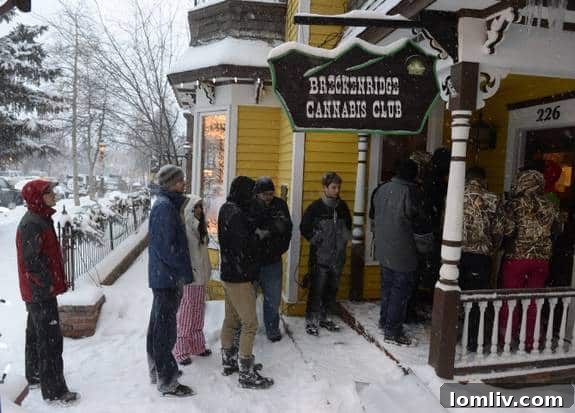
When Colorado became one of the first states in the United States to legalize recreational marijuana sales in 2014, the world watched with keen interest. Would the “Rocky Mountain High” translate into a genuine economic boom, or would it lead to unforeseen challenges? Nearly a decade later, the answer for many sectors, particularly the real estate market, appears to be a resounding yes. The initial buzz surrounding dispensaries like the Breckenridge Cannabis Club, often characterized by lines stretching out the door, was just the beginning of a fascinating economic and social transformation. This pioneering move not only positioned Colorado at the forefront of cannabis culture but also ignited a dynamic shift in its property markets, influencing everything from residential housing to commercial warehouses and burgeoning tourism infrastructure.
The legalization of recreational cannabis, ushered in by the passage of Amendment 64, was far more than just a social policy change; it was an ambitious economic experiment. What began as a novel concept quickly matured into a multi-billion-dollar industry, creating thousands of jobs, generating significant tax revenue for public services, and profoundly influencing the state’s demographics and investment landscape. This widespread ripple effect has been particularly pronounced in Colorado real estate, where the demand for various property types has surged, pushing property values upwards and attracting a new wave of investors, entrepreneurs, and residents to the Centennial State.
The Dawn of a New Era: Cannabis and Colorado’s Economy
Prior to 2014, the concept of a thriving, legal cannabis industry seemed distant and speculative. Colorado’s audacious decision to permit recreational sales marked a pivotal moment, transforming what was once a clandestine black market commodity into a legitimate, regulated, and taxed industry. This paradigm shift immediately began to impact local economies across the state. Towns, particularly those with a robust tourism presence or strong agricultural roots, witnessed the rapid emergence of new businesses, ranging from large-scale cultivation centers to small retail dispensaries and a host of ancillary services, including edibles manufacturers, testing laboratories, and security firms.
The economic impact of this nascent industry was multifaceted and far-reaching. Tax revenues derived from cannabis sales quickly escalated, contributing hundreds of millions of dollars annually to state and local coffers. These funds were allocated to vital public services, educational programs, and critical infrastructure projects, providing a significant boost to the overall economy. This influx of capital naturally stimulated local economies, fostering substantial job creation across all segments of the cannabis supply chain—cultivation, processing, distribution, and retail. As new businesses flourished, so too did the demand for skilled and unskilled labor, attracting talent from both within Colorado and from other states. This demographic shift, driven by attractive job opportunities in a rapidly expanding sector, became a crucial underlying factor in the evolving real estate market dynamics.
Residential Real Estate: A Green Rush for Homebuyers and Renters
The most immediate and discernible impact of the cannabis boom on the real estate sector was felt within the residential market. As the legal cannabis industry expanded, it generated a substantial number of new employment opportunities. Workers, spanning a wide range from entry-level cultivators and retail associates to high-earning executives and specialized technicians, all required places to live. This increased demand for housing, encompassing both rental units and properties for sale, became particularly acute in areas proximal to major cultivation facilities and popular dispensary hubs. Consequently, this surge in demand naturally led to rising property values and increased rental rates across many Colorado communities.
Major metropolitan areas like Denver and Boulder, alongside smaller, picturesque mountain towns renowned for their cannabis-friendly environments, experienced intensified competition within their housing markets. Landlords found themselves with a consistent stream of prospective tenants, while home sellers benefited from a larger pool of eager and often well-financed buyers. This phenomenon was not exclusively limited to direct employees of the cannabis industry. The broader economic revitalization, further spurred by cannabis tax revenues and increased tourism, attracted other professionals and businesses to the state, further amplifying the demand for housing across various price points and demographics.
The Breckenridge Effect: Mountain Towns Feel the Heat
Breckenridge, a picturesque mountain resort town, stands as an excellent case study of this impact. As subtly hinted by the bustling queues at the Breckenridge Cannabis Club, the town rapidly transformed into a magnet for “cannabis tourists” and individuals seeking a lifestyle aligned with the newly legal freedoms. This continuous influx of visitors and new permanent residents placed considerable strain on an already tight housing market. Property values in Breckenridge and similar mountain communities experienced significant surges, driven by both their traditional appeal as resort destinations and the added draw of legal cannabis. Astute investors began to view properties not merely as vacation homes, but as valuable potential short-term rentals catering specifically to the growing demographic of cannabis-curious tourists.
However, this rapid appreciation in real estate values also brought with it significant challenges. Affordability became a pressing concern for long-time residents, essential service workers, and seasonal employees, prompting discussions about innovative housing initiatives and potential rent control measures in some areas. While the “green rush” undoubtedly brought unprecedented prosperity, it also exacerbated existing housing supply issues, a common narrative in rapidly booming economies where demand outstrips available inventory.
Commercial Real Estate: Cultivating New Opportunities
Beyond the residential sphere, Colorado’s commercial real estate market underwent an even more dramatic and specialized transformation. The burgeoning cannabis industry required diverse and specific types of spaces for every stage of its elaborate supply chain:
- Cultivation Facilities: Large warehouses, expansive industrial parks, and agricultural land became prime targets for cannabis growers. These facilities often required significant capital investment and specialized upgrades, including advanced HVAC systems, sophisticated lighting setups, robust security measures, and strict environmental controls. This demand created a boom for industrial real estate developers and contractors capable of retrofitting existing structures or constructing new, purpose-built cultivation sites compliant with stringent regulations.
- Processing and Manufacturing Plants: Spaces dedicated to extracting cannabis oils, producing edibles, infusing beverages, and packaging final products also experienced a surge in demand. These operations typically required industrial zoning and specialized infrastructure, similar to cultivation sites but often with different regulatory and safety considerations due to the nature of the products.
- Retail Dispensaries: High-visibility retail locations, particularly in bustling urban centers, tourist hot spots, and conveniently accessible suburban areas, became highly sought after. Landlords with properties in desirable commercial zones found themselves fielding numerous inquiries from prospective dispensary owners often willing to pay premium rents. Strict municipal zoning laws often dictate where dispensaries can operate, making compliant and well-located properties even more valuable and competitive.
- Ancillary Businesses: The broader ecosystem supporting the cannabis industry extended to specialized testing laboratories, security firms, legal offices specializing in cannabis law, marketing agencies, and hydroponic supply stores. Each of these supporting businesses required appropriate office space, laboratory facilities, or retail fronts, further diversifying and intensifying the demand within the commercial real estate sector.
This unprecedented surge in demand for commercial spaces, particularly within the industrial and retail segments, led to significant appreciation in property values and rental rates. Investors who foresightfully recognized the potential of this emerging market early on were able to capitalize on this niche, transforming underutilized warehouses and storefronts into highly profitable assets within the burgeoning cannabis economy.
The Rise of Cannabis Tourism and Strategic Investment
Colorado’s legal cannabis status rapidly established it as a premier destination for “cannabis tourism” on a global scale. Visitors from states and countries where marijuana remained illegal flocked to experience the novelty and convenience of legal purchasing and consumption. This new and distinct demographic profoundly impacted the hospitality and short-term rental markets. Properties located near dispensaries, popular tourist attractions, or ski resorts saw increased booking rates and higher occupancy, leading many property owners to convert traditional long-term rentals into more lucrative short-term vacation rentals specifically targeting this expanding market segment.
Shrewd investors keenly observed this evolving trend. Acquiring property in key tourist areas with the explicit aim of renting it out to cannabis tourists became a highly viable and attractive investment strategy. This added a unique and compelling layer to the already dynamic Colorado real estate investment landscape, drawing capital from across the country and even internationally. The allure of a “Rocky Mountain High” extended far beyond personal consumption; it became a powerful catalyst for substantial real estate investment and innovative development, significantly driving up demand for properties suitable for lodging, entertainment, and related services.
For more detailed insights into how getting your Rocky Mountain High might translate into higher real estate sales and investment opportunities, you can explore comprehensive analyses on SecondShelters.com, which closely monitors the evolving landscape of real estate driven by these unique market forces.
Navigating Challenges and Federal Discrepancies
Despite the undeniable economic boom and transformative impact, the Colorado cannabis real estate market has not been without its complexities and inherent challenges. The persistent discrepancy between state-level legality and federal prohibition presented, and in many ways continues to present, significant hurdles. Access to traditional banking services, including business loans and mortgages, remained exceedingly difficult for cannabis businesses. This fundamental issue impacted their ability to secure conventional financing for property acquisition, development, and operational expansion. Consequently, many businesses and investors were often compelled to operate primarily with cash or seek alternative, often more expensive or less secure, financing solutions.
Furthermore, the regulatory environment surrounding cannabis continued to evolve rapidly. Zoning laws, licensing requirements, operational guidelines for cannabis businesses, and even packaging standards underwent periodic revisions and updates. This fluid regulatory landscape necessitated that property owners and tenants remain agile, adaptable, and meticulously compliant to avoid legal repercussions and maintain their business licenses. The lingering social stigma associated with cannabis, though gradually diminishing, also played a role in some communities, influencing local policies, public perception, and the willingness of certain property owners or lenders to engage with the industry.
Moreover, the initial “gold rush” phase inevitably led to market maturation and increased competition. While early investors often realized significant returns, the market has become considerably more sophisticated and competitive. Success now requires detailed market analysis, strategic planning, and a deep understanding of market trends and consumer preferences. The long-term sustainability of rapid growth, the potential for market saturation, and the ultimate impact of future federal legalization (or the continued lack thereof) remain critical considerations for anyone involved in long-term real estate investment within the cannabis sector.
The Long-Term Outlook: A Maturing Market and Future Trends
Looking ahead, Colorado’s cannabis real estate market continues its dynamic evolution. While the initial period of explosive, unprecedented growth may have naturally tempered, the industry remains a robust, integral, and deeply entrenched part of the state’s economy. The current focus is shifting from rapid expansion to optimization, consolidation, and strategic diversification. This refined approach translates into a continued and sustained demand for high-quality, efficient cultivation facilities, strategically located and aesthetically pleasing retail spaces, and specialized processing plants capable of adapting swiftly to changing consumer preferences, technological advancements, and evolving regulatory landscapes.
The invaluable lessons learned in Colorado have also served as a comprehensive blueprint and case study for other states across the nation that are considering or actively implementing similar cannabis legalization measures. The intricate and symbiotic relationship between cannabis legalization and the real estate market is now much better understood, offering crucial insights into effective zoning strategies, accurate market demand forecasting, and innovative investment approaches. Colorado has unequivocally demonstrated that legal cannabis can indeed be a golden commodity, not solely for dispensaries and direct industry players, but for the broader real estate market, driving innovation, attracting significant investment, and fostering substantial, ongoing economic activity.