As the conversation around climate change and energy independence intensifies, Dallas homeowners are increasingly seeking innovative ways to reduce their environmental footprint while simultaneously enjoying significant financial savings. The appeal of energy-efficient homes and eco-friendly solutions, such as solar panels, is rapidly growing across North Texas. However, experts emphasize that true sustainability and cost-effectiveness extend far beyond rooftop solar installations, beginning with the fundamental construction of a home.
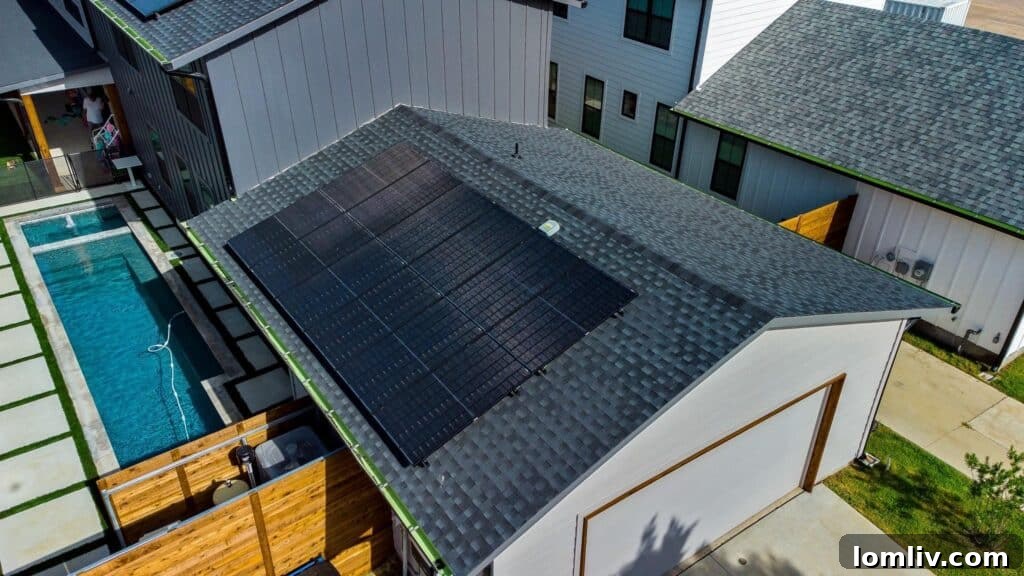
A major catalyst in this shift towards greener living is the landmark Inflation Reduction Act (IRA). Signed into law by President Joe Biden, this ambitious legislation earmarks $369 billion for climate spending, representing the largest investment of its kind in U.S. history. A key provision of the IRA allows households installing solar panels to claim a substantial 30 percent tax credit on the total cost. This incentive is designed not only to bolster energy security but also to significantly reduce consumer electric bills, making sustainable living more accessible and attractive for families nationwide.
While the widespread adoption of solar technology is undoubtedly beneficial, some local builders argue that it’s merely one piece of a much larger puzzle. They contend that while solar energy offers critical support to the power grid, a truly energy-efficient and sustainable home requires a comprehensive, integrated approach from the ground up.
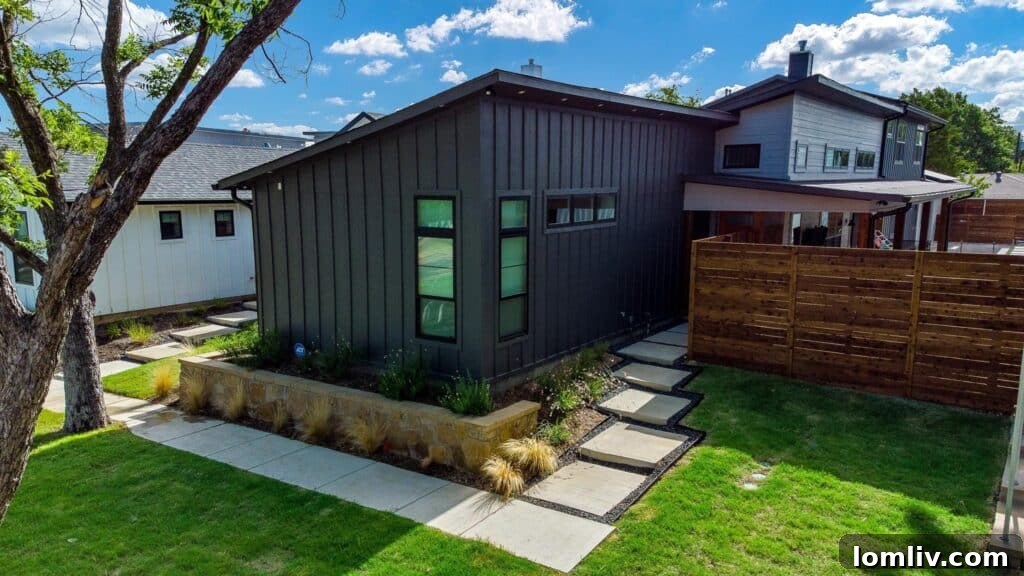
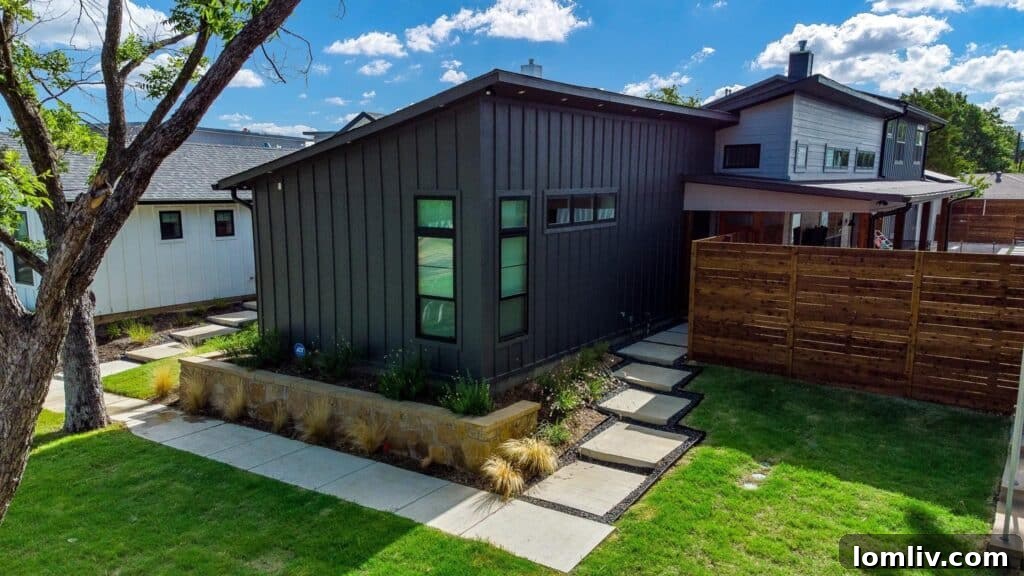
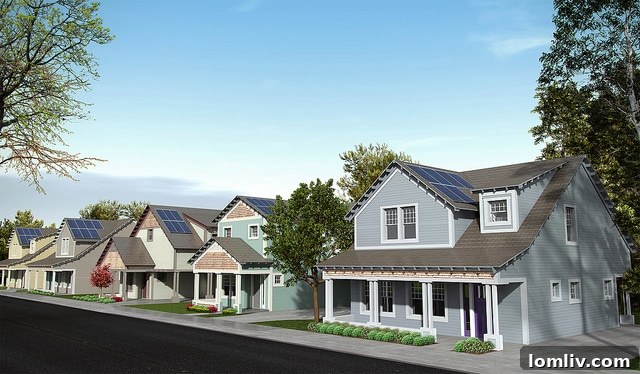
Alan Hoffmann, a prominent figure in Dallas’s sustainable home-building community, exemplifies this holistic philosophy. As a leader in crafting energy-efficient residences, his Abode at White Rock Lake development showcases a blend of cutting-edge features. These include convenient car-charging stations for electric vehicles, carefully selected energy-efficient materials, high-performance windows designed to minimize heat transfer, and robust concrete-insulated walls. Hoffmann asserts that while solar panels are undeniably important, the true art of energy efficiency lies in seamlessly tying together multiple components to create a resilient, low-impact living space.
“Solar panels are extremely important, and their impact on our region’s growth has been undeniable,” Hoffmann stated, reflecting on the rapid expansion of solar adoption. “Without solar, our energy infrastructure would be under immense strain. It has significantly supported and improved the performance of the grid, which is why utility providers like Oncor offer rebates. Energy companies are increasingly embracing green building practices because they are evolving into broader energy solution providers. As demand escalates in the coming years, we are witnessing remarkable technological breakthroughs, including superior batteries and a reduction in lithium dependency. This isn’t an energy scarcity problem; it’s a technology problem that we are actively solving.”
The Imperative of Going Green: Pioneering Sustainable Construction
Alan Hoffmann’s journey as an environmental advocate and innovator in construction dates back decades. As the founder and president of 4Tree Development LLC, a respected member of Dallas’s environmental commission, and a vocal leader in the environmental building movement, Hoffmann earned distinction as the first builder to introduce concrete forms to North Texas in 1995. This pioneering move set a new standard for durability and efficiency, a legacy that continues to shape his projects today.
A shining example of Hoffmann’s vision is his personal residence at 2111 Autumn Sage Place, which was recently featured on the prestigious Dallas Builders Association Parade of Homes. This remarkable home showcases a suite of innovative features designed for ultimate efficiency and resilience. It boasts thick, thermal mass walls that naturally regulate indoor temperatures, strategically placed breezeways for enhanced natural ventilation, and elegant whitewashed cement finishes that reflect solar heat. Beyond aesthetics and efficiency, the home prioritizes safety, incorporating a pantry that doubles as a storm room, along with an additional dedicated storm shelter/panic room. Furthermore, three homes within the Abode development actively capture rooftop rainwater in an above-ground cistern, which is then used to irrigate the entire site, demonstrating a commitment to water conservation. The tangible benefits of this integrated design are astonishing: during a summer month with consistent 100-degree days, the electric bill for the Autumn Sage home was a mere $80.
While the Inflation Reduction Act will undoubtedly accelerate the adoption of solar panels, Hoffmann unequivocally emphasizes that foundational energy efficiency begins with superior concrete insulation. “That’s truly the biggest bang for your buck,” he explains. “I essentially build giant Yeti coolers disguised as homes. The core principle is simple: the lower the BTU consumption you require, the less energy input you need to maintain comfortable indoor temperatures. This translates to less AC tonnage required and a significantly lower amount of energy needed to power that tonnage. We then leverage these savings to invest in even better, more efficient equipment. The real money-saving advantage comes at the start-up phase. Every time the compressor kicks on, less energy is expended to get the system running optimally. This allows you to run your AC system not at 100 percent capacity, but perhaps at a far more efficient 20 percent capacity, dramatically reducing energy waste.”
Hoffmann Homes are rigorously certified under multiple esteemed programs, including the Department of Energy’s Net Zero Ready Program, the Energy Star Program, and Green Built Texas. These certifications are a testament to their unwavering commitment to constructing homes that meet the highest standards of energy efficiency and environmental responsibility.
Despite the evident benefits, Hoffmann often encounters homebuyers who desire his energy-efficient homes but sometimes hesitate at the initial investment. A three-bedroom spec home in the Abode at White Rock development, for instance, is priced around $949,000. While the upfront cost might seem higher than conventional builds, the long-term savings are compelling. As Hoffmann reiterates, the July electric bill for his Autumn Sage home was only $80, a powerful illustration of the return on investment. “You wouldn’t buy a Ferrari and put cheap tires on it,” Hoffmann quips, drawing an analogy to the importance of investing in foundational quality. “It has always both amused and confused me that Dallas is such a high-tech town, where people eagerly embrace the latest gadgets and technological advancements in their daily lives, yet often resist incorporating that same forward-thinking approach into their homes. Change, whether beneficial or not, often faces resistance. However, by committing resources to advanced building technology, we can collectively drive down prices and make these sustainable solutions more accessible for everyone.”
Maximizing Home Energy Savings: Beyond the Initial Investment
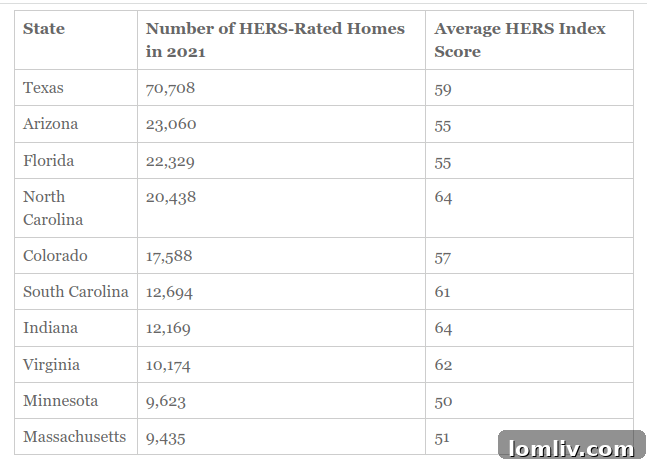
The commitment to energy efficiency is gaining significant traction across the nation, and Texas is at the forefront of this movement. A recent builderonline.com report highlighted Texas as the leading state with an impressive 70,708 homes boasting a Home Energy Rating System (HERS) Index Score. This score serves as the industry standard for measuring a home’s energy efficiency, with lower scores indicating better performance. Texas’s top ranking underscores a growing awareness and adoption of sustainable building practices within the state.
The new Inflation Reduction Act significantly expands on existing incentives, making it easier and more affordable for homeowners to invest in energy-efficient home improvements. Beyond the substantial 30 percent tax credit for solar panel installations, the legislation offers credits for a range of other crucial upgrades. These include high-efficiency heat pumps, advanced insulation solutions, and innovative battery storage systems. The combined effect of these incentives and upgrades translates into tangible financial relief for homeowners. According to Rewiring America, a non-profit dedicated to promoting energy efficiency, these measures could save households approximately $1,800 annually on their electric bills alone.
The IRA also extends its reach to sustainable transportation, offering attractive tax credits for electric vehicle (EV) purchases. Individuals with an adjusted gross income of $150,000 or less (or $300,000 or less for couples) can receive a $7,500 tax credit for buying a new electric vehicle, and a $4,000 credit for a used one. This dual approach to energy efficiency in both homes and transportation underscores a comprehensive strategy to reduce carbon emissions and promote a greener economy.
However, not all political figures have embraced the Democrat-driven bill with enthusiasm. Some Republicans, including Senator Marco Rubio (R-Fla.), voiced opposition, arguing that the focus on EVs and climate initiatives might not align with the immediate priorities of their constituents. “My constituents are not buying an electric car any time in the near future,” said Rubio, a critic of climate-change legislation, emphasizing the desire for lower gas prices through increased oil production. Alan Hoffmann, however, largely steers clear of partisan debates on climate change. His perspective is grounded in scientific observation and practical solutions. “The climate is changing, period,” he states matter-of-factly. “We are on a rock spinning through space and rotating around the sun. Things are going to change. Are we contributing a huge amount of carbon to our atmosphere? Yes, every day. But the planet will be fine. It’s going to go on with or without us. I’m simply tired of people dismissing science. I’m not the type to engage in that kind of rhetoric.” Hoffmann’s focus remains firmly on actionable solutions rather than ideological disputes.
Dallas’s Vision: The Environmental and Climate Action Plan
The City of Dallas is also taking proactive steps to address environmental concerns and promote sustainability at a municipal level. During an August 9 budget hearing, District 11 Dallas City Councilwoman Jaynie Schultz put forward several impactful suggestions, including exploring the installation of solar panels on City Hall. She also strongly advocated for the continued, urgent implementation of the Dallas Comprehensive Environmental and Climate Action Plan (CECAP), which was initially adopted in 2020.
“I’d like us to ensure that we adopt a strong advocacy position on CECAP with the same urgency that it requires if we want to secure futures for our children, especially in terms of our policies and how we manage our own city buildings,” Schultz emphasized during the hearing. “We are well aware that building materials are among the largest emitters of greenhouse gases, alongside our city’s own use of fossil fuels. I would be more than happy to contribute to any campaign focused on our internal efforts here at City Hall, such as enhancing recycling programs, reducing power consumption, and even seriously considering placing solar panels on the roof of City Hall if we haven’t already thoroughly investigated that possibility.”
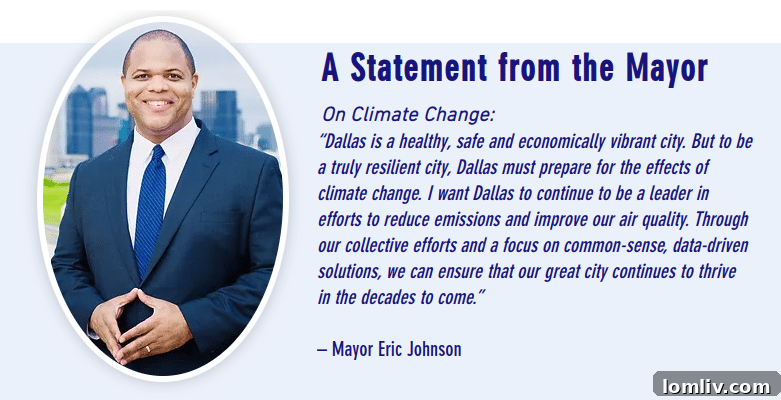
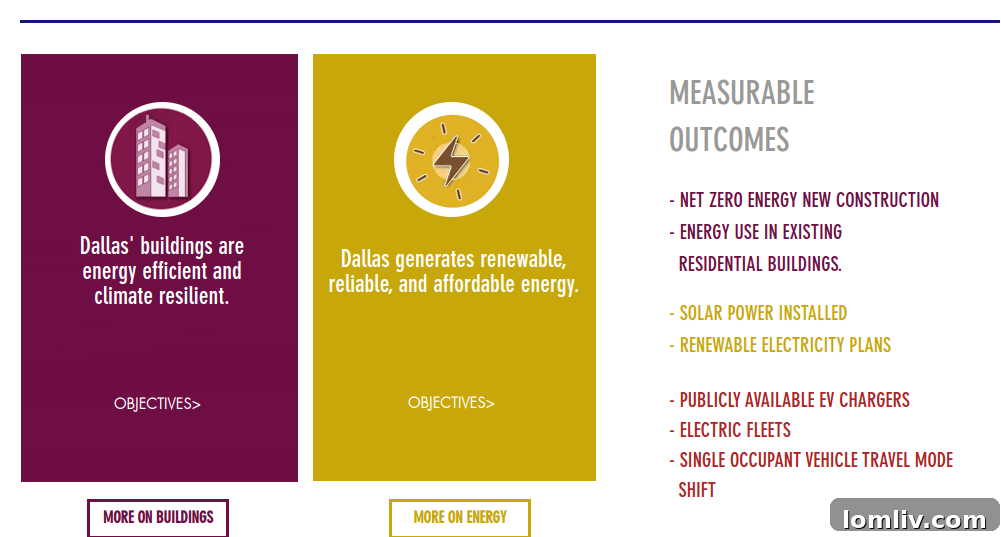
According to the city’s official website, CECAP stands as a “comprehensive roadmap that outlines activities the city will undertake to improve quality of life, reduce greenhouse gas emissions, prepare for the impacts of climate change, and create a healthier and more prosperous community.” This ambitious plan is built upon a thorough assessment of environmental challenges facing the city, initially identified through a 2015 greenhouse gas inventory. An implementation action plan further details existing city initiatives and strategies for promoting environmentally-friendly building practices, demonstrating a clear commitment to fostering a sustainable urban environment for all its residents.
Embracing the Future: Resilient Homes and Progressive Building Standards
Hoffmann expresses optimism about the ongoing evolution of sustainable building practices within Dallas, noting that city leaders are making substantial strides. “Everyone genuinely wants to do the right thing,” he observes. “I believe the industry is progressively moving forward, embracing greener, more efficient methods.”
Rather than advocating for burdensome mandates on builders, Hoffmann champions the encouragement of best practices for efficiency. He points to a remarkably simple yet highly effective solution: the radiant barrier. This inexpensive material, resembling aluminum foil, is applied to the underside of roof decking. Its primary function is to reflect heat away from the roof, preventing it from entering the attic. This drastically reduces the heat load on a home, thereby decreasing the amount of air conditioning required to maintain a comfortable indoor temperature. The impact on energy consumption is profound, especially in a scorching climate like Dallas.
“I’ve been lobbying for the widespread adoption of radiant barriers for 14 years,” Hoffmann reveals. “Dallas is particularly susceptible to hail storms, which unfortunately cause a great deal of roof damage, necessitating frequent replacements. One of the most significant actions we can take during a re-roofing project to reduce carbon emissions across the city is to install a radiant barrier. When you’re already re-decking a roof, new plywood is being installed anyway. Integrating a radiant barrier at that stage is incredibly cost-effective and efficient. Consider that Dallas alone has a quarter of a million single-family homes. I don’t know the exact number of roofs changed annually due to hail storms, but retrofitting these roofs with radiant barriers would have an immense impact on carbon emissions. This single upgrade would make your AC work far more efficiently, consuming less energy.” Hoffmann also highlights the existence of spray-on versions, like reflective paint, that achieve a similar radiant barrier effect.
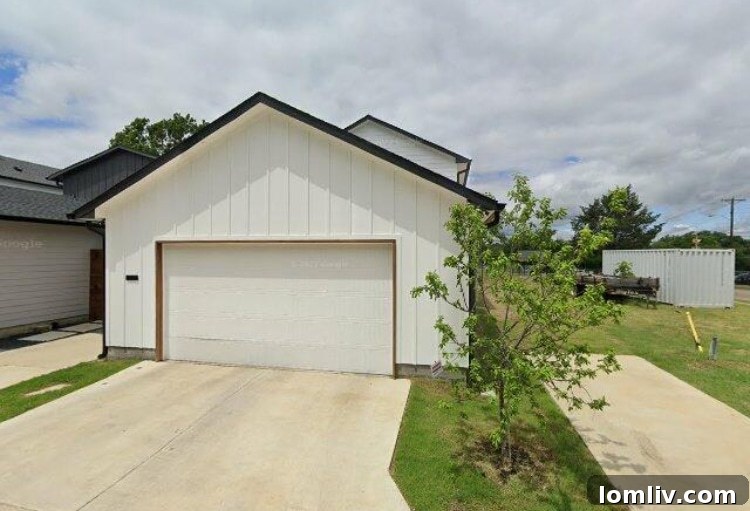
“That’s a simple, low-cost thing that could be done if the city would simply encourage it,” he states, noting a regulatory gap. “They don’t currently require permits for a re-roof, nor do they regulate such enhancements.” Nevertheless, Hoffmann confirms that the city is actively pursuing federal grants and working towards improving technology and building standards. The financial payback for homeowners and the broader community is substantial when construction prioritizes efficiency and durability from the outset.
Hoffmann underscores the importance of foundational elements, explaining how the concrete slab itself can become an essential component in keeping a home cool. “It’s about balancing building science with cost,” he elaborates. “There’s a clear balance where spending a little more upfront for a superior product yields significant long-term benefits. My aspiration is to build the ‘Honda Civic’ of houses – homes that are synonymous with quality, durability, and exceptional efficiency. What will truly accelerate this movement, however, are insurance companies. As they observe entire neighborhoods wiped out by severe weather versus others that remain standing, we’ll see severely discounted insurance rates for resilient construction. By building homes the way we do, they are inherently windstorm-resistant. In contrast, a two-story frame home hit by a tornado becomes nothing more than a pile of sticks.” This stark reality highlights the growing economic imperative for robust, sustainable building.
Hoffmann harbors high hopes that more builders will embrace the principles of energy efficiency and integrate them into their projects. “We are constructing homes of a quality and efficiency never before seen,” he proudly asserts. “Solar is absolutely essential and brilliant, but it’s often the first, and sometimes only, thing people consider when thinking about a ‘green’ transformation. It’s not necessarily the first step we need to take. We must fundamentally rethink building from the ground up, integrating efficiency at every stage of design and construction. I don’t know if this comprehensive approach is truly the wave of the future, but I sincerely hope it is, for the benefit of our environment, our communities, and our wallets.”