Getting Real About Renovations: The Timeless Appeal and ROI of Hardwood Floors
Welcome to Getting Real About Renovations, our new column dedicated to exploring the practicalities and financial wisdom behind various home improvement projects. From transforming open floorplans to upgrading kitchen spaces and expanding master suites, we’re here to provide an unfiltered look at options, true costs, required effort, expert Realtor opinions, and crucially, the estimated Return on Investment (ROI) for your potential endeavors.
The allure of home improvements continues to captivate American homeowners. This fascination isn’t just confined to popular reality TV shows; it’s deeply reflected in the robust demand for renovated properties across all market segments. The sheer scale of this investment is staggering: in the first ten months of 2015 alone, American homeowners channeled an impressive $326.1 billion into remodeling their homes. This figure, highlighted in the National Association of Realtors (NAR)’s comprehensive 2015 Remodeling Impact Report, underscores a widespread desire to enhance living spaces and boost property value.
With such significant investments at stake, a common question echoes among homeowners: Which renovations genuinely enhance personal happiness and deliver the most substantial ROI, particularly if a sale is on the horizon or for those engaged in property flipping? Today, we delve into one of the most beloved and impactful home upgrades: hardwood floors. We’ll cover all popular forms, including solid wood, engineered wood, and eco-friendly reclaimed wood options, alongside the value of refinishing existing hardwood surfaces.
So, are hardwood floors truly worth the investment? In a single, resounding word: absolutely.
The Unrivaled Value of Hardwood Flooring: Why Realtors and Homeowners Love Them
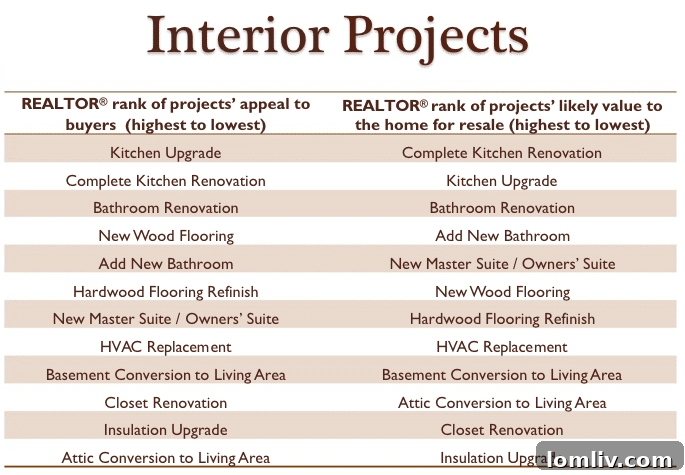
The NAR report vividly demonstrates the powerful impact of interior renovations on a home’s resale value. Among the top-ranking projects, refinishing existing hardwood floors emerged as a standout, boasting an extraordinary 100 percent cost recovery on an average investment of $2,500. Installing brand new wood flooring also proved highly profitable, recouping an impressive 91 percent of its estimated $5,000 to $5,500 cost. These figures highlight hardwood flooring as a virtually guaranteed asset in the real estate market.
Real estate professionals consistently champion hardwood floors. Edwina Dye, an Ebby Halliday Realtor specializing in properties near White Rock Lake, emphasizes, “People want the warm hardwood floors. Refinishing existing hardwoods and seamlessly integrating new alongside older ones is now so advanced that no one can tell the difference. In the Northeast Dallas area, especially, buyers don’t want carpets—seamless hardwoods are what truly sell homes. My son has asthma, and living in a carpeted house would be impossible for him; hardwoods are unequivocally the best choice for health reasons.”
Other Realtors echo this sentiment, underscoring that the appeal of hardwoods extends far beyond mere aesthetics. Cleanliness and allergy considerations are significant drivers behind buyer preferences. Desha Byars, a Realtor with Nathan Grace, states, “My experience shows that buyers desire hardwood for multiple reasons. Firstly, these surfaces offer exceptional longevity and durability, making them ideal for households with pets and children. Secondly, in our area, many suffer from various allergies, making carpet-free living a highly sought-after feature. I also find that buyers overwhelmingly prefer hardwood over tile, appreciating its timeless style and superior cleanliness.”
Beyond the tangible financial returns and practical benefits, adding hardwood floors brings immense personal satisfaction. The NAR report reveals that 77 percent of homeowners experienced a greater desire to be at home after installing new hardwood floors. Furthermore, 65 percent reported an increased sense of enjoyment within their living space, and a remarkable 73 percent felt a profound sense of accomplishment when reflecting on their flooring project. This blend of financial wisdom and emotional well-being makes hardwood flooring a truly worthwhile investment.
Exploring Your Hardwood Flooring Options
When considering hardwood floors, homeowners have several distinct options, each with unique characteristics, benefits, and considerations. Understanding these differences is key to making the right choice for your home and lifestyle.
Solid Hardwood Floors: The Gold Standard
- Composition: As the name implies, these floors are crafted from solid pieces of timber, sourced from a vast array of wood species, each offering distinct grains, colors, and hardness ratings. Common choices include oak, maple, cherry, walnut, and exotic woods.
- Thickness & Lifespan: Typically ranging from 3/8″ to 3/4″ in thickness, solid hardwood’s substantial wear layer allows for multiple sandings and refinishings—often six to eight times over its lifetime. This exceptional characteristic ensures a lifespan of many decades, often outlasting the home itself.
- Installation: Solid hardwoods are almost universally installed by nailing them down to a wooden subfloor, creating a remarkably stable and durable surface.
- Cost & Value: While generally representing a higher upfront investment than other flooring options, their unparalleled durability, potential for multiple refinishes, and strong appeal to buyers make them a superior long-term value.
- Customization: Available either prefinished (with factory-applied stains and sealants) or unfinished, allowing for custom staining and sealing on-site after installation. This flexibility offers infinite possibilities for achieving a desired aesthetic.
- Unique Finishes: Can be hand-scraped for a rustic, antique look, though this process removes some wood layers and can slightly reduce the number of future refinishings.
- Moisture Sensitivity: Solid hardwood is the most susceptible to water damage and significant humidity fluctuations, which can lead to warping or gapping. Careful sealing and appropriate acclimatization are crucial, especially in high-moisture areas like bathrooms or kitchens where alternative materials might be preferred.
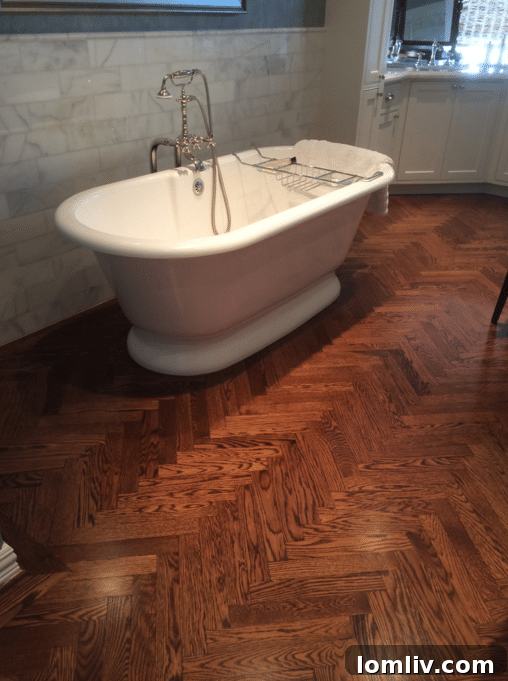
Solid hardwood floors stand as the epitome of versatility, longevity, and timeless elegance. They are the go-to choice for luxury homes, historic residences, and for anyone seeking the most authentic and premium flooring solution. Their ability to be customized in terms of cut, pattern (like herringbone or parquet), and finish means the design possibilities are truly endless, making them a primary selection for architects and interior designers.
Realtors consistently highlight solid hardwoods as a significant asset for resale value, describing them as a feature that elevates the entire property. Aimee Bloom, a real estate agent with Nathan Grace, attests, “Not only do clients increasingly desire hard surface floors, but they specifically want genuine hardwoods. I’m often disheartened to see high-end remodels where significant funds were spent, only for engineered floors to be installed. In my professional opinion—and certainly that of the majority of my clients—it diminishes the overall look. I firmly believe that quality, nail-down hardwoods always deliver a strong ROI. They impart a classic, sophisticated appeal that is incredibly attractive to potential buyers.”
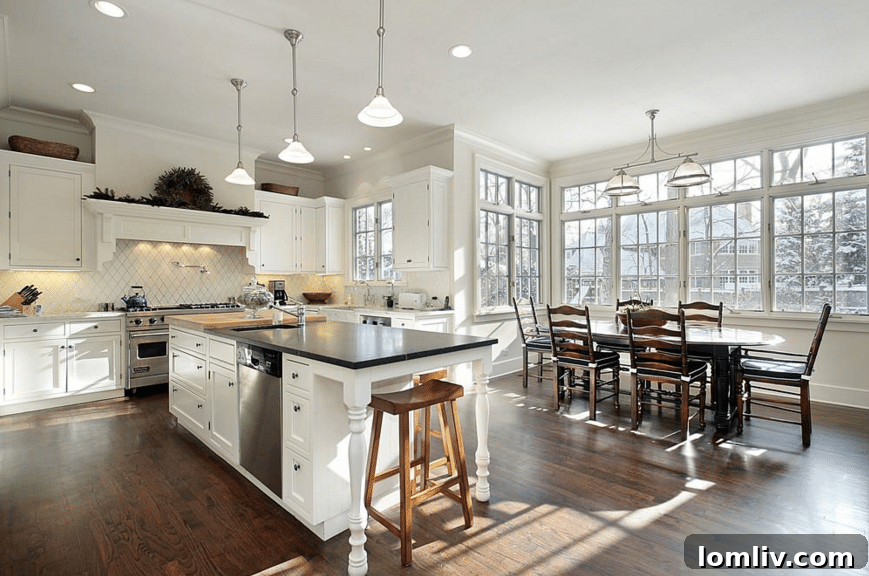
Engineered Hardwood Floors: Modern Durability
- Composition: Engineered hardwood planks feature a core typically made of high-quality plywood or high-density fiberboard (HDF), topped with a thin veneer (usually 1/16″ to 1/8″ thick) of real wood. This layered construction provides enhanced stability.
- Refinishing Capability: Depending on the thickness of the top veneer, engineered floors can generally be sanded and refinished one or two times over their lifespan, extending their aesthetic appeal and longevity.
- Installation Flexibility: While often nailed or glued down, many engineered options are also available as “click-together” boards, allowing for a floating floor installation over various subfloors, including concrete. This makes them suitable for basements and apartments.
- Variety: Typically come prefinished in a somewhat narrower range of wood species and finishes compared to solid hardwoods, though selection continues to grow.
- Radiant Heat Compatibility: A significant advantage is that some engineered hardwood products can be safely installed over radiant heat flooring systems, offering warmth and comfort.
- Moisture Resistance: Engineered hardwoods offer slightly better resistance to moisture and humidity fluctuations than solid hardwoods due to their cross-ply construction, making them a more practical choice for areas with fluctuating humidity. However, they are not waterproof and still require protection from excessive moisture.
Engineered hardwood floors provide an excellent balance of the aesthetic appeal of real wood with enhanced structural stability. Their multi-layered construction reduces the likelihood of expansion and contraction caused by temperature and humidity changes, making them a versatile choice for many climates and installation scenarios where solid wood might be less suitable.
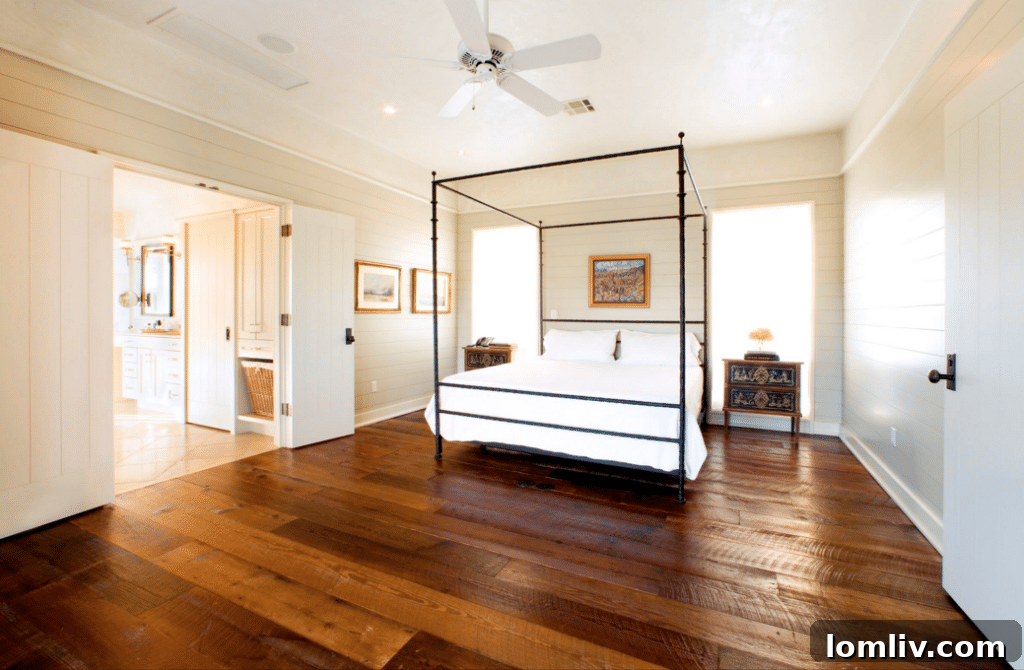
Reclaimed Hardwood Floors: History and Character
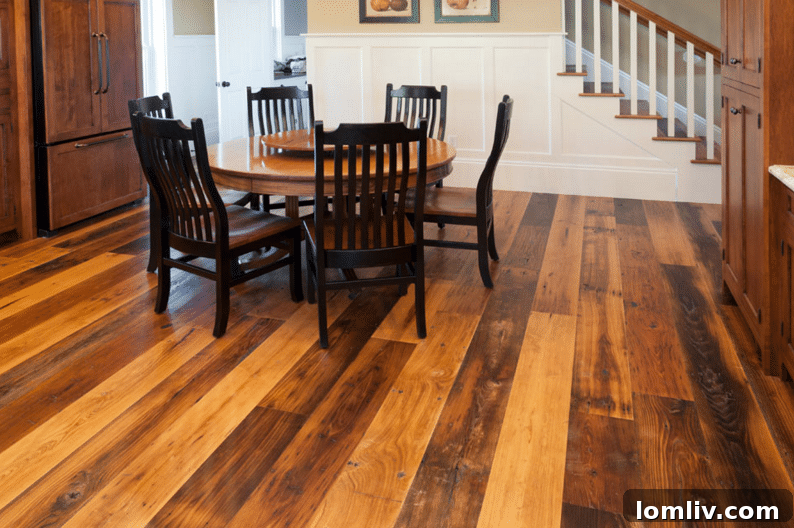
- Unique Origin: A growing trend in the flooring market, reclaimed hardwoods are salvaged solid wood pieces that have been repurposed from older structures like barns, factories, or historic buildings. Each board tells a story, featuring unique marks, nail holes, and a rich patina developed over decades or even centuries.
- Species Rarity: They offer access to wood species that are now extremely rare or even extinct in new growth, such as antique wormy chestnut—one of the most coveted and visually striking reclaimed hardwoods. This provides a truly unique and irreplaceable aesthetic.
- Cost-Effectiveness & Sustainability: Often available at a fraction of the cost of newly milled solid hardwoods, especially considering their age and character. Choosing reclaimed wood is also an environmentally friendly decision, as it reduces demand for new timber and minimizes waste.
- Condition & Refinishing: Despite their age, many reclaimed floors are in excellent condition, retaining significant thickness that allows for multiple future sandings and refinishings, just like new solid hardwoods.
- Availability: Several specialized sellers across North Texas and beyond are dedicated to sourcing, processing, and supplying high-quality reclaimed hardwood options.
Reclaimed hardwood floors are not just a flooring choice; they are a statement of history, character, and sustainability. They bring an unparalleled warmth, depth, and unique story to any space, making them a favorite for those seeking an authentic, one-of-a-kind interior design element. The visible signs of age and previous use add to their charm, creating a rustic yet refined elegance that cannot be replicated with new materials.
Hardwood Alternatives: Exploring Other Wood-Look Options
While hardwoods offer distinct advantages, various alternatives mimic their appearance, providing different price points, durability, and moisture resistance. Understanding these options is vital for making an informed decision for specific areas of your home or budget constraints.
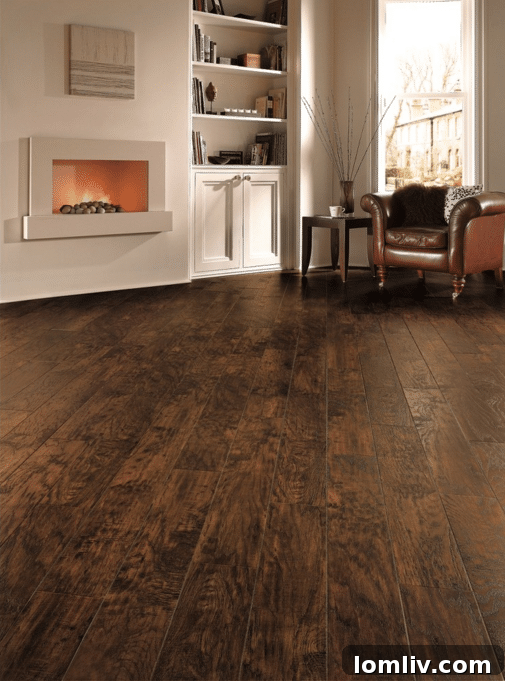
Laminate Floors: The Budget-Friendly Imposter
- Composition: Laminate flooring is a multi-layered synthetic product. It consists of a high-density fiberboard (HDF) core, topped with a photographic image layer of wood grain (or stone, or other patterns), sealed with a clear protective wear layer. Crucially, it contains no actual wood in its visible surface.
- Cost: Significantly more affordable than solid or engineered hardwoods, making it an attractive option for budget-conscious homeowners or high-traffic areas where extensive wear is expected.
- Durability: The wear layer offers decent resistance to scratches and dents, but once damaged, it’s irreparable.
- Refinishing: A major drawback is that laminate floors cannot be sanded or refinished. Any significant damage requires plank replacement or a complete reinstallation.
- Reputation: Despite advancements in visual realism, laminate still carries a negative reputation among some buyers and Realtors, who often perceive it as a “cheaper” alternative that can detract from a home’s overall perceived value.
- Vulnerability: Can show chips and scratches easily, particularly if the protective layer is compromised. It’s also highly susceptible to water damage, which can cause the HDF core to swell and warp irrevocably.
While laminate has improved dramatically in appearance, its fundamental limitations in terms of repairability and long-term durability mean it rarely offers the same ROI or lasting appeal as genuine hardwood. It can be a practical choice for temporary solutions or areas where budget is the absolute primary concern.
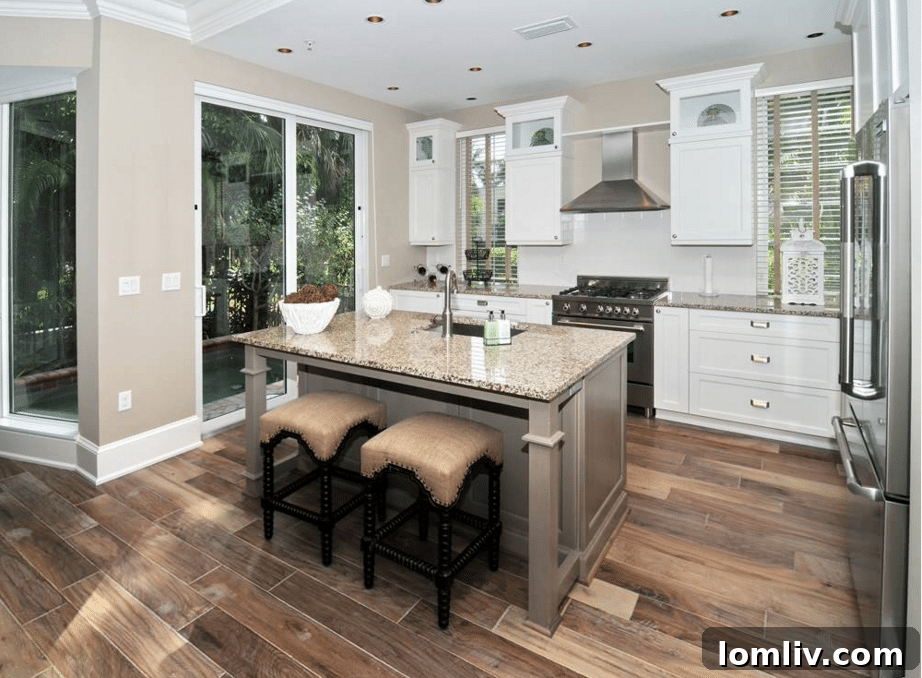
Ceramic or Porcelain Tile That Looks Like Wood: The Durable Contender
- Composition: These are ceramic or porcelain tiles manufactured to replicate the visual texture, grain, and color of various wood species. They are not wood but offer a highly stylized and durable imitation.
- Aesthetic Range: Available in an astonishing variety of prints, shades, and plank sizes, including imitations of rare and exotic woods that are difficult or impossible to source as real hardwood. The quality of photographic printing has advanced significantly, making some wood-look tiles remarkably convincing.
- Temperature: Naturally colder underfoot than genuine hardwoods. However, in warmer climates like Texas, this might be less of a concern. For colder regions or added comfort, they can be installed with heated subfloor systems.
- Ideal Applications: Highly popular and practical in areas where wood is generally considered unsuitable due to moisture, such as bathrooms, kitchens, laundry rooms, and basements. Their water resistance and low maintenance are major advantages.
- Durability & Maintenance: Extremely durable, resistant to scratches, dents, and water, and very easy to clean. They offer a long-lasting, low-maintenance flooring solution.
Wood-look tile offers an excellent compromise for homeowners who desire the aesthetic appeal of wood but require the superior water resistance and durability of tile. It allows for a consistent aesthetic throughout a home, even in moisture-prone zones, without the worry associated with real wood.
The Final Verdict: Invest in Hardwood Floors
So, what’s the ultimate takeaway on hardwood floors? The consensus is overwhelming: do it! The combination of aesthetic appeal, durability, health benefits, and proven return on investment makes hardwood flooring an almost unparalleled home improvement.
Aimee Bloom eloquently captures the essence of this investment: “Floors are like blue jeans—I spend more money on my jeans than most items in my closet because they are a staple that I wear regularly. I can then cut corners and mix up the look with inexpensive tops, shoes, and accessories. Now, if I opt for a cheap ‘mom jean,’ well, the entire outfit suddenly looks like a hot mess, even if I’ve invested significantly in my shirt and purse. The same principle applies to hardwood floors—they are the foundation! Invest wisely in them because they genuinely have the power to make or break the entire scene and overall impression of your home.”
Whether you choose the timeless elegance of solid hardwood, the stability of engineered wood, or the unique character of reclaimed planks, installing or refinishing hardwood floors is an investment that will bring joy, elevate your living experience, and significantly boost your property’s value. It’s a decision you’re unlikely to regret.