In the fiercely competitive and ever-evolving real estate landscape, efficiency is not merely an advantage; it is the cornerstone of sustainable success. For real estate agents, brokers, and property managers alike, maximizing operational output is paramount, encompassing everything from deftly managing a diverse client portfolio to meticulously coordinating an extensive array of property listings. Achieving this delicate balance necessitates effective resource allocation and sophisticated workflow management strategies. These elements are critical for keeping deals perpetually in motion, ensuring seamless transactions, and consistently delivering an exceptional customer experience that fosters loyalty and drives growth.
The Imperative of Efficiency in a Dynamic Real Estate Market
The real estate industry operates at a relentless pace, characterized by fluctuating market conditions, shifting client expectations, and an increasing volume of administrative tasks. Without streamlined operations, professionals risk being overwhelmed, leading to missed opportunities, decreased profitability, and ultimately, burnout. True efficiency transcends mere speed; it’s about optimizing every facet of your business to achieve more with fewer resources, minimize errors, and deliver superior results consistently. It allows professionals to dedicate more valuable time to high-impact activities such as strategic networking, lead generation, personalized client interactions, and market analysis—activities that directly contribute to revenue growth and business expansion.
Unlocking Potential: The Transformative Power of Technology in Real Estate
The advent of sophisticated real estate technology has fundamentally reshaped how agents and property managers conduct their business. These innovative solutions transcend simple task automation; they empower professionals to gain deeper insights, make data-driven decisions swiftly, and elevate the entire client journey. Technologies such as comprehensive Customer Relationship Management (CRM) software, integrated property management platforms, and advanced business intelligence systems enable a more strategic approach to real estate. By automating repetitive administrative tasks, minimizing the potential for human error, and providing instant access to critical data, these tools not only enhance internal operational workflows but also significantly improve the overall customer experience, leading to higher satisfaction and retention rates.
Navigating the Complexities: Common Challenges for Real Estate Professionals

Real estate professionals across the U.S. frequently encounter a myriad of challenges that can hinder productivity and growth. These obstacles often include:
- Managing Diverse Property Portfolios: Overseeing multiple properties, whether residential, commercial, or multifamily, across various markets, each with its unique requirements, tenants, and maintenance schedules, demands meticulous organization and constant oversight.
- Maintaining Consistent and Personalized Client Communication: Cultivating strong client relationships requires continuous, personalized engagement. Juggling inquiries, updates, follow-ups, and marketing efforts for a large client base without a streamlined system can lead to dropped communications and diminished client satisfaction.
- Ensuring Compliance with Evolving Regulations: The real estate industry is heavily regulated, with a complex web of federal, state, and local laws concerning everything from fair housing and disclosures to lease agreements and financial transactions. Staying abreast of these ever-changing regulations and ensuring strict compliance is a monumental task.
- Tracking Critical Deadlines and Agreements: Meticulously keeping track of lease agreements, renewal dates, rent collection schedules, maintenance timelines, inspection appointments, and closing deadlines is crucial. Missing any of these can result in significant financial penalties, legal complications, or lost revenue.
- Data Security and Privacy Concerns: Handling sensitive client information, financial data, and property details necessitates robust data security protocols to protect against breaches and ensure compliance with privacy laws.
- Market Volatility and Competition: Adapting to rapid market shifts, intense competition, and changing consumer demands requires agility and timely access to market intelligence.
Without robust, streamlined systems and technological support, professionals risk not only missing critical deadlines and overlooking valuable opportunities but also experiencing severe burnout. These issues can profoundly damage long-term productivity, jeopardize revenue streams, and compromise the reputation of the business.
Why Streamlining is Non-Negotiable for Real Estate Success
Given the intricate web of responsibilities and the dynamic nature of the real estate business, simplifying and optimizing company operations is no longer a luxury but an absolute necessity for survival and sustained growth. Eliminating inefficiencies frees up invaluable time for real estate professionals, allowing them to redirect their focus to income-generating tasks. This includes strategic property marketing, proactive lead generation, skilled client acquisition, and nurturing long-term relationships. Streamlining empowers businesses to scale more effectively, adapt quickly to market changes, and ultimately position themselves as leaders in a competitive industry.
Smart Technology at Work: Boosting Operational Efficiency in Real Estate

Smart technology is not just an enabler; it’s a catalyst revolutionizing the real estate market in profoundly impactful ways:
- Comprehensive Property Management Software: These platforms act as a centralized hub for all property-related information. From lease agreements, maintenance history, and rent receipts to tenant contact details and owner statements, everything is organized and accessible in one place. Leading products like Buildium, AppFolio, Yardi, and Propertyware are widely adopted across the U.S. for their ability to automate rent collection, streamline maintenance requests, and provide detailed financial reporting.
- Cloud-Based Collaboration & Communication Tools: Essential for modern, often dispersed teams, cloud solutions facilitate real-time collaboration regardless of physical location. Whether agents are in the office, at a showing, or working remotely, they can securely access, share, and edit documents, communicate instantly, and coordinate tasks. This is particularly critical for brokerages with agents operating across multiple markets, enhancing responsiveness and team cohesion.
- Market Intelligence and Analytics Platforms: Sophisticated tools leverage big data to analyze local market trends, project home values, identify investment opportunities, and perform competitive analysis. Platforms like CoStar, LoopNet, Zillow Premier Agent, and Revaluate provide invaluable insights, helping investors and agents make informed acquisition, pricing, and marketing decisions, giving them a significant competitive edge.
- Advanced Automation Tools (CRM & Marketing): Beyond simple scheduling, these tools automate a wide range of repetitive administrative tasks. This includes setting up drip email campaigns for lead nurturing, scheduling automated follow-ups for prospects, generating customized documents like lease agreements and disclosure forms, and sending rent reminders or renewal notifications. Integrating CRM platforms such as Salesforce, HubSpot, Follow Up Boss, or LionDesk can significantly reduce the time spent on manual administrative work, allowing agents to focus on building relationships.
- Virtual Tours and Augmented/Virtual Reality (AR/VR): While not extensively covered in the original, these technologies are increasingly crucial for property marketing. They allow potential buyers and tenants to experience properties remotely, broadening reach and reducing the need for physical showings, thereby optimizing agent time.
Actionable Strategies for Transforming Your Real Estate Business
Implementing strategic technological solutions can dramatically improve efficiency and performance:
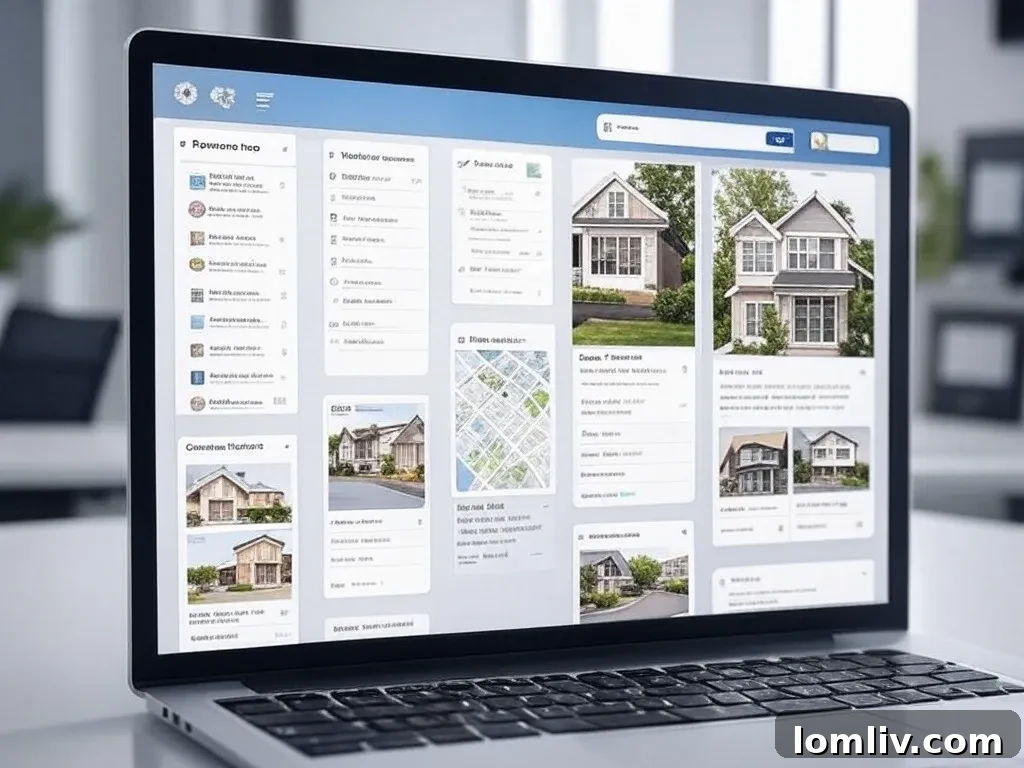
- Adopt Integrated Property Management Software: Make a strategic investment in platforms like Buildium, AppFolio, or Yardi. These systems allow you to manage listings, coordinate tenant interactions, automate rent collection, process maintenance requests, and generate financial reports all through a centralized, intuitive dashboard. This integration minimizes data silos and provides a holistic view of your portfolio.
- Automate Client and Tenant Communications: Leverage your CRM or property management software to schedule automated follow-ups, drip email campaigns for new leads, and SMS reminders for appointments, lease renewals, and rent notifications. Personalize these communications to maintain a human touch while ensuring consistency and timeliness, significantly improving responsiveness and client satisfaction.
- Implement Secure Cloud Storage Solutions: Transition to a paperless office environment by utilizing tools such as Google Workspace, Dropbox, Microsoft OneDrive, or specialized document management systems. These platforms allow you to securely store, easily access, and share client documents, disclosures, contracts, and other critical records from any device, anywhere. Ensure robust security protocols and version control are in place.
- Leverage Predictive Tools for Smarter Decision-Making: Integrate market intelligence platforms such as Zillow Premier Agent, Revaluate, or similar analytics tools. Use their predictive capabilities for lead scoring, obtaining accurate pricing insights, and conducting in-depth local market trend analysis. This data-driven approach allows you to identify hot leads, value properties more precisely, and make more strategic investment decisions.
- Organize Physical Documentation Effectively: While digital transformation is key, some transactions still necessitate hard copies for legal or auditing purposes. For these essential physical records, use secure, off-site storage facilities. Ensure all documents are clearly labeled, indexed, and organized for fast retrieval. Professional storage facilities at NSA Storage, Colorado Springs, CO, for example, provide secure and convenient options for safeguarding sensitive real estate documents, offering peace of mind.
- Invest in Ongoing Training and User Adoption: Technology is only as effective as its users. Provide comprehensive training and ongoing support to ensure your team fully understands and embraces new systems. Foster a culture of continuous learning to maximize the return on your technology investments.
Tangible Results: The Real Impact of Smart Technology on Real Estate Firms
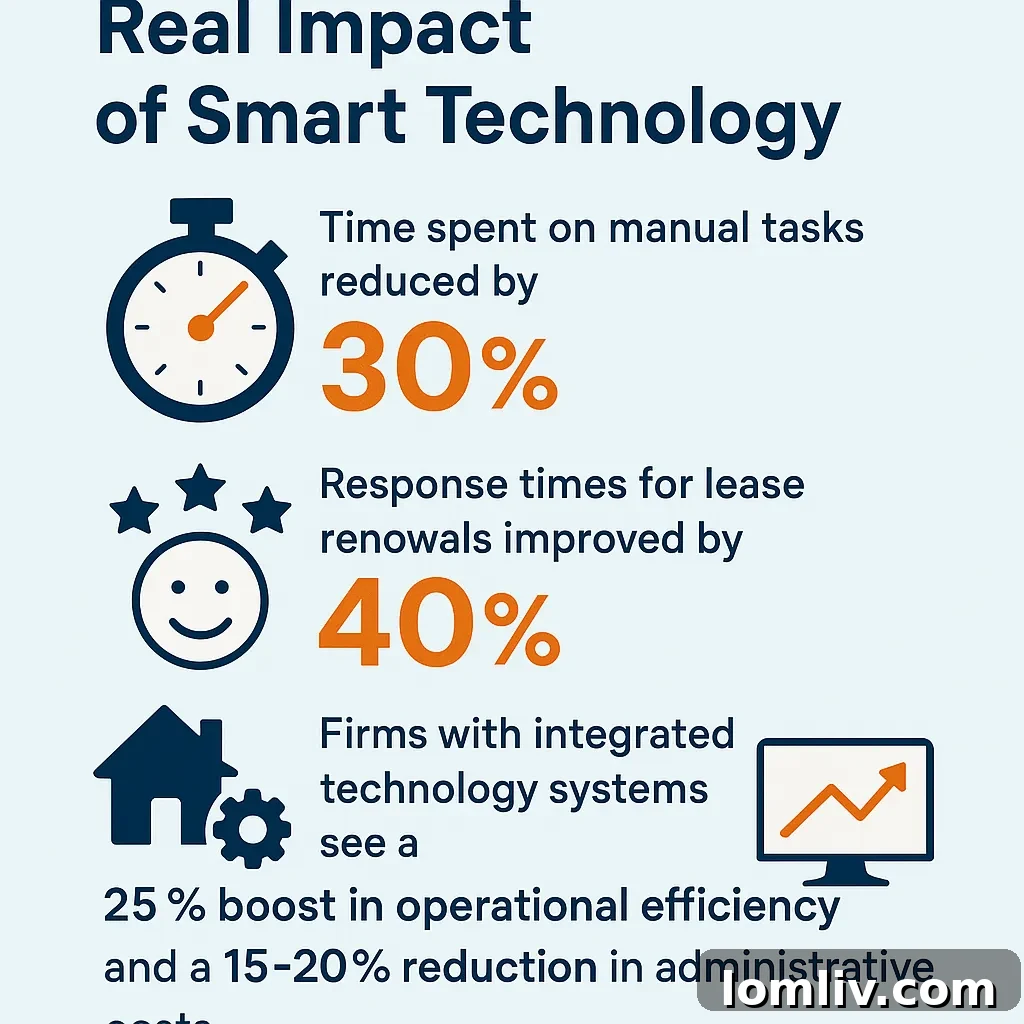
The practical benefits of adopting smart technology are clearly demonstrable. Consider a prominent property management firm in Dallas, TX, which integrated AppFolio to centralize and automate its maintenance requests, lease renewals, rent collection processes, and vendor coordination. Within just six months of implementation, the firm observed remarkable improvements:
- Time spent on manual administrative tasks was dramatically reduced by 30%.
- Response times for critical lease renewals improved significantly by 40%.
- Tenant satisfaction scores experienced a notable increase, reflecting improved service and communication.
This individual success story mirrors broader industry trends. According to the National Association of Residential Property Managers (NARPM), firms that effectively implement and integrate technology systems typically see a substantial 25% boost in overall operational efficiency and a considerable 15–20% reduction in administrative costs. These statistics underscore the profound financial and operational advantages of embracing digital transformation in real estate.
Frequently Asked Questions
Q: What are the most effective ways to enhance real estate processes?
A: The most effective ways involve leveraging technology to automate key functions such as property tracking, document management, and client communication. This reduces human error, saves invaluable time, ensures regulatory compliance, and significantly improves service delivery, fostering greater client satisfaction and operational scalability.
Q: What is the most suitable storage solution for real estate documents?
A: For digital records, cloud services (like Google Drive, Dropbox, or specialized document management systems) are ideal, offering secure, accessible, and easily shareable storage. For sensitive paper-based documents that still require physical retention, secure off-site storage facilities are highly recommended. For instance, storage units in Colorado Springs, CO, offer secure, climate-controlled, and organized off-site solutions, ensuring document integrity and confidentiality.
Q: How can I track resources and assets efficiently in real estate?
A: Efficient resource and asset tracking can be achieved by utilizing property management software or dedicated asset management platforms that feature real-time dashboards, inventory tracking, and robust reporting capabilities. These tools allow you to monitor the performance of assets, equipment, and properties, track maintenance schedules, and manage resource allocation effectively.
Q: What is “PropTech” and why is it important for my business?
A: “PropTech” (Property Technology) refers to innovative technological solutions designed to streamline, enhance, and rethink the way real estate is bought, sold, rented, managed, and developed. It includes everything from AI-powered analytics and blockchain for transactions to IoT devices for smart homes. PropTech is crucial because it drives efficiency, transparency, and connectivity, enabling real estate businesses to stay competitive, meet evolving client demands, and unlock new growth opportunities in a digital age.
Q: How do I choose the right real estate software for my needs?
A: Choosing the right software requires a thorough assessment of your specific business needs, current challenges, and future growth objectives. Look for solutions that offer robust features relevant to your operations (e.g., CRM, property management, analytics), are scalable, user-friendly, and provide excellent customer support. It’s also vital to consider integration capabilities with your existing systems and review user testimonials and industry ratings to ensure a sound investment.
Transform Your Real Estate Business for Future Success
Whether your focus is on multifamily housing, expansive commercial properties, or an rapidly expanding residential portfolio, the implementation of intelligent resource management and operational solutions is no longer merely advantageous—it is an undeniable necessity for long-term viability and competitive advantage. In today’s fast-paced market, businesses that embrace technological innovation are those that will thrive.
By optimizing your workflow with the right technology, you will unlock a multitude of benefits, including:
- A significant reduction in time spent on manual, repetitive tasks, freeing up your team for higher-value activities.
- A substantial enhancement in client and tenant satisfaction, leading to stronger relationships and increased retention.
- A direct increase in operational profitability and an expanded potential for sustainable business growth.
Don’t wait for your competitors to lead the way. Start your journey toward digital transformation today by evaluating your current processes, identifying key areas for improvement, and strategically integrating smart technology tools that align seamlessly with your unique business goals. The future of your real estate success depends on it.