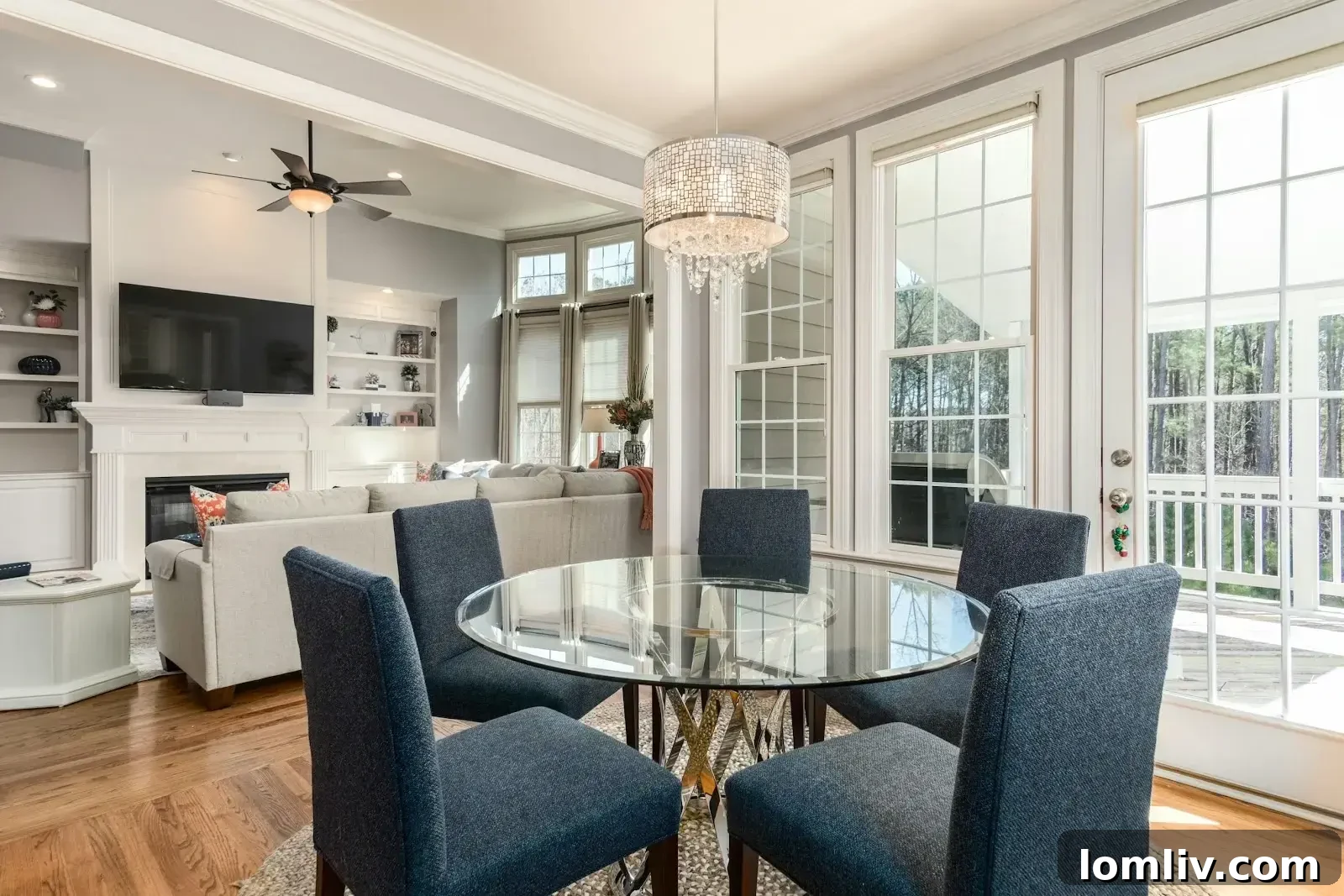
Lighting is far more than a simple element that illuminates your home; it’s an integral component that profoundly influences warmth, convenience, and critically, the safety of your family. A thorough and meticulous inspection of your lighting system can proactively identify and resolve potential issues, averting future troubles and ensuring peace of mind. As you prepare to step into your new dwelling, this carefully compiled guide will walk you through every essential aspect of a comprehensive lighting inspection, helping you to brilliantly light up the path to your new life.
1. Assessing the Lighting System’s Overall Condition
The first step in your home lighting inspection is to gain a holistic understanding of the installed system, ensuring that everything is present, accounted for, and installed to acceptable standards.
Verifying Lamp Quantity and Type
Begin by comparing the types and quantities of all installed lighting fixtures against your purchase agreement, blueprints, or the developer’s specifications. Homes typically feature a variety of fixture types, such as recessed lighting, pendant lights, chandeliers, track lighting, wall sconces, and task-specific under-cabinet lights. A standard new home might have anywhere from 10 to 15 different fixtures, depending on its size and design. Walk through each room, ensuring that every specified fixture is present and there are no unexpected omissions or uncontracted additions. This step is crucial not only for contractual compliance but also to ensure all functional lighting needs are met.
Evaluating Lamp Installation Stability
Stability is paramount for lighting fixtures, especially those that are heavy or suspended. Visually inspect each fixture to confirm it is firmly secured to the ceiling or wall. Gently tug on lighter fixtures to test their stability. For heavier installations, like chandeliers, look for any signs of wobbling, loose mounting plates, or visible gaps between the fixture and the mounting surface. Improper installation can pose significant safety hazards, including the risk of fixtures falling or causing electrical shorts. Ensure all decorative covers are flush and securely fastened.
Examining Lamp Appearance
The aesthetic condition of your lighting fixtures contributes significantly to the overall appeal of your new home. Conduct a detailed visual inspection of each lamp’s appearance. Look for any visible scratches, dents, deformations, chips, or stains on the surface, including the shades, globes, and metal finishes. For premium or expensive lighting fixtures, this inspection should be even more meticulous. Check for consistency in finish and color across multiple fixtures of the same type. Any imperfections should be noted, as they detract from the home’s newness and value.
Assessing Switch Layout and Ergonomics
A well-planned switch layout is crucial for convenience and ease of use. Switches should be logically positioned near room entrances, by bedsides for bedroom lighting, and in multi-way configurations for long hallways or large rooms. Evaluate if the layout feels intuitive and if all necessary areas can be controlled effectively from appropriate points. Consider if any switches are awkwardly placed or if essential lighting controls are missing from key areas. An ergonomic layout enhances daily living and avoids frustrating situations.
Testing Switches and Sockets Functionality
Beyond layout, the physical operation of switches and sockets is vital. Test every switch: press them on and off to ensure they operate smoothly without sticking, feeling overly loose, or making excessive noise. Listen for a firm, satisfying click. Similarly, inspect all electrical sockets in the vicinity of your lighting for proper installation and functionality. Use a simple plug tester (if comfortable and equipped) to verify power and correct grounding. Confirm that all sockets are firmly attached to the wall and that cover plates are secure and undamaged. All switches and sockets must meet current electrical safety standards.
2. Verifying Lamp Functionality
Once the physical integrity is confirmed, the next crucial step is to test the actual operational functionality of each lighting component and any advanced features it may possess.
Testing Lamp Lighting for Proper Operation
Systematically activate every single light fixture in every room. Turn each lamp on and off to confirm it illuminates properly. If a light fails to work, it could indicate a faulty bulb, a loose connection, a wiring issue, or a defective switch. Document all non-working lights meticulously, noting the location and specific issue. This information will be vital when communicating with the developer or builder for rectification.
Evaluating Dimming Functionality (If Applicable)
For lamps equipped with dimming capabilities, test the full range of the dimmer. Gradually transition the light from its darkest setting to its brightest, observing for smooth, continuous light output. Crucially, check for any flickering, buzzing, or pulsating at different intensity levels, which could indicate incompatible bulbs, a faulty dimmer switch, or wiring issues. The dimmer switch itself should operate smoothly without sticking or malfunctioning, allowing for precise light adjustment.
Assessing Voice-Control Sensitivity
If your new home features smart lighting with voice control, test its responsiveness and accuracy. Attempt to activate and deactivate lights using various voice commands from different distances and angles within the room. The system should respond quickly and accurately, without noticeable delays or errors. Test its integration with common voice assistants like Alexa or Google Assistant, ensuring seamless operation. Inaccurate or delayed voice control can be highly frustrating in daily use.
Inspecting Induction (Motion Sensor) Functionality
For motion-sensing luminaires, test their sensitivity and coverage area. Walk through the space they are meant to cover, observing if they turn on and off normally in response to movement. Check for any “dead spots” where motion is not detected, or areas where the light remains on unnecessarily. If possible, try adjusting the sensing range or sensitivity settings to ensure optimal performance. Motion sensors are key for energy efficiency and security in areas like hallways, pantries, and outdoor spaces.
3. Ensuring Circuits and Switches’ Safety
Safety is paramount when it comes to electrical systems. This section focuses on verifying the integrity and safety compliance of your lighting circuits and switches.
Verifying Lamp Circuit Condition
The electrical wiring for your lighting should be neatly installed, properly concealed, and securely fastened. Exposed wiring is not only aesthetically unpleasing but poses a severe safety risk, increasing the potential for electric shock or fire. Inspect junction boxes, switch boxes, and ceiling mounts for any visible bare wires, loose connections, or improper handling. All wiring should be properly enclosed within walls, ceilings, or approved conduits. Any instances of exposed or improperly handled wiring must be immediately reported and rectified by a qualified electrician to comply with safety codes.
Confirming Switch Installation and Operation Safety
Beyond smooth operation, ensure that all switches are firmly installed within their wall boxes and that their cover plates are secure, level, and free from cracks. There should be no visible gaps around the switch plate where internal wiring could be accessed or exposed. Test each switch multiple times to ensure consistent and reliable operation. A loose or faulty switch can be a minor annoyance or a significant electrical hazard.
Checking Leakage Protection Devices (RCD/GFCI)
Leakage protection devices, such as Residual Current Devices (RCDs) or Ground Fault Circuit Interrupters (GFCIs), are critical safety components designed to prevent electric shock by automatically cutting off power when they detect an imbalance in the electrical current. Verify that these devices are installed in all appropriate lighting circuits, particularly in wet areas like bathrooms, kitchens, and outdoor spaces, as mandated by electrical codes. While direct testing of internal components should be left to a professional, you can often find a “Test” button on the device itself. Pressing this button should trip the circuit, cutting off power. If it doesn’t, or if these devices are absent in required areas, immediate rectification by a certified electrician is essential.
4. Evaluating Lighting Effect and Comfort
Beyond basic functionality and safety, the quality of light significantly impacts the comfort, mood, and usability of your living spaces. This section focuses on evaluating the aesthetic and functional aspects of your home’s illumination.
Assessing Light Brightness (Luminance)
The brightness of light, measured in lumens, plays a crucial role in creating a comfortable and functional living environment. Areas such as the living room, study, and kitchen often require higher brightness levels for various activities like reading, working, or cooking. Bedrooms and dining rooms, conversely, benefit from softer, more ambient light sources to foster relaxation. Evaluate whether the installed lamps’ power and light sources are reasonably configured for each space. Ensure there are no areas that feel excessively bright, causing discomfort, or too dim, hindering daily tasks. Proper brightness levels prevent eye strain and enhance the utility of each room.
Analyzing Light Distribution and Glare
Uniform light distribution is a key criterion for evaluating the effectiveness of a lighting system. Observe the entire room for any obvious dark corners, shadowed areas, or concentrated hot spots of light. The goal is a balanced illumination where light sources are distributed evenly, avoiding overly bright or dark regions, especially in larger open-plan spaces. Furthermore, check for glare, which is excessive brightness that causes visual discomfort or impairs vision. This is particularly important in living rooms and bedrooms where direct exposure to bright bulbs can be disruptive. Glare can come directly from the light source or be reflected off glossy surfaces. Solutions often involve diffusers, shades, or strategic fixture placement to minimize harshness and maximize comfort.
Considering Light Color (Color Temperature and CRI)
The color temperature of light, measured in Kelvin (K), profoundly affects the atmosphere and visual perception of a space. Cold light (above 4000K) with its blueish tint is energizing and ideal for functional areas like kitchens, bathrooms, and home offices, promoting alertness and accurate task performance. Warm light (around 2700K-3000K), with its yellowish-orange hue, is relaxing and creates a cozy ambiance, perfect for bedrooms, living rooms, and dining areas. When inspecting the house, confirm whether the light color aligns with personal preferences and complements the interior design style. For instance, a modern minimalist style might suit cool white light, while a rustic or traditional style often pairs better with warm yellow light. Additionally, consider the Color Rendering Index (CRI), which indicates how accurately a light source renders colors compared to natural light. A high CRI (80+) is desirable for areas where true color perception is important, such as kitchens or dressing areas.
5. Specific Lighting Requirements for Typical Spaces
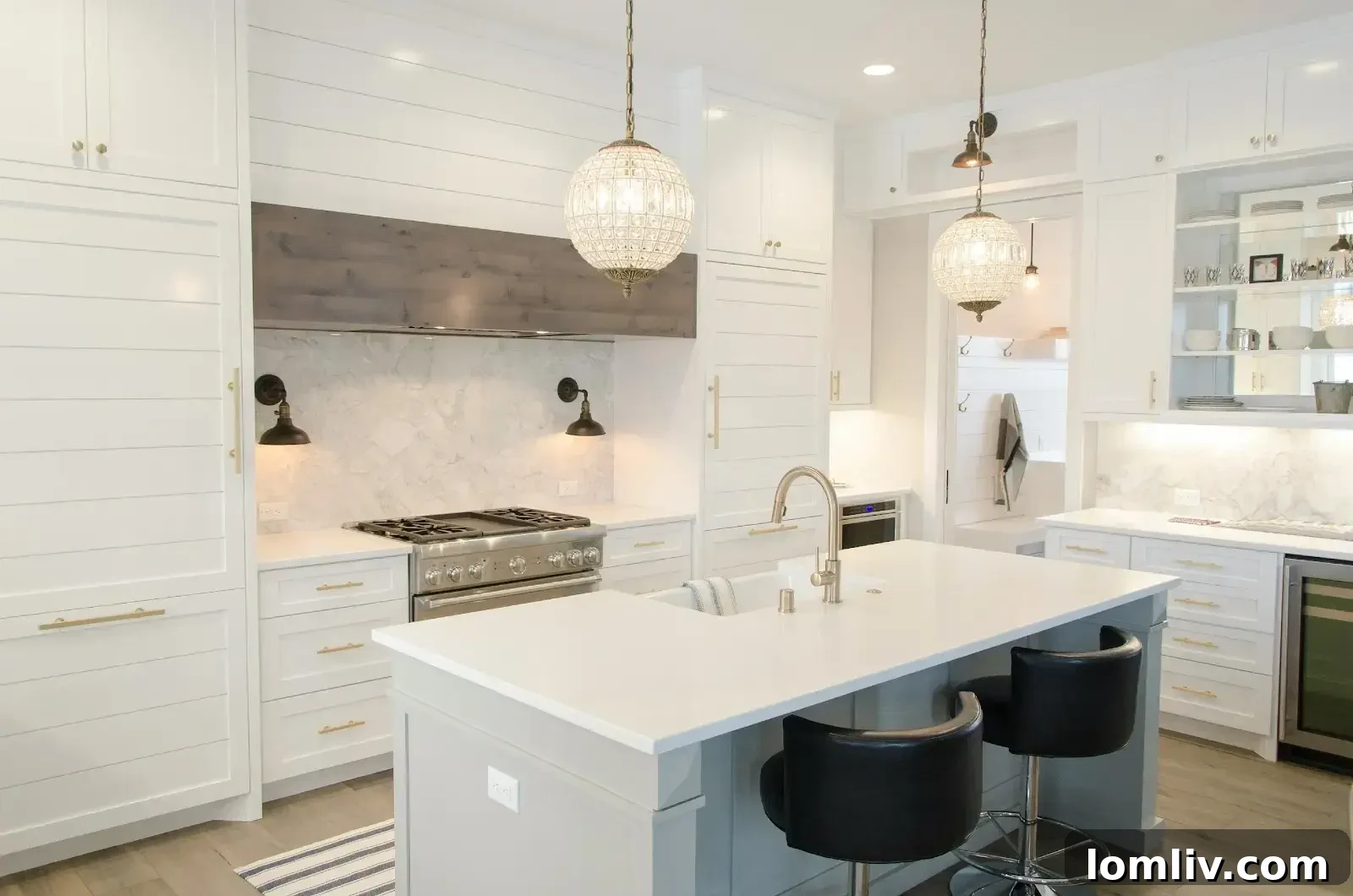
Different areas of your home have unique lighting demands that must be met for both functionality and safety.
Kitchen Lighting Essentials
The kitchen requires robust and functional lighting. The cooking and preparation areas, particularly countertops, must be brightly and evenly lit to ensure safety and precision while working with knives and hot surfaces. Check that countertop lighting effectively eliminates shadows, ensuring that your workspace is clear and well-illuminated. Evaluate the position of the lamps and the angle of the light source to confirm comprehensive coverage without obstructions or dark corners. Consider task lighting (e.g., under-cabinet lights) in addition to general ambient lighting, and ensure the light color is suitable for accurate food preparation.
Bathroom Lighting Considerations
Bathrooms are inherently wet environments, making waterproof lighting fixtures an absolute necessity. During your inspection, confirm that all bathroom lamps are tightly sealed to prevent water vapor or splashes from entering the electrical components, which could lead to short circuits or safety hazards. Look for an Ingress Protection (IP) rating (e.g., IP44, IP65) marked on the fixtures, ensuring it meets the standards for the specific zone within the bathroom (e.g., directly above a shower requires a higher IP rating). Test the waterproof performance of lamp switches and ensure they are appropriately rated for moisture resistance. Beyond safety, evaluate lighting around mirrors for even illumination without casting harsh shadows on the face, which is crucial for grooming.
Corridor and Stairwell Lighting
Lighting in corridors and stairwells is critical for safety, preventing trips and falls, and should also be energy-efficient. Check if motion sensor lamps, if installed, function correctly and activate promptly when motion is detected. The brightness must be sufficient for continuous safe passage, without being overly harsh. Pay close attention to the delay setting on sensor lights; a too-short delay could cause the light to suddenly switch off, affecting walking safety. Consider if additional accent lighting, such as kick lights along stair treads, would enhance both safety and aesthetics.
6. Smart Lighting System Inspection (If Applicable)
For homes equipped with smart lighting systems, a specific set of checks is necessary to ensure seamless integration and functionality.
Verifying Smart System Control
If your new home boasts a smart lighting system, rigorous verification is essential. Test each lamp using all available control methods: mobile phone applications, smart home hubs, physical smart switches, and any dedicated voice assistants. Confirm that lights can be easily and reliably turned on, off, and dimmed. The system should respond quickly to commands, without noticeable lag or intermittent failures. Check for overall system stability and compatibility with your preferred smart home ecosystem to avoid future operational issues or incompatibility problems.
Testing Remote Device Connectivity
Assess the connectivity between the smart lighting system and all remote devices, including your smartphone, tablet, and voice assistant speakers. Open the dedicated application and attempt to control various light switches and dimming functions remotely, from different locations within and outside the home (if internet-connected). Furthermore, thoroughly test voice commands with assistants like Alexa or Google Assistant. Ensure they respond accurately and quickly, without requiring multiple attempts or misinterpreting commands. This ensures reliable control, whether you’re at home or away.
Inspecting Timing and Scene-Switching Functions
The advanced features of a smart lighting system, such as timing and scene-switching, must also be thoroughly tested. Set up a simple timed schedule to confirm that lights turn on and off precisely at the specified times. Experiment with pre-programmed scene-switching functions (e.g., “Movie Night,” “Good Morning,” “Relax”) to verify that they activate automatically and smoothly, adjusting brightness and color temperature as intended. Also, test any additional smart features like energy-saving modes, dynamic dimming based on occupancy or natural light levels, and integration with other smart home devices to ensure their effectiveness and reliability.
7. Necessary Rectification Suggestions
Finding issues during your inspection is normal. The key is to have a structured approach to getting them rectified effectively.
Detailed Problem Documentation and Communication
It is imperative to meticulously record every problem discovered during the house inspection. For each issue related to the lighting system, note its exact location, a precise description of the fault, and include photographic or video evidence. This detailed record serves as undeniable proof when communicating with the developer or property management. Compile a comprehensive list of all identified problems and formally present it to the developer. Timely and clear communication is crucial to ensure all issues are acknowledged and slated for prompt resolution, leaving no detail overlooked.
Proposing Specific Requirements for Resolution
When presenting the problems, go beyond mere identification and propose specific rectification requirements. For example, if a lamp is non-functional, clearly state that it must be replaced. If electrical wiring does not meet safety standards, demand that it be rectified to code. When discussing these rectification needs, explain the problem in detail and then request a clear, actionable solution along with a definitive timetable for completion from the developer or property management. This ensures accountability and a clear pathway to resolving the issues within a reasonable timeframe.
Re-inspection of Rectified Lamps
Once the rectification work has reportedly been completed, it is absolutely essential for the homebuyer to conduct a thorough re-inspection. This critical step confirms that all identified problems have been effectively addressed and resolved to satisfactory standards. Do not assume problems are fixed without personal verification. If, during this re-inspection, any issues persist or new problems arise from the rectification work, you must immediately request a second rectification. Continue this process until all lighting-related concerns are completely and satisfactorily resolved, ensuring your new home meets all expectations for lighting functionality and safety.
8. Essential Tips for a Successful Lighting Inspection
Arm yourself with these practical tips to make your lighting inspection efficient and comprehensive.
Utilize a Strong Flashlight
Even in a well-lit home, a strong flashlight is an invaluable tool. Use it to meticulously inspect hard-to-reach areas, inside fixtures, and behind cover plates (if safely accessible) to check installation integrity and detect any hidden flaws. A powerful beam can help identify poor light distribution, uncovering dark corners or dead spots that might not be obvious in ambient light. Crucially, a flashlight is essential for checking the wiring layout, allowing you to ascertain if it’s standardized, neatly arranged, and free from potential safety hazards like exposed or loose wires in dimly lit utility spaces or attics.
Evaluate Natural and Artificial Light Synergy
To truly understand your home’s lighting, compare the effects of natural light and artificial light throughout the day and night. During daylight hours, observe how natural light fills each room and how it interacts with the installed artificial lighting. In rooms with large windows, natural light significantly impacts the need for and perceived brightness of artificial sources. Then, during the evening, rely solely on artificial lighting to evaluate its performance independently. This comparison allows you to assess the lighting system’s versatility under various conditions, helping you determine if the existing layout or bulb choices adequately meet your needs and if adjustments, such as bulb replacement or strategic placement of portable lamps, might be necessary.
Prepare a Comprehensive House Inspection Checklist
Before you even step foot into your new home for the inspection, prepare a detailed house inspection checklist specifically for the lighting system. This list should itemize every single aspect that needs to be checked, categorized by room or lighting component (e.g., fixture type, location, functionality – on/off, dimming, voice control, appearance, safety checks, wiring, smart features, etc.). Systematically go through each item on your checklist, physically checking it off as you inspect. This methodical approach ensures that no detail is overlooked, all functional and safety performances are verified, and the entire house inspection process proceeds smoothly and thoroughly, providing you with complete confidence in your new home’s lighting.
Conclusion
A meticulous lighting inspection is a fundamental step in ensuring both the comfort and safety of your new home. By diligently checking every aspect—from fixture installation and operational functionality to circuit safety and the actual light quality—potential problems can be identified and addressed proactively. This comprehensive guide serves as an indispensable reference point for homebuyers, empowering you to ensure that your future living space is not only brighter and more comfortable but fundamentally safer. The peace of mind that comes from a thoroughly inspected and approved lighting system is invaluable.
Furthermore, if your home inspection reveals that certain light fixtures need replacement or an upgrade to better suit your aesthetic and functional desires, we recommend visiting Homebaa. They offer a vast selection of stylish lamps and attractive discounts, making it easy to find and purchase the perfect lighting solutions to enhance your new home.