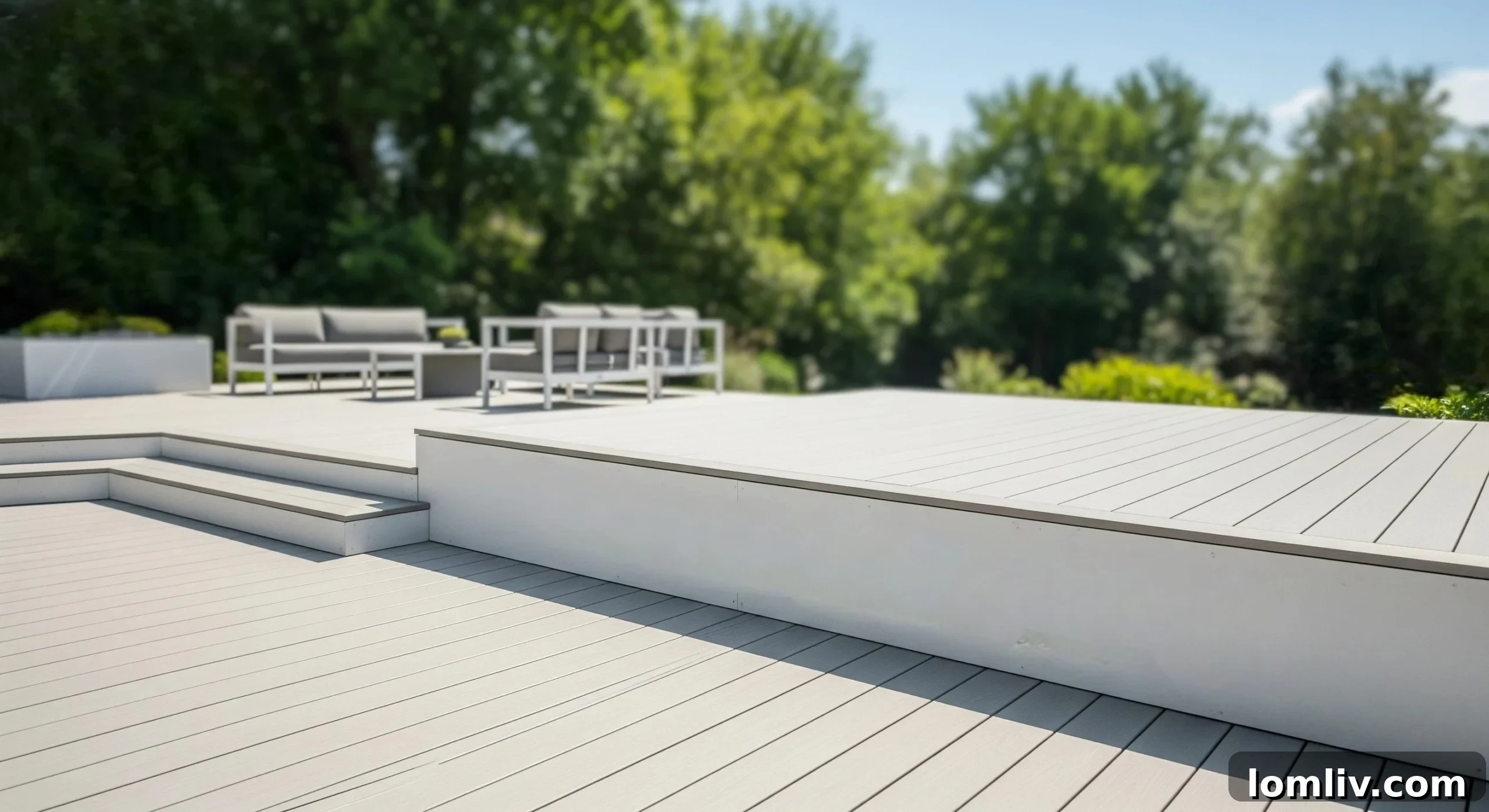
Embarking on a journey to enhance your outdoor living space with a new deck is an exciting prospect. Whether you envision tranquil mornings sipping coffee or lively weekend gatherings, a well-built deck can transform your backyard into an extension of your home. However, a deck is more than just an addition; it’s a significant, long-term investment in your property and lifestyle.
The initial instinct for many homeowners is to search for “composite deck builders near me” and perhaps settle for the first few results. While online search is a crucial starting point, making a hasty decision based solely on proximity or a top search ranking can lead to unforeseen complications, budget overruns, and ultimately, dissatisfaction with your finished deck. The contractor you select will influence every aspect of your project, from the structural integrity and aesthetic appeal of your deck to its long-term durability and the maintenance commitment you’ll face for years to come.
To safeguard your investment, minimize stress, and ensure your new deck perfectly matches your vision, asking the right questions upfront is paramount. This comprehensive guide will equip you with the essential inquiries to pose to prospective composite deck builders, helping you make an informed decision that brings lasting joy and value to your home.

1. Assessing Experience and Specialization in Composite Deck Construction
When it comes to building a composite deck, general construction experience simply isn’t enough. Composite materials behave differently than traditional wood, requiring specialized knowledge and distinct installation techniques. Therefore, your first line of inquiry should focus on a builder’s specific experience with composite decking.
Start by asking: “How long have you been building composite decks?” While overall years in business are important, a contractor who primarily works with wood and only occasionally handles composite projects might lack the nuanced expertise required for a flawless composite installation. You need a team that regularly works with composite materials, understands their unique properties, and knows how they perform under various environmental conditions, including local climate specificities like extreme temperatures, humidity, or heavy rainfall.
Delve deeper into their specialization. Inquire about the types and complexity of composite deck projects they’ve successfully completed. If you have a specific vision in mind—perhaps a multi-level deck, integrated lighting, or custom railings—ensure they can provide photographic evidence or examples of similar work. A truly specialized builder will be proud to showcase their portfolio, demonstrating their ability to tackle diverse designs and technical challenges with composite materials.
Furthermore, a reputable builder will be more than willing to share references from past clients. This isn’t just about seeing finished work; it’s about understanding the client experience. Take the time to review their completed projects online or, if feasible and with the client’s permission, visit a nearby composite deck they’ve built. This direct observation can offer invaluable insights into their craftsmanship, attention to detail, and overall build quality. More importantly, it helps you discern if their design philosophy and execution style align with your specific desires for your own backyard oasis. Remember, specialized experience translates directly into a more durable, aesthetically pleasing, and long-lasting composite deck.
2. Verifying Licenses and Comprehensive Insurance Coverage
Before any work begins, it is absolutely critical to verify that your prospective deck builder is properly licensed and adequately insured. These aren’t mere formalities; they are fundamental safeguards for you, your property, and the crew working on your home.
A professional deck builder must hold the appropriate licenses for your state, county, or municipality. Licensing signifies that the contractor has met local requirements, passed necessary examinations, and possesses a working knowledge of the building codes and regulations applicable in your area. This ensures that the construction will meet safety standards and legal specifications. Most states provide online databases where you can quickly and easily verify a contractor’s license number. Never feel awkward or hesitant to ask for their license number and confirm its validity; it’s a standard and responsible part of the vetting process.
Equally important is comprehensive insurance coverage. The company should carry both general liability insurance and workers’ compensation insurance. General liability coverage protects your property against potential damages that could occur during the construction process. For example, if a tool damages your existing landscaping or an accidental spill occurs, this policy ensures that the repair costs do not fall on you. Workers’ compensation insurance is vital for protecting the contractor’s employees. In the unfortunate event that a worker sustains an injury on your property, this policy covers their medical expenses and lost wages, preventing you from being held liable for costly claims. Request proof of both policies upfront, including the names of their insurance providers and policy numbers. Any hesitation or inability to provide current and valid insurance certificates should be considered a significant red flag, indicating a risk that is simply not worth taking. Professionalism in deck building includes proper legal and financial protection for all parties involved.
3. Exploring Portfolio and Gathering Authentic Customer Reviews
A reputable and skilled deck builder will be eager to showcase their past work. Their portfolio should be a testament to their capabilities, offering a visual journey through their completed projects. Ask for a comprehensive portfolio that includes high-quality before-and-after photos. This allows you to appreciate the full scope of their work, from initial concept to the final, stunning transformation. The best composite deck companies are invariably proud of their past achievements and maintain an extensive collection of examples, often categorized by style, material, or complexity.
However, visual evidence is only one piece of the puzzle. Supplement your portfolio review with diligent research into customer feedback. Check online review platforms such as Google, Yelp, Houzz, or local business directories. Pay attention not just to star ratings, but to the content of the reviews. Look for patterns in feedback, both positive (e.g., punctuality, quality, communication) and negative (e.g., delays, hidden costs, poor communication). Don’t hesitate to reach out to past clients directly, as their firsthand experiences offer invaluable insights that a polished sales pitch cannot provide. When speaking with previous customers, consider asking specific, open-ended questions like:
- Were you completely satisfied with the finished deck, and did it meet your initial expectations?
- Did the crew consistently arrive on time and adhere to the agreed-upon project schedule?
- How effectively did the builder communicate and handle any unexpected challenges or issues that arose during the construction process?
- Were there any hidden costs, or was the final bill consistent with the initial estimate?
- Would you hire this composite deck builder again for future projects?
Authentic feedback from homeowners who have already navigated the deck building process is arguably one of the most reliable indicators of a builder’s professionalism, reliability, and commitment to customer satisfaction. While photos reveal the outcome, hearing directly about the builder’s approach, communication style, and problem-solving skills tells you just as much about their character and work ethic.
4. Understanding Guarantees, Warranties, and Project Timelines
A truly dependable composite deck builder doesn’t simply complete a project and disappear. They stand firmly behind their work, offering assurances for its quality and longevity. This commitment is typically reflected in the warranties and guarantees they provide.
Inquire specifically about the type and duration of warranties they offer. Most reputable crews will provide a labor warranty, typically spanning one to two years, covering issues related to installation quality. Beyond labor, composite decking materials themselves often come with robust manufacturer warranties, which can extend well past a decade, sometimes even for 25 years or more, covering defects like fading, staining, or structural integrity. It is absolutely crucial to obtain all warranty information in writing. Some companies might provide a concise one-page slip, while others offer a comprehensive packet detailing all terms and conditions. Regardless of the format, ensure you fully understand what is covered, for how long, and the process for making a claim. This written documentation provides peace of mind and protection for your long-term investment.
Project timing is equally vital for effective planning and managing expectations. Before committing to a contract, establish a clear understanding of the project timeline. Ask specific questions such as: “When can you realistically commence the project?” “What is the estimated duration for the entire deck build, from start to finish?” and “How do you manage unforeseen delays caused by factors like inclement weather, material shipping issues, or unexpected site conditions?” A transparent builder will outline a projected schedule and explain their contingency plans for potential disruptions. Getting these answers solidified early in the process helps you plan your life around the construction and mitigates potential frustrations or scrambling later on.
To help streamline your conversations with prospective builders, here’s a concise cheat sheet:
| Key Area | Essential Questions to Ask | Why These Questions Matter to You |
|---|---|---|
| **Experience & Focus** | How many composite decks have you built, and for how long? Do you have examples of similar projects? | Confirms their specialized expertise with composite materials and their ability to handle your specific vision. |
| **Credentials** | Are you fully licensed, bonded, and insured (general liability & workers’ comp)? Can I see proof? | Ensures legal compliance, protects you from liability, and indicates professional responsibility. |
| **Portfolio & References** | Can I see your portfolio, including before-and-after photos, and speak with past composite deck clients? | Provides visual evidence of their craftsmanship and allows you to gather unbiased feedback on their performance. |
| **Warranties** | What specific warranties do you offer on both labor and materials, and for what duration? Is it in writing? | Guarantees the quality of their work and materials, offering long-term protection for your investment. |
| **Timeline & Planning** | What is your estimated start date, project duration, and how do you handle potential delays? | Helps you plan your schedule effectively and understand the builder’s approach to project management. |
| **Permits & Regulations** | Will you handle all necessary permits and schedule required inspections? | Ensures legal compliance, avoids costly fines, and streamlines the bureaucratic process for you. |
| **Materials & Methods** | Which composite brands do you recommend and why? What specific installation techniques do you use for durability? | Informs you about material quality, aesthetic options, and how the builder ensures a long-lasting, high-performance deck. |
| **Pricing & Payment** | Can you provide a detailed, itemized quote and explain your payment schedule? How are change orders handled? | Provides financial transparency, helps avoid hidden costs, and ensures you understand the contractual obligations. |
| **Communication** | Who will be my primary point of contact, and how often will I receive project updates? | Establishes clear communication channels, reduces stress, and ensures you’re always informed throughout the project. |
5. Navigating Permits and Adhering to Local Regulations
In nearly all municipalities, securing the necessary permits is a mandatory step before any significant construction, including deck building, can commence. Ignoring this crucial stage can lead to costly fines, project delays, or even the forced demolition of your new deck. Beyond municipal permits, if your property is part of a homeowners association (HOA), there may be additional layers of regulations regarding deck size, height, materials, design aesthetics, and placement on your property.
This is where a professional composite deck builder truly shines. Directly ask your prospective builder: “Will you take full responsibility for obtaining all required permits and scheduling all necessary inspections with the local authorities?” A seasoned, professional crew will be intimately familiar with the local permitting process, building codes, and typical inspection schedules. They should be able to handle the entire bureaucratic process on your behalf, including submitting blueprints, completing applications, and coordinating with city or county officials. This service is invaluable, saving you countless hours of navigating complex paperwork, making multiple trips to city hall, or trying to decipher intricate HOA guidelines on your own. Having a builder who expertly manages this often-overlooked yet critical aspect of the job means fewer headaches for you and significantly reduces the chances of unexpected delays or non-compliance issues. It ensures your deck is built not only to your satisfaction but also to all legal and safety standards.
6. Discussing Materials and Advanced Installation Methods
The world of composite decking offers a diverse array of products, and not all composite boards are created equal. Different brands and product lines come with varying characteristics in terms of durability, appearance retention, heat absorption, slip resistance, and even environmental footprint. Engaging in a detailed discussion about materials and installation methods is essential for ensuring your deck meets your expectations for aesthetics, performance, and longevity.
Inquire specifically: “Which composite decking products do you typically trust and recommend (e.g., Trex, TimberTech, Fiberon, Azek, or other premium brands), and more importantly, why do you choose them?” A truly knowledgeable builder won’t just list brands; they’ll explain the specific benefits, features, and long-term performance they’ve observed with each. They can detail differences in core materials (e.g., wood-plastic composite vs. PVC), capstock technology for enhanced stain and fade resistance, specific color palettes, and even variations in surface textures or profiles.
Beyond materials, understanding their installation philosophy is equally vital. Ask about their specific building techniques:
- **Fastener Systems:** “Do you use hidden fastener systems to create a clean, seamless deck surface, or are visible screws part of your standard practice?” Hidden fasteners offer superior aesthetics and eliminate potential tripping hazards or snags.
- **Framing and Joists:** “How do you approach framing the deck structure, particularly the joists, to prevent common issues like bounce, sagging, or premature structural fatigue?” Proper framing and adequate support are foundational for a stable and long-lasting deck.
- **Spacing and Ventilation:** “What are your methods for ensuring proper board spacing and ventilation to mitigate thermal expansion/contraction, prevent moisture buildup, and reduce the risk of warping or color inconsistencies over time?”
- **Edge and Stair Details:** “How do you handle intricate details like fascia boards, stair construction, and railing installations to ensure both aesthetic appeal and structural integrity?”
These seemingly small details might not be immediately apparent upon completion, but they are critical determinants of how solid, safe, and attractive your deck will remain five, ten, or even twenty years down the line. A builder who can articulate their rationale for specific material choices and installation techniques demonstrates a deep understanding of their craft and a commitment to quality that will ultimately benefit your investment.
7. Clarifying Pricing, Detailed Estimates, and Payment Structure
Financial transparency is non-negotiable when undertaking a significant home improvement project like deck construction. Before any work commences, you need crystal-clear numbers and a comprehensive understanding of all costs involved. Demand a detailed, written estimate that meticulously breaks down every component of the project.
This estimate should itemize costs for materials (including specific composite decking, framing lumber, fasteners, railing systems, etc.), labor, permit fees, demolition and haul-away of existing structures (if applicable), and even final site cleanup. A reputable builder will be eager to provide this granular breakdown, rather than simply presenting a single, ambiguous lump-sum price. This level of detail empowers you to understand exactly what you are paying for and allows for easier comparison between different bids.
Furthermore, it’s imperative to review and fully comprehend the proposed payment schedule. Most professional deck companies require an upfront deposit to secure materials and schedule the project. The remaining balance is typically structured around specific project milestones. Common payment triggers include the completion of framing, the installation of decking boards, or the final project walkthrough. Ensure you understand precisely what actions or achievements trigger each payment installment. A fair payment schedule protects both you and the contractor by linking payments directly to tangible progress.
Finally, pay close attention to the fine print regarding potential “extras” or change orders. Ask explicitly: “What constitutes an extra cost, and how are change orders managed and priced?” Changes you request mid-project, or unforeseen issues discovered during construction (such as extensive rot in an existing deck’s substructure), can significantly inflate the final bill if not handled with clear communication and written agreements. Knowing this ahead of time, and having a formal process for approving any additional costs, is crucial for preventing budget blowouts and ensuring there are no unpleasant financial surprises at the end of the project.
8. Emphasizing Communication Protocols and Builder Reputation
The process of building a new deck is a collaborative effort, and effective communication is the cornerstone of a successful, stress-free project. Before committing, establish clear expectations regarding how communication will be handled throughout the construction period.
Ask: “Who will be my primary point of contact once the project begins?” Will you communicate directly with the crew leader on site, the company owner, or a dedicated project manager? Knowing exactly who to call or email with questions, concerns, or for updates can alleviate significant stress and prevent misunderstandings. A single, consistent point of contact ensures continuity and accountability.
Also, inquire about the frequency and method of project updates: “How often can I expect to be kept in the loop regarding project progress, next steps, or potential issues?” Some builders prefer daily check-ins, while others opt for weekly summaries or prefer communication only when major milestones are reached or decisions are required. Whatever their standard practice, you should never feel left in the dark or as though you need to constantly chase updates. A professional builder will proactively communicate and maintain transparency.
Finally, consider the builder’s overall reputation, which is inextricably linked to their communication practices. A builder with consistently positive reviews, glowing testimonials, and a history of satisfied past clients is almost always a builder who excels at communication. Their reputation is built not just on the quality of their decks, but on their ability to manage client expectations, resolve issues promptly, and foster a positive working relationship. A strong reputation often indicates a commitment to professional ethics and customer service that extends beyond the physical build.
The Final Checklist for Hiring Your Composite Deck Builder

Making the right choice for your composite deck project involves thorough due diligence. By systematically asking these key questions, you’ll be well-equipped to compare different companies, identify the most reputable and reliable professionals, and ultimately find a builder you can trust to deliver your dream deck. Have these questions ready during your initial consultations to ensure you cover all critical areas:
- **Experience & Specialization:** “How many years of specific experience do you have with composite decking projects, and can you provide examples of similar designs?”
- **Licensing & Insurance:** “Are you fully licensed, bonded, and comprehensively insured for deck construction in this area? Can I see your current certificates?”
- **Portfolio & References:** “Can you share your portfolio with recent composite deck photos, and provide contact information for past clients I can speak with?”
- **Warranties & Guarantees:** “What specific warranties do you offer on both labor and materials, what do they cover, and for how long?”
- **Permits & Regulations:** “Will you take responsibility for obtaining all necessary permits and scheduling all required inspections with local authorities and my HOA?”
- **Materials & Methods:** “Which composite decking brands and product lines do you recommend for my project, and what are the specific benefits? What advanced installation techniques do you use for durability and aesthetics?”
- **Pricing & Payment:** “Can you provide a detailed, itemized quote that breaks down all costs, along with a clear payment schedule and your process for managing change orders?”
- **Communication & Project Management:** “Who will be my dedicated point of contact throughout the project, and what is your typical communication frequency for updates?”
- **Project Timeline:** “What is your estimated start date, project completion date, and how do you plan to handle potential delays?”
Securing comprehensive answers to these questions in writing makes the comparison process much easier, allowing you to evaluate builders side-by-side based on consistent criteria. This proactive approach significantly minimizes the likelihood of unwelcome surprises once construction is underway, ensuring a smoother and more satisfying experience.
Conclusion: Investing Wisely in Your Outdoor Living Space
Choosing the right composite deck builders near you is not merely about finding the lowest bid; it’s fundamentally about securing peace of mind and ensuring the long-term value and enjoyment of your home. A deck is an integral part of your lifestyle, a place where memories are made and relaxation is found. By diligently asking these crucial questions, you empower yourself to make a well-informed decision, ensuring that your new deck will not only be structurally sound and aesthetically pleasing but also a lasting testament to quality craftsmanship.
Take your time, conduct thorough research, and don’t hesitate to engage in open, detailed conversations with prospective contractors. Remember, the best and most reputable deck builders are always transparent, professional, and genuinely happy to answer every single one of your questions. They understand that a well-informed client is a confident and satisfied client. Invest wisely in your outdoor living space, and enjoy your beautiful, durable, and low-maintenance composite deck for decades to come.