The Silent Guardians: Unveiling the Critical Importance of HVAC Maintenance for a Healthier Home
Welcome to “Upon Closer Inspection,” a weekly series brought to you by the meticulous experts at Green Scene Home Inspections, exclusively for Daltxrealestate.com readers. Our mission is to empower homeowners with the knowledge and insights needed to maintain a safe, efficient, and comfortable living environment. This week, we’re diving deep into an often-overlooked yet critically important aspect of home care: your Heating, Ventilation, and Air Conditioning (HVAC) system, with a particular focus on the unsung heroes of indoor air quality – your air filters and vents.
In the realm of home maintenance, few components are as vital yet as frequently neglected as the HVAC system. It tirelessly works to regulate your home’s temperature, ensuring comfort through scorching summers and freezing winters. However, its role extends far beyond mere climate control. A properly functioning HVAC system is the cornerstone of good indoor air quality (IAQ), protecting your family from airborne pollutants, allergens, and even dangerous molds. Unfortunately, our experience as professional home inspectors reveals a pervasive problem: improperly maintained HVAC systems, with the neglect of air filtration systems topping the list of common issues.
The Hidden Impact of Neglected Air Filtration
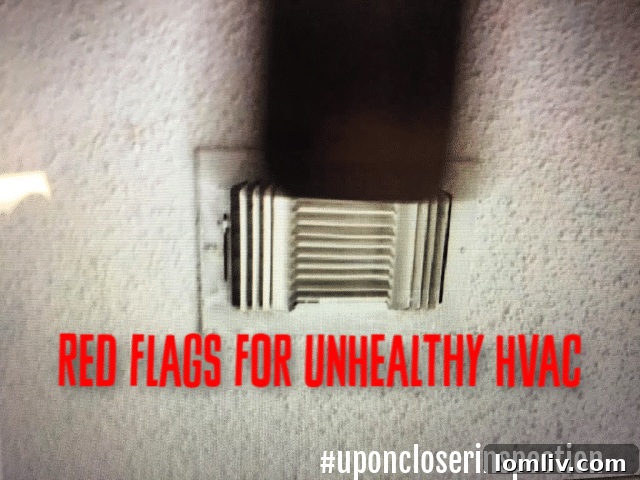
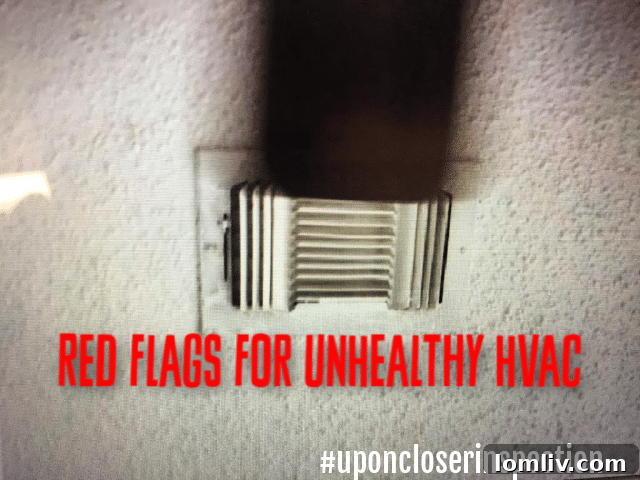
Your HVAC system’s air filter is its primary defense against the myriad of particles circulating in your home. From dust mites and pet dander to pollen, mold spores, and various pollutants, these filters capture contaminants before they can be recirculated. But what happens when this crucial component is neglected? The image above provides a stark visual representation of what can accumulate in and around a dirty vent—that’s not merely a shadow; it’s a visible testament to the air quality you might be breathing.
The consequences of neglecting your air filters are multi-faceted and detrimental. Firstly, a clogged filter restricts airflow, forcing your HVAC unit to work significantly harder to push and pull air throughout your home. This increased strain not only leads to higher energy consumption and skyrocketing utility bills but also accelerates wear and tear on expensive components, shortening the system’s overall lifespan. Secondly, and perhaps more importantly for your family’s well-being, a dirty filter becomes a breeding ground for bacteria and mold, allowing these undesirable elements to bypass the filter and spread throughout your living spaces. This directly compromises your indoor air quality, potentially exacerbating allergies, asthma, and other respiratory issues for occupants.
Best Practices for Optimal Air Filter Maintenance
Regular maintenance of your air filtration system is a simple yet profoundly impactful task. Most standard residential HVAC filters require changing at least once a month. However, this frequency can vary based on several factors, including:
- Pet Ownership: Homes with pets typically accumulate more dander and hair, necessitating more frequent filter changes, often every 2-3 weeks.
- Allergies and Respiratory Conditions: If anyone in your household suffers from allergies, asthma, or other respiratory sensitivities, changing filters more frequently (e.g., every 2-3 weeks) can significantly improve their comfort and health.
- Household Occupancy: Larger families or homes with frequent guests tend to generate more dust and debris.
- Local Air Quality: If you live in an area with high pollen counts, construction nearby, or elevated outdoor pollution, you may need to change filters more often.
- Filter Type: Different MERV (Minimum Efficiency Reporting Value) rated filters have varying lifespans and efficiency levels. Higher MERV filters capture finer particles but can restrict airflow more quickly if not changed regularly. Always consult your HVAC system’s manual for recommended MERV ratings.
Beyond simply changing the filter, it’s also crucial to clean the vent covers themselves. Dust and debris accumulate on these surfaces, and simply replacing the filter won’t address this buildup. A quick wipe-down or vacuuming of the vent covers at least quarterly will prevent the redistribution of surface dust back into your newly filtered air.
The Hidden Danger: Condensation, Moisture, and Mold Growth
You’ve likely observed condensation on or around your vents, particularly during periods of high humidity or dramatic weather shifts. This phenomenon is a natural byproduct of the air conditioning process, as warm, moist air comes into contact with cool surfaces. In a properly functioning HVAC system, a critical component known as the condensate line efficiently carries this collected water away from your home, typically draining it outdoors or into a utility sink. This prevents moisture buildup and protects your system and home from water damage.
However, in an improperly maintained system, or one where the condensate line becomes clogged with algae, sludge, or debris, this crucial drainage fails. When the condensate line is blocked, moisture can collect within the drain pan, inside the air handler, and around your vents. This stagnant water creates an ideal environment for microbial growth, leading to the proliferation of mold—and not just any mold. The image below illustrates a serious issue where moisture accumulation has led to the growth of black mold.
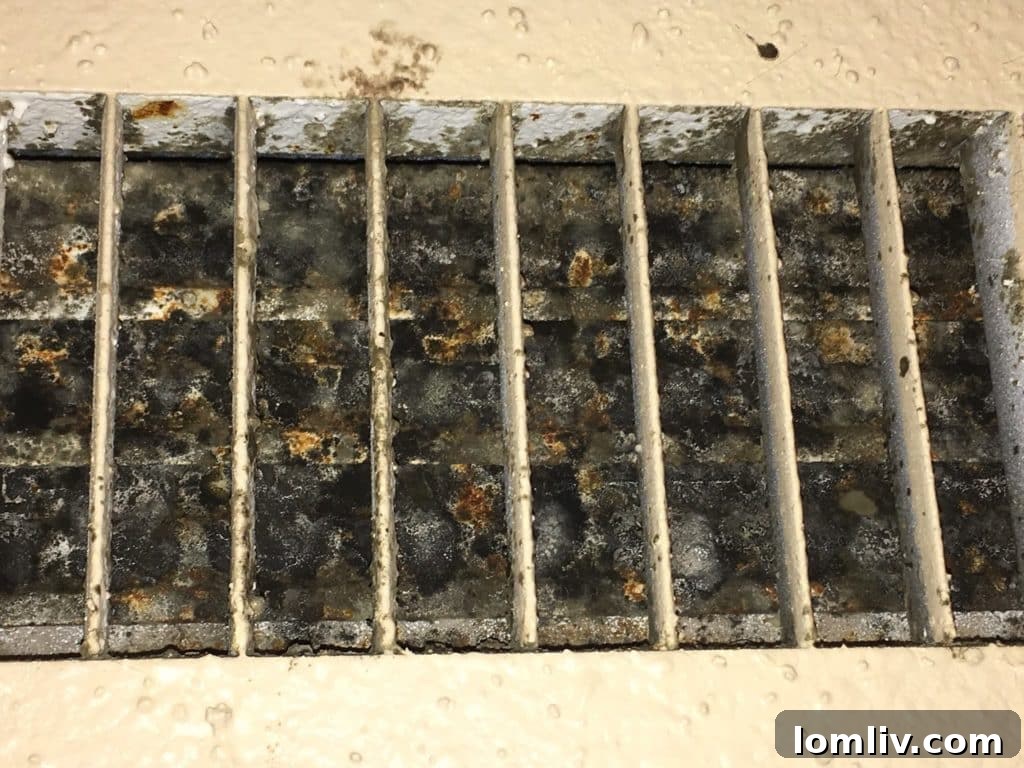
Black mold, often identified by its dark, slimy appearance, is not only unsightly but also poses significant health risks. Exposure to black mold can cause a range of symptoms, including respiratory problems, skin irritation, headaches, and fatigue. For individuals with compromised immune systems, allergies, or asthma, the effects can be severe. Preventing mold growth starts with ensuring your condensate line is clear and functioning properly. Regular professional HVAC inspections often include checking and cleaning this vital component, safeguarding your home against this insidious threat.
The Right Fit: Why Filter Size Matters
While the act of changing a filter is commendable, merely inserting any filter isn’t enough. The size of your air filter is just as critical as its cleanliness. An ill-fitting filter, even if sparkling clean, drastically reduces the efficiency and effectiveness of your HVAC system. A filter that is too small leaves gaps around its edges, allowing unfiltered air to bypass the filter entirely and circulate directly into your home and through your HVAC components. This defeats the purpose of filtration, exposing your indoor environment to pollutants and subjecting your system to unnecessary contamination.
Conversely, attempting to force a filter that is too large into the filter slot can damage the filter, the housing, or both, again compromising the seal and allowing air to bypass. As the saying goes, “a clean filter of the wrong size is better than nothing, but not by a lot.” The third image provides a visual example of how an incorrectly sized filter might look when improperly installed.
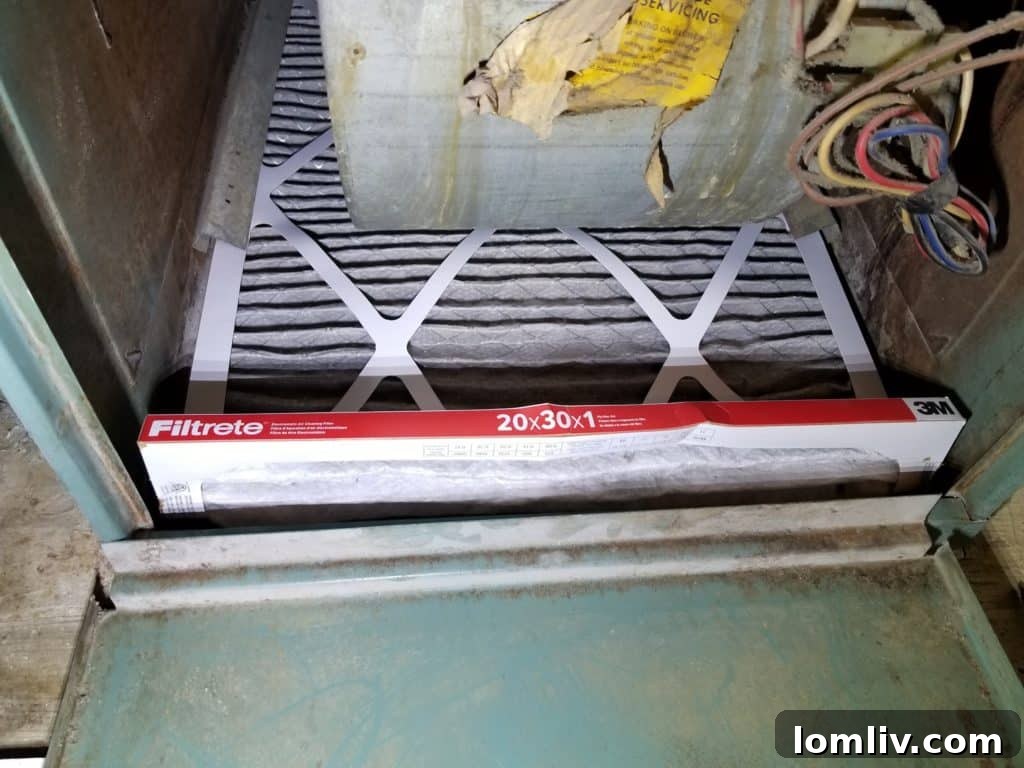
Before purchasing replacement filters, always double-check the dimensions printed on the side of your existing filter or consult your HVAC unit’s manual. Standard filter sizes are typically listed as Length x Width x Depth (e.g., 20x25x1). A few extra seconds of verification can save you money, improve your air quality, and extend the life of your system. Avoid the temptation to “shove it in there” if it doesn’t fit perfectly; invest in the correct size for optimal performance and protection.
Beyond Filters: Comprehensive HVAC Vent and Register Cleaning
While air filters capture airborne particles, dust and debris can still accumulate on the surfaces of your air registers (the intake and output vents in each room of your house) and within the ductwork over time. These accumulations not only detract from your home’s appearance but can also harbor allergens and restrict airflow, making your HVAC system work harder. A truly clean and efficient HVAC system requires attention to all its accessible components.
A good rule of thumb for better indoor air quality is to clean your registers and vents at least every three months, or quarterly. This can be done with a vacuum cleaner featuring a brush attachment to remove loose dust and debris, followed by a damp cloth with a mild cleaning solution to wipe down the grilles. For registers that are particularly dirty or greasy, removing them for a thorough wash in soapy water may be necessary. This simple task ensures that the air being delivered into your rooms is as clean as possible and that your system can distribute conditioned air effectively without impediment.
Regular, comprehensive cleaning, including both filter replacement and vent cleaning, contributes significantly to the overall health and longevity of your HVAC system. A well-maintained system operates more efficiently, consumes less energy, and provides consistently better indoor air quality, translating into a healthier, more comfortable home for everyone.
Signs Your HVAC Needs Attention
Beyond routine maintenance, it’s important to recognize the warning signs that your HVAC system might be struggling. Early detection of issues can prevent minor problems from escalating into costly repairs. Keep an eye out for:
- Increased Energy Bills: A sudden spike in heating or cooling costs often indicates your system is working harder than it should.
- Reduced Airflow: Weak air coming from vents can signal clogged filters, blocked ducts, or a failing blower motor.
- Unusual Noises: Grinding, squealing, banging, or persistent rattling sounds can point to mechanical issues.
- Strange Odors: Musty smells often indicate mold or mildew, while a burning smell could signal an electrical problem.
- Inconsistent Temperatures: Hot and cold spots throughout your home suggest poor airflow or an inefficient system.
- Frequent Cycling: If your unit turns on and off too frequently (short cycling), it could be a sign of an incorrectly sized unit or an underlying problem.
- Excessive Humidity: An HVAC system should help control indoor humidity. If your home feels excessively damp, it might not be working correctly.
The Value of Professional HVAC Maintenance
While homeowners can handle routine tasks like filter changes and vent cleaning, professional HVAC maintenance is indispensable for optimal system performance and longevity. Green Scene Home Inspections always recommends annual check-ups by a certified HVAC technician. During these visits, professionals perform a thorough inspection and tune-up that includes:
- Cleaning coils and drain lines.
- Checking refrigerant levels.
- Inspecting electrical connections and components.
- Lubricating moving parts.
- Calibrating thermostats.
- Assessing overall system efficiency and identifying potential problems.
These comprehensive checks uncover hidden issues, ensure your system is running at peak efficiency, and extend its operational life. They are an investment that pays dividends in comfort, energy savings, and peace of mind.
Holistic Approach to Indoor Air Quality
Achieving truly superior indoor air quality involves more than just HVAC maintenance. It requires a holistic approach:
- Regular Vacuuming: Use a vacuum with a HEPA filter to capture fine particles from carpets and upholstery.
- Dusting: Wipe down surfaces regularly to prevent dust buildup.
- Humidity Control: Aim for indoor humidity levels between 30-50% to deter mold growth and dust mites.
- Ventilation: Open windows when outdoor air quality permits, or use exhaust fans in bathrooms and kitchens.
- Indoor Plants: Some plants can help filter airborne toxins.
- Avoid VOCs: Choose low-VOC paints, cleaners, and building materials.
- Carbon Monoxide Detectors: Install and test these vital safety devices regularly.
Conclusion: Invest in Your Home’s Health and Your Family’s Well-being
The health of your home’s HVAC system is directly linked to the health and comfort of its occupants. Neglecting this crucial system can lead to compromised indoor air quality, increased energy consumption, and costly repairs. By dedicating a small amount of time to regular tasks like changing air filters, cleaning vents and registers, and addressing condensation issues, you are making a significant investment in your home’s longevity and your family’s well-being.
Remember, a clean HVAC system is not just about extending its lifespan; it’s about providing a sanctuary of clean, fresh air for you and your loved ones. Make proactive HVAC maintenance a priority, and for a deeper understanding of your home’s overall health, trust the experts at Green Scene Home Inspections. Stay tuned for more “Upon Closer Inspection” next week!