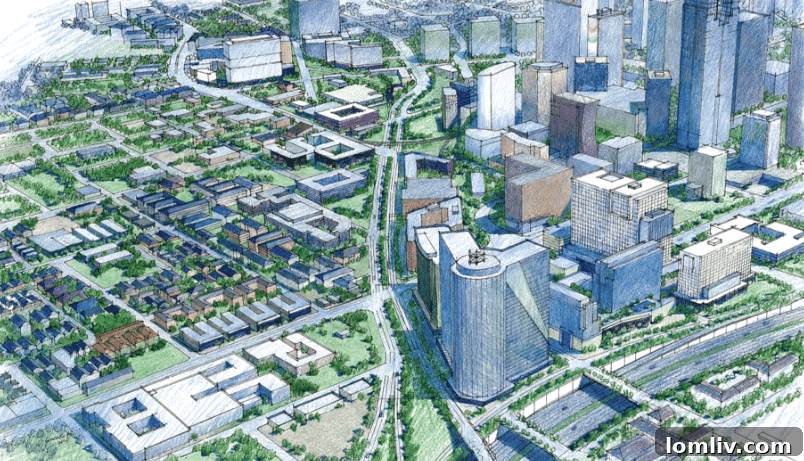
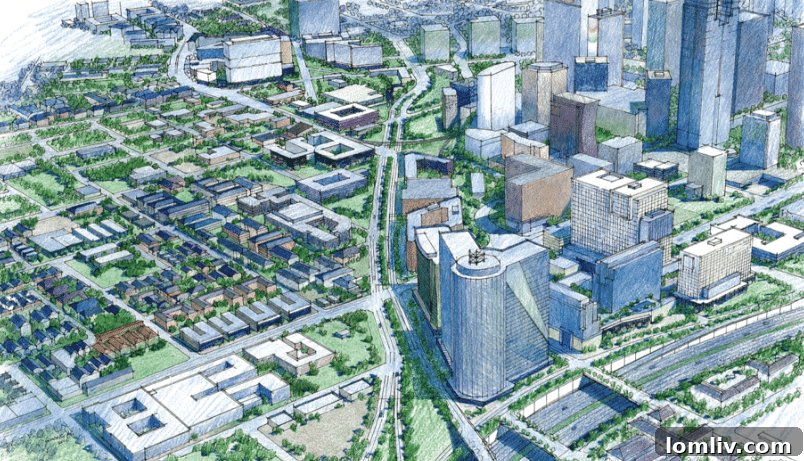
The future of Interstate 345, a vital yet aging artery slicing through the heart of Dallas, hangs in the balance as City Council members recently reignited a fervent debate. At the core of the discussion is the Texas Department of Transportation’s (TxDOT) “hybrid trench” recommendation, a multi-faceted proposal designed to modernize the highway while potentially unlocking new urban development opportunities. This pivotal decision carries significant implications for downtown Dallas, its adjacent communities, and the city’s long-term urban fabric.
During a comprehensive, two-plus-hour briefing, TxDOT engineer Ceason Clemens presented the department’s unyielding commitment to the hybrid trench option. Clemens consistently emphasized TxDOT’s position: this is the only plan currently backed by their available funding, and any deviation or prolonged study into alternatives could critically jeopardize the securement of necessary finances for the project. This firm stance underscored the urgency from TxDOT’s perspective, placing the Dallas City Council in a difficult position regarding project approval and alternative exploration.

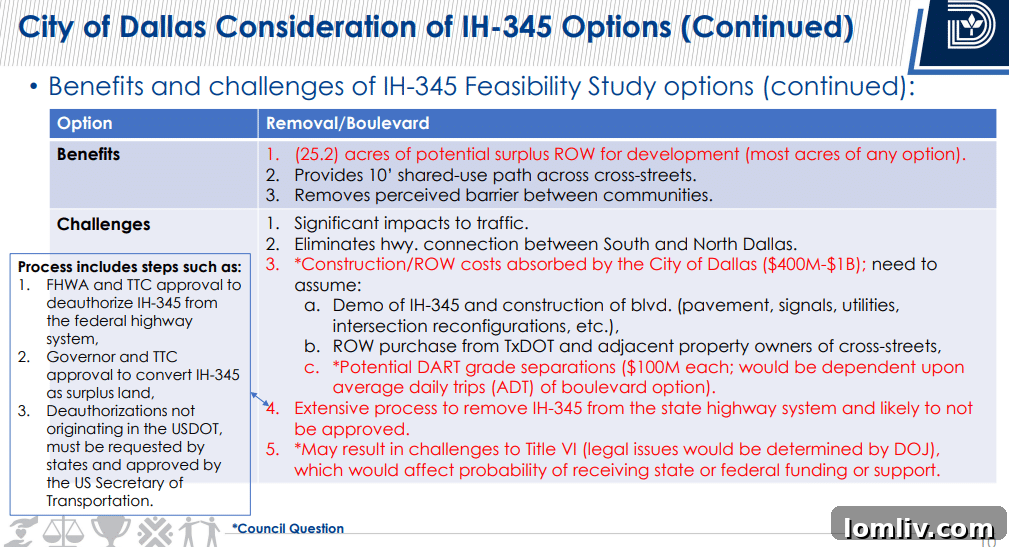
Clemens explicitly dismissed the viability of a “boulevard” option, a concept favored by some as a more community-centric alternative. “I would never recommend a boulevard to our commission,” Clemens stated unequivocally, explaining that extensive traffic impact studies concluded it simply “doesn’t make sense.” She argued that the hybrid alternative is carefully designed to benefit both the users of the facility – commuters and travelers – and the adjacent communities by fostering improved connectivity and potential for urban renewal. Her position was clear: “In my opinion, it would never get to the commission because my responsibility is to recommend projects and I would not recommend anything other than the hybrid.” This sentiment conveyed TxDOT’s deeply entrenched belief that their proposed solution is the most practical and efficient path forward.
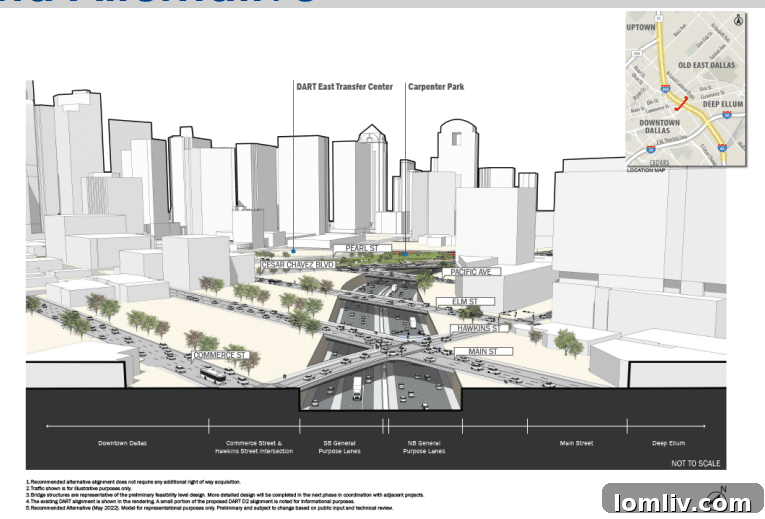
A crucial council vote on a resolution of support for TxDOT’s plan is anticipated on May 24. The hybrid trench proposal envisions lowering the highway approximately 65 feet below ground on the east side of downtown. This design would create a sunken roadway, with future plans allowing for traffic to flow beneath expansive decks. A significant advantage highlighted by TxDOT is the potential availability of about 5.4 acres of surplus right-of-way, which could be acquired by the city. This land is earmarked for crucial urban development, including much-needed affordable housing initiatives and broader economic development projects, promising a tangible return on investment for the city’s future growth.
Funding Alternatives and the Path Not Taken
The debate intensified following the City Council’s Transportation and Infrastructure Committee’s vote, where the hybrid trench option received a 5-2 endorsement. This vote effectively sidelined a “five-signature memo” submitted last month by several council members, which passionately advocated for an independent study of the I-345 project. The memo underscored concerns about the current proposal and sought a broader exploration of alternatives, suggesting that TxDOT’s plan might not fully address Dallas’s unique urban planning and community needs.
Following Wednesday’s council briefing, District 1 Councilman Chad West acknowledged the financial complexities inherent in exploring alternatives to TxDOT’s solution. While conceding that diverging from the proposed plan might incur additional costs for the city, West highlighted a critical oversight: the city had not yet actively pursued additional funding sources for alternative designs or studies. This revelation brought into question the thoroughness of the city’s due diligence in seeking a broader range of options for such a monumental infrastructure project.
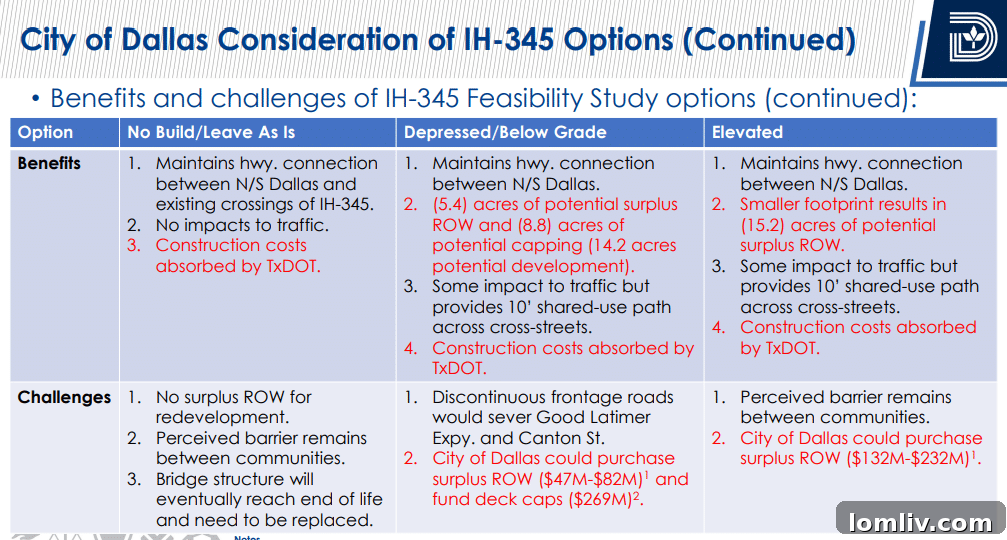
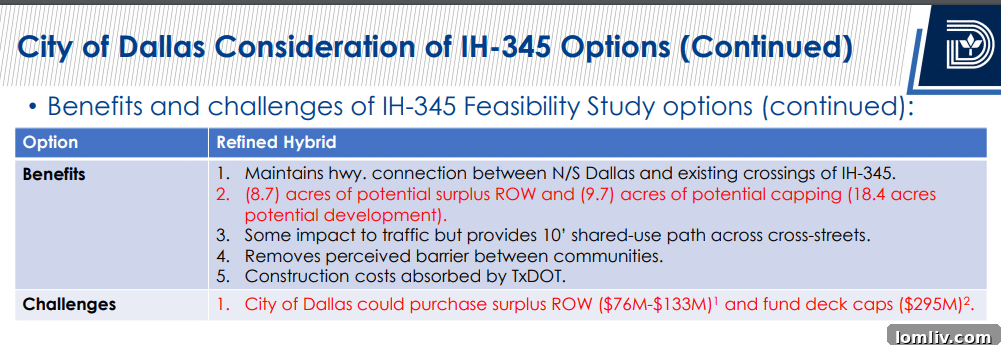
Recapping the Monday transportation committee meeting, West noted, “TxDOT reminded us that they have funding available to support the trench but would not pay at this time for anything else.” He further clarified the predicament: “If we do anything besides TxDOT’s plan, we’ve got to find the funding for it.” Compounding this challenge, West revealed that city staff had not yet approached congressional representatives or other Department of Transportation officials to seek funding for an alternative design or a feasibility study for such a design. This lack of proactive exploration left Dallas seemingly reliant on TxDOT’s singular offer.
West pointed to Detroit’s recent success in securing $100 million from the federal Reconnecting Communities Grant to dismantle a divisive highway, I-375, as a compelling example of what’s possible. He questioned why Dallas staff had not yet investigated whether similar funding avenues could be pursued locally. This comparison highlighted a perceived missed opportunity for Dallas to seek innovative solutions and federal support for a project that could fundamentally reshape its urban core, echoing a growing national movement to reimagine urban highways.
Weighing Options Against The “Hybrid Trench”
The “hybrid trench” recommendation has faced considerable opposition from various community groups, most notably Dallas Neighbors for Housing. This activist organization has been vocal in its resistance to TxDOT’s plan, advocating instead for a more transformative vision. Their official website serves as a platform to rally support for their mission: “to replace I-345 with affordable housing, green space, and targeted economic investment while making reparations to communities harmed by the initial erection of I-345.” This ambitious mission speaks to a broader desire for restorative justice and inclusive urban development, moving beyond mere infrastructure replacement.
In a powerful testament to community concerns, District 7 resident Sarah Hughes addressed the City Council during the Wednesday session. As someone who commutes on I-345 five days a week for her job at the nonprofit Parks for Downtown Dallas, Hughes brought a direct, personal perspective to the debate. She fervently urged the City Council “to conduct an independent study and not approve TxDOT’s hybrid alternative.”
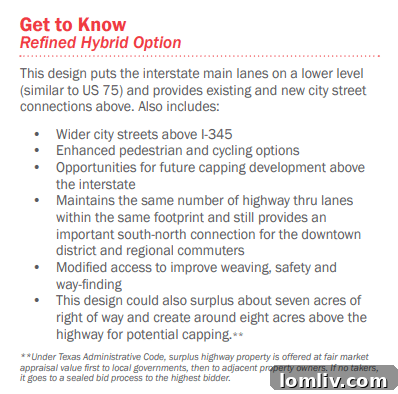
Hughes acknowledged the undisputed fact that “something needs to be done with this aging highway — that is for sure.” However, her primary concern revolved around the significant risks associated with approving a “10-lane trench without solid funding commitment to build decks on top.” She warned of a dire consequence: “Without the capping, TxDOT’s plan creates a literal canyon between downtown and Deep Ellum, further separating these neighborhoods.” This vivid imagery underscored the potential for the project to exacerbate existing urban divides rather than heal them, contradicting the goals of urban connectivity and revitalization.
In contrast, Alan Zreet, representing the mobility committee of Downtown Dallas Inc. (DDI), expressed support for the hybrid option, albeit with several important prioritized conditions. DDI, a powerful voice in downtown development, articulated its vision through a series of key bullet points. The mobility committee’s priorities include: giving precedence to pedestrians in urban design, ensuring appropriate infrastructure is in place for future decking, accommodating multimodal transportation connections, significantly improving the street grid and connectivity between downtown and Deep Ellum, minimizing environmental impacts to Carpenter Park, and thoughtfully incorporating elements from both the Downtown 360 Plan and the CityMAP study.
Zreet clarified DDI’s role, stating, “DDI’s focus to date has been in offering guiding principles to TxDOT and the city for all the options that are on the table.” He concluded with DDI’s conditional backing: “We’d like to go on record that DDI does support the TxDOT hybrid alternative on the condition that the above principles are adopted and considered as part of the design as it advances.” This conditional support highlights the complex interplay of interests, where vital stakeholders seek to shape the project to align with broader urban development goals.
The Future of Interstate 345: A Momentous Decision
The I-345 debate also exposed divisions within the City Council itself. District 2 Councilman Jesse Moreno, whose constituency includes the vibrant Deep Ellum neighborhood, has openly expressed interest in the “boulevard option.” This preference puts him at odds with TxDOT’s firm declaration that such an alternative is no longer a possibility. Moreno voiced his disappointment with a previous panel discussion, stating, “I was somewhat disappointed in the May 8 panel, which I believe was stacked with only one member supporting an option outside of the hybrid option.”
Moreno further criticized the preparedness of city staff during that briefing. “I believe staff was not prepared for that briefing,” he remarked. “We had directors letting us know they’d just learned about this 15 minutes ago and yet they were so adamant about supporting a plan they had not been fully briefed on. I found that concerning.” These comments reveal a deeper frustration regarding the transparency and thoroughness of the decision-making process, suggesting that critical stakeholders might not have been adequately informed or consulted.
Countering arguments for delay or alternative studies, TxDOT’s Ceason Clemens reiterated the long-standing nature of the project. She explained that TxDOT has been engaged with the I-345 initiative for 15 years, underscoring the immense amount of work and analysis already invested. Clemens also highlighted a pragmatic concern: construction costs are consistently rising, implying that further delays would only result in a more expensive project down the line, regardless of the chosen solution.
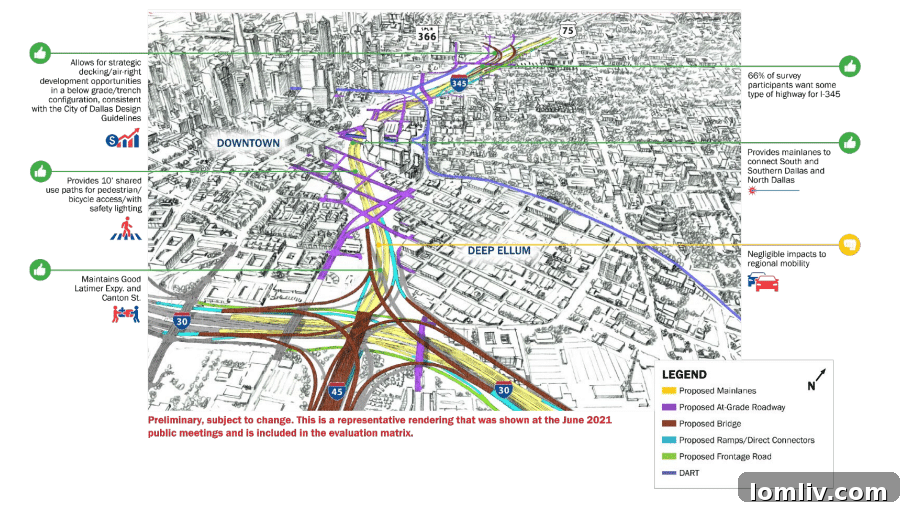
A particularly poignant argument for delaying the decision came from District 13 Councilwoman Gay Donnell Willis. She passionately advocated for a one-year postponement, citing a critical gap in the planning process: the lack of consideration for key city plans, including those related to racial equity, economic development, and environmental sustainability. Willis emphasized that these foundational documents, developed through extensive effort and public input, were notably absent from the discussions surrounding the hybrid option. “These plans that this body and those before us have been working on — that should be very present in a decision of this magnitude — are just not there,” she asserted.
Willis voiced a profound concern about the implications of moving forward without aligning the I-345 project with broader city goals. She paraphrased Assistant City Manager Robert Perez, suggesting an approach of “we’ll land on something and line it up and see what works, and we’ll either retrofit or it’ll just fall off.” This approach, she argued, is deeply problematic. “If it doesn’t fit but we’re already charging ahead with this plan, what happens with some of the critical aspects of the hard work that’s been done?” she questioned. Her powerful closing statement encapsulated the gravity of the moment: “I would love to be sitting here in June 2024 soundly showing support and making a decision because we have information that includes what we have put blood, sweat, and tears into … that very much affects our residents and the future of this city when we are long gone.” Her words served as a stark reminder of the long-term legacy of this decision, urging the council to prioritize comprehensive, equitable planning over expediency.