Navigating the HVAC Maze: Essential Maintenance for Home Comfort and Longevity
Picture this: It’s a sweltering 90-degree day, humidity hanging heavy in the air, and suddenly, your air conditioner’s fan and motor decide to call it quits. Two weeks ago, this wasn’t just a hypothetical scenario for us; it was our reality. The immediate aftermath? A frantic call to our trusted HVAC company, only to learn that vital replacement parts would take at least three, and potentially five, agonizing days to arrive, even with an expedited order. The prospect of enduring stifling heat, especially in a region notorious for its intense summers, is a stark reminder of how essential a functioning HVAC system truly is.
This personal experience underscores a broader truth for homeowners: the health of your HVAC system directly impacts your comfort, your wallet, and even the value of your property. Imagine purchasing a home in today’s competitive market, perhaps even waiving a critical inspection, only to discover that its heating, ventilation, and air conditioning system is barely limping along. Such a scenario can quickly transform the dream of homeownership into a costly nightmare. To help prevent such disasters and empower you with knowledge, we’ve gathered essential advice on preventing common HVAC problems and ensuring your system runs smoothly. For more in-depth insights, explore these valuable Upon Closer Inspection columns.
The Critical Role of Your HVAC System in Homeownership
For any homeowner, or a Realtor guiding clients through the buying process, understanding common home issues is paramount. Proactive awareness allows you to diligently care for your home during ownership and to identify potential red flags when considering a new purchase. In regions like North Texas, the HVAC system isn’t just a luxury; it’s a lifeline. Our climate puts these systems through an extreme workout, often demanding a switch from heating in the morning to air conditioning in the afternoon, only to revert to heating again by nightfall. This constant fluctuation significantly impacts wear and tear.
When assessing an HVAC system, its age and condition are key indicators. The average lifespan for a well-maintained HVAC unit typically ranges from 15 to 20 years. Therefore, knowing its age and the history of its maintenance is crucial for prospective buyers and current homeowners alike, enabling you to plan for future repairs or eventual replacement. A well-maintained system not only guarantees comfort but also contributes significantly to energy efficiency, reducing your monthly utility bills and minimizing your environmental footprint. Neglecting the HVAC can lead to exponential costs down the line, affecting both your immediate budget and the long-term value of your home.
For deeper dives into common HVAC problems and solutions, consider reading this informative article: A Closer Look: Common Problems with HVAC
Don’t Skip Annual Professional HVAC Maintenance
One of the most effective strategies for extending the life of your HVAC system and preventing unexpected breakdowns is to schedule annual professional maintenance. It’s universally recommended to have your air conditioning unit serviced at least once a year, ideally in the spring before the intense heat sets in, and your furnace serviced in the fall. This routine check-up ensures that your system has adequate refrigerant levels, its mechanical components are clean and operating efficiently, and your vents and ductwork are correctly configured and free from obstructions.
A professional service appointment typically includes a thorough inspection and tune-up. Technicians will clean condenser and evaporator coils, check refrigerant pressure, lubricate moving parts, inspect electrical connections, clear the condensate drain line, and assess the overall performance and safety of the unit. This proactive approach helps identify minor issues before they escalate into major, costly repairs. Investing in preventative maintenance is invariably more cost-effective than facing emergency repairs or the premature replacement of your entire system. It ensures your unit operates at peak efficiency, saving you money on energy bills and providing consistent comfort throughout the year.
For more insights into keeping your system cool as temperatures rise, check out: What’s Cooler Than Cool When It Starts to Get Hot?
When Seasons Shift, Problems Pop Up: Preparing Your Home
Seasonal transitions often expose underlying issues in home systems, and the HVAC is no exception. Whether you’re actively searching for a new home or are a seasoned homeowner, being aware of season-specific maintenance and potential problems is crucial. Even a mild spring, as we experienced this year, can lull us into a false sense of security regarding our HVAC system’s health. However, regardless of the weather’s nuances, consistent and regular servicing is paramount to preventing significant system failures.
As spring transitions into summer, your AC unit begins its demanding work. High temperatures lead to increased system strain, making issues like refrigerant leaks, dirty coils, or clogged drain lines more apparent and problematic. Conversely, as summer yields to fall and then winter, your furnace takes center stage. This shift necessitates checks for gas leaks, proper ventilation, and efficient heating element operation. Each season presents unique challenges and demands on your HVAC system, highlighting the importance of tailored maintenance to ensure year-round comfort and system longevity. Being prepared for these seasonal shifts helps prevent inconvenient breakdowns and ensures your home remains a comfortable sanctuary, no matter the outside weather.
Get your home ready for summer by taking a closer look at seasonal issues with this article: Get Your Home Ready For Summer By Taking A Closer Look At Seasonal Issues
Empowering Homeowners: Everyday HVAC Care and DIY Tips
While professional annual maintenance is indispensable, there are several everyday tasks homeowners can perform to keep their HVAC systems healthy and efficient. These simple, routine habits can significantly extend the life of your unit, improve indoor air quality, and help you save on energy costs. Let’s delve into some practical tips:
The Importance of Filter Replacement
Honestly, how often do you clean or replace your HVAC registers and filters? This is arguably the simplest yet most overlooked aspect of HVAC maintenance. Your air conditioner works tirelessly during hot months, requiring extra attention. Filters become clogged with dust, pet dander, pollen, and other airborne particles, restricting airflow and forcing your system to work harder. This not only decreases efficiency but can also lead to premature wear and tear on components.
Replacing your air filter every 1-3 months (depending on filter type, household size, pets, and allergies) is a game-changer. It improves airflow, maintains indoor air quality, and keeps your energy bills in check. Familiarize yourself with the MERV rating system for filters to choose the right balance between filtration effectiveness and airflow for your system.
Keep Registers and Vents Clean
Beyond the main filter, the registers and vents throughout your home can accumulate dust and debris, further impeding airflow. The significant temperature differential between the cool air flowing from your AC and the warm ambient air can lead to condensation around vents, creating a prime breeding ground for mold and mildew – a definite “ew” factor. Regularly vacuuming or wiping down your registers ensures unobstructed airflow and prevents the accumulation of allergens and mold spores in your living spaces. This simple task contributes to both system efficiency and healthier indoor air quality.
Outdoor Unit TLC
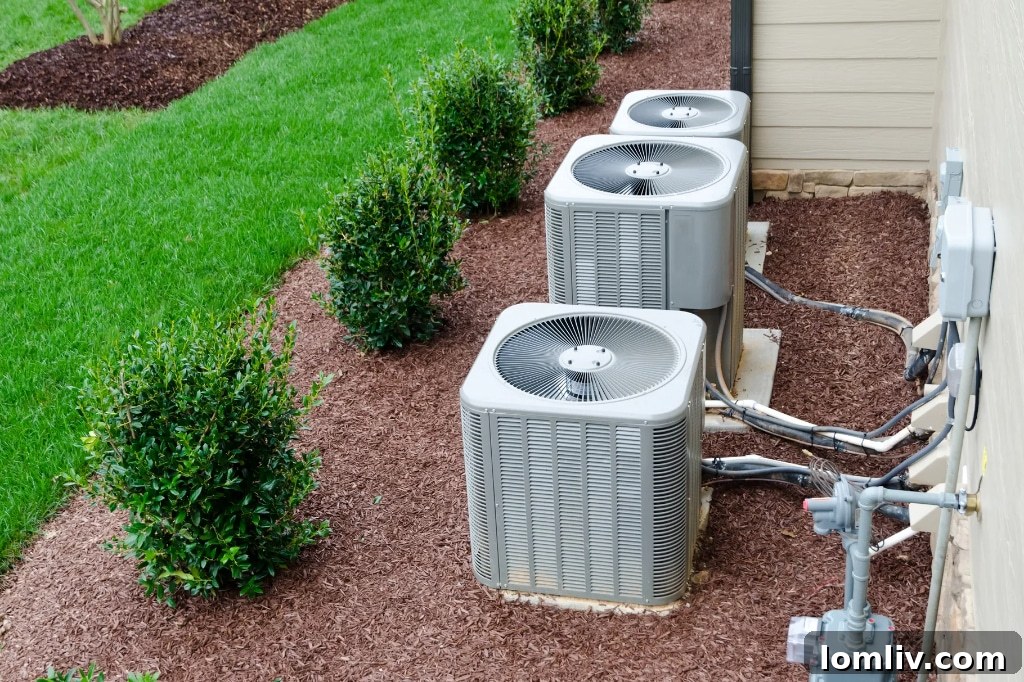
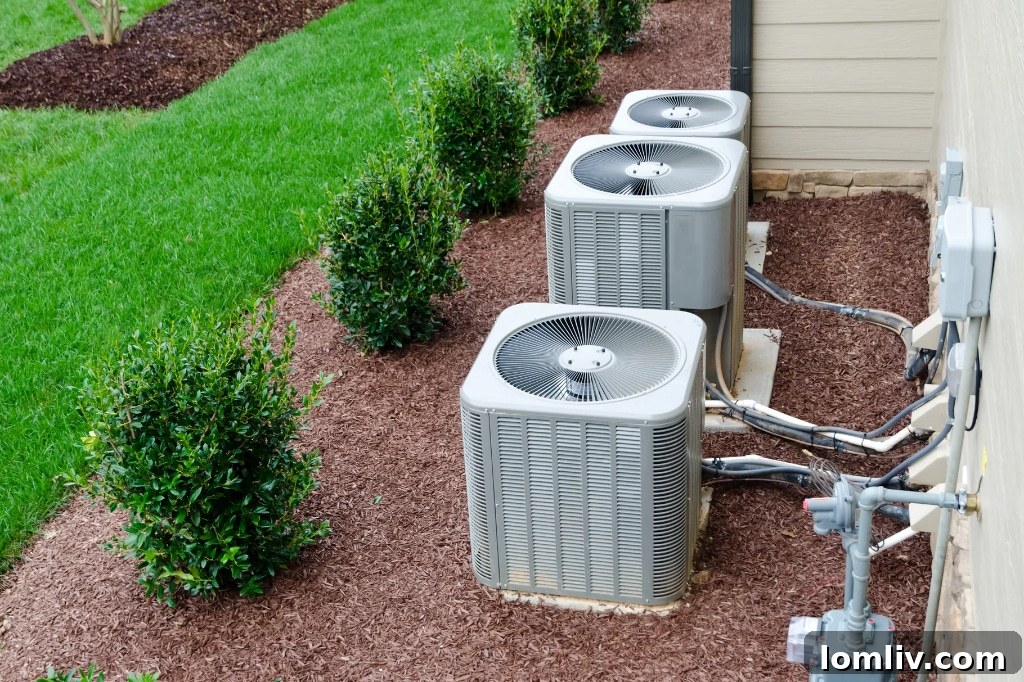
The outdoor condenser unit is vital to your AC’s operation. Over time, it can become surrounded by foliage, grass clippings, dirt, and other debris, which can block airflow and reduce its cooling capacity. Regularly clear away leaves, grass, and other obstructions from around the unit, ensuring at least two feet of clear space in all directions. You can also gently rinse the condenser coils with a garden hose to remove surface dirt, but always ensure the unit is turned off at the thermostat and the breaker before attempting any cleaning. Avoid using high-pressure washers, as they can damage the delicate fins.
Smart Thermostat Management
Your thermostat is the brain of your HVAC system. Utilizing a programmable or smart thermostat can lead to significant energy savings. Program your thermostat to adjust temperatures when you’re away from home or sleeping, allowing the system to work less intensely. For example, setting your AC a few degrees higher when you’re out and lowering it just before you return can dramatically reduce energy consumption without sacrificing comfort. Avoid drastic temperature swings, as these force your system to work harder to achieve the desired setting, using more energy.
Mind Your Condensate Drain Line
As your AC cools, it removes humidity from the air, producing condensation. This water collects in a drain pan and exits through a condensate drain line. Over time, algae and mold can grow in this line, causing it to clog. A clogged drain line can lead to water leaks, potential water damage, and even cause your AC system to shut down as a safety measure. Regularly pouring a cup of distilled white vinegar down the condensate drain line (usually found near the indoor unit) can help prevent clogs and keep the line clear, ensuring proper drainage.
Your house is having a hot summer too! Here’s how to help it cool down: Having a Hot Girl Summer? Your House Is Too!
Recognizing Warning Signs: When to Call a Professional
Even with diligent maintenance, HVAC systems can develop problems that require professional attention. Being able to recognize the early warning signs can prevent minor issues from escalating into major, costly breakdowns. Pay attention to your system and your home environment for any of these indicators:
- Unusual Noises: Grinding, squealing, banging, hissing, or bubbling sounds can indicate mechanical issues, loose parts, or refrigerant leaks.
- Strange Odors: A burning smell might suggest an electrical problem, while a musty odor points to mold or mildew in the ductwork or drain pan. A gas smell, especially near a furnace, requires immediate attention and professional help.
- Uneven Heating or Cooling: If some rooms are significantly warmer or colder than others, it could indicate ductwork issues, blocked vents, or a struggling system.
- Water Leaks: Puddles around your indoor unit or furnace often signify a clogged condensate drain line or a refrigerant leak.
- Frequent Cycling (Short Cycling): If your system turns on and off frequently and for short periods, it may be oversized, low on refrigerant, or experiencing electrical problems.
- Sudden Spike in Energy Bills: A noticeable increase in your utility bills without a change in usage habits can mean your HVAC system is operating inefficiently.
- No Airflow or Ineffective Air: If the unit is running but producing little to no airflow, or if the air isn’t reaching the desired temperature (e.g., warm air from the AC, cold air from the furnace), it’s a clear sign of trouble.
If you notice any of these signs, it’s best to contact a certified HVAC technician promptly. Attempting complex repairs yourself without proper training can be dangerous and may void your warranty.
Repair or Replace? Making an Informed Decision
Eventually, every HVAC system reaches the end of its functional life. Deciding whether to repair a failing unit or invest in a new one can be a challenging decision, but several factors can help guide you:
- Age of the Unit: If your system is older than 15-20 years, a replacement is often a more cost-effective long-term solution, especially given advancements in energy efficiency.
- Frequency and Cost of Repairs: If repairs are becoming more frequent and their cost approaches 30-50% of the price of a new unit, it’s usually time to replace.
- Energy Efficiency Ratings: Modern HVAC units boast significantly higher Seasonal Energy Efficiency Ratio (SEER) for AC and Annual Fuel Utilization Efficiency (AFUE) for furnaces. A new, more efficient unit can drastically reduce your energy consumption and utility bills.
- Availability of Parts: For older systems, parts can become scarce or expensive, making repairs difficult or uneconomical.
- Home Comfort: If your current system is no longer providing consistent comfort, struggling to maintain desired temperatures, or affecting your indoor air quality, a new unit can offer a fresh start.
While the upfront cost of a new HVAC system can be substantial, the benefits often outweigh the continued expense and inconvenience of maintaining an aging, inefficient unit. Newer systems come with warranties, advanced features, and a promise of consistent comfort and significant energy savings for years to come.
Conclusion: Your Home’s Climate Control Deserves Proactive Care
Our personal experience with a defunct AC unit in the peak of summer serves as a powerful testament to the indispensable role your HVAC system plays in maintaining a comfortable and healthy home environment. From the unique demands of North Texas weather to the everyday nuances of homeownership, understanding and proactively managing your HVAC is not just about convenience; it’s about safeguarding your investment and ensuring your family’s well-being.
By prioritizing annual professional maintenance, staying vigilant for seasonal challenges, and incorporating simple DIY care into your routine, you can significantly extend the lifespan of your system, enhance its efficiency, and preempt those frustrating and costly breakdowns. Don’t wait for your system to give up the ghost; empower yourself with knowledge and action. Regular inspections, timely maintenance, and an informed approach to potential issues are your best defense against the extremes of weather and the unexpected hassles of home repairs. Invest in your HVAC, and it will continue to invest in your comfort for years to come. Don’t let your HVAC system leave you battling the elements indoors – take control of your home’s climate today!