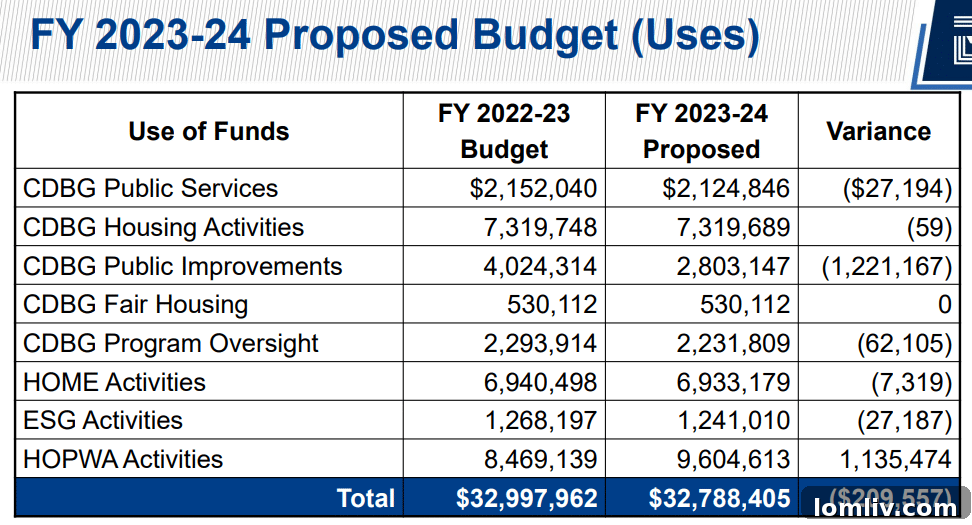
The City of Dallas is poised to significantly impact its community development and housing landscape, having secured approximately $32 million in vital funding from the U.S. Department of Housing and Urban Development (HUD) for the current budget year. These substantial HUD funds are earmarked for an array of critical housing programs, primarily channeled through the city’s established Community Development Block Grant (CDBG) program and the Home Investment Partnerships Program (HOME), among other essential urban initiatives.
This allocation marks a pivotal moment as the city enters the final year of its comprehensive five-year plan for HUD funds. Dallas City Council members recently convened to discuss and strategize the precise distribution of these dollars, a process crucial for maximizing their impact across various sectors. During a Wednesday briefing, council members meticulously reviewed several proposed budget amendments, consistently emphasizing their overarching commitment to addressing pressing housing-related priorities within the city. The discussions underscored the city’s dedicated efforts to foster sustainable growth and enhance the quality of life for its residents through targeted investments.
Dallas Prioritizes Affordable Housing Initiatives
Affordable housing remains a cornerstone of Dallas’s urban development strategy, a sentiment strongly echoed by city leaders. District 7 Councilman Adam Bazaldua, currently seeking re-election against Tracy Dotie Hill, Marvin E. Crenshaw, and Okema Thomas, articulated this priority with conviction. “I think we need to continue to stay focused on affordable housing,” Bazaldua stated, highlighting the persistent challenges many Dallas residents face in securing stable and affordable living situations. This commitment is not merely rhetorical; it drives tangible policy decisions and resource allocations aimed at creating more equitable housing opportunities across the city.
Addressing the immediate and critical needs of Dallas’s most vulnerable populations, the city council has already taken decisive action. A significant budget reallocation, aimed at creating permanent supportive housing for the homeless, received approval during a council meeting last week. This groundbreaking initiative involves the repurposing of the former Miramar Hotel into a dedicated facility. This strategic move is designed to expedite the process of providing stable and supportive environments for individuals experiencing homelessness, offering not just shelter but also essential services to foster long-term stability and reintegration into the community. Such projects exemplify Dallas’s proactive approach to confronting its housing challenges head-on.
Strategic Allocation: Navigating HUD Fund Utilization
The allocation of federal HUD funds is a complex process, often leading to robust debate among city officials regarding the most impactful use of resources. Councilwoman Cara Mendelsohn raised a critical question regarding the effectiveness of city grant-funded programs, specifically CDBG and HOME, in assisting first-time homebuyers. She noted a perceived inefficiency, observing that a $400,000 allocation was projected to assist fewer than 20 first-time homebuyers. Mendelsohn proposed an alternative: redirecting these funds towards upgrading crucial public infrastructure, such as sidewalks, and ensuring compliance with the American Disabilities Act (ADA).
Mendelsohn’s rationale stemmed from practical concerns about resource optimization. She explained that these federal dollars often do not stretch as far as anticipated, leading to frequent reallocations if insufficient numbers of eligible residents apply for the programs. “We’re so desperate for these sidewalks and I have a feeling we’re just going to end up reprogramming this money anyhow,” she asserted. Her constituents, she added, have vociferously requested improved sidewalks to ensure the safe passage of thousands of youth walking to school, emphasizing a direct and immediate community need that could benefit from such investment. This highlights the inherent tension between different critical city needs and the challenge of balancing long-term housing goals with immediate infrastructure demands.
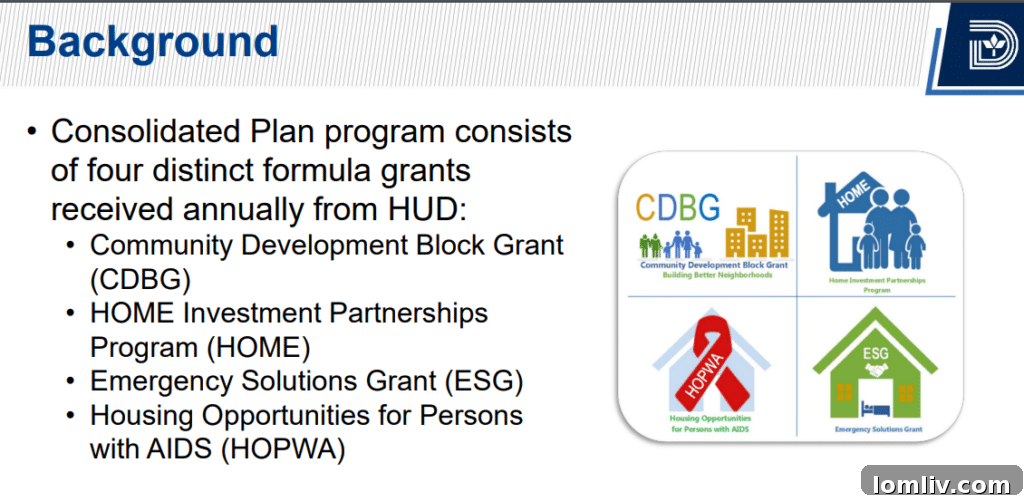
City Manager T.C. Broadnax provided a detailed response, underscoring the council’s high priority placed on providing assistance to first-time homebuyers. He also clarified that a comprehensive sidewalk master plan is already in place to address the city’s broader infrastructure needs. Broadnax further elaborated on the specific nature of CDBG funds: “These [CDBG] funds are targeted specifically for that kind of activity,” he said, referring to housing programs. “We don’t typically use general funds for down payment assistance programs. The funding source and the precision of that funding source should match the solution. It does not seem congruent with how we’ve approached using CDBG funds.” This explanation highlighted the federal mandates and specific guidelines governing the use of such grants, which often restrict their redirection to unrelated projects, even if those projects are equally meritorious.
To further contextualize the impact of Mendelsohn’s proposed reallocation, Broadnax later added that the $400,000 in question would only fund approximately four blocks of sidewalks, illustrating the limited scope of impact compared to the city’s vast infrastructure requirements. Ultimately, without sufficient support from other council members, Councilwoman Mendelsohn opted to withdraw her motion to reallocate the CDBG funds, allowing the proposed housing allocations to proceed as planned. This debate underscored the ongoing dialogue within the council about effective resource management and adherence to federal funding stipulations.
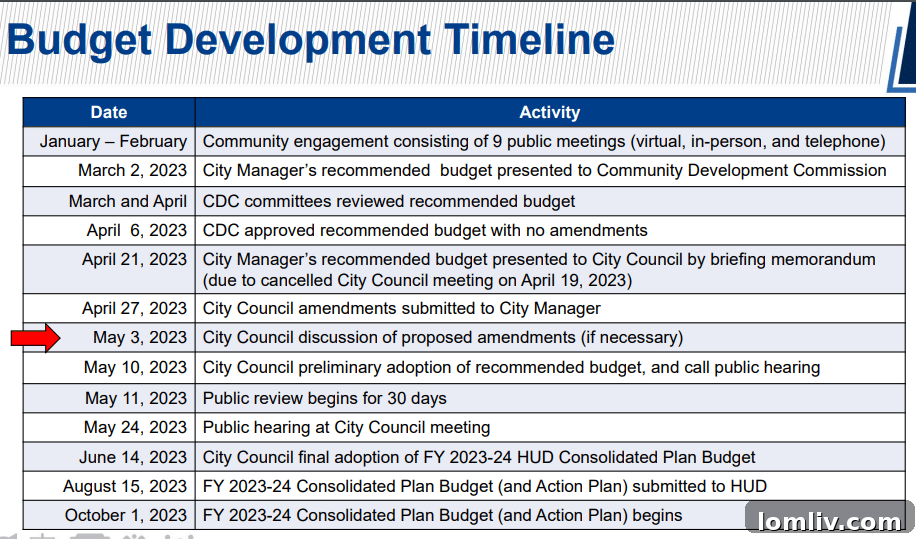
Councilman Bazaldua seized the opportunity to reiterate his earlier point on the importance of consistency and resolve in addressing housing affordability. He urged city leaders to “not talk out both sides of their mouths” when it comes to this critical issue. “We’ve got to be more aggressive and serious about addressing our affordable housing need in this city,” he asserted, pushing for bolder strategies and unwavering commitment. The public will have its opportunity to weigh in on these crucial decisions during a public hearing on the HUD fund, scheduled for May 24, with the final adoption of the HUD Consolidated Plan Budget slated for June 14. These dates mark critical milestones for community engagement and ultimate policy decisions.
Comprehensive Review: Dallas City Budget Amendments
Beyond the specific HUD fund allocations, the Dallas City Council also undertook a thorough review of a broader set of budget amendments. These amendments hold wide-ranging implications, affecting the city’s general fund, its various grants and trusts, and its vital capital fund. Such comprehensive reviews are essential to maintaining fiscal health and adaptability in response to evolving urban needs and economic conditions.
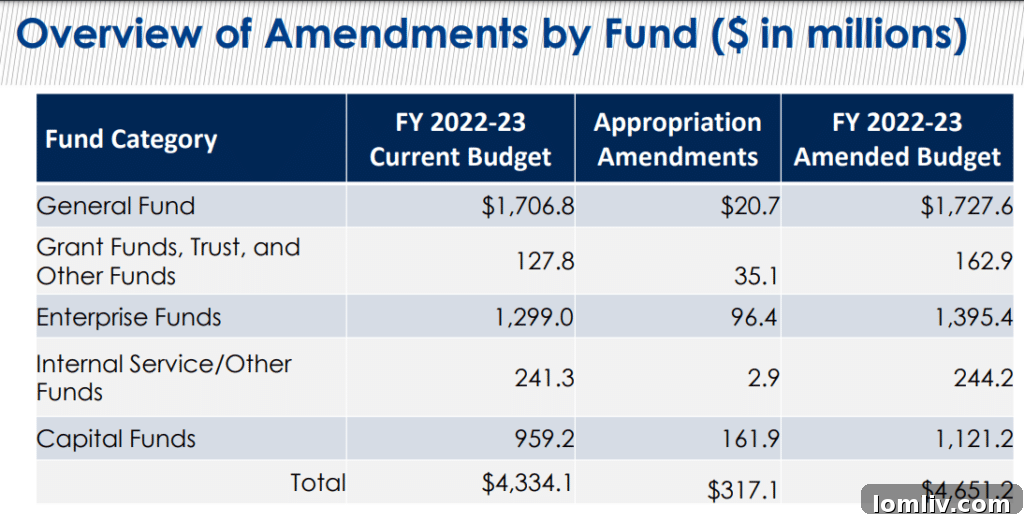
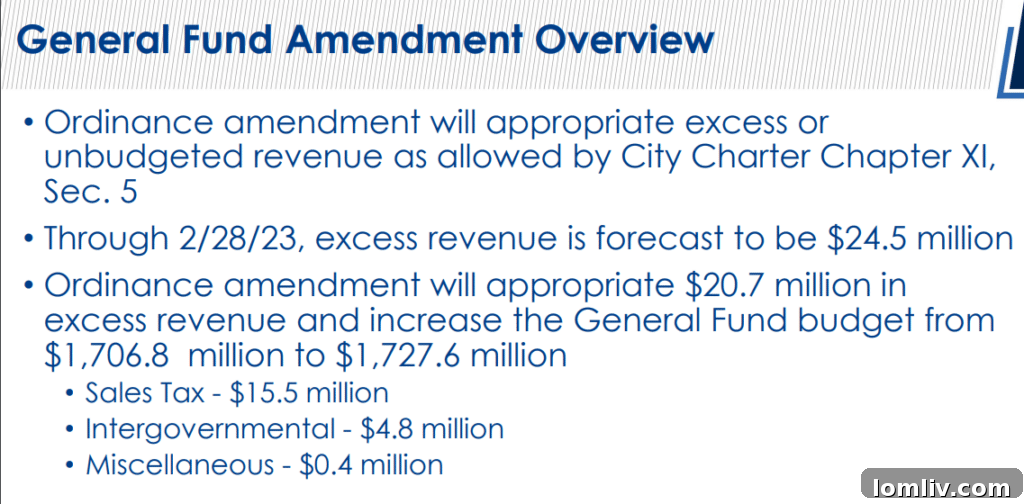
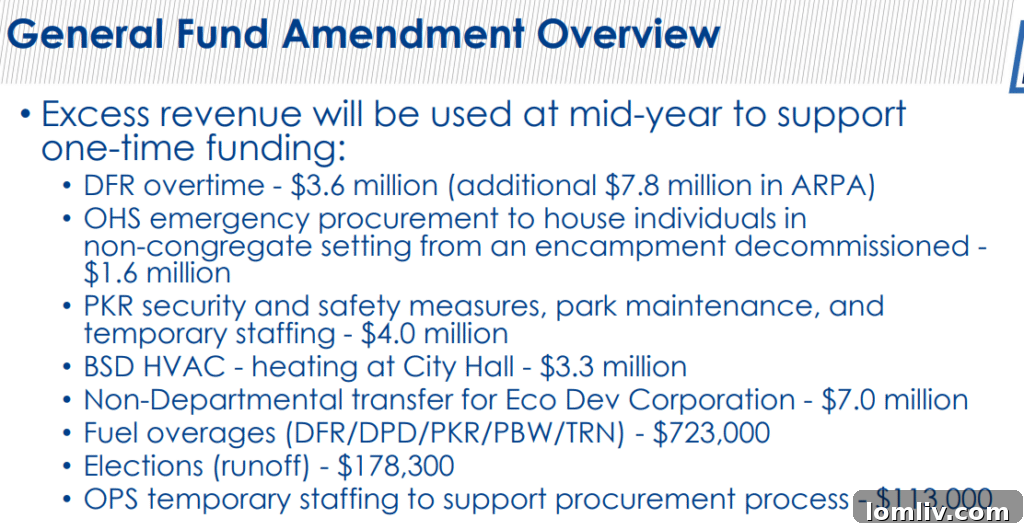
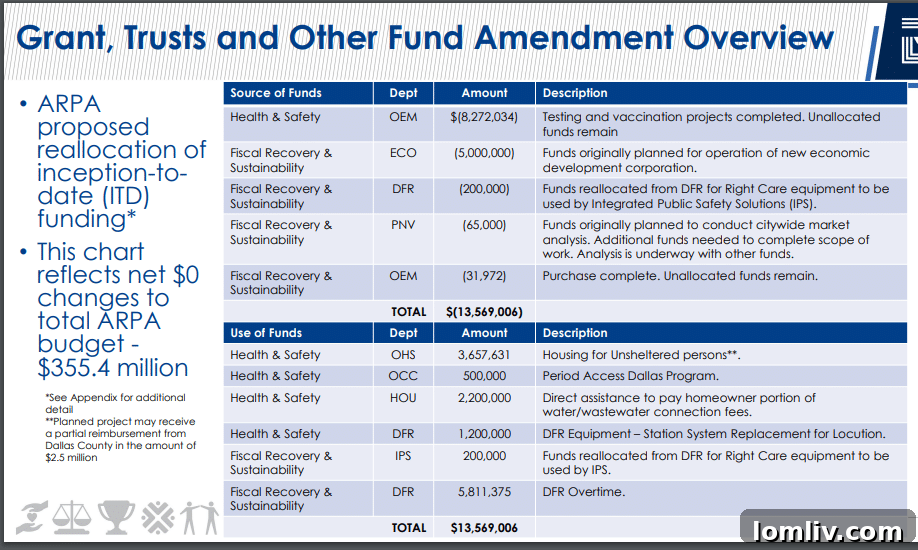
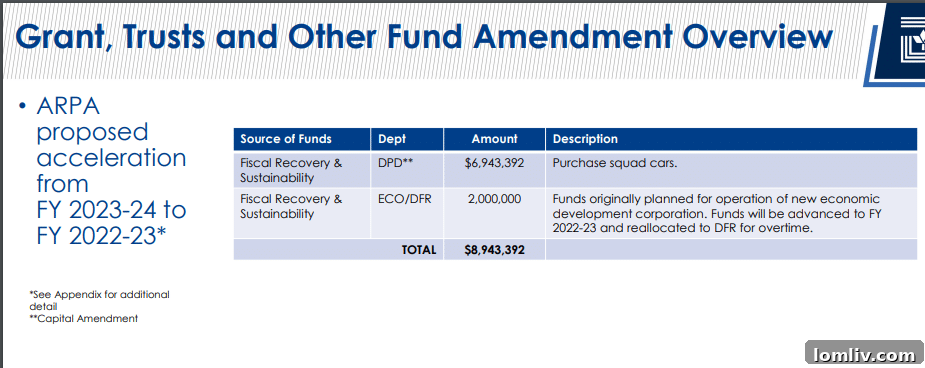
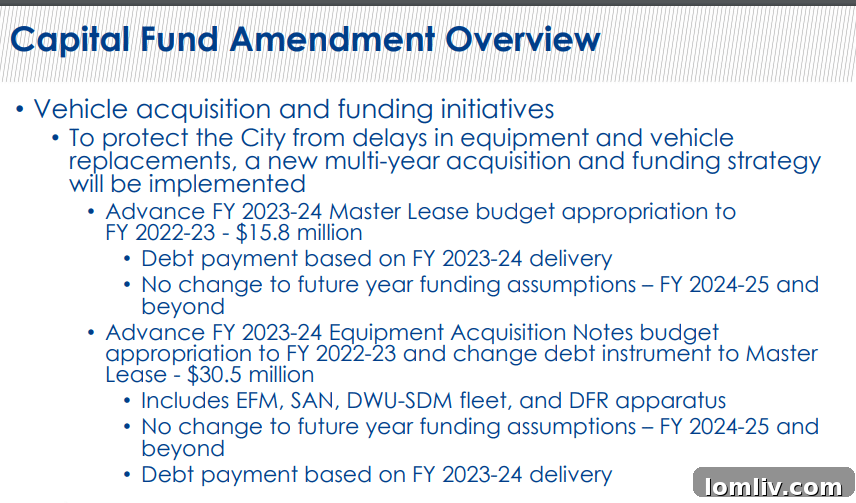
Budget Director Janette Weedon offered a clear justification for these amendments, explaining that they were necessary to adjust for excess revenues. These additional funds are crucial for supporting a range of essential city services, including covering overtime pay for the diligent personnel of Dallas Fire-Rescue, managing rising fuel costs for city operations, and maintaining vital infrastructure such as the heating system at City Hall. These adjustments ensure that critical city functions can continue uninterrupted and effectively serve the public.
Furthermore, the capital funds underwent specific amendments to bolster several key Dallas Water Utilities projects. These include investments in advanced stormwater drainage management systems, crucial for protecting the city from severe weather events, and the necessary replacement of aging fleet vehicles, ensuring operational efficiency and reliability for essential services. Such capital investments are foundational to the city’s long-term resilience and public utility provision.
Chief Financial Officer Jack Ireland candidly acknowledged the intricate nature of the financial discussions. “This is a pretty complex briefing,” he admitted, recognizing the depth and breadth of the budget review. “There’s a lot of movement of funds. We didn’t want to leave out any details, so you got a lot of details.” His remarks highlighted the comprehensive and transparent approach taken by city staff to present a thorough overview of the financial landscape to the council. Despite the complexity, council members engaged actively, posing numerous questions to ensure clarity and accountability. Ultimately, they generally expressed support for the amendments as proposed by staff, reflecting a consensus on the strategic financial adjustments.
It is important to note that because both the HUD funding and the general budget amendments were presented as briefing items, no formal votes were taken during this session. However, these critical items are anticipated to appear on future meeting agendas for a definitive vote, allowing for any additional amendments or modifications that the council may propose after further deliberation. This structured process ensures thorough review and democratic decision-making.
Among the detailed budget items, District 1 Councilman Chad West, who is also seeking re-election against Mariana Griggs and Albert Mata, drew particular attention to a significant $5.7 million allocation. This sum is designated for a “building permitting and land management solution software” within the Development Services Department. West emphasized the transformative potential of such an investment. “I just want to say generally … anything we need to do in our permit office to make it the most efficient, effective permit office in the country … I would support increases in fees if that’s what it takes to continue improving on our permitting efficiencies,” he declared. This statement highlights the city’s commitment to streamlining bureaucratic processes, which is crucial for fostering economic development, attracting investment, and facilitating the rapid and efficient construction of much-needed housing and commercial projects across Dallas. An efficient permit office is not merely about convenience; it is a critical driver of urban growth and responsiveness to market demands, directly impacting the city’s ability to evolve and thrive.