Mastering the Sale: Strategies for Realtors When Sellers Are Uncooperative
In today’s highly competitive real estate market, first impressions are paramount. The journey to selling a home often begins not with an in-person visit, but with a digital scroll through online listings. For real estate professionals, this means every detail, especially the visual presentation, must be impeccable. Yet, what happens when a seller, despite your best efforts, proves uncooperative in preparing their home for sale? This question recently sparked a vital discussion among industry experts and the broader community, revealing the complexities and challenges Realtors face in ensuring a property shines.
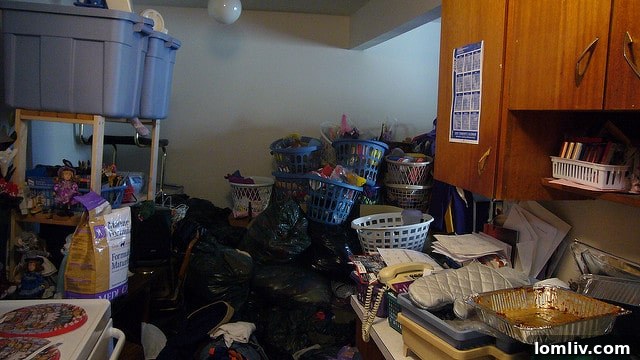
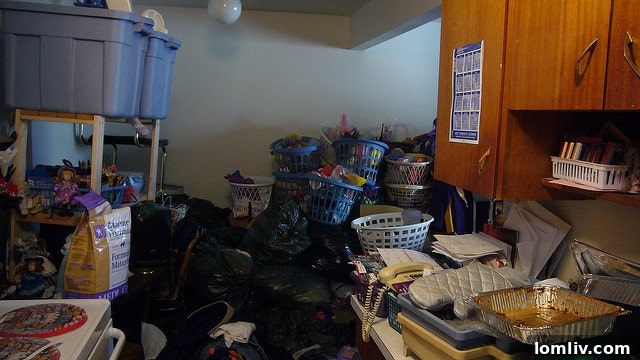
Our own experience at Daltxrealestate highlighted this dilemma. We encountered a local listing that, to put it mildly, was not conducive to effective home marketing. The listing photos presented a confusing array: blurry shots, random pets, stacks of boxes in one frame, and even the top of a stranger’s head in another. Such visuals, far from enticing potential buyers, actively deter them, making a speedy and profitable sale an uphill battle.
The Detrimental Impact of Subpar Listing Photography
Poor listing photography isn’t merely an aesthetic oversight; it’s a critical marketing failure. In an era where 97% of home buyers use the internet to search for properties, the quality of your listing photos directly impacts engagement, interest, and ultimately, the property’s sale price and time on the market. A buyer spends an average of 60 seconds reviewing a listing, with the first 20 seconds focused almost entirely on the main image. If that image, or subsequent ones, fails to impress, potential buyers will simply move on.
Beyond the Blurry: What Really Turns Buyers Off
The issues extend far beyond just blurry images. Clutter, personal items, poor lighting, and the absence of key rooms like the kitchen or master bathroom can significantly diminish a listing’s appeal. Buyers are looking for a dream, a lifestyle, and a blank canvas where they can envision their future. When they see untidy spaces, overflowing storage, or distracting personal effects, their imagination struggles to connect with the property’s potential. Moreover, obvious signs of neglect, such as an unkempt yard or dirty surfaces, send a negative message about the home’s overall condition and the seller’s commitment to the sale.
For example, when asked about their reaction to poor listing photos, many readers echoed a similar sentiment. “If listing photos fail to show the kitchen, I always wonder why and keep looking,” remarked Helen Anders, highlighting a common buyer frustration. The absence of crucial visual information can raise red flags, prompting buyers to dismiss a property prematurely.
The Realtor’s Ethical and Professional Duty
For Realtors, navigating these challenges requires a delicate balance of advocacy for the seller and adherence to professional standards. The overwhelming consensus from real estate professionals is clear: high-quality presentation is non-negotiable. Nancy Wilson, a seasoned Realtor, emphasized, “Professional photography should be on every listing, no matter what the price point is. The cost is less than $150, and it’s our job to do the best we can when marketing our listings.” This perspective underscores the responsibility Realtors have to their clients.
Protecting Your Professional Reputation
Your listings are a direct reflection of your brand and professionalism. Janet Hopkins articulated this succinctly: “It’s a direct reflection of your professionalism and success as a Realtor.” Taking on a poorly presented listing can inadvertently damage a Realtor’s reputation, suggesting a lack of commitment to quality or an inability to manage client expectations effectively. This can have long-term repercussions on client acquisition and professional credibility.
As Frances Kwan put it, “It is never acceptable. Even if it is a lease listing. It is our duty to bring our sellers/landlords the highest and best offer possible. Marketing and traffic is a big component of the equation. Do it right or don’t do it at all.” This strong stance highlights the ethical obligation to maximize a property’s market potential, which directly correlates with meticulous presentation.
Investing in Success: The Realtor’s Role and Financial Commitment
Some Realtors might hesitate to invest in professional photography or staging, viewing it as an additional expense. However, savvy professionals recognize it as a shrewd investment with significant returns. James Bohan-Pitt eloquently illustrated this point, stating, “A three percent sales commission on a $200,000 home is $6,000, and with a 70/30 broker split, it is $4,200 to the Realtor. A professional photographer will take high-quality photos for $300-$500. That is 8-10 percent of commission towards basic marketing costs. That is completely acceptable and affordable for the Realtor to pay.”
Breaking Down the Costs vs. Benefits
This financial breakdown reveals that the cost of professional photography is a small fraction of the potential commission. Moreover, the benefits extend beyond just attracting more buyers. Homes with professional photos sell faster and often for a higher price. This translates to quicker closings for Realtors and a more satisfied client base, bolstering referrals and future business. A faster sale also reduces carrying costs for the seller and allows the Realtor to move on to new opportunities more efficiently. It’s an investment that pays dividends for all parties involved, solidifying the Realtor’s role as a trusted advisor who understands the nuances of market presentation.
Strategies for Encouraging Seller Cooperation
The core challenge often lies in addressing seller reluctance. Our own experience with the uncooperative seller highlighted this: the home had only 15 showings in 140 days and very little interest, directly attributable to the seller’s refusal to declutter or prepare for pictures. So, how can Realtors effectively navigate these situations?
Setting Expectations from Day One
The key to success begins with clear, honest communication at the very first consultation. Realtors must educate sellers on current market expectations and the profound impact of home presentation. This means providing a comprehensive marketing plan that clearly outlines the necessity of professional photography, decluttering, cleaning, and potentially staging. Presenting data on how well-prepared homes outperform others can be a powerful motivator.
Educating Sellers on Market Realities
Sellers often have an emotional attachment to their homes, making it difficult for them to see the property objectively through a buyer’s eyes. Realtors need to gently guide them towards a more market-driven perspective. This can involve showing them examples of high-quality listings and contrasting them with less appealing ones (anonymously, of course). Explaining how clutter can make a home appear smaller, dirtier, and less desirable can help shift their mindset. The objective is to transform the home from a personal residence into a marketable product.
Offering Practical Solutions and Resources
Sometimes, sellers are uncooperative not out of malice, but due to being overwhelmed or unsure where to start. Realtors can be invaluable resources by connecting sellers with professional home stagers, cleaners, and organizers. Offering a list of recommended vendors or even a simple checklist for decluttering and cleaning can alleviate their burden and make the task seem less daunting. In cases where significant decluttering is impossible, virtual staging can be an effective alternative to showcase a property’s potential, though it should always be disclosed as such.
The Tough Conversation: When to Draw the Line
Despite best efforts, some sellers remain unwilling to cooperate. This forces Realtors to make difficult decisions. As James Bohan-Pitt posed, “If the owner won’t clean as a minimum, why even take them as a client? If they do clean, advise them to declutter. If they won’t declutter, then return to my first point — is it worth keeping them as a client? Do they really want to sell the house?”
Several Realtors agree that in such scenarios, declining the listing might be the most professional course of action. Accepting a poorly presented listing not only undermines the Realtor’s reputation but also sets both parties up for frustration, extended market time, and potentially significant price reductions. It’s crucial for Realtors to recognize when a client’s resistance to preparation outweighs the potential for a successful and mutually beneficial transaction.
The Long-Term Consequences of Poor Presentation
The ramifications of inadequate home presentation extend beyond immediate buyer disinterest. Properties with poor listings tend to languish on the market, necessitating price reductions, which can erode seller trust and agent credibility. A prolonged listing period often leads to buyers questioning if there’s an underlying problem with the property, even if none exists. This creates a downward spiral where the initial lack of effort in presentation costs both the seller and the Realtor significantly more in the long run.
Ultimately, a successful home sale is a collaborative effort. It requires a Realtor’s expertise, strategic marketing, and a seller’s willingness to present their property in its best possible light. By setting clear expectations, educating clients, offering solutions, and upholding professional standards, Realtors can navigate the challenges of uncooperative sellers and steer their listings toward the desired outcome: a swift, profitable sale.
How do you approach these challenging conversations with sellers? Share your strategies and insights!