

The vibrant Houston real estate market has long been a beacon of strength and growth in Texas, buoyed by a robust economy and continuous population influx. However, recent indicators suggest that the prevailing economic headwinds, particularly those stemming from fluctuations in global oil prices, may finally be influencing the region’s housing landscape. Is the period of unprecedented growth giving way to a more measured, or even challenging, environment for buyers and sellers? This crucial question is now at the forefront for homeowners, prospective buyers, and investors alike in one of America’s largest metropolitan areas.
Analyzing the latest data provides valuable insights into this evolving situation. According to reports from the Houston Association of Realtors (HAR), the month of July saw a notable cooling trend. A total of 7,204 single-family homes were sold, marking a significant slowdown in transaction volume. Furthermore, the median price for these homes registered at $230,000. While still a healthy figure, the overall sales volume represented the lowest activity observed since January of the same year, signaling a potential shift in market momentum that warrants closer examination. These figures suggest that while Houston’s market fundamentals remain strong, the pace of growth seen in previous years is beginning to decelerate, affecting various segments differently.
Despite the slowdown, market observers offer nuanced perspectives. Nancy Sarnoff, a respected editor from the Houston Chronicle, posits that there isn’t a single, definitive factor behind the recent decline in home sales. This multifaceted view acknowledges the complexity of real estate dynamics, where various economic, demographic, and psychological elements interact. Concurrently, the Houston Association of Realtors maintains that, despite the recent dip, the overall market in Texas’s largest city remains fundamentally healthy. This assessment often stems from a long-term perspective, comparing current performance against historical averages rather than peak periods. However, a deeper dive into the specifics reveals a more intricate picture. Unlike its robust neighbor Dallas, where market challenges might be concentrated, Houston’s real estate sector appears to be experiencing pressure at both the highest and lowest ends of the market spectrum. This dual impact suggests a broader vulnerability, affecting both luxury properties and more affordable housing options, which could have significant implications for different socio-economic groups within the city.
Detailed market analysis confirms this dual challenge. Sales activity registered declines across virtually all price categories, with the most pronounced contractions observed in both the entry-level and ultra-luxury segments. This data, compiled from transactions processed through the multiple listing service (MLS) primarily within Harris, Fort Bend, and Montgomery counties, paints a clear picture of widespread deceleration. The slowdown in the lowest price brackets points to potential affordability issues or a tightening of credit, while the struggles in the highest tiers could be attributed to a more cautious luxury buyer base, possibly influenced by the oil and gas sector’s performance.
Adding another layer to the market’s evolving narrative, housing inventory has seen an uptick. While still considered relatively low by long-term historical standards, the inventory level reached 4 months in July. This marks the highest point it has reached since the fall of 2012. An increase in inventory typically signals a shift from a seller’s market towards a more balanced market, providing buyers with more options and potentially more leverage during negotiations. This trend, if it continues, could further moderate price appreciation and sales velocity in the coming months, offering a much-needed reprieve for frustrated buyers who have faced intense competition in recent years.
Beyond single-family homes, the attached housing market, encompassing townhomes and condominiums, also reflected a cooling trend. Sales in this segment experienced a 7.4 percent decrease in July. Correspondingly, inventory for townhomes and condominiums saw a modest increase, reaching 3.5 months, up from 3 months in the previous year. This segment often serves as a barometer for urban living preferences and affordability for first-time buyers or those seeking a more compact lifestyle. The slight rise in inventory here, coupled with declining sales, suggests that even in these generally more accessible housing types, market demand is tempering. This could also be indicative of a broader shift where potential buyers are either delaying purchasing decisions or opting for rental solutions amidst economic uncertainty.
In stark contrast to the dip in home sales, the rental market in Houston is experiencing a notable surge, underscoring a fundamental shift in housing preferences or necessity. Single-family home leases recorded a healthy increase of 2.3 percent, indicating robust demand for detached rental properties. Even more impressively, townhome and condominium leases jumped by a substantial 10.6 percent. This significant increase highlights a growing segment of the population choosing to rent rather than buy, a trend often associated with economic caution, increased flexibility, or a response to rising home prices and interest rates. The average monthly rent for a single-family home in Houston stood at $1,879, while townhomes and condominiums commanded an average of $1,630 per month. This robust rental activity suggests that while the purchasing market may be softening, Houston’s fundamental appeal as a place to live and work remains strong, channeling demand into the leasing sector.
Despite the recent downturn in sales, HAR’s chair, Mario Arriaga, offered perspective, stating, “We never like to see a decline in home sales, but it’s helpful to remember that our comparisons each month are to a record year in 2015.” This important context highlights that while current figures might seem discouraging in isolation, they follow a period of exceptional growth. The market’s performance in 2015 set a high benchmark, making year-over-year comparisons challenging. However, Arriaga also acknowledged a more concerning development: “July was the first time in several months when even mid-range housing saw declines.” This observation is particularly significant because the mid-range market ($150,000-$500,000) typically represents the most stable and active segment of the housing economy. A decline here could indicate a more pervasive market adjustment rather than just a contraction at the extreme ends, suggesting broader buyer hesitancy or a tighter lending environment.
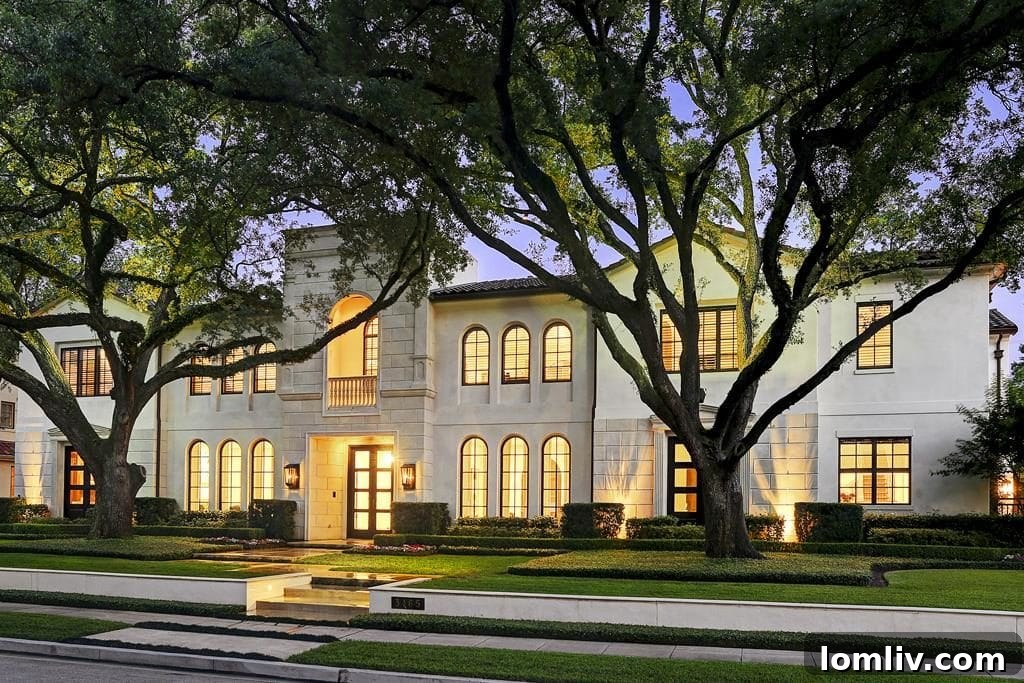
Indeed, similar sentiments regarding the market’s softening are echoed in other major Texas cities, including Dallas, where the rapid pace of appreciation is also beginning to moderate. However, it is crucial to remember that real estate is inherently local, and broad market trends often belie specific neighborhood performance. For instance, a recent conversation with Ty Vaughn, a Realtor with Robert Elliot & Associates, shed light on this localized nuance. He shared the story of a Houston family successfully selling their $1,000,000 luxury home in Houston in just two weeks before relocating to the Dallas area. This anecdote serves as a potent reminder that even within a broadly softening market, certain properties in desirable locations, with excellent schools and specific amenities, can still command strong buyer interest and quick sales. The success of a property sale continues to hinge on critical factors such as precise neighborhood appeal, strategic location, proximity to top-rated schools, and the unique features a home offers to discerning buyers. Therefore, while overall statistics provide a macro view, individual outcomes can vary dramatically based on micro-market conditions.
Delving deeper into the specific sales activity by price range offers a fascinating and detailed perspective on where the market’s strengths and weaknesses truly lie. This granular data clarifies which segments are most affected by the current economic climate and why certain price points are experiencing more significant shifts than others.
The percentage change in sales volume across different price ranges paints a vivid picture of market contraction:
- Less than $80,000: -43.3%
- $80,000-$150,000: -32.8%
- $150,000-$250,000: -3.1%
- $250,000-$500,000: -1.4%
- $500,000 and above: -21.7%
These figures underscore the significant impact on both the lowest and highest price categories. The sharpest declines in the “Less than $80,000” and “$80,000-$150,000″ brackets suggest a challenging environment for entry-level buyers and sellers of more affordable properties. This could be due to a combination of factors, including limited inventory at these price points, tightening mortgage criteria for lower-income buyers, or a general slowdown in first-time homeownership. Conversely, the ” $500,000 and above” category also saw a substantial drop of 21.7%, directly reflecting the luxury market’s sensitivity to broader economic shifts and potentially a decreased number of high-net-worth buyers active in the market, possibly linked to the oil and gas sector’s performance. In contrast, the mid-range segments, specifically “$150,000-$250,000” and “$250,000-$500,000,” experienced much more modest declines, indicating a relative resilience in these popular housing tiers. These segments represent the core of Houston’s housing market, appealing to a wide range of families and professionals, and their relatively stable performance suggests underlying demand.
Complementing the sales changes, the share of total sales by price range further illustrates the market’s composition:
- Less than $80,000: 2.9%
- $80,000-$150,000: 14.1%
- $150,000-$250,000: 39.0%
- $250,000-$500,000: 34.2%
- $500,000 and up: 9.8%
These percentages reveal that the vast majority of Houston’s home sales continue to occur within the “$150,000-$500,000” range, collectively accounting for over 73% of all transactions. This dominance highlights the critical importance of these mid-range properties in defining the overall health of the Houston housing market. Even with modest declines, these segments remain the engine of the market, absorbing most of the buyer demand. The relatively small shares of the lowest and highest price points, despite their significant percentage changes in sales volume, indicate that they are niche markets susceptible to specific economic pressures. The data collectively suggests that while Houston’s real estate market is indeed adjusting to new economic realities, it maintains a robust core in its mid-tier, even as luxury and entry-level segments face more pronounced challenges. This period marks a transition, offering new opportunities for astute buyers and sellers to navigate a market that, while perhaps less frenzied than before, is still deeply dynamic and complex.