Navigating the Dallas Housing Crisis: Pathways to Alleviate Homelessness and Foster Self-Sufficiency
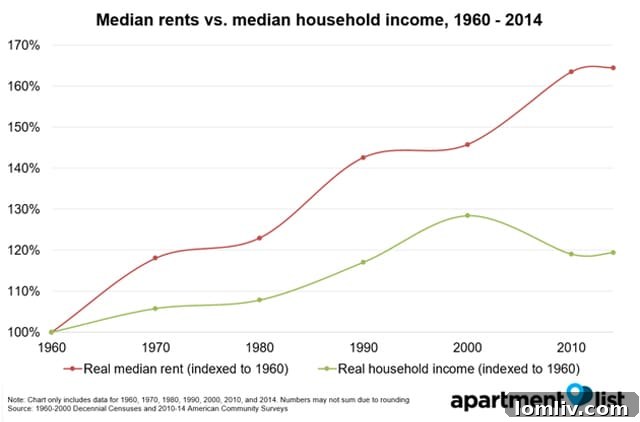
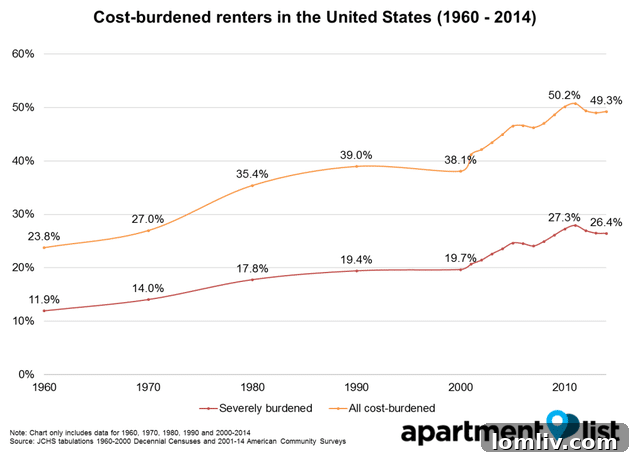
Day by day, an increasing number of Dallasites find themselves teetering on the edge of a financial precipice. This precarious situation is not always a consequence of individual choices; often, it stems from a cruel series of misfortunes that overwhelm an individual’s means or ability to cope. If anyone doubts the growing vulnerability, alarming statistics paint a stark picture: countless full-time workers struggle to secure their next meal or face eviction over an unexpected $500 expense. Hand-in-glove with this reality is the shocking — and escalating — proportion of wages consumed by rent, pushing many beyond living paycheck-to-paycheck into a relentless cycle of financial arrears. Despite optimistic reports of economic recovery, its benefits have clearly not trickled down to the most vulnerable segments of our society.
Dallas, a city boasting a vibrant economic landscape and a booming housing market, is far from immune to this crisis. In fact, soaring rents have exacerbated an already tenuous hold on tenancy for many residents. The ultimate consequence, a forced displacement onto the streets, represents a terrifying reality that is infinitely harder to escape than most can imagine. Homelessness is not merely a lack of shelter; it is a complex social issue that strips individuals of dignity, health, and opportunity, trapping them in a cycle that few can break without compassionate, structured intervention.
Understanding the Dallas Housing Affordability Challenge
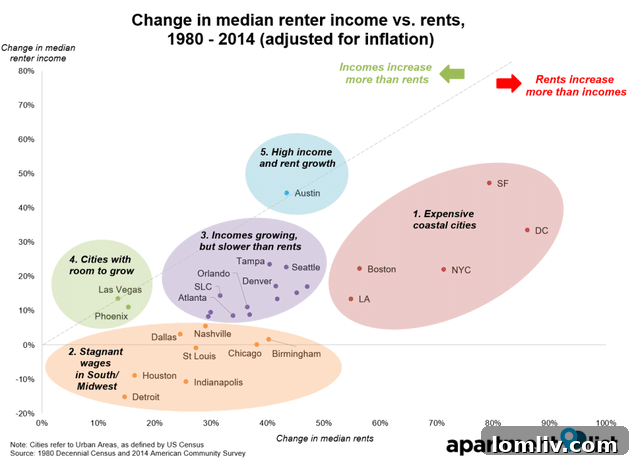
The gap between stagnant wages and rapidly increasing housing costs is a primary driver of homelessness in Dallas and across the nation. As illustrated in the provided data, between 1980 and 2014, rents in Dallas surged by an alarming 25%, while average wages barely budged, increasing by a mere 3%. This stark disparity creates an unsustainable financial burden for working families and individuals. Since 2014, this trend has only accelerated, fueled by the city’s rapid growth and development. The cost of living, particularly housing, has climbed steadily, outpacing income growth for countless Dallas residents. This economic imbalance means that even those employed full-time often cannot afford market-rate rents, pushing them closer to housing instability and, ultimately, homelessness.
The consequences of this disparity are profound. Families are forced to allocate an unsustainable portion of their income to housing, leaving little for other essential needs like food, healthcare, and transportation. This constant financial strain can lead to chronic stress, poor health outcomes, and a perpetual state of insecurity. When an unexpected expense arises—a medical bill, a car repair, or a job loss—there is no safety net, and the path to eviction becomes alarmingly short. For many, losing their housing is not a result of poor choices, but rather a direct outcome of an economic system where the cost of basic necessities far outstrips earning potential.
The Immense Hurdles of Homelessness: More Than Just a Roof
For those experiencing homelessness, the path back to stability is fraught with immense challenges that extend far beyond simply finding a place to sleep. Re-entering society’s “ladder” requires fundamental tools: state-issued identification, a Social Security card, clean clothes, and access to basic hygiene facilities. These seemingly simple requirements become monumental obstacles when one lacks a permanent address, a mailing service, or even a secure place to store personal belongings. Without an ID, securing employment, opening a bank account, or accessing social services becomes nearly impossible, creating a Catch-22 situation where the very means of escape are inaccessible.
Hygiene, in particular, poses a relentless daily struggle. Imagine for a moment attempting to maintain personal cleanliness without a home, without immediate family or friends to turn to, and without the luxury of a gym membership. The lack of regular showers and laundry facilities impacts not only physical health but also self-esteem and the ability to present oneself for job interviews. This constant battle for basic dignity exacerbates feelings of isolation and hopelessness, further entrenching individuals in the cycle of homelessness.
Furthermore, for those whose homelessness is intertwined with substance abuse or a criminal record, the complexity deepens significantly. Overcoming these challenges necessitates extensive, tailored counseling and comprehensive rehabilitation programs. Addressing the root causes of addiction or providing pathways for re-entry after incarceration is crucial for long-term success. Simply providing a bed without addressing these underlying issues offers only a temporary reprieve, failing to equip individuals with the tools needed for sustainable independence.
Rebuilding Lives: The “Housing First” Model and Its Proven Success
The foundational principle for rebuilding lives and transforming individuals into meaningful contributors to society begins with stable housing, swiftly followed by counseling, support services, and meaningful work. While some might instinctively react with concerns about “handouts,” “taxpayer charity,” or “bleeding hearts,” a practical, fiscally responsible approach exists: the “Housing First” model.
Consider the compelling evidence from Salt Lake City. In 2004, the city initiated a bold 10-year plan to end chronic homelessness. Before the plan, taxpayer spending for each chronically homeless person amounted to an astounding $61,000 annually, covering a range of city and emergency services, including emergency room visits, law enforcement interactions, and short-term shelter stays. In stark contrast, the cost to place that same individual in supportive housing with appropriate services was only $16,000 per year. The simple math speaks volumes: providing a stable shelter and accompanying services actually saved the city a substantial $45,000 per person annually.
Over the course of this ambitious 10-year plan, Salt Lake City witnessed a dramatic decline in chronic homelessness, plummeting from 3,000 individuals to just 400, and was on track to achieve near-zero chronic homelessness in the subsequent year. This remarkable success translated into an estimated annual savings of $135 million for the city. Salt Lake City currently allocates approximately $20 million per year to the program, with additional funding sourced from various charitable organizations. This model clearly demonstrates that investing in thoughtful, comprehensive solutions is not only a humanitarian imperative but also a sound economic strategy.
So, how did they achieve such remarkable results?
The “Housing First” approach championed by Salt Lake City operates on a critical premise: the most effective way to help homeless individuals is to first provide them with immediate, unconditional access to permanent housing, without requiring sobriety, treatment, or adherence to other preconditions often imposed by traditional shelters. Once stability is established, individuals are then better positioned to address other challenges in their lives. As detailed by Mother Jones, Salt Lake City achieved its success by building supportive housing, supplying crucial counseling, and assigning dedicated case workers. These comprehensive services are integral to the model, offering mental health support, addiction recovery programs, life skills training, and assistance with job placement. Each year, an impressive 15 percent of these residents successfully get their lives on track and transition into independent, permanent housing.
Crucially, the *quality* and *location* of the housing matter significantly. Many cities offer shelter and public housing but frequently fail in terms of proper placement and consistent maintenance. The unfortunate result is often public housing so dilapidated or poorly located that individuals experiencing homelessness prefer the perceived safety and autonomy of living on the streets. Salt Lake City consciously designed and constructed housing that would seamlessly blend into any middle-class neighborhood, fostering a sense of community and dignity. They also discovered the profound impact of neighborhood choice: for individuals struggling with chronic homelessness, it was essential to move them away from their old “stomping grounds,” where returning to detrimental habits was far too easy. This strategic relocation helps break cycles of addiction and negative influences.
This critical distinction highlights why some cities, such as San Francisco, have struggled to substantially curb their homelessness crisis. Their public housing initiatives often place vulnerable individuals in poor-quality accommodations, frequently situated in the same struggling neighborhoods where old associates and detrimental influences can easily be found. A fundamental component of effective rehabilitation is breaking established negative cycles and fostering new, supportive environments.
Beyond providing a roof, dedicated counselors play a pivotal role. They not only work with individuals struggling with addiction but also guide their charges back toward meaningful employment and active participation in society. This includes assisting with practical issues like obtaining official identification documents, developing essential job skills, and connecting them with employment opportunities. This holistic approach ensures that individuals are not just housed but are also empowered to rebuild their lives comprehensively.
Salt Lake City is not an isolated success story. Other U.S. cities like Denver and Minneapolis have also implemented “Housing First” and similar comprehensive support networks with positive outcomes. The pertinent question for Dallas is clear: What steps can our city take to implement this kind of effective support network to address our local homelessness crisis? What would be the true costs of such programs, and what significant long-term savings and societal benefits could Dallas expect to realize?
Beyond Shelter: Empowering Through Employment and Dignity
First a Roof, Then a Job: Practical Approaches to Employment
Getting individuals experiencing homelessness back into the workforce is notoriously difficult, primarily due to the barriers previously mentioned – lack of identification, unstable addresses, limited access to hygiene, and often a lack of recent work history. However, innovative programs around the globe are demonstrating effective strategies for utilizing the untapped potential of homeless labor, offering not just income but also a vital sense of purpose and dignity.
Albuquerque, New Mexico’s “There’s a Better Way” Program recently celebrated a highly successful first year of providing day labor jobs to homeless individuals, focusing on cleaning the city’s streets, parks, and public lots. Twice a week, a dedicated van circulates throughout the city, picking up individuals eager to work. Participants receive $9 an hour and a hearty lunch in exchange for their efforts in litter pick-up, landscaping, and other beautification tasks. At the end of the workday, those who wish to have overnight shelter are provided with it. Contrary to the pervasive and often unfair stereotype that homeless people are lazy or unwilling to work, this program consistently sees long lines forming for the bus, with those who couldn’t be accommodated often begging for a spot on the next run. The demand for work is overwhelmingly high, underscoring the desire for purpose and financial autonomy.
Since its inception, the “There’s a Better Way” program has successfully provided 932 jobs, resulting in the removal of an impressive 69,601 pounds of litter and weeds from 196 city blocks. Beyond these tangible improvements to the city, the program boasts an even more significant achievement: over 100 participants have since found permanent employment, a testament to the program’s ability to serve as a stepping stone. Republican Mayor Richard Berry, who spearheaded this commendable initiative, was quoted by The Washington Post saying, “They’ve had the dignity of work for a day; someone believed in them today.” This sentiment encapsulates the profound human impact of such programs.
Due to its overwhelming success, Mayor Berry has increased funding to double the program’s frequency from two to four days a week. The St. Martin’s Hospitality Center, which manages the program for the city, is also instituting a day labor program of its own, further expanding opportunities. As Mayor Berry succinctly put it, “It’s helping hundreds of people, and our city is more beautiful than ever.” This initiative serves as a powerful model for other cities, including Dallas, demonstrating how direct, low-barrier employment programs can benefit both individuals and the wider community.
Innovative Tourism: “Hidden City Tours” operators in Barcelona, London, and Bath have adopted a distinctly different, yet equally impactful, approach. They have developed specialized walking tours led by individuals who are currently or formerly homeless. Barcelona offers “Hidden City Tours” (Hidden City Tours), Bath has its “Secret City Tours” (Secret City Tours), and London hosts “Unseen Tours” (Unseen Tours).
These are not your typical tours of historical castles or renowned art museums. Instead, they offer a unique and intimate perspective on how the homeless navigate and survive within these bustling cities. Guides share insights into the locations of soup kitchens, the ingenuity required to find safe and secret cubby holes for storing meager belongings, and the unspoken rules of the streets. Their unofficial motto seems to be an invitation to “see the streets with the people who live on them.” While certainly an alternative view of urban life, the impact is undeniable: what began with just two guides in Barcelona rapidly blossomed in a year to five guides conducting tours in multiple languages, generating income, and challenging tourist perceptions. These tours not only provide income and a sense of purpose for the guides but also foster empathy and understanding among the public, breaking down stereotypes through direct human connection.
People Are People: The Universal Need for Dignity and Support
Ultimately, all these successful programs, whether “Housing First” models or innovative employment initiatives, share a powerful common thread: providing individuals in need with essential assistance and, crucially, restoring their dignity to enable them to become productive members of society. Each program effectively challenges the pervasive stereotype of drug-addled, lazy individuals, instead fostering a deeper understanding that homelessness is rarely a conscious choice. The stories are often heartbreakingly human; as one Salt Lake City man recounted, after the tragic death of his wife, he spiraled into grief and addiction. It was the city’s comprehensive program that not only offered him shelter but also guided him back to productivity and a renewed sense of self-worth.
If Dallas is genuinely committed to tackling its homelessness problem, there is a wealth of successful templates and proven strategies available from cities across the globe that have effectively addressed this complex issue. Dallas is uniquely poised to implement similar solutions. Compared to notoriously expensive cities like San Francisco, New York, and London, Dallas’s real estate costs, while rising, are not yet horrifically out of reach once a person returns to tenancy. Furthermore, property costs are also not so prohibitive as to make the construction or acquisition of purpose-built supportive housing economically unfeasible. This presents Dallas with a significant advantage in developing sustainable solutions.
What is often most interesting and telling when reading about these success stories is to scroll through and examine the comments sections. The vitriol and harsh judgment found in responses to many U.S. stories can be shocking. Some people, even when presented with clear evidence of successful programs that save municipal monies and transform lives, still cling to negative stereotypes and disparage those experiencing homelessness. Such individuals often reside within a “bubble”—either a bubble of ingrained entitlement and ignorance that blinds them to the realities of hardship, or perhaps a more subtle bubble of fear, an unspoken anxiety that they, too, could one day face similar misfortunes. Overcoming these entrenched societal biases is as crucial as implementing effective programs.
Dallas has the opportunity to lead with compassion and pragmatism. By embracing proven models like “Housing First,” investing in employment programs that restore dignity, and challenging harmful stereotypes, the city can not only alleviate the suffering of its most vulnerable residents but also build a stronger, more inclusive, and economically efficient community for everyone. It requires vision, political will, and a collective commitment to human dignity, but the benefits—both human and fiscal—are undeniable.
Remember: High-rises, HOAs, and renovation are my beat. But I also appreciate modern and historical architecture balanced against the YIMBY movement. If you’re interested in hosting a Candysdirt.com Staff Meeting event, I’m your guy. In 2016, my writing was recognized with Bronze and Silver awards from the National Association of Real Estate Editors. Have a story to tell or a marriage proposal to make? Shoot me an email [email protected].