Revisiting Childhood Homes: A Journey Through Memory and Modern Real Estate
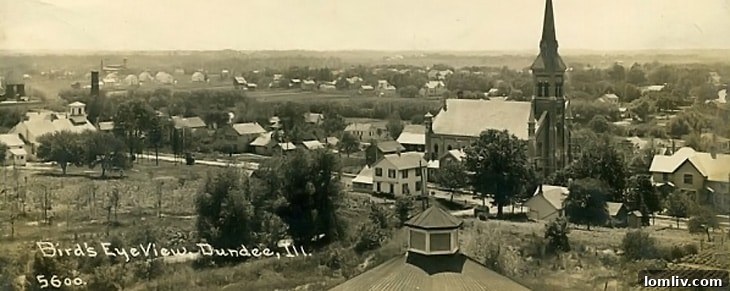
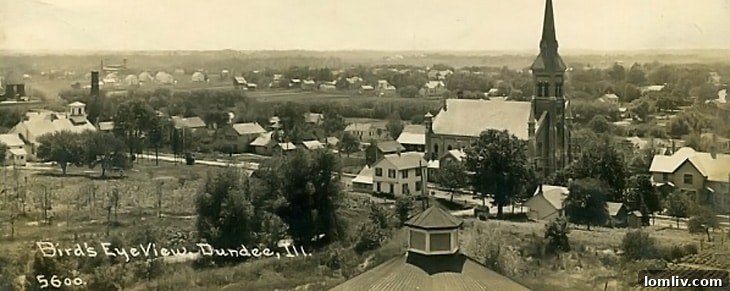
Labor Day often brings with it a contemplative spirit, a moment to pause and reflect on where we’ve been and how far we’ve come. For me, a recent drive westward on Chicago’s Kennedy Expressway, merging onto I-90, sparked a profound journey down memory lane. As the familiar suburban towns of my youth began to dot the landscape, each marking a successive westward move from our initial home in Oak Park, a powerful sense of nostalgia washed over me. These towns, stretching like footprints away from the bustling city, culminated in East Dundee, the setting of my parents’ final shared residence.
Both my parents have since passed, and the house I spent my formative years in changed hands decades ago, back in the 1980s, when my mother downsized and relocated to Dallas. Yet, the memory of that home, its exact location, remained etched in my mind with an uncanny clarity that only “the way home” can evoke. Spotting the exit for Route 25 from Interstate 90, a sudden impulse took hold. Without a second thought, I steered my car towards that old address, drawn by an invisible thread to a place that once held the entire world within its walls.
A Spontaneous Return to East Dundee: Echoes of Youth
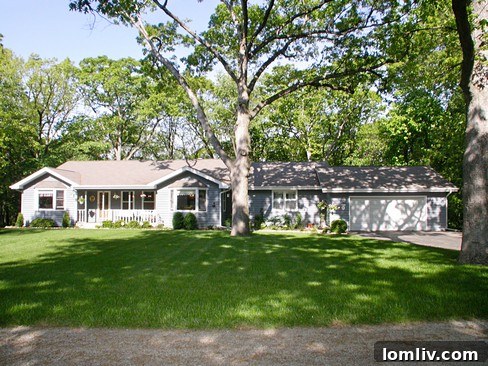
The drive itself was a silent conversation with the past. As I navigated the familiar streets, a mix of anticipation and apprehension bubbled within me. Passing the house, I circled the neighborhood a few times, soaking in the unchanged elements. Yes, the deeded bird sanctuary next door remained, a peaceful constant. The neighbors’ houses, too, stood largely as I remembered them, well-maintained and seemingly timeless. What once appeared as grand, sprawling estates through the eyes of a child, now seemed smaller, almost ordinary, viewed from the perspective of someone accustomed to the vastness of Texas homes. Finally, I pulled into the familiar circular driveway of 648 Council Hill, positioning my car directly in front of the two-car garage – a space whose clunky remote I had operated thousands of times in my youth. Taking a deep breath, a moment laden with unspoken history, I walked to the front door and rang the doorbell.
The House of Memories: A Family’s Saga and the 1970s Aesthetic
My singular desire was to see the house again, my parents’ house. It was more than just a structure; it was a testament to our family’s history, a vessel of shared joy and eventual sorrow. My family had meticulously built this home in 1972, pouring their dreams and efforts into its creation. For a happy decade, they cherished it. However, the narrative took a poignant turn when my parents divorced after 42 years of marriage. This beloved home, instead of being a sanctuary, tragically became the epicenter of their personal “War of the Roses.” My father, knowing precisely where to inflict the deepest wound, understood that the divorce would force my mother to sell the home she had designed, supervised the construction of, and tenderly maintained with every fiber of her being.
My mother, a formidable fighter, fiercely resisted this inevitability. She worked tirelessly, determined to keep her home, proving to my father and the world that she could do it without any assistance. And for years, she succeeded. But time and circumstances are relentless. Eventually, the physical and financial demands of maintaining such a property became insurmountable. I truly believe that had she not moved out of state, the sheer act of leaving that house would have been a blow from which she might not have recovered.
Stepping Back in Time: A Vivid Snapshot of 1970s Interior Design
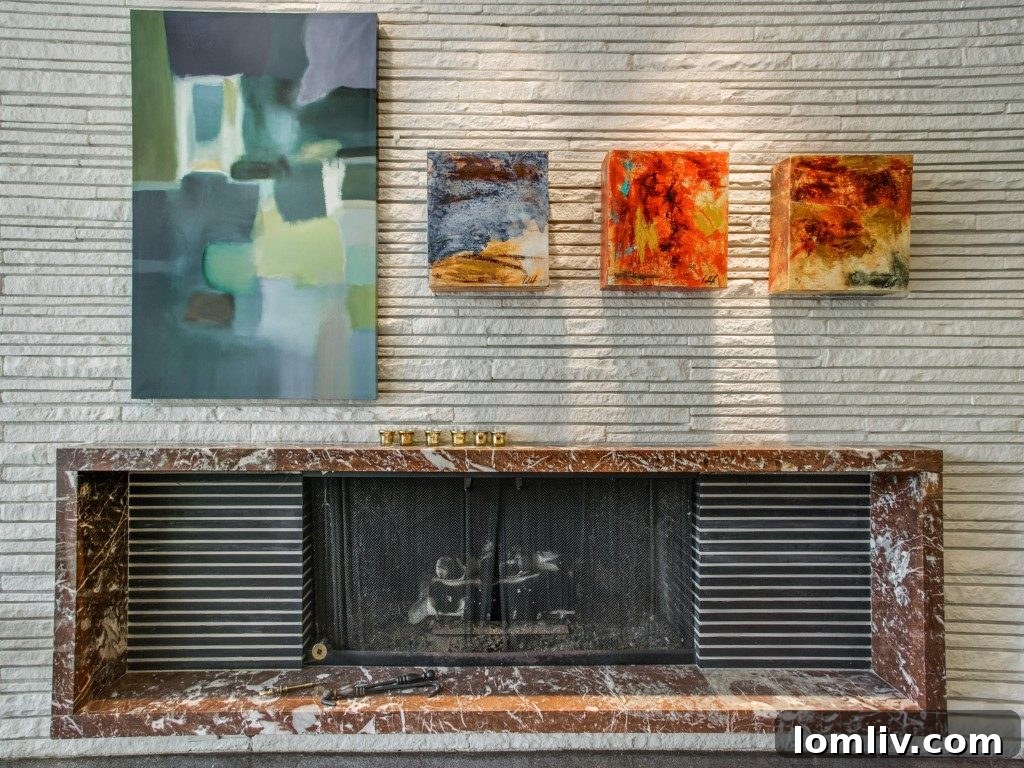
The buyers, I later learned, were a kind Polish family who genuinely loved the house. I had anticipated that they would have redecorated, perhaps modernized it to fit contemporary tastes. Yet, a part of me held onto a fragile hope that the essence of the home – the same walls, the familiar views, the stairs I had padded up and down in the darkest of nights, and even the iconic orange kitchen sink – would somehow remain. What I remembered most vividly was the decor: a daring, unapologetic explosion of 1970s style, so potent it could jolt you awake like a stun gun. Imagine black and white geometric houndstooth wallpaper (conveniently washable!), earthy grass cloth, and a plush, long orange shag carpet that practically required raking. Coordinated indoor-outdoor carpeting flowed seamlessly with the shag, creating an immersive experience. The kitchen boasted a state-of-the-art Jenn-Aire stove, while the family room featured folding doors on the bar, complemented by walls of clean white brick and warm fruitwood paneling. My mother’s particular pride and joy was the powder room, adorned with a black commode and matching sink, which she diligently cleaned by hand with vinegar to ensure not a single water spot marred its gleaming surface. Thankfully, she eventually removed the curtain of glass beads from her master bath – a design choice I sincerely hope remains confined to the annals of history. Should the bold 70s decor ever make a full comeback and I find myself embracing it, someone, please, stage an intervention!
The “House Reunion” Phenomenon: Connecting Generations Through Shared Spaces
A few weeks prior to my personal pilgrimage, an inspiring event unfolded in Dallas, orchestrated by Preservation Dallas at 5350 South Dentwood. This initiative, I believe, represents a truly remarkable concept that real estate professionals and communities should embrace more often: the “house reunion.” It’s essentially a giant family reunion, not just for people, but for the very homes that housed them. The idea is simple yet profound: bring together the families who have lived in a house across different eras, fostering a connection through shared history within its walls.
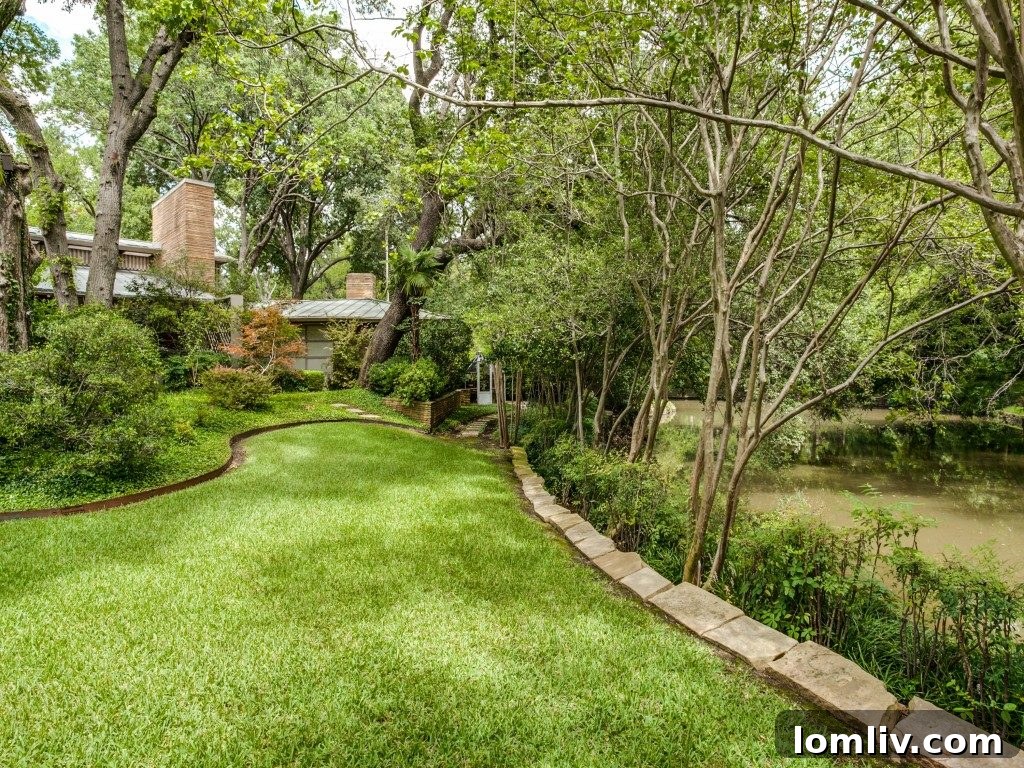
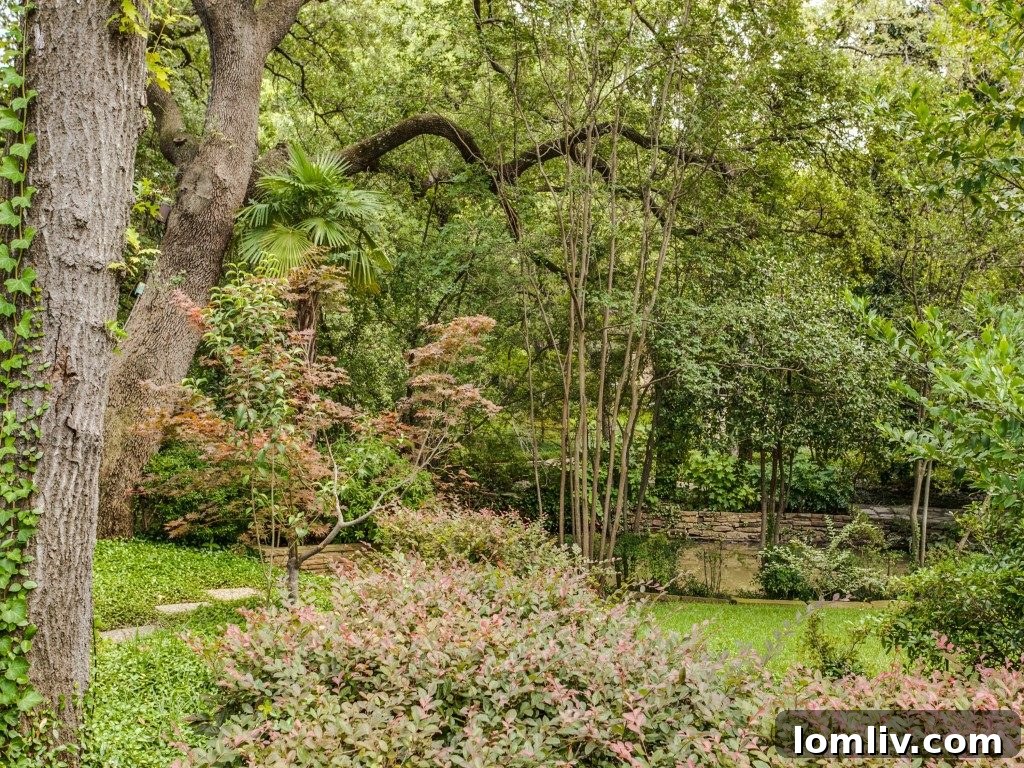
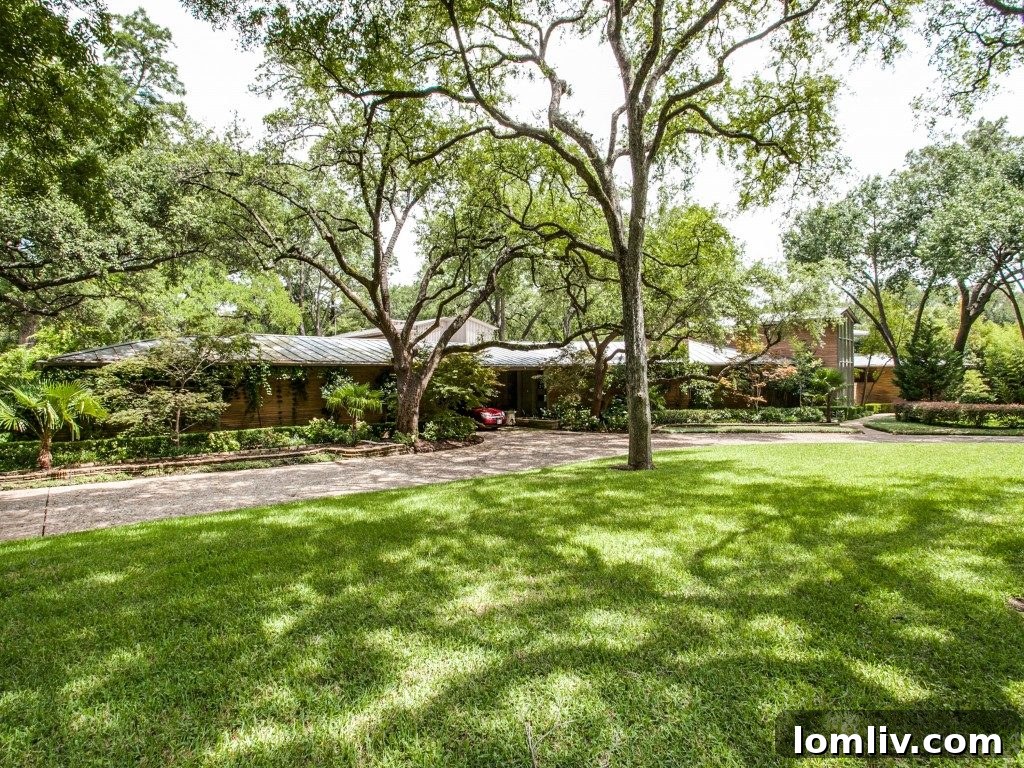
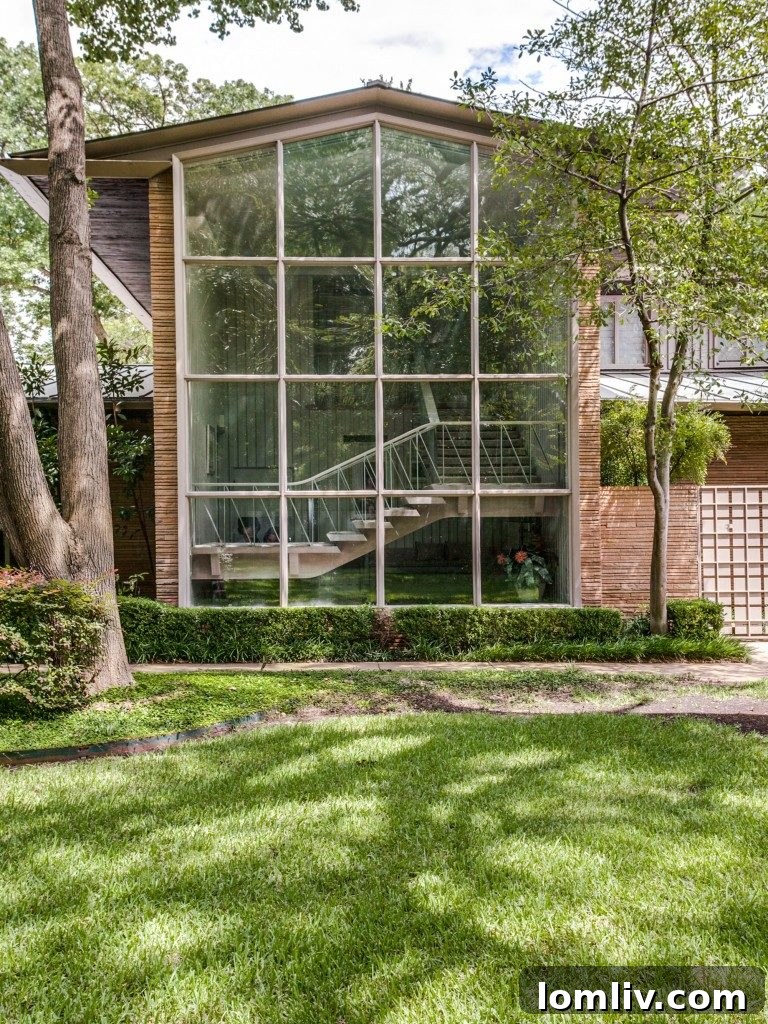
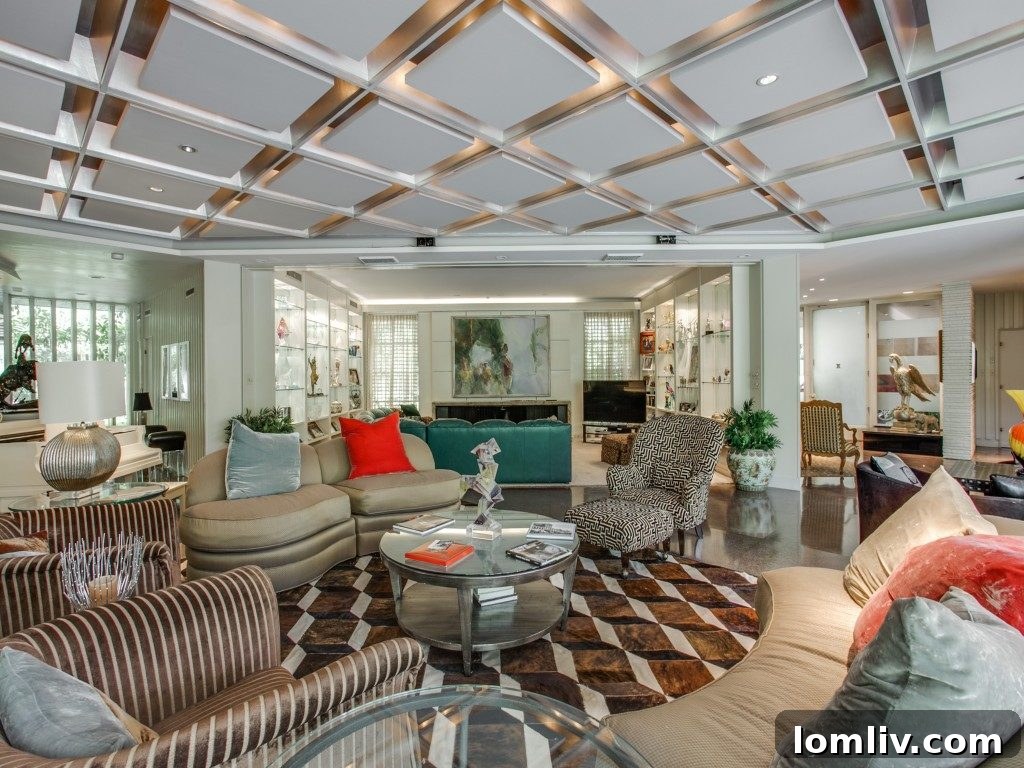
At the Dentwood event, the Vaughn family, who originally built the sprawling 9,500-square-foot residence, returned to see the home where they had grown up. They were warmly greeted by, and had the opportunity to meet, the adult children of the family who had purchased the home from their father years ago – the family of Allan Zidell, represented by his son Michael, and his sisters and brothers. Watching from a distance as these two families, some meeting for the very first time, shook hands and conversed, was deeply moving. They then embarked on a shared tour of the vast property, reliving memories within its walls: “We played here under the stairs, remember?” “Michael drove his scooter around that bend.” “The dog is buried over there, under that tree.” It was an extraordinary convergence of past and present, a beautiful affirmation of the enduring spirit of a home. This, I realized, was precisely what I yearned to do in my parents’ more modest suburban Chicago home.
This concept of a “house reunion” seems most viable when a home has had a limited number of owners, allowing for a more intimate connection between the families. Witnessing the Vaughns and the Zidells interact, it truly felt like a family reunion for the house itself. One could almost hear the house declare, “These are my people; these are the ones who loved me.”
The Bittersweet Reality: When Homes Are Lost to “Tear-Downs”
Sadly, such a reunion becomes impossible when a home has been torn down – a fate I see far too often in Dallas. The proliferation of “tear-downs” in our city represents a significant emotional and architectural loss. Almost always, these demolitions are preceded by a ritualistic “saying goodbye” to the house during a demolition sale, where new owners meticulously sell off pieces of the old structure as if they were precious relics: faucets, sinks, commodes, shelving, even the very wood from the floors. I recall a recent tear-down where the custom-made cabinets with sliding ladders were sold off, along with the appliances. It’s fascinating to hear that descendants of former owners are now salvaging these materials, re-creating rooms or vignettes in their current homes, crafting tangible connections to their past lives.
I can still visit the lot where our old Dallas home at 5511 Park Lane once stood, a property we sold in 1999. But the home itself is gone, replaced by a sprawling new stone structure. Our original home on that property was quite old, so there was no grand construction sale of its components. Yet, I walked that empty lot with tears in my eyes, even though my logical mind understood that demolishing the house to build anew was the “smart real estate move” – the value, as always, residing primarily in the land. Still, I snapped photos of the tiny kitchen pantry, a small space where I had measured my children’s growth with a pencil mark on the wall. I pulled off an exterior brick, one we had painted white twice over the years. I even managed to salvage a piece of the beautiful blue-green tile from the classic white-wood garden room, a setting for countless family photo shoots. And amongst the discarded debris, I found the original address tile, a small but powerful memento.
Though the physical house is gone, replaced by a modern edifice, some elements endure. The ancient trees we leaned against in family photographs remain, and I like to imagine the giant oak that once held the treehouse we built from a sonogram machine crate still flourishes in the backyard. Perhaps a “House Reunion” becomes too complex, almost impossible, with homes that have had multiple owners – that particular family gathering might need a venue as vast as Cowboy Stadium!
Nevertheless, I firmly believe we should strive to create these unique gatherings more often. Just the other day, driving past one of our former Dallas homes on Melissa Lane, I was heartened to see it looked grand and exceptionally well-cared for. In the Hockaday neighborhood, extending towards Midway, a transformation is underway; charming 1960s-era homes are being scraped to make way for newer, larger models. While these are undeniably some of the most desirable lots in town, those mid-century homes possess incredible “bones” – sturdy construction and intelligent layouts that lend themselves beautifully to modern updates, particularly for single-story living. I haven’t yet revisited our very first home in Dallas on Ainsworth, but I intend to. I still remember hand-painting the baseboards in every single room myself – a labor of love that ties me forever to that space.
A Journey Through Time: The Unchanged East Dundee Home
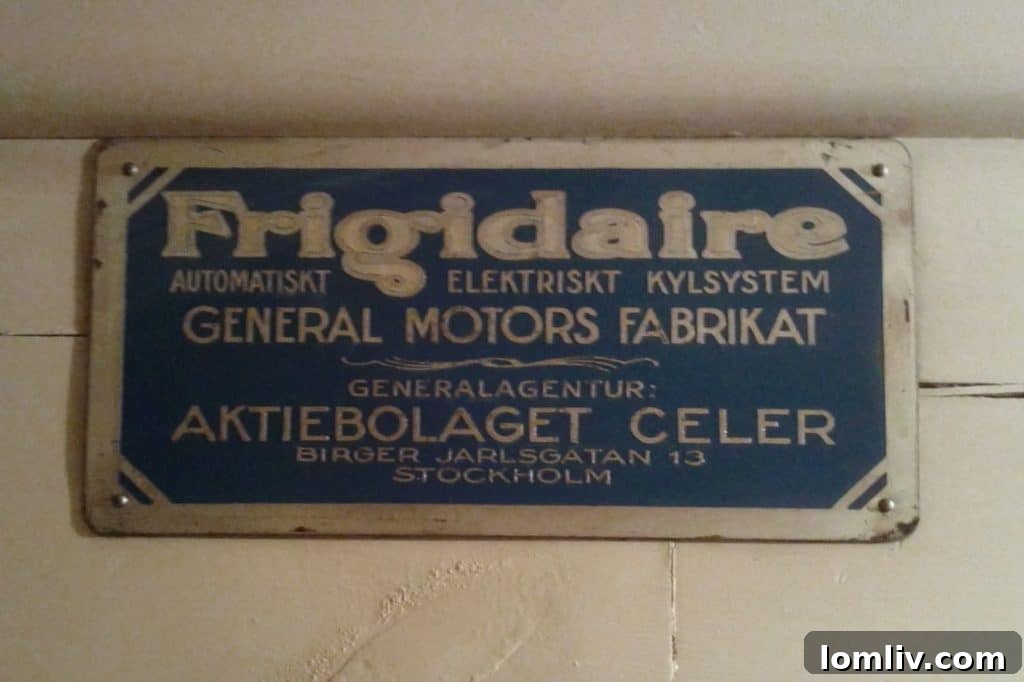
Returning to my mother’s house in East Dundee, the surprise awaiting me was immense. The very same couple who had purchased it from her decades ago still resided there. And to my utter astonishment, they had not redecorated, not touched a single thing! It was like stepping into a complete time warp. The identical flooring, the original kitchen cabinets and counters, even the distinct orange kitchen sink – all remained exactly as my mother had left them. While my mother was meticulous in her home care, it was genuinely unbelievable. They were even still using the original Frigidaire refrigerator they had bought from her, an appliance that had to be 40, perhaps 50 years old, and they proudly stated it was still working perfectly. This revelation struck a chord with me, given my own 16-year-old fancy Northland freezer breaks down every five years, forcing me to store its contents in plastic bags. I found myself wishing for my mother’s old, reliable refrigerator!
Even the shag carpet, a hallmark of 70s interior design, was still present. Of course, some things had changed; the pool, for instance, had been updated, a necessity given how Northern Illinois winters can pummel pools, requiring more frequent replastering than in warmer climates. The yard had undergone a significant transformation: the trees had grown massive, bushes were overgrown, and the evergreen tree marking our beloved dog’s grave had matured into a majestic specimen worthy of a Marshall Field’s display. I vividly recalled how my father had gently wrapped her lifeless body in a beach towel adorned with a million-dollar bill design, a poignant farewell.
That visit was a few years ago. A recent online search confirms that the same family still owns the house, and I hold out hope that they might once again grant me entry. Perhaps, I should cease my playful complaints about the 70s decor; who knows, with time, it might even grow on me.
Nostalgia, Design, and the Enduring Search for “Home”
Sometimes, I struggle to fully comprehend the current widespread fascination with everything mid-century modern, particularly the furniture. Our living room sofa from my childhood looked remarkably similar to the rigid, minimalist pieces I see in West Elm today, only ours was a distinct olive green. I spent countless hours dusting our oblong coffee table and console-style end tables – low-slung designs with raised ledges for lamps, perfect for tucking away books – along with the giant drum shade lamps, until I was blue in the face. Is this enduring design craze a subconscious way for us to recall and connect with our childhoods, a nostalgic yearning for simpler times?
Or, perhaps, in our ceaseless quests and movements, are we all simply trying to find our way back home?