The memory of the devastating F3 tornado that tore through Preston Hollow and North Dallas last year remains vivid for many residents. Its destructive path, which left a significant mark on communities, schools, and infrastructure, undeniably highlighted a critical gap in residential construction practices across the region. Despite such stark reminders, the conversation surrounding the widespread adoption of advanced, tornado-resistant building methods for new homes has yet to gain the widespread traction one might expect.
As the solemn anniversary of the October storm approaches, the pressing need for more resilient housing solutions occupies a growing space in the collective consciousness of North Texans. It begs the question: why is it so challenging to see a greater proliferation of newer, more severe weather-resistant homes in an area so prone to powerful storms?
Alan Hoffman, the visionary founder of Hoffmann Homes, sheds light on this persistent challenge. “It is a formidable task to alter a process so deeply embedded within a colossal industry, one that is not only heavily regulated but also involves numerous stakeholders who may or may not be inclined towards change,” he explains. Hoffman draws a compelling parallel to the automotive sector: “Before Tesla’s advent, the auto industry was tentatively exploring electrification. Tesla, however, presented undeniable evidence for a robust business case for electric vehicles. That is precisely what we endeavor to achieve with our groundbreaking new projects in residential construction.” This analogy underscores a commitment to innovation that not only addresses safety concerns but also demonstrates clear, long-term value for homeowners.
Specifically, Hoffman refers to his pioneering approach of constructing modern and transitional homes using Insulated Concrete Form (ICF) technology. This method represents a significant departure from conventional building practices, offering a robust and energy-efficient alternative that is increasingly vital for regions facing unpredictable weather patterns.
“The prevailing construction paradigm, where homes are predominantly built from wood, is almost exclusively prevalent only in the United States,” Hoffman elaborated, pointing to a global discrepancy. “Around the world, the vast majority of homes are fundamentally constructed using concrete and other resilient masonry products. We frequently encounter clients who have traveled extensively or even lived overseas, and it is their firsthand experience with superior construction that often leads them to seek out our expertise for their custom builds.” This global perspective highlights a fundamental difference in building philosophies, suggesting that while wood-frame construction might be traditional in the U.S., it is not necessarily the most resilient or sustainable choice, especially in areas susceptible to extreme weather.
Unparalleled Resilience and Eco-Friendly Design
The appeal of Hoffmann Homes’ ICF designs extends far beyond mere structural strength, though that is a primary driver for many clients. Beyond their remarkable ability to withstand otherwise devastating severe weather events, including tornadic winds exceeding 200 mph and significant debris impact, Hoffmann’s homes are intrinsically designed with an exceptional focus on eco-friendliness and long-term sustainability. The robustness of ICF construction inherently provides a safer sanctuary for families, offering peace of mind during severe weather threats that traditional wood-frame homes simply cannot match.
Hoffmann frequently describes these ICF builds as analogous to “enormous vacuum-insulated coolers,” a vivid metaphor that effectively communicates their incredible thermal performance. “They operate with the same high efficiency as a premium YETI cooler, translating into dramatically lower energy costs for homeowners,” confirms John Thompson, the distinguished listing agent with Compass Real Estate. This significant reduction in utility expenses is not just a fringe benefit; it’s a core economic advantage. “The substantial energy savings effectively offset the initial investment in a stronger, more resilient build,” Thompson adds. “Furthermore, the long-term cost of homeownership is significantly reduced due to lower maintenance requirements, directly stemming from the superior structural integrity inherent in ICF construction.” This means fewer repairs, less wear and tear, and a home that retains its value and comfort for generations.
The inspiration for Hoffmann’s commitment to enduring and efficient construction was deeply cemented during his time spent in a 400-year-old family home on the picturesque island of Ibiza, Spain. What struck him most was not just the age of the structure, but its astonishing preservation and inherent comfort. Despite four centuries having passed, the home felt as robust and structurally sound as it undoubtedly was when first erected. More remarkably, it required no active climate control system to maintain a comfortable interior environment throughout the year.
“The outer walls of that ancient home were an impressive three feet thick, meticulously built from local stone excavated directly from the site,” Hoffmann recounts. “The residence, remarkably, did not possess air conditioning, yet it remained wonderfully comfortable even in the intense heat of the Mediterranean summer. During the cooler winter months, traditional Kiva fireplaces provided ample warmth.” To offer a relatable comparison for Texans, Hoffmann notes, “Ibiza shares a similar latitude with Austin, Texas, which provides a clear understanding of the summer temperatures they experience.” This firsthand experience profoundly illustrated the timeless principles of thermal mass and natural climate regulation, solidifying Hoffmann’s belief in building homes that truly last and perform.
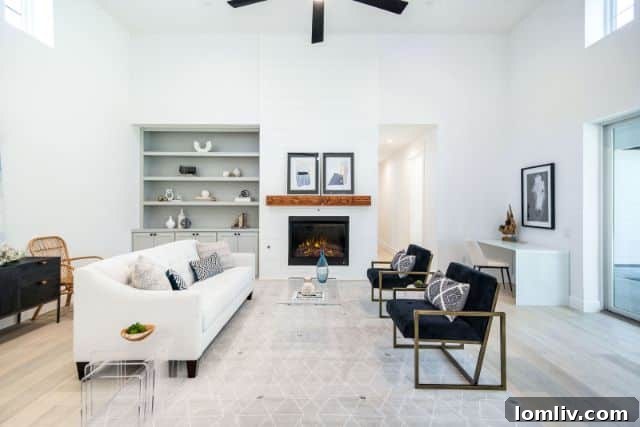
Uniquely Stunning Structure: Blending Durability with Design
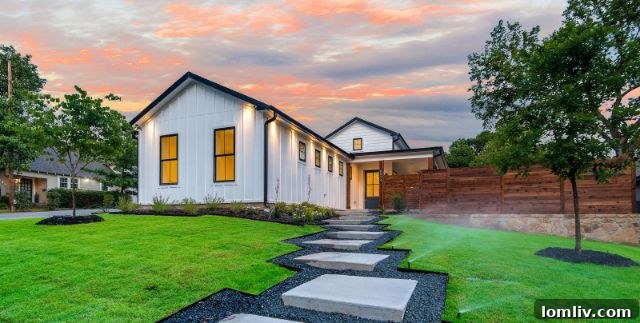
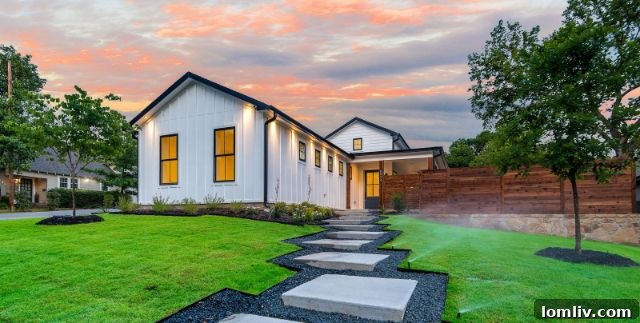
For many, the mention of concrete structures conjures images of stark, monolithic, or purely industrial designs. However, this perception is elegantly challenged by Hoffmann Homes’ latest project, a captivating new build nestled in the vibrant Little Forest Hills neighborhood. Here, the inherent strength of ICF construction is seamlessly integrated with a sophisticated aesthetic that radiates warmth and charm, proving that resilience doesn’t have to compromise beauty or architectural appeal.
“The architectural style of this home was meticulously crafted with a keen sensitivity to the distinctive feel of the neighborhood,” explains John Thompson. “Yet, owing to the thoughtful way the home is positioned on its lot, it achieves a fresh and contemporary perspective that harmoniously aligns with the existing warmth and unique charm of the area.” This careful balance ensures the home stands out for its quality and design, rather than appearing out of place. The exterior presentation, while undeniably modern in its underlying construction, evokes a timeless quality, ensuring it enhances the surrounding streetscape.
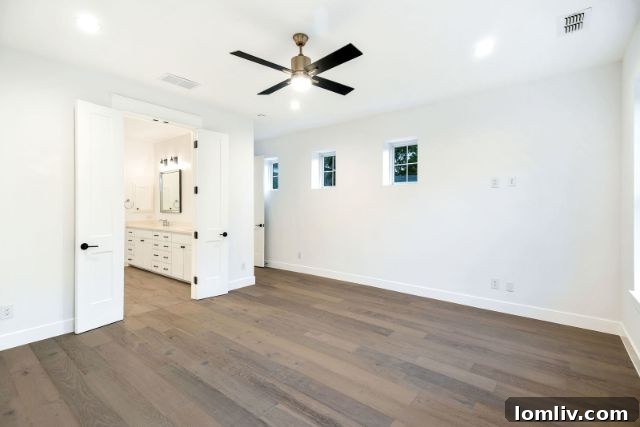

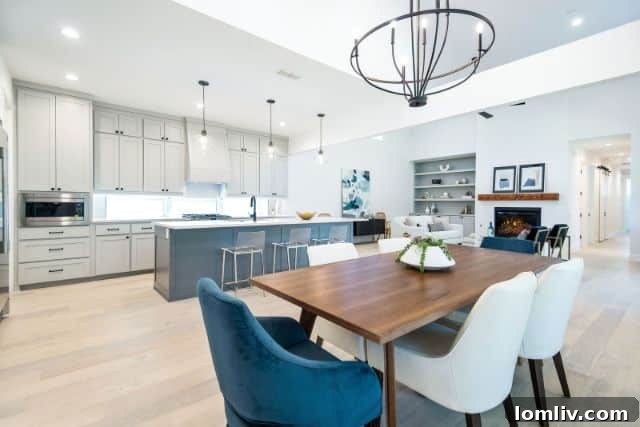
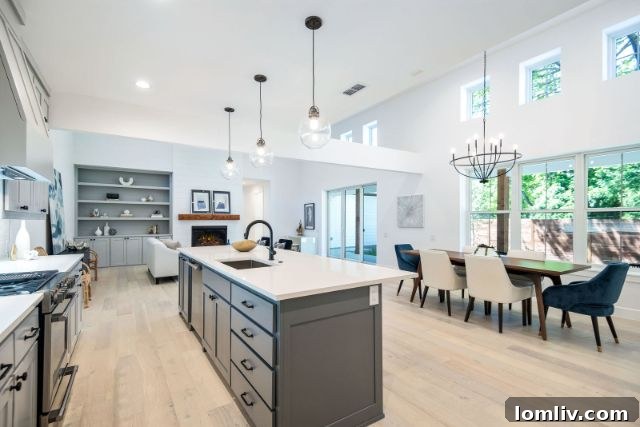
Stepping inside, this home greets residents with a wonderfully warm and inviting neutral palette, forming a serene backdrop for modern living. The interior is characterized by luxurious wide-plank hardwood floors that flow seamlessly throughout, complemented by smooth, pristine white walls that enhance the sense of space and tranquility. Natural light, a cornerstone of sustainable design, floods the living areas through strategically placed clerestory windows. These elevated windows, facing the street, not only maximize daylight penetration but also foster a more cordial and open relationship with the neighborhood, inviting light and views without sacrificing privacy.
“The street elevation of this particular home masterfully conveys the impression of a residence that could have been gracefully standing for many years,” Thompson elaborates. “The carefully considered volumes and the elegant silhouette of the home ensure that it does not visually overpower or ‘dwarf’ its neighboring properties. Furthermore, being a thoughtfully designed one-story home, its windows are positioned so they do not inadvertently overlook the privacy of adjacent yards, fostering a respectful and harmonious community environment.” This attention to context and scale is crucial for integrating innovative construction into established residential areas, ensuring that progress feels seamless and respectful.
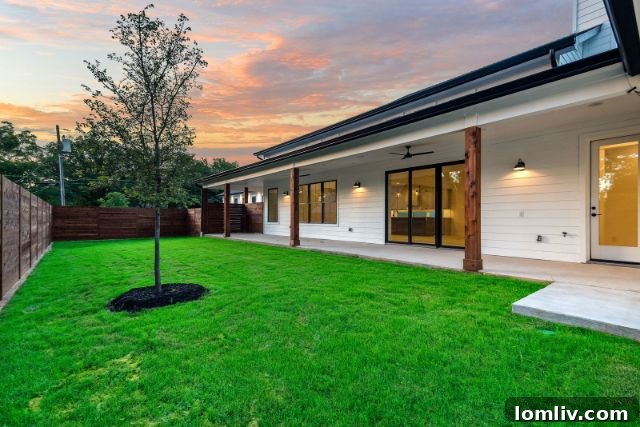
Designed for comfort and functionality, this ICF home offers an ideal layout for a modern family, boasting three spacious bedrooms and three-and-a-half well-appointed baths, all within a generous 2,580 square feet of thoughtfully designed living space. The interior flow is intuitive and inviting, perfect for both everyday living and entertaining. Beyond the interior, the expansive backyard transforms into a fabulous private oasis, featuring a sprawling lawn complemented by a huge covered porch. This outdoor living space provides an idyllic setting for relaxation, al fresco dining, and entertaining guests, seamlessly extending the home’s functional square footage and enhancing the overall lifestyle.
For those curious to experience firsthand how ICF construction fundamentally differs from conventional building methods and to truly appreciate its myriad benefits—from superior energy efficiency and soundproofing to unparalleled structural resilience—an exclusive opportunity awaits. Listing agent John Thompson will be hosting an insightful open house on Sunday, October 4, from 2 to 4 p.m. This is a unique chance to explore a home that represents the future of residential construction in North Texas, offering a tangible example of safety, sustainability, and sophisticated design.
John Thompson of Compass Real Estate has meticulously listed this exceptional property, located at 8824 Diceman Dr., for $924,900. This home is more than just a residence; it is a long-term investment in safety, comfort, and sustainable living, built to withstand the elements and provide lasting value for generations to come in the dynamic North Texas landscape.